When I installed luxury vinyl plank flooring throughout my home, I thought my cleaning routine would remain the same. I was wrong. My trusty string mop which worked perfectly on ceramic tiles, left streaks and residue on my beautiful new vinyl surfaces. After several frustrating cleaning sessions that left my floors looking worse than before, I realized I needed to completely rethink my approach. This began my journey to find the perfect mop for vinyl floors, a quest that taught me valuable lessons about surface compatibility, cleaning techniques, and the importance of using the right tools for the job.
Why My Old Mop Failed on Vinyl Floors
My cotton string mop, reliable for years on ceramic tiles, created disaster on vinyl surfaces. The thick cotton fibers held too much water, leaving puddles that caused my vinyl planks to buckle slightly at the seams. I learned that vinyl floors require minimal moisture to prevent damage to the adhesive backing and seams. The string mop’s inability to wring out completely made it unsuitable for this delicate surface material.
Streaking became a constant frustration with my traditional mop. The cotton fibers redistributed dirt and cleaning solution unevenly, creating visible streaks that highlighted every footprint and speck of dust. I discovered that vinyl floors show every imperfection, unlike textured ceramic tiles that hide cleaning mistakes. The absorbent nature of cotton meant I was essentially painting dirty water across my floors rather than removing it effectively.
The weight and bulkiness of my old mop made maneuvering around furniture difficult on smooth vinyl surfaces. Unlike rough tiles that provided grip, vinyl floors allowed the heavy mop head to slide unpredictably. I frequently knocked over decorative items and struggled to clean tight corners where dust accumulated. This experience taught me that different flooring materials require completely different cleaning approaches and tools.
Discovering the Perfect Microfiber Solution
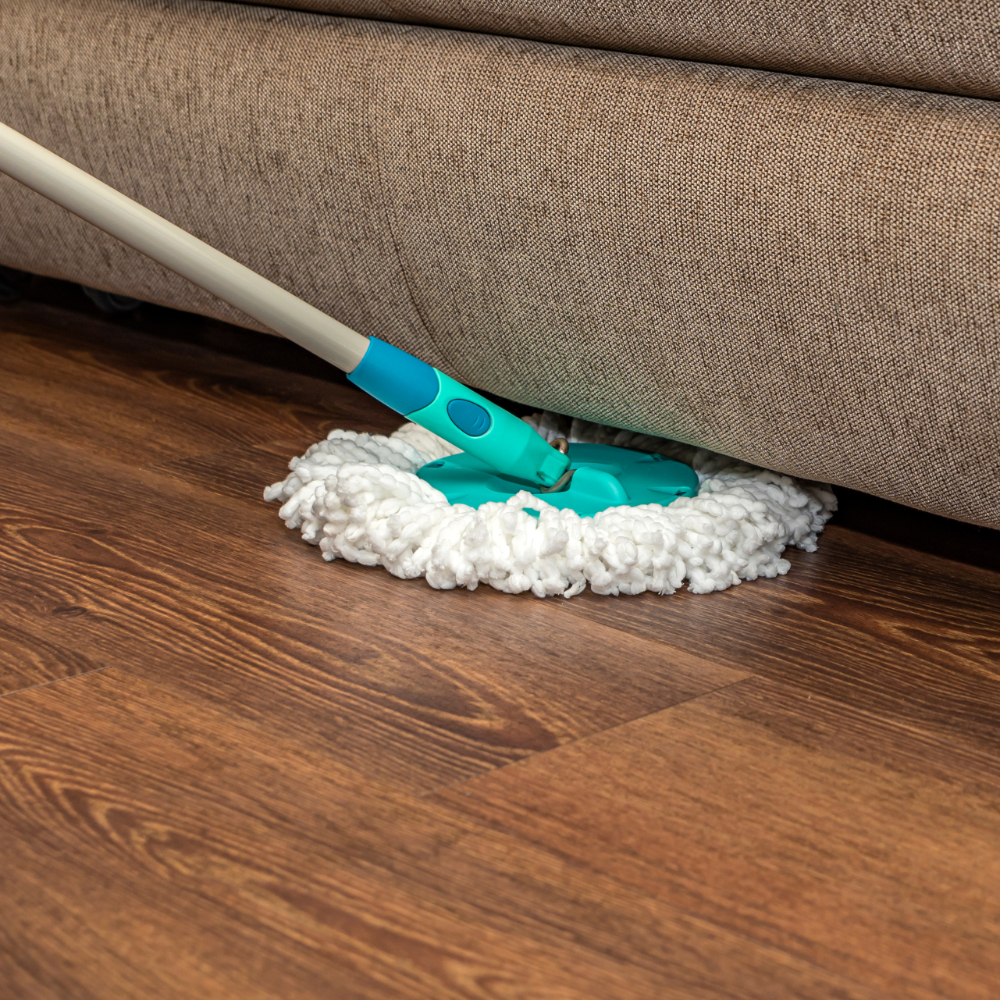
My breakthrough came when I discovered flat microfiber mops designed specifically for smooth surfaces. The thin profile and lightweight design made cleaning effortless, while the microfiber material trapped dirt and dust without redistributing it. I was amazed by how little water was needed to achieve spotless results. The flat design reached under furniture and into corners that my bulky string mop couldn’t access effectively.
The microfiber technology impressed me with its superior cleaning power. The split fibers created millions of microscopic hooks that captured particles at the molecular level. I could clean my entire 1,200-square-foot vinyl floor with just a slightly damp pad, eliminating the excess moisture that caused my previous problems. The material dried quickly, preventing the standing water that vinyl floors absolutely cannot tolerate.
Maintenance of microfiber mops proved incredibly simple and cost-effective. The washable pads lasted months with regular laundering, saving money compared to disposable alternatives. I purchased several pads to rotate during cleaning sessions, ensuring I always had a fresh, clean surface. The investment in quality microfiber technology paid dividends in both cleaning effectiveness and long-term durability.
Spray Mops: A Game-Changing Innovation
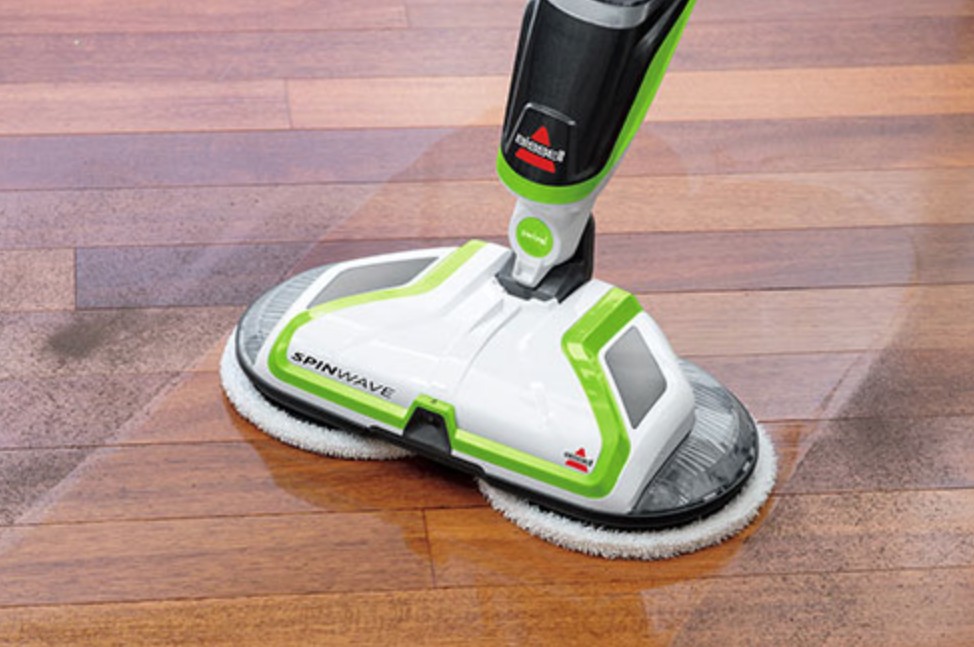
My first spray mop experience revolutionized my cleaning routine. The built-in spray mechanism allowed precise control over moisture levels, applying just enough cleaning solution for effective sanitization without oversaturating the vinyl surface. I could target specific areas with additional spray while keeping the overall moisture level minimal. This precision prevented the water damage that vinyl floors are particularly susceptible to experiencing.
The integrated design eliminated the need for separate buckets and complicated wringing procedures. I simply filled the reservoir with my preferred cleaning solution and began mopping immediately. The convenience factor was remarkable, transforming floor cleaning from a major chore into a quick, manageable task. I could clean my kitchen and bathroom floors in under ten minutes with professional-looking results.
The spray mop’s lightweight construction made it ideal for frequent touch-ups and spot cleaning. I kept it readily accessible for quick cleanup of spills and tracked-in dirt. The ability to use custom cleaning solutions meant I could choose products specifically formulated for vinyl floors, optimizing both cleaning power and surface protection. This flexibility became essential for maintaining my floor’s appearance and longevity.

Steam Mops: The Chemical-Free Alternative
Steam cleaning opened new possibilities for vinyl floor maintenance. The high-temperature steam killed bacteria and germs without requiring chemical disinfectants that could potentially damage vinyl surfaces. I appreciated the eco-friendly aspect of steam cleaning, especially important with small children and pets in the house. The steam lifted dirt and grime effortlessly, leaving my floors sanitized and residue-free.
Temperature control became crucial when using steam mops on vinyl floors. I learned to use the lowest effective heat setting to prevent potential damage to the vinyl material. Most quality steam mops offer variable temperature controls specifically for different flooring types. The quick heating and cooling cycles made steam mopping convenient for regular maintenance cleaning without lengthy preparation time.
The steam mop’s effectiveness impressed me most in high-traffic areas and around pet feeding stations. Dried spills and sticky residues that challenged other cleaning methods dissolved instantly under steam treatment. I discovered that monthly steam cleaning supplemented my regular microfiber mopping routine perfectly. The combination provided comprehensive floor care without harsh chemicals or excessive moisture concerns.
Maintaining My Vinyl Floors with Proper Technique
Proper mopping technique proved as important as choosing the right mop for vinyl floor care. I learned to work in straight lines rather than circular motions, which prevented streaking and ensured even cleaning coverage. Starting from the farthest corner and working toward the exit prevented walking on freshly cleaned areas. This systematic approach eliminated footprints and maintained the pristine appearance I desired.
The importance of frequent pad changes became apparent during larger cleaning sessions. I discovered that using dirty pads simply redistributed grime rather than removing it. Changing pads every 200-300 square feet ensured optimal cleaning performance throughout the entire job. This attention to detail made the difference between adequate cleaning and professional-quality results on my vinyl surfaces.
Immediate cleanup of spills became second nature after learning how vinyl floors react to various substances. I kept microfiber cloths and spray bottles strategically placed for quick response to accidents. Standing liquids, especially acidic substances like juice or wine, require immediate attention to prevent staining or surface damage. This proactive approach preserved my floors’ appearance and eliminated the need for intensive restoration cleaning.

Long-Term Results and Maintenance Success
My vinyl floors maintained their showroom appearance for three years using proper mopping techniques and appropriate tools. The investment in quality mops and cleaning products proved worthwhile through extended floor life and reduced maintenance needs. Friends consistently commented on how pristine my floors looked despite heavy family traffic. This success validated my research and experimentation with different mopping solutions.
The time savings achieved through efficient mopping made floor maintenance enjoyable rather than burdensome. I could clean my entire house’s vinyl floors in 30 minutes, compared to the hour-plus it took with my old string mop. The convenience encouraged more frequent cleaning, which paradoxically made each session easier by preventing dirt buildup. This positive cycle improved my home’s overall cleanliness.
Regular maintenance with appropriate tools prevented the need for intensive restoration treatments. My floors never required professional cleaning services or special restoration products. The consistent care approach saved money while preserving the manufacturer’s warranty requirements. This experience taught me that investing in proper tools and techniques pays dividends in both immediate results and long-term value preservation.

What type of mop works best for luxury vinyl plank flooring?
Flat microfiber mops provide optimal results for luxury vinyl plank surfaces. The thin profile reaches under furniture easily, while microfiber material traps dirt without redistributing it. Spray mops offer excellent moisture control, crucial for vinyl floor protection. Steam mops work well for sanitization but require temperature control. Avoid traditional string mops that hold excessive water and can damage vinyl flooring.
How much water should I use when mopping vinyl floors?
Use minimal water when mopping vinyl floors to prevent damage to seams and adhesive backing. Slightly damp microfiber pads work better than soaking wet mops. Spray mops allow precise moisture control for optimal cleaning. Excess water can cause vinyl planks to buckle or warp permanently. The “less is more” principle applies perfectly to vinyl floor maintenance and cleaning routines.
Can I use regular floor cleaners on my vinyl floors?
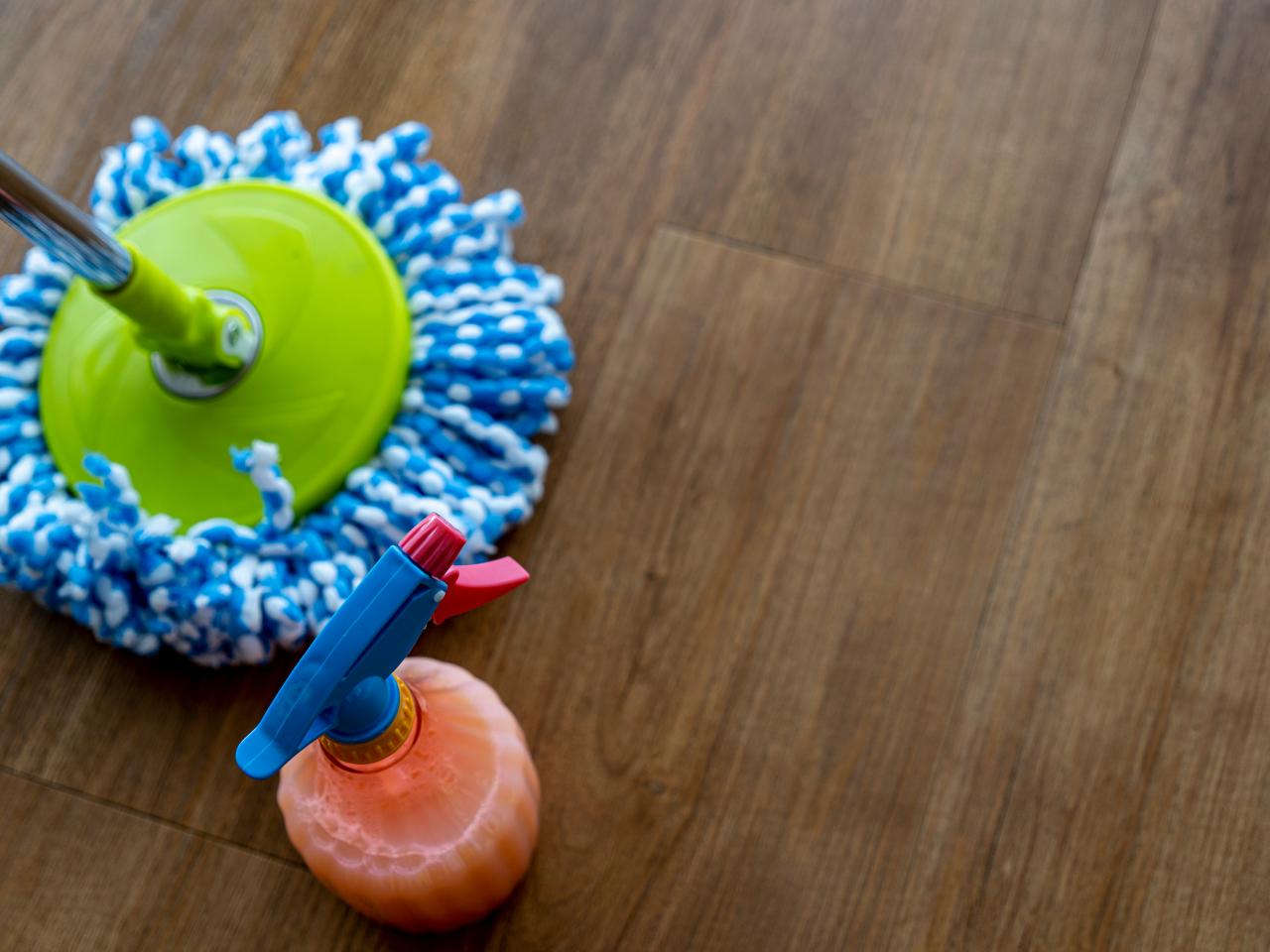
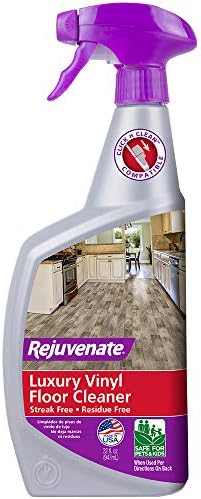
Not all floor cleaners are safe for vinyl surfaces. Choose pH-neutral cleaners specifically formulated for vinyl flooring. Avoid acidic or alkaline products that can damage the surface finish. Read manufacturer recommendations before selecting cleaning products. Many all-purpose cleaners work well when properly diluted. Test new products in inconspicuous areas first to ensure compatibility with your specific vinyl flooring.
How often should I mop my vinyl floors?
High-traffic areas need weekly mopping, while moderate-use areas can be cleaned bi-weekly. Daily spot cleaning prevents dirt buildup and maintains appearance. Seasonal deep cleaning with steam mops provides thorough sanitization. Adjust frequency based on household activity, pets, and personal preferences. Regular maintenance prevents the need for intensive restoration treatments and preserves your vinyl floor’s warranty coverage.
What’s the biggest mistake people make when mopping vinyl floors?
Using too much water is the most common and damaging mistake when cleaning vinyl floors. Excessive moisture can seep into seams, causing permanent buckling and adhesive failure. Traditional string mops hold too much water and should be avoided completely. Always wring out mops thoroughly or use spray systems for moisture control. This simple change prevents costly floor replacement and warranty voiding.
Are steam mops safe for all types of vinyl flooring?
Steam mops are generally safe for most vinyl flooring when used correctly with appropriate temperature settings. Always check manufacturer guidelines before using steam cleaning methods. Use the lowest effective heat setting to prevent potential damage. Some older vinyl floors may be more sensitive to heat exposure. Test steam cleaning in inconspicuous areas first and avoid prolonged exposure to high temperatures.
Best Steam Mop For Vinyl Floors [2022 Review] – HomeViable

Wet Mop for Vinyl Plank Floors

Can You Use a Steam Mop on Vinyl Floors?

18″ Professional Microfiber Mop – Hardwood Floor Mop – Dry u0026 Wet Mop for Wood, Laminate, Tile, Vinyl Floors Washable Pads Wet u0026 Dust Mopping

Related Posts: