Moroccan mosaic vinyl flooring brings a touch of exotic elegance to any space, combining intricate patterns with the durability and affordability of vinyl. I’ve installed and maintained this type of flooring in my own home, and I love how it mimics the look of traditional zellige tile without the high cost or difficult upkeep. Whether you’re renovating a kitchen, bathroom, or living area, Moroccan mosaic vinyl offers a stylish, low-maintenance solution. Let me share everything I’ve learned about choosing, installing, and caring for this beautiful flooring option.
Why Choose Moroccan Mosaic Vinyl Flooring?
One of the biggest advantages of Moroccan mosaic vinyl is its ability to replicate the look of authentic tile at a fraction of the price. The designs range from classic geometric patterns to more intricate, hand-painted styles, giving you plenty of options to match your decor. I chose a deep blue and white pattern for my kitchen, and guests often mistake it for real ceramic tile until they feel the soft, warm surface underfoot.
Another reason I love this flooring is its durability. Unlike real tile, vinyl won’t crack under pressure, making it ideal for homes with kids or pets. I’ve dropped heavy pots on my floor without a single chip or scratch. Plus, vinyl is water-resistant, so spills in the kitchen or bathroom aren’t a disaster—just wipe them up, and you’re done.
Installation is also much easier than traditional tile. Some vinyl options come in peel-and-stick tiles, while others are available in large sheets or interlocking planks. I went with a click-lock system, which took me just a weekend to install without professional help. If you’re looking for a high-end look without the labor-intensive installation, Moroccan mosaic vinyl is a fantastic choice.
Best Places to Install Moroccan Mosaic Vinyl
I’ve found that kitchens and bathrooms benefit the most from this flooring because of its water resistance. My kitchen sees a lot of spills, but the vinyl handles moisture without warping or staining. The textured surface also provides a bit of grip, reducing the risk of slips—something I really appreciate when cooking with wet floors.
Living rooms and entryways are also great spots for Moroccan mosaic vinyl. The bold patterns make a striking first impression, and the material holds up well against heavy foot traffic. I installed some in my hallway, and after two years, it still looks brand new despite daily use. Unlike hardwood or laminate, it doesn’t show scuffs easily.
If you love the look of Moroccan tile but worry about cold floors, vinyl is a great alternative. It feels warmer underfoot than ceramic or stone, making it more comfortable in bedrooms or basements. I added a few area rugs for extra coziness, but the flooring itself is much more forgiving in cooler climates.

How to Clean and Maintain Moroccan Mosaic Vinyl
Keeping this flooring looking fresh is incredibly easy. I sweep or vacuum weekly to remove dirt and debris that could scratch the surface. A microfiber mop works best for picking up fine dust without leaving streaks. For deeper cleaning, I use a mixture of warm water and a few drops of mild dish soap—harsh chemicals can dull the finish over time.
Stains are rarely an issue, but if something sticky spills, I wipe it up immediately with a damp cloth. For tougher messes, like dried-on food or ink, a bit of rubbing alcohol on a soft cloth does the trick without damaging the vinyl. I avoid steam mops because excessive heat can loosen the adhesive over time.
To maintain the pattern’s vibrancy, I occasionally apply a vinyl floor polish. This adds a subtle shine and protects against minor scratches. I also place felt pads under furniture legs to prevent scuffing. With these simple steps, my floors still look as stunning as the day they were installed.
Installation Tips for a Professional Finish
Proper preparation is key to a flawless installation. I started by ensuring my subfloor was clean, dry, and level. Any bumps or debris can cause unevenness, so I spent extra time sanding down imperfections before laying the vinyl. If you’re installing over concrete, a moisture barrier is a good idea to prevent any long-term issues.
For peel-and-stick tiles, I measured carefully and dry-fit a few pieces before peeling off the backing. This helped me adjust the pattern alignment before committing. With click-lock vinyl, I left a small expansion gap around the edges to allow for natural movement. A rubber mallet helped snug the planks together without damaging the edges.
Cutting vinyl around corners and door frames was the trickiest part. I used a utility knife and a straight edge for precision, making small adjustments as needed. If you’re not confident in your DIY skills, hiring a professional for the final touches might be worth it. But with patience, I managed to get a seamless look on my own.

Design Ideas to Enhance Moroccan Mosaic Vinyl
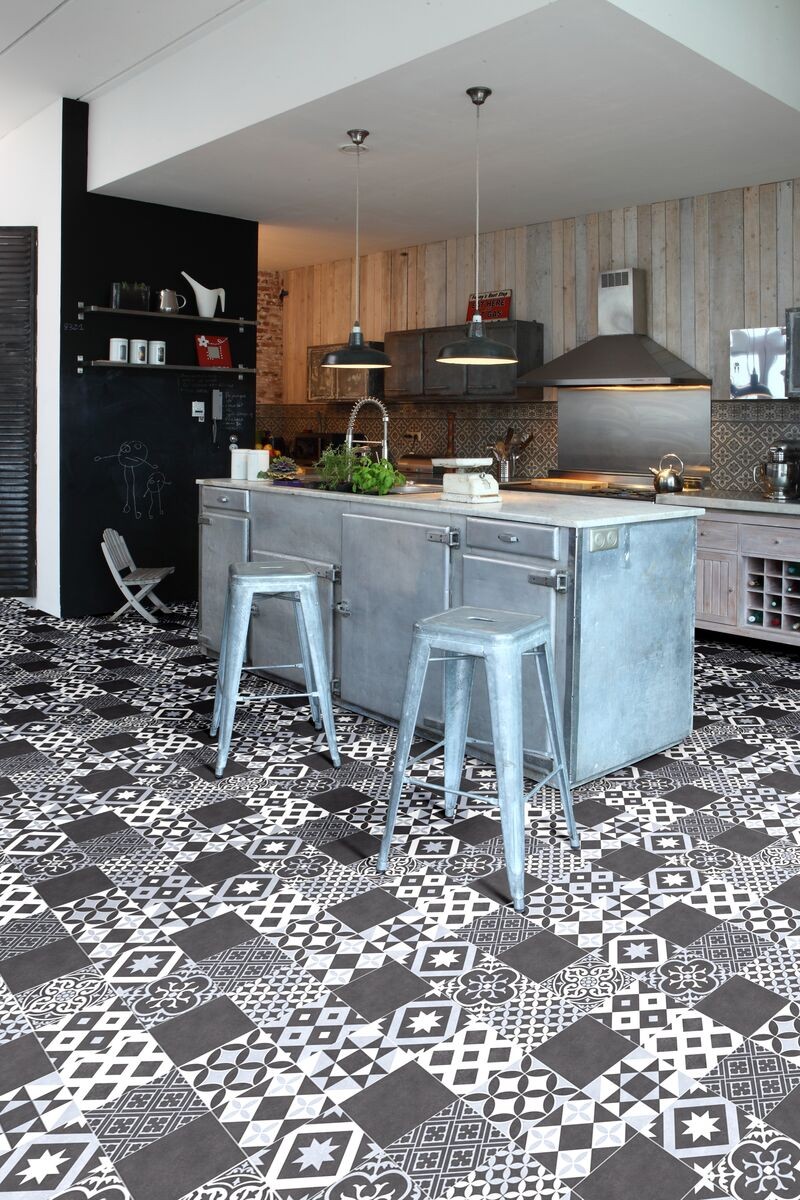
One of my favorite things about this flooring is how versatile it is. In my kitchen, I paired a bold blue-and-white pattern with white cabinets and brass hardware for a Mediterranean-inspired look. The contrast makes the floor the focal point without overwhelming the space. For a more subtle approach, neutral-toned mosaics work well in modern or minimalist settings.
In my bathroom, I used smaller vinyl tiles to mimic traditional Moroccan layouts, adding a vintage rug for warmth. The waterproof nature of vinyl means I don’t have to worry about humidity or splashes. If you want a cohesive look, you can even extend the same pattern from one room to another for a flowing, open feel.
For a bohemian vibe, I layered patterned rugs over the vinyl in my living room. The mix of textures adds depth while protecting high-traffic areas. Moroccan mosaic vinyl also pairs beautifully with natural materials like rattan, wood, and woven baskets, creating a cozy, globally inspired aesthetic.

Common Mistakes to Avoid with Moroccan Mosaic Vinyl
One mistake I made early on was not acclimating the vinyl before installation. Leaving it in the room for at least 24 hours helps it adjust to temperature and humidity, preventing warping later. I also learned the hard way that skipping underlayment can make the floor feel less cushioned—now I always use a thin foam underlay for added comfort.
Another misstep was using abrasive cleaners or scrubbers. At first, I thought a stiff brush would help with deep cleaning, but it left tiny scratches on the surface. Stick to soft cloths or sponges to preserve the finish. I also avoid wax-based polishes, which can create a slippery film over time.
Finally, improper measuring can lead to wasted material or awkward cuts. I now buy 10% extra to account for mistakes and pattern matching. Taking the time to plan the layout saves frustration later, especially with intricate designs that need precise alignment.
Is Moroccan mosaic vinyl flooring waterproof?
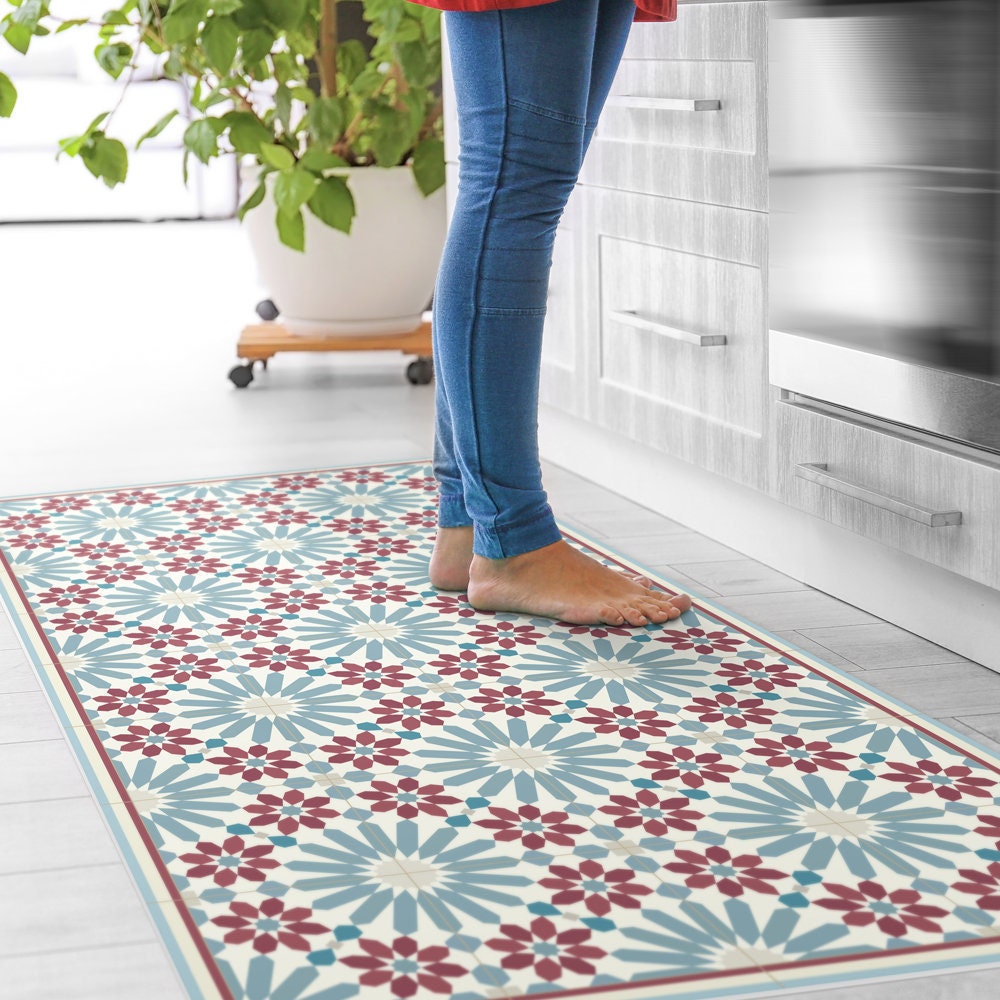
Yes, most Moroccan mosaic vinyl flooring is fully waterproof, making it perfect for kitchens, bathrooms, and laundry rooms. I’ve had spills sit for hours without any damage, though I still wipe them up quickly to prevent slipping. The seams in interlocking or sheet vinyl are also designed to resist moisture, unlike traditional tile grout, which can stain or crack over time.
Can I install Moroccan mosaic vinyl over existing tile?
You can, but the surface must be smooth and level. I installed mine over old linoleum after ensuring there were no loose edges or bumps. If your existing tile has deep grout lines, using a self-leveling compound first will help prevent the vinyl from showing imperfections. Always check the manufacturer’s recommendations before proceeding.

How long does Moroccan mosaic vinyl flooring last?
With proper care, this flooring can last 10-20 years. Mine still looks new after five years of heavy use. Thicker wear layers (20 mil or more) tend to last longer, especially in high-traffic areas. Avoiding harsh cleaners and protecting the surface from sharp objects will extend its lifespan significantly.
Does Moroccan mosaic vinyl fade in sunlight?
Some lower-quality vinyl may fade over time if exposed to direct sunlight. I have large windows in my living room, so I chose a UV-resistant option to prevent discoloration. Using curtains or rugs in sun-heavy areas also helps preserve the colors. Higher-end vinyl usually has better fade resistance.
Can I use Moroccan mosaic vinyl flooring with underfloor heating?
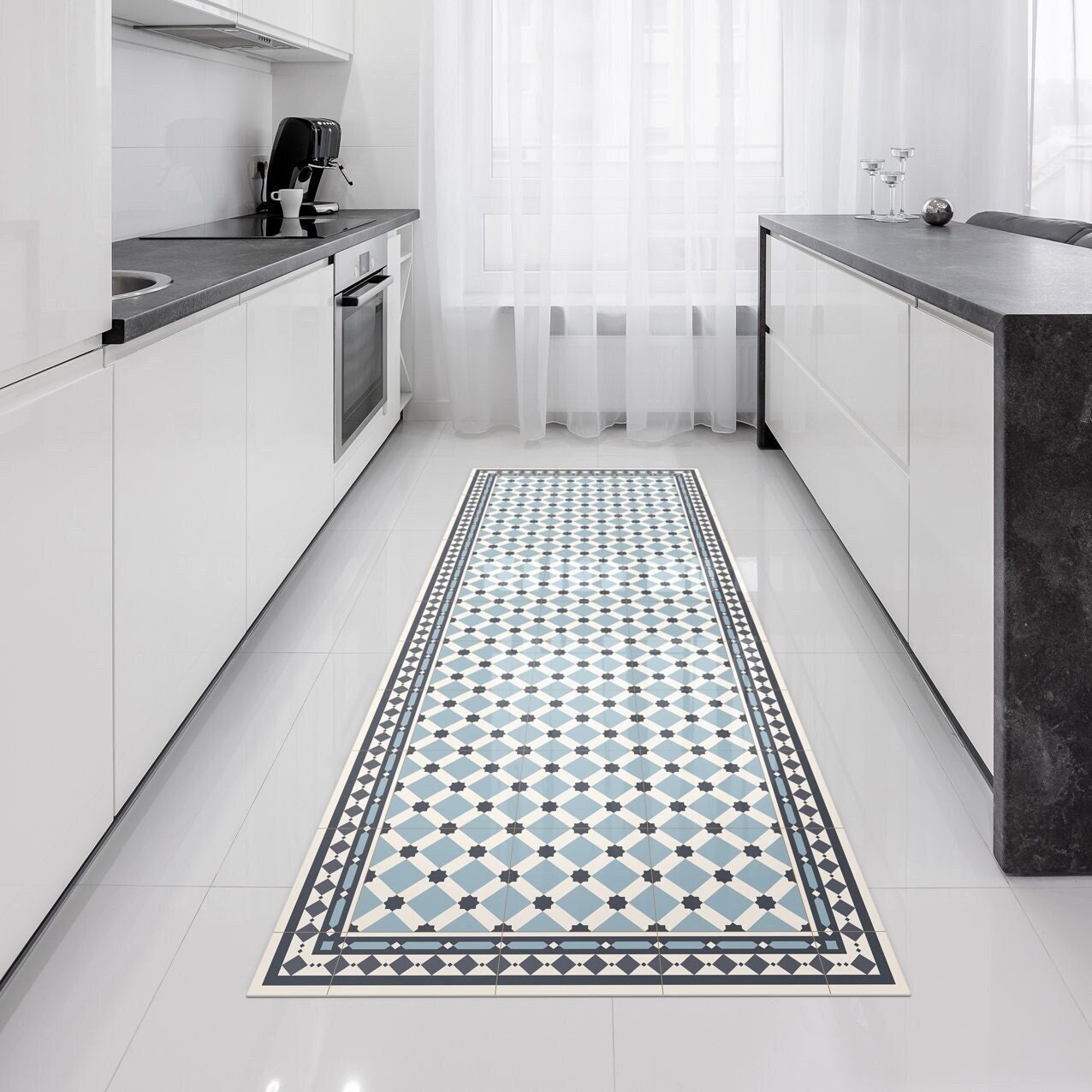
Yes, many vinyl products are compatible with radiant heating systems. I installed mine over heated floors in my bathroom, and it works perfectly. Just make sure the vinyl you choose is rated for heat exposure, and follow the manufacturer’s guidelines for maximum temperature settings to avoid warping.
What’s the difference between peel-and-stick and click-lock Moroccan mosaic vinyl?
Peel-and-stick tiles are easier for small projects or renters since they can be removed later. Click-lock vinyl is more durable and stable for larger areas, with interlocking edges that create a floating floor. I prefer click-lock for long-term installations because it feels more solid underfoot and doesn’t rely on adhesives that can wear out over time.
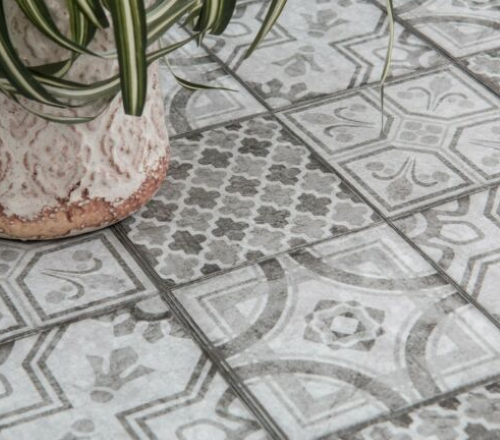
Vinyl Moroccan Tile Square Floor
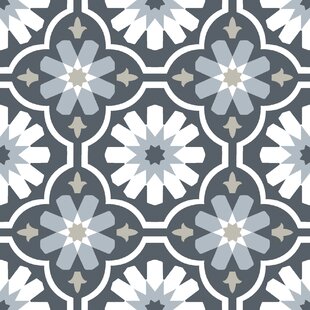
Vinyl Moroccan Tile Square Floor Wayfair
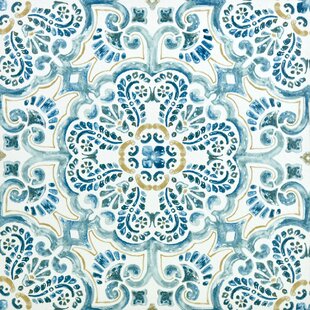
Peel & Stick Vinyl Floor Tiles 10pcs Marble Moroccan Floral Pattern
Related Posts: