When I started looking for flooring options for my covered patio and screened porch, I never imagined vinyl would be the solution. I’d always associated vinyl with indoor kitchens and bathrooms, not outdoor living spaces. After two summers with outdoor-rated vinyl flooring in multiple exterior areas, I’m convinced it’s one of the best-kept secrets in outdoor design.
The transformation has been incredible, turning rough concrete and weathered wood into beautiful, comfortable spaces where my family actually wants to spend time. Let me share the creative ways I’ve used outdoor vinyl and what I’ve learned about making it work in exterior applications.
Choosing Weather-Resistant Vinyl for Outdoor Applications
Not all vinyl flooring works outdoors, and this was my first critical lesson. I needed vinyl specifically rated for exterior use with UV-resistant properties and extreme temperature tolerance. Indoor vinyl can fade, warp, or become brittle when exposed to sun and weather fluctuations. I spent weeks researching manufacturers that produced outdoor-grade vinyl, finding options designed for marine use, commercial poolside areas, and covered outdoor spaces.
The vinyl I selected for my covered patio has a reinforced wear layer and UV inhibitors that prevent fading and degradation. It’s rated for temperatures from negative twenty to one hundred twenty degrees Fahrenheit, essential for my climate with hot summers and occasional cold snaps.
The product specifications clearly stated outdoor suitability, something I verified before purchasing. This wasn’t available at big box stores, I ordered from a specialty outdoor flooring supplier after consulting with their technical team.
Thickness and backing material matter tremendously for outdoor applications. I chose vinyl with a waterproof composite backing rather than standard felt or foam. This backing resists moisture from below and provides stability on concrete substrates.
The planks are thicker than indoor vinyl, measuring 8mm compared to the 4-5mm typical for interior use. This extra bulk provides durability and helps the flooring handle temperature expansion and contraction that outdoor environments demand.
Creating an Outdoor Living Room on My Covered Patio
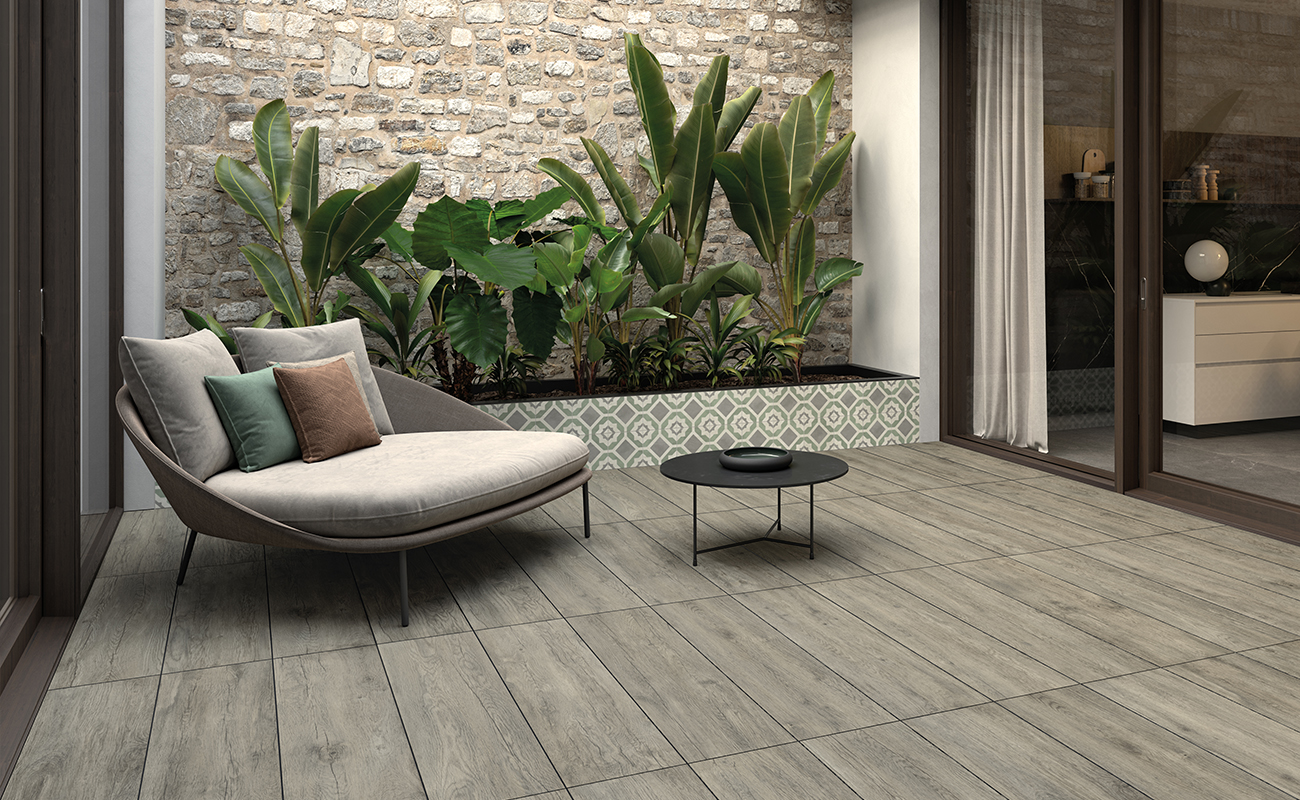
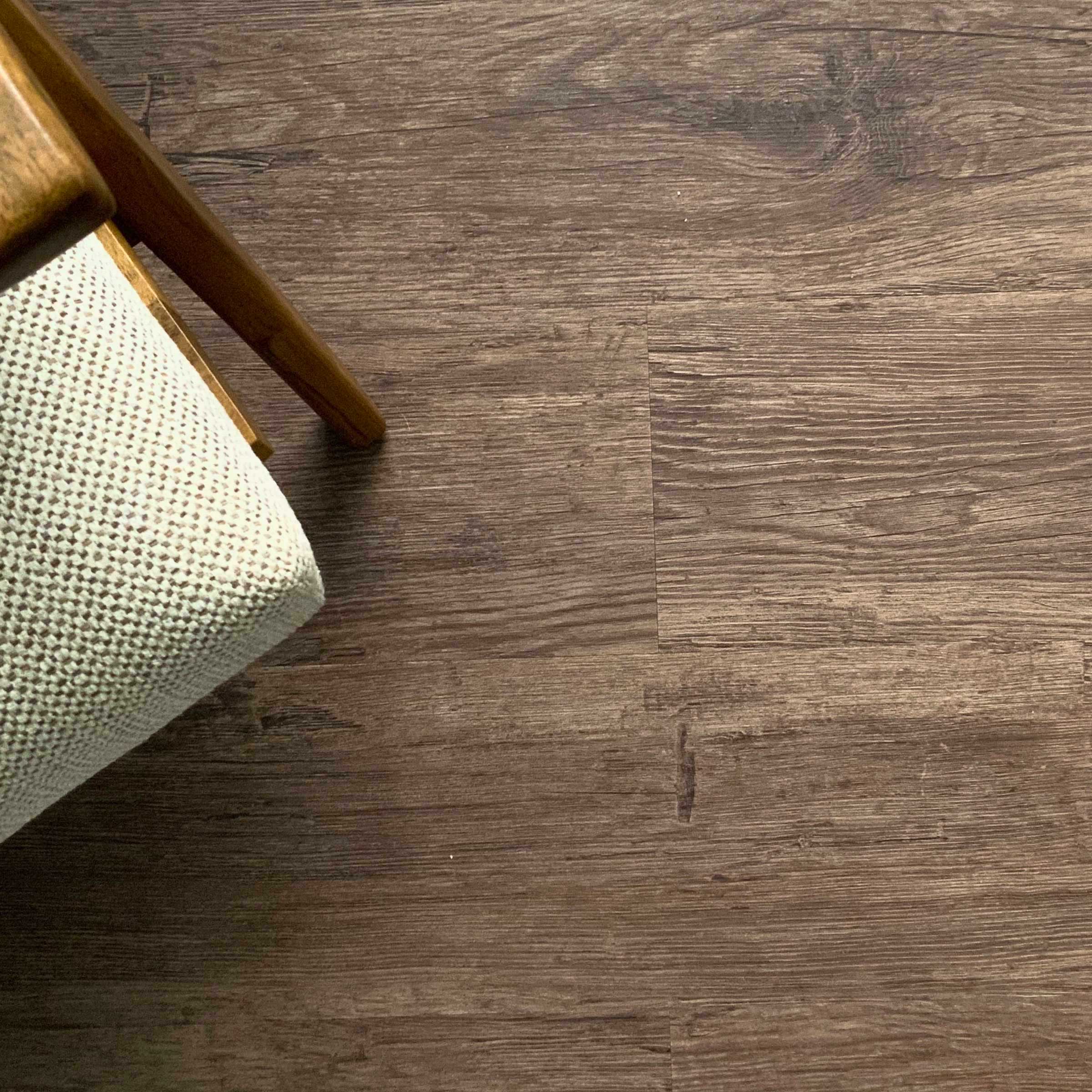
My covered patio transformation exceeded all expectations. I installed wood-look vinyl planks that mimic weathered barn wood, creating a rustic yet refined aesthetic. The 20×15 foot space went from cold, cracked concrete to a warm, inviting outdoor living room where we spend most summer evenings. The vinyl’s textured surface feels comfortable barefoot and provides better traction than smooth concrete, especially important with kids running around wet from the pool.
I furnished the space like an indoor room with outdoor sectional seating, a coffee table, and even an area rug. The vinyl flooring made this possible by creating a finished foundation that feels intentional and designed. Before, placing furniture on raw concrete looked temporary and uninviting. Now, the wood-look planks tie everything together aesthetically. Guests consistently comment on how much the flooring changed the space’s entire character and functionality.
The installation over concrete was straightforward with the floating method. I cleaned and leveled the concrete slab, installed a moisture barrier specifically designed for outdoor use, and clicked the vinyl planks together. The entire project took one weekend. I left slightly larger expansion gaps than indoor installations require, about three-eighths of an inch around the perimeter, to accommodate greater temperature swings. These gaps hide beneath furniture and planters, completely invisible in the finished space.

Transforming My Screened Porch into a Three-Season Room
My screened porch presented different challenges than the covered patio. This space gets more direct weather exposure through the screens, including wind-blown rain and temperature extremes. I chose vinyl with enhanced water resistance and a slightly textured surface that wouldn’t become slippery when wet. The stone-look luxury vinyl tile I selected mimics slate, giving the porch an elegant, spa-like atmosphere that complements the natural views.
The existing painted wood floor was in rough shape with peeling paint and soft spots. I replaced damaged boards, applied two coats of exterior primer, and then installed the vinyl tiles using outdoor-rated adhesive. This glue-down method provides better stability than floating installation in this semi-exposed environment. The adhesive creates a waterproof bond that prevents moisture infiltration beneath the flooring, critical for protecting the wood subfloor from rot and decay.
Color selection made a huge difference in managing temperature. I initially wanted dark charcoal tiles but my installer warned they’d absorb heat and become uncomfortably hot in direct sun that occasionally hits the porch. I compromised with medium-gray tiles that have enough depth to hide dirt while staying cooler underfoot. This practical consideration has proven wise, the floor stays comfortable even on ninety-degree days when afternoon sun streams through the screens for a few hours.
Designing a Poolside Deck with Slip-Resistant Vinyl
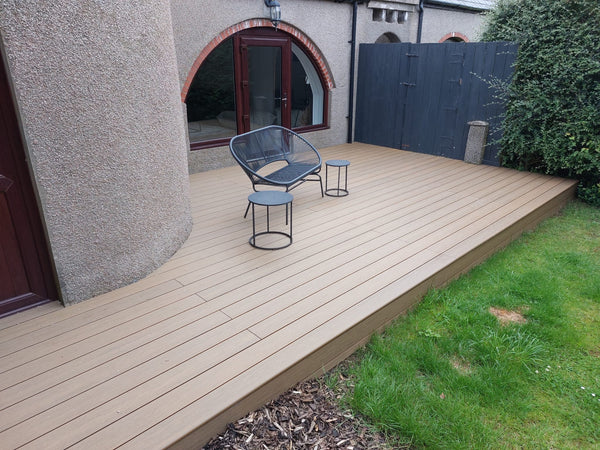
My pool deck project required the most careful product selection. Safety was paramount, I needed flooring that wouldn’t become dangerously slippery when wet. I discovered vinyl plank specifically designed for pool surrounds with an aggressive textured surface that provides excellent traction. The light sandstone color I chose doesn’t absorb excessive heat like darker options would, staying comfortable for bare feet even in direct summer sun.
The 12×24 foot deck area around our above-ground pool was previously composite decking that had become weathered, splintered, and unattractive. Vinyl offered a smooth, splinter-free surface that’s much more comfortable for lounging and walking barefoot. The material is also more forgiving than concrete or tile if someone slips, providing slight cushioning that reduces injury risk. As a parent, this softer surface gives me peace of mind when kids are running around the pool.
Installation required a perfectly level base. I removed the old composite decking and built a new frame with pressure-treated lumber, topped with exterior-grade plywood and waterproof membrane. The vinyl planks went down with marine-grade adhesive formulated for constant water exposure. I sealed all seams with waterproof caulk, creating a completely water-resistant surface. After two seasons of heavy pool use, countless splashes, and regular hosing down, the flooring shows no signs of water damage or deterioration.
Using Vinyl for Outdoor Kitchen and Bar Areas
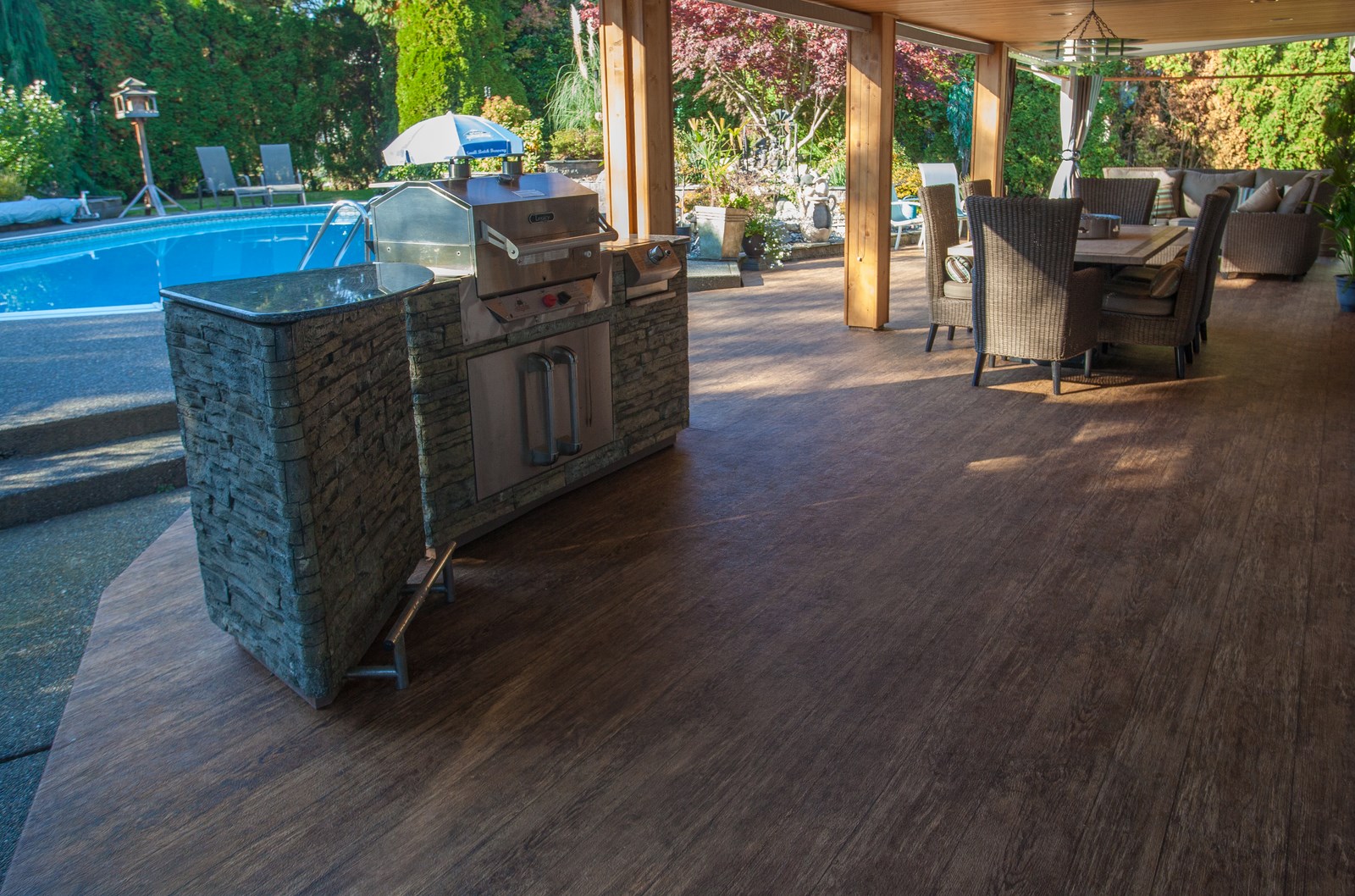
My outdoor kitchen setup became a reality thanks to durable vinyl flooring. I created a 10×10 foot prep and dining area adjacent to my grill with luxury vinyl that looks like polished concrete. This modern aesthetic coordinates perfectly with my stainless steel appliances and countertops. The vinyl’s impervious surface handles spilled marinades, dropped food, and frequent cleaning without staining or damage, unlike the porous paver stones I had previously.
Comfort while standing and cooking was an unexpected benefit. The slight give in vinyl flooring reduces leg and back fatigue compared to standing on concrete or stone. During long grilling sessions or outdoor dinner parties where I’m on my feet for hours, this cushioning makes a noticeable difference. My wife, who does most of our outdoor cooking, noticed the improvement immediately and says she can stand comfortably much longer now.
The maintenance is incredibly simple, exactly what I need in a cooking area prone to grease and food debris. I spray down the floor with a hose after outdoor cooking sessions, and occasionally scrub with deck cleaner for tougher messes. The vinyl’s sealed surface prevents grease absorption and bacterial growth, maintaining a more sanitary food preparation environment. This easy cleanup encourages us to use the outdoor kitchen more frequently, getting great value from the investment in both the flooring and appliances.
Incorporating Decorative Patterns and Design Elements
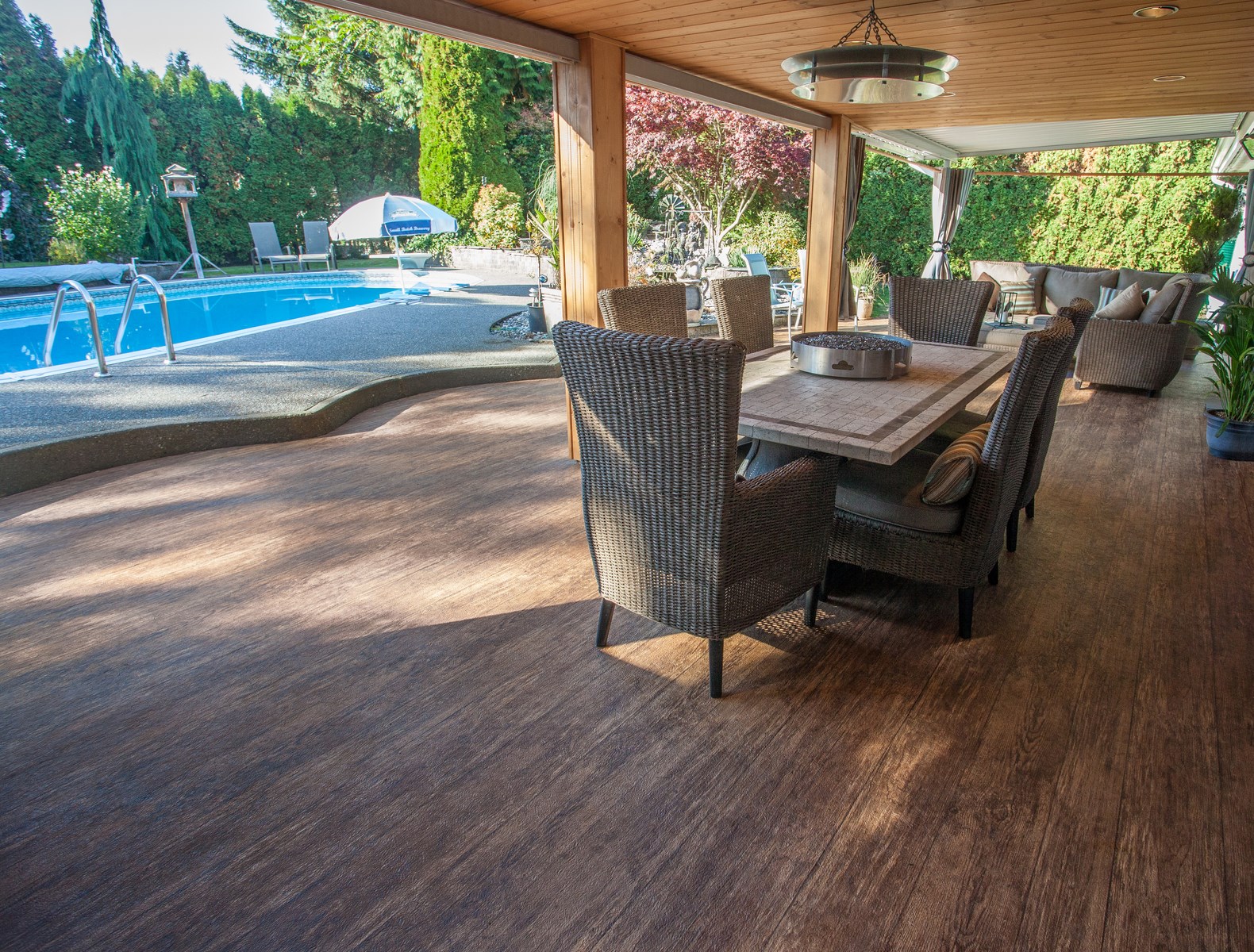
One creative project I’m particularly proud of is the inlaid border I created on my patio. I used two complementary vinyl plank colors, a lighter oak and darker walnut, to create a picture frame border around the main floor area. This two-tone design adds visual interest and defines the space without overwhelming it. The contrasting border draws the eye and makes the patio feel more intentional and custom, like something from a design magazine.
I also experimented with herringbone pattern installation in my small covered entryway. Instead of the standard straight plank layout, I angled the vinyl planks in a classic herringbone arrangement. This pattern installation was more time-consuming and created more waste from cuts, but the stunning result justified the extra effort and expense. The 6×8 foot space now feels sophisticated and welcoming, making a strong first impression before guests even enter my home.
Mixing vinyl styles in different outdoor zones helps define separate functional areas. My patio has wood-look planks, the screened porch features stone-look tiles, and the pool deck uses textured slip-resistant planks. Rather than clashing, these variations create distinct spaces while maintaining cohesion through similar neutral color palettes. Each area has its own identity and purpose, enhanced by appropriate flooring choices that serve both aesthetic and functional requirements specific to each space’s use.

How long does outdoor vinyl flooring last?
Quality outdoor-rated vinyl should last 10-15 years with proper installation and maintenance. My flooring is two years old and looks brand new despite heavy use. UV resistance is critical, products without this protection fail much sooner. I expect to get at least a decade from my investment, possibly longer with the care I give it.
Can outdoor vinyl handle extreme temperatures?
Yes, if it’s rated for outdoor use. My vinyl withstands summer heat over 100°F and winter temps below freezing without issues. The key is choosing products specifically formulated for temperature extremes and leaving proper expansion gaps during installation. Indoor vinyl would crack or warp under these conditions, outdoor-grade vinyl handles them fine.
Is outdoor vinyl slippery when wet?
It depends on the texture. I chose textured, slip-resistant options for my pool area that provide excellent traction when wet. Smooth vinyl can be slippery, inappropriate for areas with water exposure. Always check slip-resistance ratings and choose appropriately textured products for your specific application. Safety should drive this decision.
How do you clean outdoor vinyl flooring?
I hose mine down regularly and occasionally use deck cleaner for stubborn dirt or mildew. The sealed surface resists staining and cleans easily with just water and mild soap. Pressure washing on low settings works too. Avoid harsh chemicals that might degrade UV protection. My cleaning routine takes minutes, far easier than maintaining wood decking.

Can outdoor vinyl be installed directly on concrete?
Yes, and that’s what I did for my patio. The concrete must be clean, level, and dry. I used an outdoor moisture barrier underneath for added protection. Concrete provides an ideal stable substrate for vinyl. Ensure proper drainage so water doesn’t pool under the flooring, which could cause problems over time.
Does outdoor vinyl fade in sunlight?
Quality outdoor vinyl with UV inhibitors resists fading remarkably well. My flooring in direct sun still looks like the day I installed it two years ago. Cheap or indoor-grade vinyl will fade quickly outdoors. This is one area where spending more for proper outdoor-rated products absolutely pays off in longevity and appearance retention.

Related Posts: