When I started planning my living room makeover last year, I wanted a dramatic transformation without draining my savings. My old carpet was stained and outdated, and I dreamed of bright, modern floors that would make my space feel larger and more inviting. That’s when I discovered white laminate flooring. I’ll admit, I was skeptical at first.
Would white show every speck of dirt? Would it look cheap or too clinical? After installing white laminate throughout my main living areas eighteen months ago, I can honestly say it’s been one of my best home improvement decisions. Let me share everything I learned along the way.
Understanding Different Shades and Styles of White Laminate
White laminate isn’t just one color, and this surprised me during my initial shopping trips. I found everything from pure snow white to warm creams, cool grays with white undertones, and even whitewashed wood looks.
I spent hours at flooring stores with samples, taking them home to see how they looked in my actual lighting. Natural light versus evening lamps made certain whites look completely different, so testing in your space is absolutely essential.
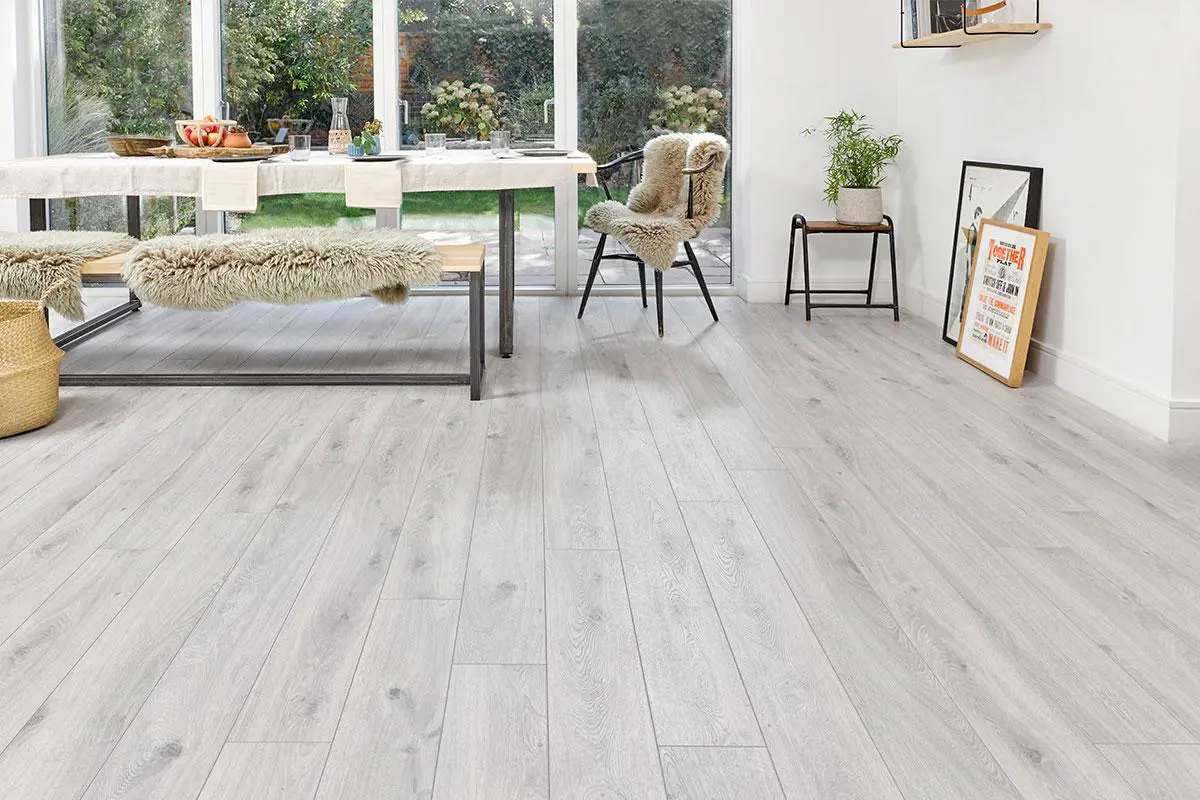
I ultimately chose a whitewashed oak pattern with subtle gray grain lines. Pure white felt too sterile for my taste, like a hospital or stark modern gallery. The wood grain texture added visual interest and made the floors feel warmer and more organic. The slight gray undertones prevented that yellow cast that pure white can develop over time. This middle-ground option brightened my space dramatically while maintaining a cozy, livable feeling.
Texture options also varied significantly between products. Some white laminates had smooth, glossy surfaces that looked almost like painted wood. Others featured embossed textures that mimicked real wood grain perfectly.
I chose an embossed texture because it felt more authentic underfoot and hid minor imperfections better than smooth finishes. The texture catches light beautifully, creating subtle shadows that add depth. This detail makes my floors look far more expensive than they actually were.

Selecting Quality Laminate That Lasts in White
AC ratings became my crash course in laminate durability. These ratings range from AC1 to AC5, measuring wear resistance. My flooring expert recommended at least AC3 for residential use, but I splurged on AC4 for my high-traffic living areas. The white color made me nervous about showing wear, so extra durability provided peace of mind. After eighteen months of heavy use, my floors still look pristine, validating that investment.
Thickness matters more than I initially realized. I compared options ranging from 7mm to 12mm thick. Thicker laminate feels more solid underfoot and handles subfloor imperfections better. I chose 10mm planks, which provide a substantial feel without the premium price of 12mm. The attached underlayment pad saved installation time and money while providing cushioning and sound dampening. This integrated pad works beautifully in my second-floor rooms.
The locking mechanism quality separates cheap from quality laminate. I examined how planks clicked together at the store, looking for tight, secure connections. Some budget options felt flimsy and didn’t lock firmly. My chosen brand had a robust clicking system that went together easily but stayed locked permanently. After installation, I have zero separating seams or gaps. This quality construction prevents the problems that give laminate flooring a bad reputation among some homeowners.
Installation Tips I Wish I’d Known Sooner
I decided to install the flooring myself to save money, and it was definitely doable but more challenging than YouTube videos suggested. Subfloor preparation consumed more time than actual installation. I spent two full days ensuring my concrete subfloor was perfectly level and clean. Every bump or depression telegraphs through laminate, especially lighter colors that show shadows. I used floor leveling compound in low spots and ground down high areas with a concrete grinder I rented.
The floating installation method worked perfectly for my project. Laminate planks click together and rest on top of underlayment without being attached to the subfloor. This allows for natural expansion and contraction with temperature and humidity changes. I left a quarter-inch gap around all walls and obstacles, hiding it later with baseboards and transitions. Maintaining this expansion gap was tedious but crucial for preventing buckling issues down the road.
Starting with a straight first row determined everything that followed. I measured and snapped a chalk line parallel to my longest wall, ensuring it was perfectly straight even though the wall wasn’t. Following this line rather than the wall kept my entire installation square. I also learned to stagger plank seams by at least 12 inches for structural integrity and visual appeal. The random pattern looks more natural and professional than aligned seams would have appeared.
Living with White Floors and Daily Maintenance
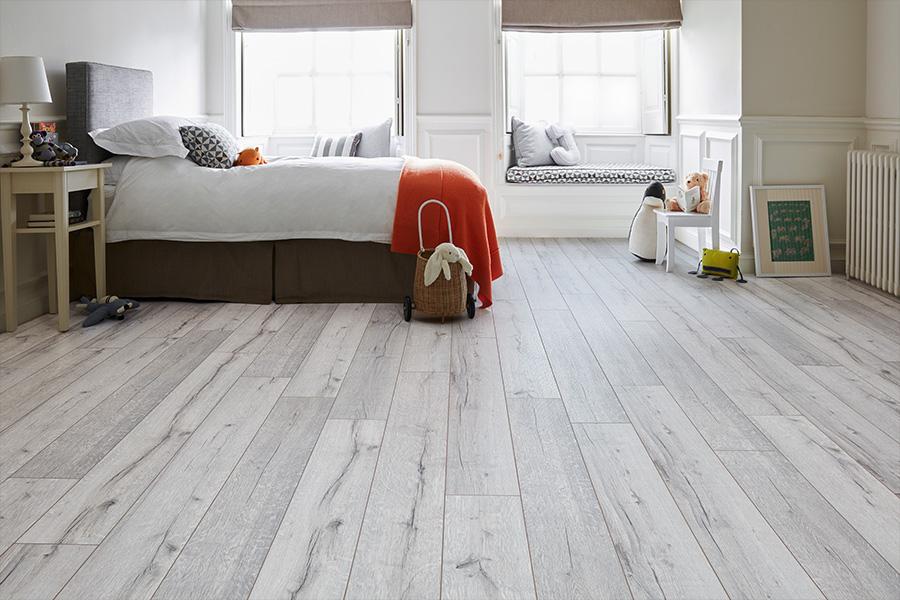
Surprisingly, white laminate doesn’t show dirt as badly as I feared. Light dust is nearly invisible compared to how it stands out on dark floors. However, darker debris like coffee grounds or pet hair shows up instantly. I vacuum or sweep every other day, which takes maybe ten minutes. This frequent light cleaning prevents buildup and keeps the floors looking fresh. It’s become such an automatic routine that I barely notice the time investment anymore.
For deeper cleaning, I mop weekly with a laminate floor cleaner diluted in water. The key is using a damp, not wet, mop. Excess water can seep into seams and cause swelling or warping. I spray cleaner on my microfiber mop head rather than directly on the floor, giving me better control over moisture levels. The white color makes it easy to see exactly where I’ve cleaned, ensuring I don’t miss spots.
Scuff marks from shoes initially frustrated me until I discovered the magic eraser trick. Those melamine foam sponges remove black heel marks effortlessly without damaging the laminate surface. I keep one under my kitchen sink for quick touch-ups. For stubborn spots, a tiny amount of rubbing alcohol on a cloth works wonders. These simple solutions keep my white floors looking immaculate despite daily traffic from my family and frequent guests.
Decorating and Designing Around White Laminate
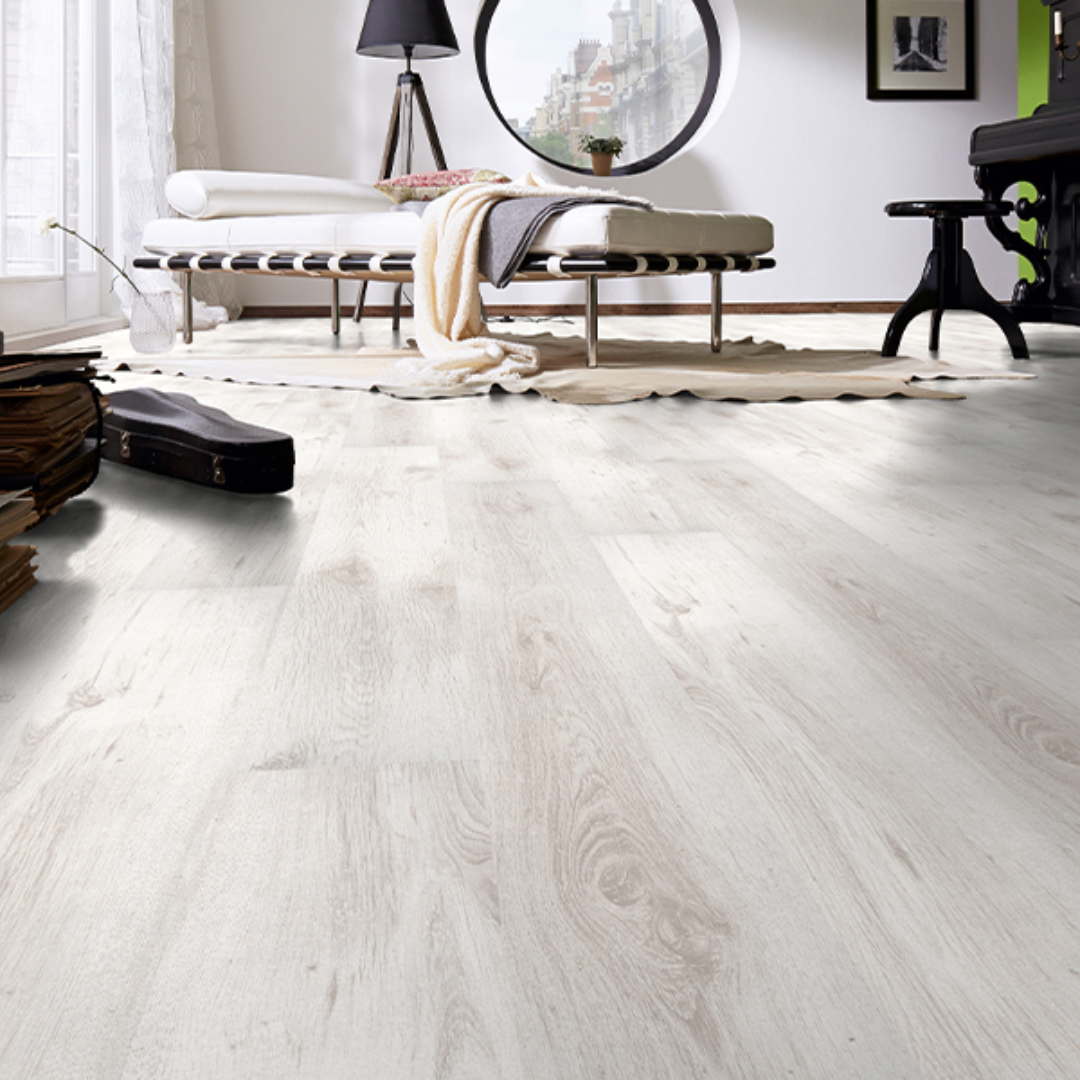
White floors became the perfect blank canvas for my decorating style. I can change throw rugs, furniture, and wall colors without worrying about clashing with the flooring. This flexibility has been incredibly freeing. I’ve tried coastal blues, warm earth tones, and even bold jewel colors, and everything works beautifully against the neutral white background. My space feels fresh and adaptable in ways my old beige carpet never allowed.
Area rugs became essential design elements that also protect high-traffic zones. I use a large jute rug in my living room that adds warmth and texture while defining the seating area. Smaller rugs in entryways catch dirt before it reaches the main floor space. I chose rugs with non-slip backing to prevent sliding on the smooth laminate surface. These rugs add color and coziness while serving practical purposes that extend my floor’s life.
Furniture choices became easier with white flooring. Dark furniture creates stunning contrast, while lighter pieces contribute to an airy, cohesive look. I’ve experimented with both approaches in different rooms. My dark walnut dining table pops dramatically against the white floors, becoming a focal point. In my bedroom, light oak pieces create a serene, monochromatic sanctuary. The white floors unify my home while allowing each room to have distinct personality and mood.
Addressing Common Concerns About White Laminate
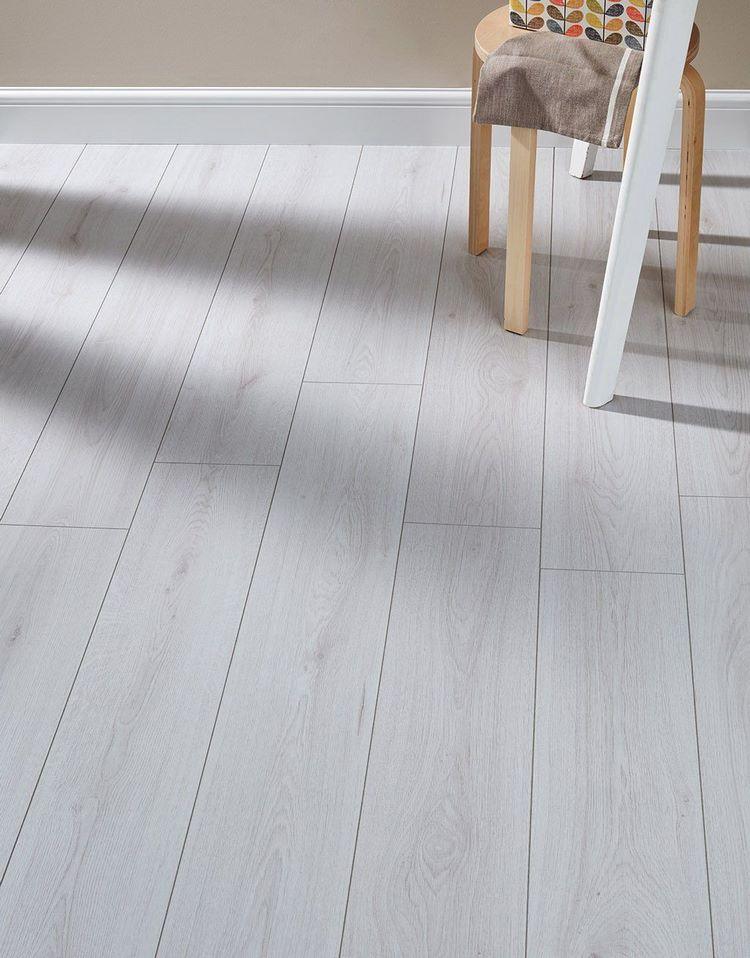
The yellowing concern proved largely unfounded with quality laminate. Some cheaper products can develop a yellow tint over time, especially in sunny areas. I chose UV-resistant laminate with a protective top layer that prevents discoloration. After eighteen months with significant sun exposure in my living room, I see no yellowing whatsoever. The color remains consistently bright and fresh looking. Quality makes all the difference here.
Showing scratches worried me initially, but the textured finish hides minor surface scratches remarkably well. The embossed grain pattern disguises small imperfections that would be glaringly obvious on smooth, dark floors. I do have one deeper scratch from moving a metal shelf carelessly, and yes, it shows because it’s darker than the surrounding white. However, that’s my fault for not protecting the floor properly during the move, not a flaw with white laminate itself.
The cold, clinical look never materialized thanks to my careful shade selection. The warm undertones and wood grain pattern prevent any sterile hospital feeling. My space feels bright and welcoming, not cold or institutional. Strategic lighting helps tremendously too. Warm-toned bulbs in my fixtures create a cozy ambiance that complements the white floors perfectly. Natural light bounces beautifully off the light surface, reducing my need for artificial lighting during the day and lowering energy costs.

Does white laminate show every footprint and smudge?
Not as much as you’d think. Bare footprints barely show at all on my textured white laminate. Wet footprints dry quickly and disappear. Dust shows less than on dark floors. Pet paw prints can be visible if muddy, but they wipe away easily. The textured surface hides much more than smooth, glossy options would. Daily quick sweeping keeps things looking pristine.
How does white laminate hold up with kids and pets?
Surprisingly well in my experience. My nephew’s toy cars and my friend’s dogs haven’t damaged the durable AC4-rated surface. Spills wipe up easily before staining occurs. The scratch-resistant top layer handles normal family life admirably. I recommend felt pads on furniture and keeping pet nails trimmed. With reasonable care, white laminate is definitely family-friendly and practical.

Is white laminate hard to keep clean?
It’s actually easier than my previous dark floors. Light dust is invisible, and I can instantly see any dirt or spills that need attention. Quick daily sweeping and weekly damp mopping keep everything looking great. The white doesn’t require special products, just regular laminate cleaner. I spend less time cleaning these than my old carpet required.
Will white laminate make small rooms look bigger?
Absolutely, and this was one of my main goals. The light color reflects natural and artificial light, making spaces feel more open and airy. My 12×14 living room feels noticeably larger now. The continuous white surface creates visual flow between rooms, eliminating the choppy feeling different colored floors can create. It’s like adding square footage without construction.
Can I install white laminate over existing floors?
Sometimes, but it depends on what’s underneath. I installed over concrete after proper preparation. You can install over vinyl or old laminate if they’re smooth and level. Carpet must be removed completely. The key is having a flat, stable surface. Consult installation guidelines for your specific product, as requirements vary by manufacturer and thickness.
Does white laminate look cheap or fake?
Quality white laminate looks remarkably authentic, especially embossed varieties with realistic wood grain. Mine fools most visitors who assume it’s painted hardwood. Cheap laminate does look fake regardless of color. Invest in better quality with realistic textures and patterns. The price difference is modest but the appearance difference is substantial. Quality white laminate looks elegant and sophisticated.
Related Posts: