When I decided to renovate my home three years ago, I wanted flooring that balanced sustainability, durability, and aesthetic appeal. Bamboo flooring kept appearing in my research, promising all three qualities. I’ll be honest, I was initially skeptical about whether it would look too trendy or feel out of place in my traditional home.
After installing bamboo throughout my main living areas and bedrooms, I’ve discovered it’s one of the most versatile design elements I could have chosen. The natural warmth and unique character of bamboo has completely transformed my interior spaces in ways I never anticipated. Let me share how I’ve incorporated bamboo flooring into various design styles and what I’ve learned about making it work beautifully.
Selecting Bamboo Colors and Finishes for Different Design Styles
Natural bamboo’s light honey tones became the foundation of my coastal-inspired living room. The pale color reflects natural light beautifully, making the space feel airy and open. I paired it with white shiplap walls, navy accents, and natural fiber textures. The bamboo’s organic warmth prevents the white and blue palette from feeling cold or sterile. This lighter bamboo works perfectly in spaces where you want brightness and a relaxed, beachy atmosphere.
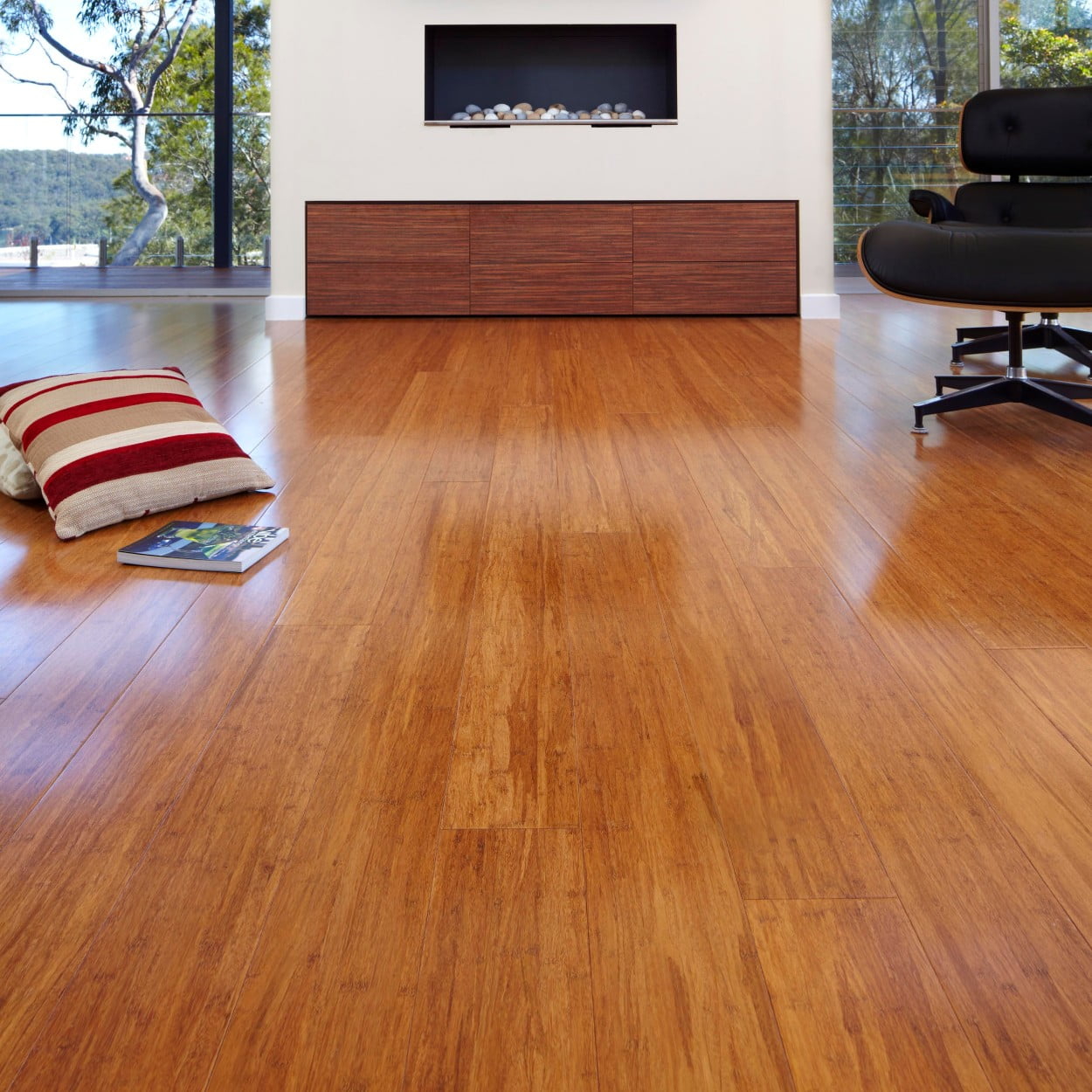
For my home office, I chose carbonized bamboo with its rich caramel and amber tones. The carbonization process darkens bamboo through heat treatment, creating depth and sophistication. This darker option anchors my traditional furniture beautifully and adds gravitas appropriate for a workspace.
The warm brown tones complement my leather chair and wooden bookshelves perfectly. Carbonized bamboo brings elegance to formal spaces without the heaviness of dark hardwoods.
I experimented with strand-woven bamboo in a tiger stripe pattern for my powder room. This dramatic option features contrasting light and dark streaks that create bold visual interest in a small space. The varied coloration adds character without overwhelming the compact room.
Strand-woven bamboo is incredibly dense and durable, making it perfect for high-traffic areas. The unique grain patterns ensure no two planks look identical, giving spaces authentic, one-of-a-kind character that can’t be replicated.
Incorporating Bamboo into Modern and Contemporary Interiors
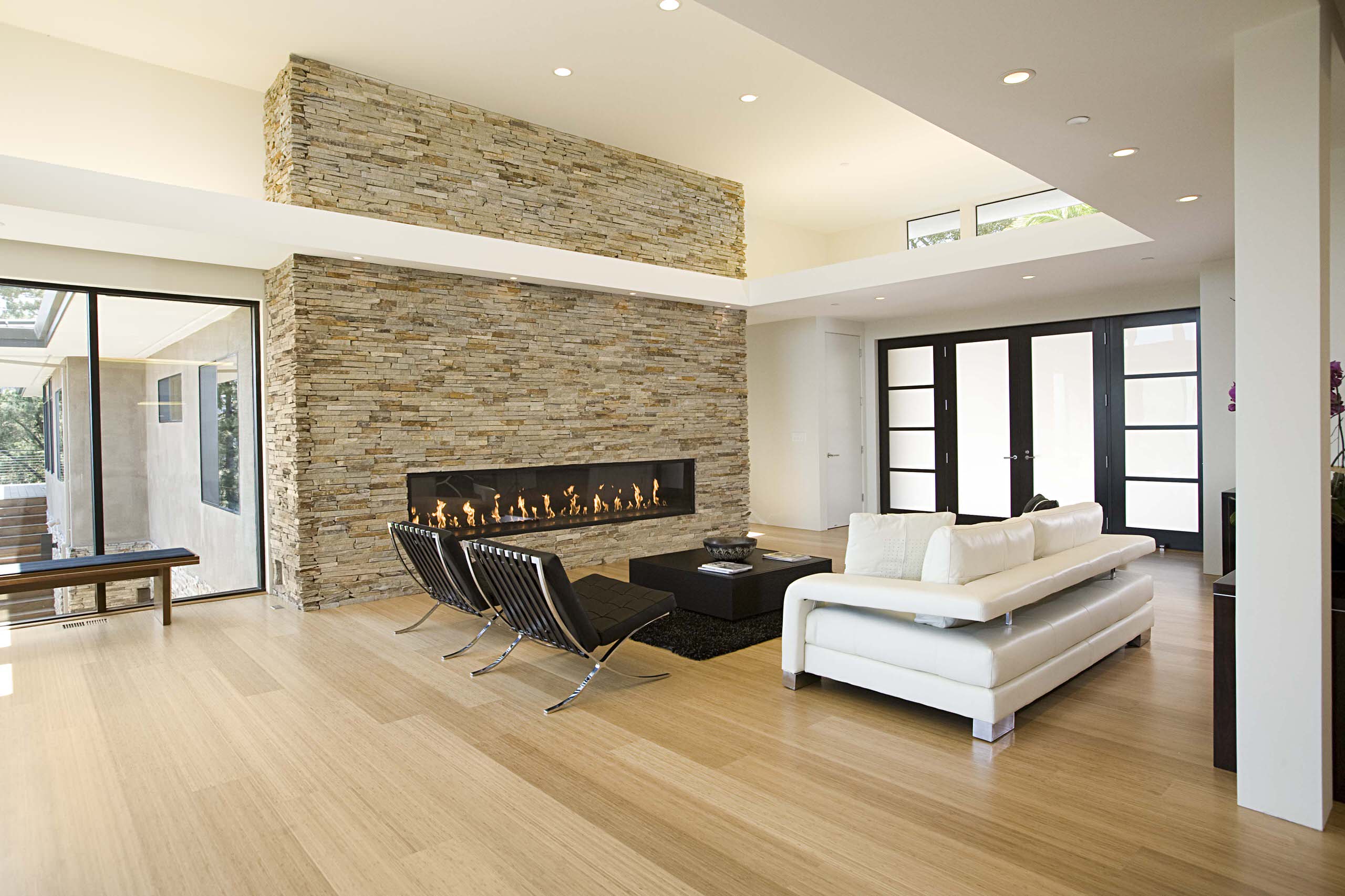
My kitchen renovation embraced modern minimalism with horizontal grain bamboo flooring. The linear grain pattern creates subtle texture that complements clean-lined cabinetry and sleek appliances. I chose a matte finish that absorbs rather than reflects light, maintaining the understated aesthetic modern design requires. The bamboo’s natural material adds necessary warmth to the space’s stainless steel and white surfaces, preventing that cold, industrial feeling some modern kitchens can have.
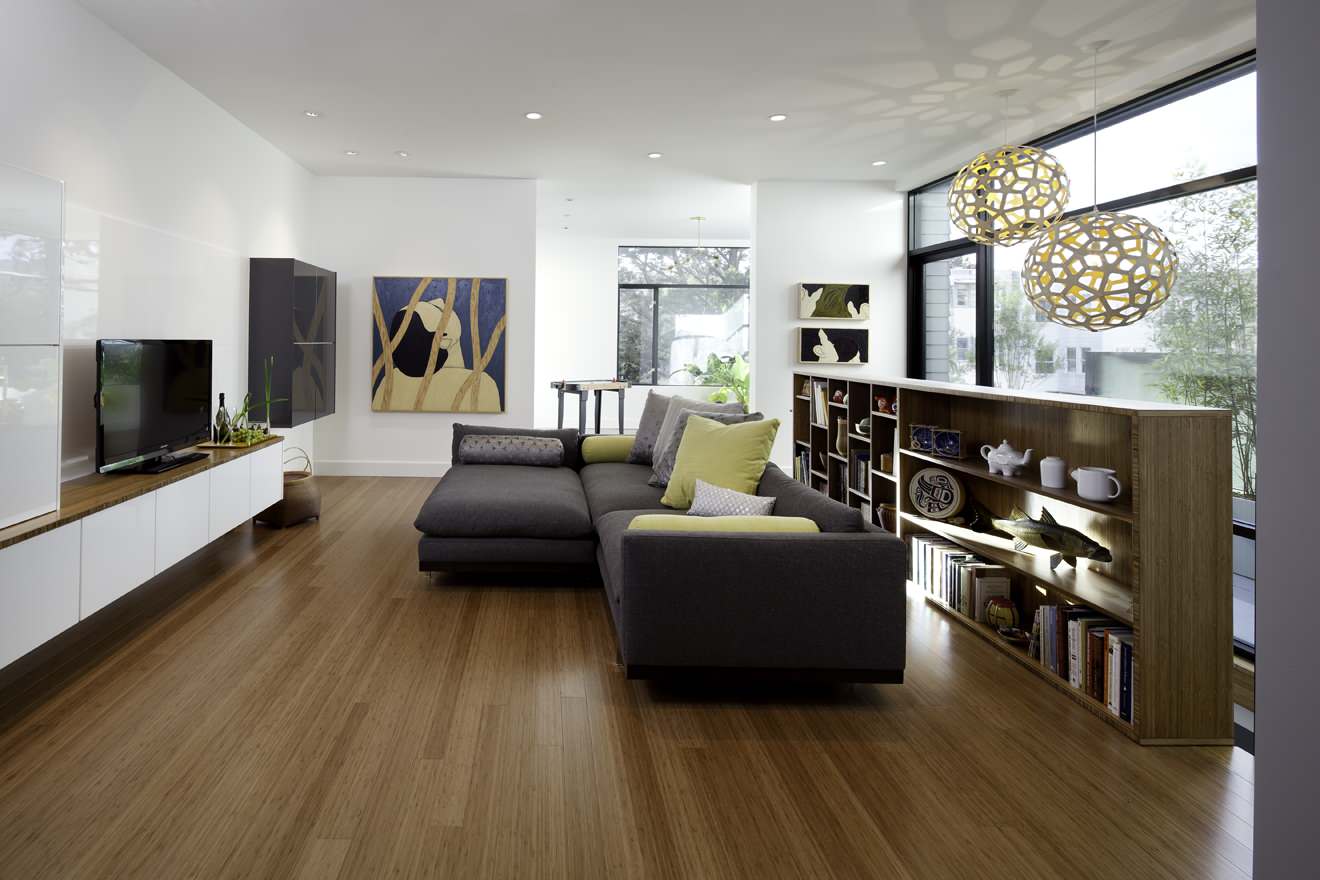
Wide-plank bamboo in my open-concept main floor creates visual flow and spaciousness. I selected seven-inch-wide planks instead of standard three-inch boards. These wider planks have fewer seams, making rooms feel larger and more cohesive. The continuous grain pattern draws the eye through the space, enhancing the open layout. This contemporary approach to bamboo installation elevates it from traditional flooring to a significant design statement that anchors the entire floor plan.
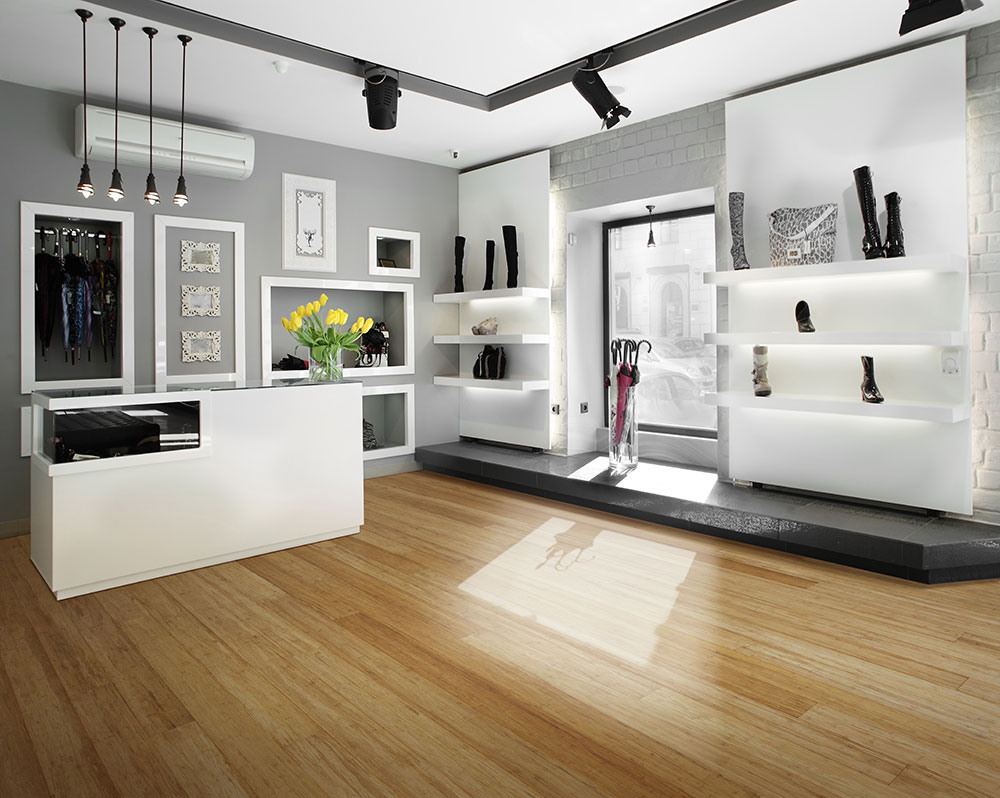
I installed bamboo with a wire-brushed finish in my dining area for added texture and dimension. The brushing process removes softer wood fibers, leaving harder grain lines slightly raised. This creates subtle shadows and depth that change with lighting throughout the day. The texture also provides better traction and hides minor scratches better than smooth finishes. For contemporary spaces that risk feeling flat or one-dimensional, textured bamboo adds layers of visual and tactile interest.
Creating Warmth in Traditional and Transitional Spaces
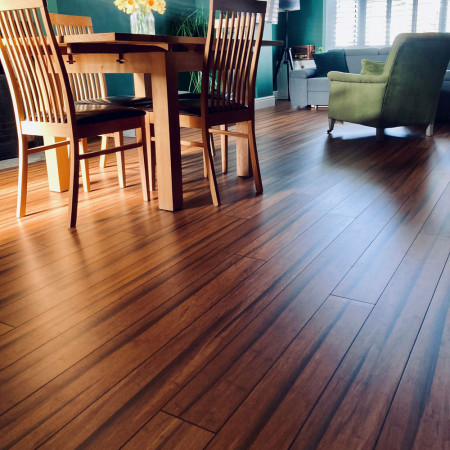
My master bedroom features bamboo that perfectly complements traditional design elements. I chose a medium-toned bamboo with a subtle hand-scraped finish that mimics the character of antique hardwood. This finish adds dimension and authenticity, making the bamboo feel like it’s been part of the house for decades. The slight irregularities in the surface catch light beautifully and create the patina that traditional design celebrates.
Crown molding and baseboards in a coordinating wood tone tie the bamboo floors into my traditional bedroom furniture. I had my trim painter custom-mix a stain that bridges between the bamboo’s natural color and my cherry dresser. This attention to color harmony makes all the wood elements feel intentional and cohesive. Traditional design thrives on these careful relationships between materials, and bamboo’s warm tones make these connections easy to achieve.
Area rugs became essential layering elements that enhance rather than hide my bamboo floors. I use a large Persian-style rug that grounds my bed and nightstands while letting the bamboo show around the room’s perimeter. This layering approach is classic in traditional design, adding color and pattern while showcasing the beautiful flooring underneath. The rug’s warm reds and golds pull out the amber undertones in my carbonized bamboo, creating a rich, cohesive color story.
Designing with Bamboo in Scandinavian and Minimalist Styles
Natural bamboo’s pale tones perfectly suit Scandinavian design principles in my guest bedroom. The light flooring creates the bright, airy foundation that Scandi style requires. I paired it with white walls, minimal furniture in light woods, and simple linen textiles. The bamboo provides organic warmth that prevents minimalism from feeling stark or unwelcoming. Its subtle grain adds just enough visual interest without cluttering the serene aesthetic.
I chose bamboo with a matte, unsealed finish for my meditation space to embrace natural materials authentically. This finish feels smooth and warm underfoot, encouraging the barefoot connection to natural materials that both minimalist and wellness-focused design celebrate. The unsealed surface requires more maintenance, but the authentic tactile experience aligns perfectly with the room’s purpose. I oil it monthly with a natural bamboo conditioner, which has become part of my mindfulness practice.
Negative space became a design element I could finally appreciate with bamboo flooring. In my minimalist entry hall, I kept furniture sparse and let the beautiful bamboo be the star. The continuous floor surface uninterrupted by excessive furniture or rugs creates calm and order. Bamboo’s natural beauty is substantial enough to stand alone without feeling empty or incomplete. This restraint lets the material’s inherent qualities shine, which is exactly what minimalist design aims to achieve.
Using Bamboo to Bridge Indoor and Outdoor Living Areas
My sunroom transformation relied on bamboo to create seamless transition between interior and exterior spaces. I extended the same bamboo flooring from my living room into the sunroom, visually expanding both areas. The natural material feels appropriate for a space filled with plants and natural light. Bamboo’s organic character bridges the gap between indoor refinement and outdoor casualness, making the sunroom feel like a true extension of both realms.
I chose bamboo for my mudroom specifically because it handles the transition zone’s demands beautifully. This high-traffic area between my garage and kitchen experiences weather exposure, dirty shoes, and pet paws constantly. Strand-woven bamboo’s exceptional durability handles this abuse while maintaining aesthetic consistency with my home’s interior. The practical performance and natural appearance make it perfect for these transitional spaces that need to be both tough and attractive.
Large glass doors connecting my dining room to the patio create visual continuity that bamboo flooring enhances. The warm wood tones inside echo the natural deck materials outside, though I used appropriate products for each environment. Standing inside, the bamboo floor appears to flow naturally toward the outdoor space. This design trick makes both areas feel larger and creates the indoor-outdoor living experience so desirable in modern homes. Bamboo’s natural character makes these connections feel organic rather than forced.
Combining Bamboo with Other Materials and Textures
Stone tile in my entryway transitions to bamboo in the main living areas through a thoughtful threshold detail. I worked with my installer to create a clean, architectural transition using a metal transition strip in brushed nickel. This small detail creates intentional contrast between materials rather than an awkward meeting point. The cool gray stone and warm bamboo complement each other beautifully, each material serving its appropriate function while contributing to the overall design narrative.
Concrete countertops in my kitchen create striking contrast against the bamboo floors. The industrial edge of polished concrete balances the organic warmth of bamboo perfectly. This high-low material combination feels current and interesting, preventing the kitchen from being too rustic or too modern. I’ve learned that bamboo plays well with unexpected materials, creating dynamic spaces that have personality and depth rather than predictable, catalog-perfect rooms.
I incorporated bamboo flooring with exposed brick walls in my renovated basement. Initially, this seemed like a risky combination, mixing rustic industrial elements with natural materials. The result exceeded my expectations. The bamboo’s clean lines and smooth surface provide refined contrast to the brick’s rough texture. Both materials share organic, natural origins that create harmony despite their different characters. This combination proves bamboo’s versatility, it adapts to diverse design contexts while maintaining its inherent beauty and integrity.
Does bamboo flooring work with any design style?
In my experience, yes. I’ve successfully incorporated bamboo into coastal, traditional, modern, and Scandinavian spaces. The key is choosing the right bamboo color and finish for your specific style. Natural bamboo suits light, airy designs while carbonized works for traditional spaces. The material’s versatility surprised me, it adapts rather than dictates style.
How do I choose between natural and carbonized bamboo?
I based my decision on existing elements and desired mood. Natural bamboo brightens spaces and pairs well with light furniture and walls. Carbonized bamboo adds richness and works with darker, more formal furnishings. Consider your lighting too, darker bamboo can make poorly-lit rooms feel heavy. Test samples in your actual space before committing.

Can bamboo flooring make small rooms look bigger?
Absolutely. My small powder room feels larger with light bamboo flooring. Light colors reflect light and create spaciousness. I also used wide planks with fewer seams, which makes spaces feel more expansive. Running planks lengthwise in a room’s longest direction visually extends the space, a trick that works beautifully with bamboo.
Does bamboo work with underfloor heating?
Yes, but with considerations. I installed engineered bamboo over radiant heat in my bathroom successfully. Solid bamboo can warp with temperature changes, so engineered is better for heated floors. I followed manufacturer guidelines strictly regarding temperature limits. My bamboo and radiant heating coexist beautifully, providing warmth without compromising the floor’s integrity.

How does bamboo flooring affect room acoustics?
Bamboo creates different acoustics than carpet, more echo and foot-traffic noise. I addressed this with area rugs in conversational spaces and felt furniture pads. My home office has better acoustics than my living room because of strategic rug placement. The harder surface does reflect sound, something to consider for music rooms or home theaters.
Can I mix bamboo flooring with hardwood in different rooms?
I don’t recommend it. The different materials create visual disruption and can cheapen both. I chose bamboo throughout my main floor for consistency. If you must transition, do it at natural break points like hallways or doorways with clear thresholds. Consistency in flooring material creates flow and makes homes feel more cohesive and intentional.
Related Posts: