Pebble epoxy flooring in the bathroom is gaining popularity as a durable and aesthetically pleasing option for homeowners looking to revamp their bathroom spaces. This innovative flooring solution combines the strength and resilience of epoxy resin with the natural beauty of pebbles or stones. The result is a seamless and waterproof surface that not only enhances the overall aesthetic appeal of the bathroom but also provides exceptional durability and longevity.
Images about Pebble Epoxy Flooring Bathroom
Pebble Epoxy Flooring Bathroom
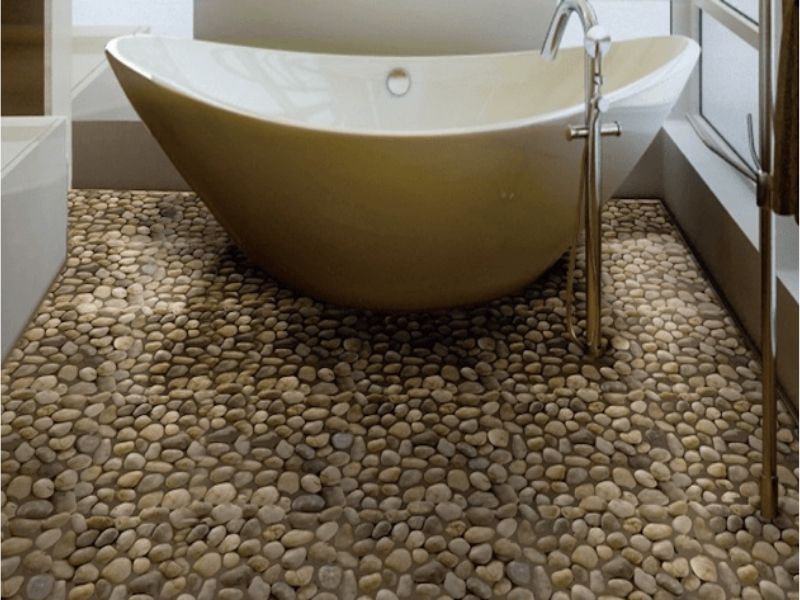
One of the key advantages of pebble epoxy flooring in the bathroom is its waterproof nature. Unlike traditional flooring materials like tiles or wood, pebble epoxy flooring creates a completely impermeable surface, making it ideal for wet environments such as bathrooms. This feature not only prevents water damage but also makes cleaning and maintenance a breeze. Additionally, the texture of the pebbles provides a non-slip surface, enhancing safety in the bathroom, especially in high-traffic areas like showers or around the bathtub.
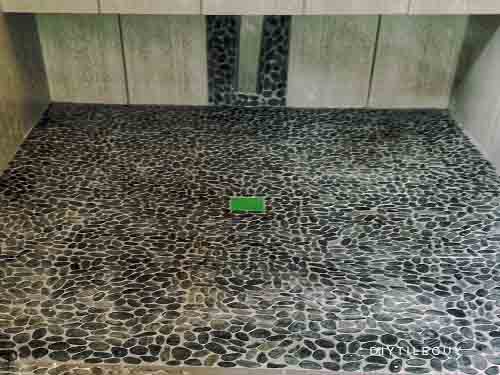
Miserable Pebble Tile Flooring DIYTileGuy
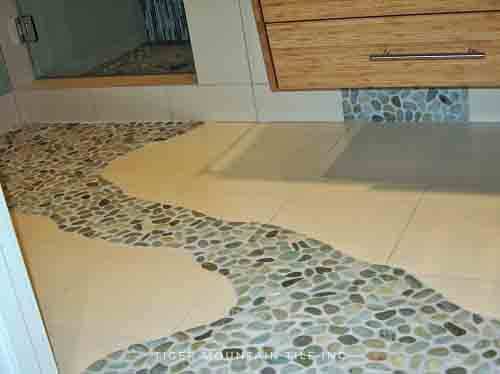
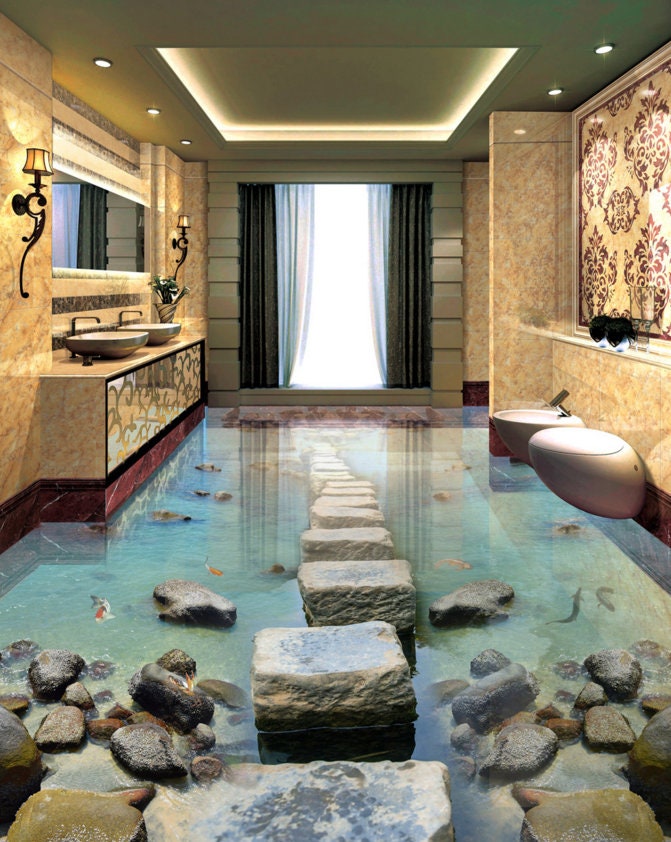
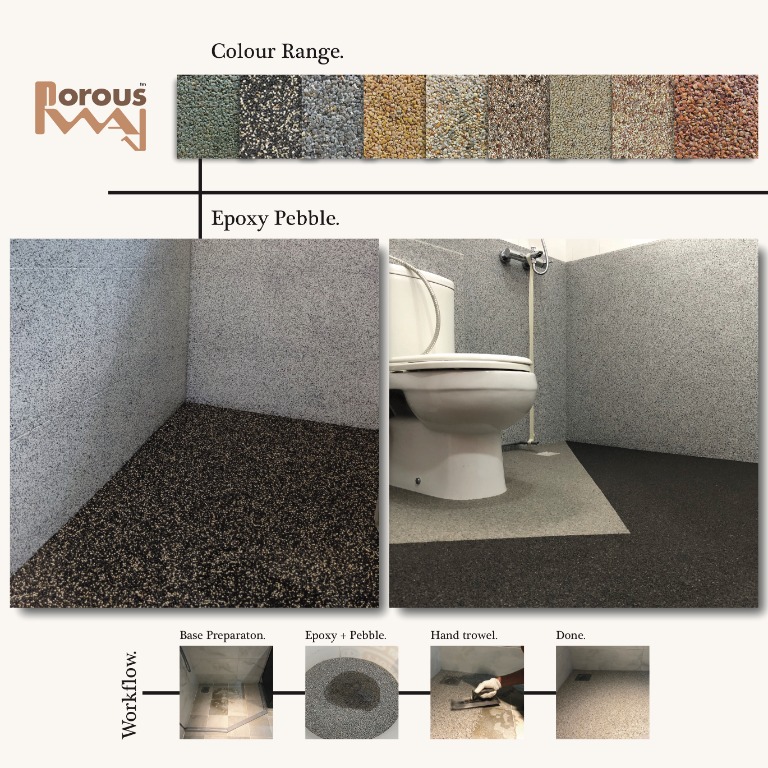
Another compelling aspect of pebble epoxy flooring is its versatility in design. Homeowners can choose from a wide range of pebble colors, sizes, and patterns to create a personalized look that complements their bathroom decor. Whether you prefer a soothing, spa-like atmosphere with soft, neutral pebbles or want to add a pop of color with vibrant stones, the design possibilities are virtually endless. Moreover, the epoxy resin can be tinted to match or contrast with the chosen pebbles, allowing for even more customization. In summary, pebble epoxy flooring in the bathroom combines practicality, aesthetics, and durability, making it an excellent choice for modern bathroom renovations.
Miserable Pebble Tile Flooring DIYTileGuy
7 Pebble Shower Floor Pros, Cons [River Rock Problems] – High Shower
Condo Toilet (Shower Area Only): Pebble Floor (With Waterproofing)
DIY Epoxy Stone Flooring » Everlast® Editorial
Pebble Floor in New Shower Pebble floor, Pebble shower floor
Pebble Epoxy Flooring Bathroom: A Comprehensive Guide
If you’re looking for a unique and stylish way to spruce up your bathroom, pebble epoxy flooring is an excellent option. This type of flooring has become increasingly popular in recent years due to its attractive and durable nature. Pebble epoxy flooring can be used in bathrooms, showers, and even outdoor areas. The natural beauty of this type of flooring is what makes it so popular – it adds a touch of elegance and sophistication to any room. In this guide, we’ll cover everything you need to know about pebble epoxy flooring for your bathroom, including the benefits, installation process, cost, and more.
What is Pebble Epoxy Flooring?
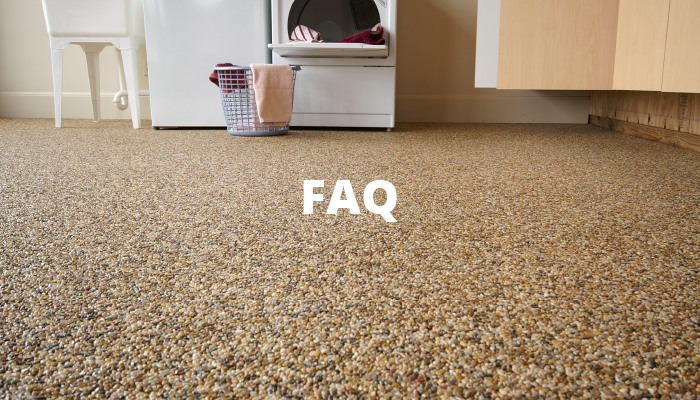
Pebble epoxy flooring is a type of flooring that consists of small stones or pebbles embedded in a clear epoxy resin. The stones can be made from various materials such as marble, quartz, granite, or even glass. This type of flooring has become increasingly popular due to its unique look and durability. It’s also an excellent option for wet areas such as bathrooms and showers because it won’t slip or get damaged by water.
Benefits of Pebble Epoxy Flooring in the Bathroom
Pebble epoxy flooring offers a variety of benefits for use in the bathroom. These include:
Durability: One of the main advantages of pebble epoxy flooring is its durability. This type of flooring is highly resistant to scratches and stains, making it an ideal choice for high-traffic areas such as bathrooms. Additionally, the epoxy resin helps to protect the underlying stones from damage from water or humidity.
Attractive: Another great benefit of pebble epoxy flooring is its attractive look. The natural beauty of the stones lends a luxurious and elegant feel to any room. Additionally, there are a variety of colors and styles available to suit any taste and décor.
Easy Maintenance: Pebble epoxy floors are also incredibly easy to clean and maintain. All that’s needed is a damp mop or cloth and some mild soap or detergent to keep them looking like new.
Installation Process for Pebble Epoxy Flooring
Installing pebble epoxy flooring in your bathroom is relatively easy and can be done by most DIYers with some basic tools. Here is a step-by-step guide to help you get started:
1. Prepare the surface: Before you begin, you should make sure that the surface you’re working on is clean and level. If there are any cracks or gaps in the surface, they should be filled with an appropriate filler before you start laying the pebble epoxy.
2. Mix the epoxy: Once the surface is prepped, you’ll need to mix the two-part epoxy according to the manufacturer’s instructions. This should be done in a well-ventilated area away from any open flames or sparks.
3. Apply the epoxy: Once the epoxy is mixed, you can begin applying it to the surface using a brush or roller. Make sure to cover all areas evenly and let it dry for at least 24 hours before continuing with the next step.
4. Add the stones: Once the epoxy has dried completely, you can begin adding the stones one at a time. Make sure that each stone is firmly pressed into place before moving on to the next one until all areas are covered. Allow the epoxy to dry completely before walking on it or using it in any way.
5. Seal: Once all the stones have been added and allowed to dry completely, you can seal them with a clear sealant to help protect them from dirt and water damage.
6. Enjoy: Finally, all that’s left to do is enjoy your new pebble epoxy floor!
Costs Associated with Pebble Epoxy Flooring
The cost of pebble epoxy flooring will depend on several factors such
We use cookies on our website to give you the most relevant experience by remembering your preferences and repeat visits. By clicking “Accept All”, you consent to the use of ALL the cookies. However, you may visit "Cookie Settings" to provide a controlled consent.
This website uses cookies to improve your experience while you navigate through the website. Out of these, the cookies that are categorized as necessary are stored on your browser as they are essential for the working of basic functionalities of the website. We also use third-party cookies that help us analyze and understand how you use this website. These cookies will be stored in your browser only with your consent. You also have the option to opt-out of these cookies. But opting out of some of these cookies may affect your browsing experience.
Necessary cookies are absolutely essential for the website to function properly. These cookies ensure basic functionalities and security features of the website, anonymously.
Cookie
Duration
Description
cookielawinfo-checkbox-analytics
11 months
This cookie is set by GDPR Cookie Consent plugin. The cookie is used to store the user consent for the cookies in the category "Analytics".
cookielawinfo-checkbox-functional
11 months
The cookie is set by GDPR cookie consent to record the user consent for the cookies in the category "Functional".
cookielawinfo-checkbox-necessary
11 months
This cookie is set by GDPR Cookie Consent plugin. The cookies is used to store the user consent for the cookies in the category "Necessary".
cookielawinfo-checkbox-others
11 months
This cookie is set by GDPR Cookie Consent plugin. The cookie is used to store the user consent for the cookies in the category "Other.
cookielawinfo-checkbox-performance
11 months
This cookie is set by GDPR Cookie Consent plugin. The cookie is used to store the user consent for the cookies in the category "Performance".
viewed_cookie_policy
11 months
The cookie is set by the GDPR Cookie Consent plugin and is used to store whether or not user has consented to the use of cookies. It does not store any personal data.
Functional cookies help to perform certain functionalities like sharing the content of the website on social media platforms, collect feedbacks, and other third-party features.
Performance cookies are used to understand and analyze the key performance indexes of the website which helps in delivering a better user experience for the visitors.
Analytical cookies are used to understand how visitors interact with the website. These cookies help provide information on metrics the number of visitors, bounce rate, traffic source, etc.
Advertisement cookies are used to provide visitors with relevant ads and marketing campaigns. These cookies track visitors across websites and collect information to provide customized ads.
 One of the key advantages of pebble epoxy flooring in the bathroom is its waterproof nature. Unlike traditional flooring materials like tiles or wood, pebble epoxy flooring creates a completely impermeable surface, making it ideal for wet environments such as bathrooms. This feature not only prevents water damage but also makes cleaning and maintenance a breeze. Additionally, the texture of the pebbles provides a non-slip surface, enhancing safety in the bathroom, especially in high-traffic areas like showers or around the bathtub.
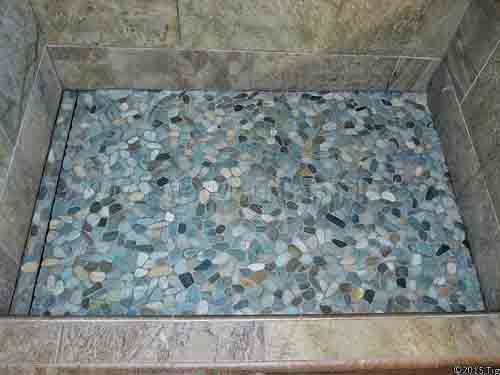 Another compelling aspect of pebble epoxy flooring is its versatility in design. Homeowners can choose from a wide range of pebble colors, sizes, and patterns to create a personalized look that complements their bathroom decor. Whether you prefer a soothing, spa-like atmosphere with soft, neutral pebbles or want to add a pop of color with vibrant stones, the design possibilities are virtually endless. Moreover, the epoxy resin can be tinted to match or contrast with the chosen pebbles, allowing for even more customization. In summary, pebble epoxy flooring in the bathroom combines practicality, aesthetics, and durability, making it an excellent choice for modern bathroom renovations.





 Related Posts:
Pebble Epoxy Flooring Bathroom: A Comprehensive Guide
If you’re looking for a unique and stylish way to spruce up your bathroom, pebble epoxy flooring is an excellent option. This type of flooring has become increasingly popular in recent years due to its attractive and durable nature. Pebble epoxy flooring can be used in bathrooms, showers, and even outdoor areas. The natural beauty of this type of flooring is what makes it so popular – it adds a touch of elegance and sophistication to any room. In this guide, we’ll cover everything you need to know about pebble epoxy flooring for your bathroom, including the benefits, installation process, cost, and more.
What is Pebble Epoxy Flooring?
Pebble epoxy flooring is a type of flooring that consists of small stones or pebbles embedded in a clear epoxy resin. The stones can be made from various materials such as marble, quartz, granite, or even glass. This type of flooring has become increasingly popular due to its unique look and durability. It’s also an excellent option for wet areas such as bathrooms and showers because it won’t slip or get damaged by water.
Benefits of Pebble Epoxy Flooring in the Bathroom
Pebble epoxy flooring offers a variety of benefits for use in the bathroom. These include:
Durability: One of the main advantages of pebble epoxy flooring is its durability. This type of flooring is highly resistant to scratches and stains, making it an ideal choice for high-traffic areas such as bathrooms. Additionally, the epoxy resin helps to protect the underlying stones from damage from water or humidity.
Attractive: Another great benefit of pebble epoxy flooring is its attractive look. The natural beauty of the stones lends a luxurious and elegant feel to any room. Additionally, there are a variety of colors and styles available to suit any taste and décor.
Easy Maintenance: Pebble epoxy floors are also incredibly easy to clean and maintain. All that’s needed is a damp mop or cloth and some mild soap or detergent to keep them looking like new.
Installation Process for Pebble Epoxy Flooring
Installing pebble epoxy flooring in your bathroom is relatively easy and can be done by most DIYers with some basic tools. Here is a step-by-step guide to help you get started:
1. Prepare the surface: Before you begin, you should make sure that the surface you’re working on is clean and level. If there are any cracks or gaps in the surface, they should be filled with an appropriate filler before you start laying the pebble epoxy.
2. Mix the epoxy: Once the surface is prepped, you’ll need to mix the two-part epoxy according to the manufacturer’s instructions. This should be done in a well-ventilated area away from any open flames or sparks.
3. Apply the epoxy: Once the epoxy is mixed, you can begin applying it to the surface using a brush or roller. Make sure to cover all areas evenly and let it dry for at least 24 hours before continuing with the next step.
4. Add the stones: Once the epoxy has dried completely, you can begin adding the stones one at a time. Make sure that each stone is firmly pressed into place before moving on to the next one until all areas are covered. Allow the epoxy to dry completely before walking on it or using it in any way.
5. Seal: Once all the stones have been added and allowed to dry completely, you can seal them with a clear sealant to help protect them from dirt and water damage.
6. Enjoy: Finally, all that’s left to do is enjoy your new pebble epoxy floor!
Costs Associated with Pebble Epoxy Flooring
The cost of pebble epoxy flooring will depend on several factors such
Related Posts:
Pebble Epoxy Flooring Bathroom: A Comprehensive Guide
If you’re looking for a unique and stylish way to spruce up your bathroom, pebble epoxy flooring is an excellent option. This type of flooring has become increasingly popular in recent years due to its attractive and durable nature. Pebble epoxy flooring can be used in bathrooms, showers, and even outdoor areas. The natural beauty of this type of flooring is what makes it so popular – it adds a touch of elegance and sophistication to any room. In this guide, we’ll cover everything you need to know about pebble epoxy flooring for your bathroom, including the benefits, installation process, cost, and more.
What is Pebble Epoxy Flooring?
Pebble epoxy flooring is a type of flooring that consists of small stones or pebbles embedded in a clear epoxy resin. The stones can be made from various materials such as marble, quartz, granite, or even glass. This type of flooring has become increasingly popular due to its unique look and durability. It’s also an excellent option for wet areas such as bathrooms and showers because it won’t slip or get damaged by water.
Benefits of Pebble Epoxy Flooring in the Bathroom
Pebble epoxy flooring offers a variety of benefits for use in the bathroom. These include:
Durability: One of the main advantages of pebble epoxy flooring is its durability. This type of flooring is highly resistant to scratches and stains, making it an ideal choice for high-traffic areas such as bathrooms. Additionally, the epoxy resin helps to protect the underlying stones from damage from water or humidity.
Attractive: Another great benefit of pebble epoxy flooring is its attractive look. The natural beauty of the stones lends a luxurious and elegant feel to any room. Additionally, there are a variety of colors and styles available to suit any taste and décor.
Easy Maintenance: Pebble epoxy floors are also incredibly easy to clean and maintain. All that’s needed is a damp mop or cloth and some mild soap or detergent to keep them looking like new.
Installation Process for Pebble Epoxy Flooring
Installing pebble epoxy flooring in your bathroom is relatively easy and can be done by most DIYers with some basic tools. Here is a step-by-step guide to help you get started:
1. Prepare the surface: Before you begin, you should make sure that the surface you’re working on is clean and level. If there are any cracks or gaps in the surface, they should be filled with an appropriate filler before you start laying the pebble epoxy.
2. Mix the epoxy: Once the surface is prepped, you’ll need to mix the two-part epoxy according to the manufacturer’s instructions. This should be done in a well-ventilated area away from any open flames or sparks.
3. Apply the epoxy: Once the epoxy is mixed, you can begin applying it to the surface using a brush or roller. Make sure to cover all areas evenly and let it dry for at least 24 hours before continuing with the next step.
4. Add the stones: Once the epoxy has dried completely, you can begin adding the stones one at a time. Make sure that each stone is firmly pressed into place before moving on to the next one until all areas are covered. Allow the epoxy to dry completely before walking on it or using it in any way.
5. Seal: Once all the stones have been added and allowed to dry completely, you can seal them with a clear sealant to help protect them from dirt and water damage.
6. Enjoy: Finally, all that’s left to do is enjoy your new pebble epoxy floor!
Costs Associated with Pebble Epoxy Flooring
The cost of pebble epoxy flooring will depend on several factors such