When I started researching flooring options for a whole-home refresh, strand bamboo kept rising to the top of my list for reasons I hadn’t expected. I went in thinking it was just a trendy eco-friendly alternative to hardwood, something that looked good on paper but probably had real trade-offs in durability and appearance.
What I found was almost the opposite. Strand bamboo is one of the hardest flooring materials available for residential use, it looks genuinely beautiful in person, and it has held up to everything my busy household has thrown at it over the past two years. Here’s the full picture of what living with strand bamboo flooring is actually like.
What Makes Strand Bamboo Different From Regular Bamboo Flooring
When most people hear bamboo flooring, they picture something that looks light, soft, and maybe a little delicate. Strand bamboo is a fundamentally different product from traditional bamboo flooring, and understanding that difference was the first thing that changed my mind about taking it seriously as a long-term flooring choice for my home.
Traditional bamboo flooring is made by slicing bamboo stalks into strips and pressing them together horizontally or vertically. It looks natural and clean but tends to be softer and more prone to denting than most hardwoods.
Strand bamboo takes an entirely different approach, shredding bamboo fibers into strands, compressing them under extreme heat and pressure with adhesive, and creating a material that is denser and harder than almost anything else in the flooring category.
The Janka hardness rating tells the story clearly. Standard red oak, which is the benchmark most people use for hardwood floors, rates around 1,290 on the Janka scale. Strand bamboo typically rates between 3,000 and 5,000 depending on the manufacturer and process, which puts it in a completely different league in terms of resistance to denting, scratching, and surface wear. That hardness was what finally convinced me to stop treating it as a novelty and start treating it as a serious contender.
The Look of Strand Bamboo and How It Fits Different Design Styles
One of my concerns going into this decision was whether strand bamboo would look too unusual or too uniform to feel warm and natural in my home. I had seen some samples that looked almost synthetic in their consistency, and I wasn’t sure the material could deliver the visual character I was looking for. What I found when I started seeing full boards in person was genuinely reassuring.
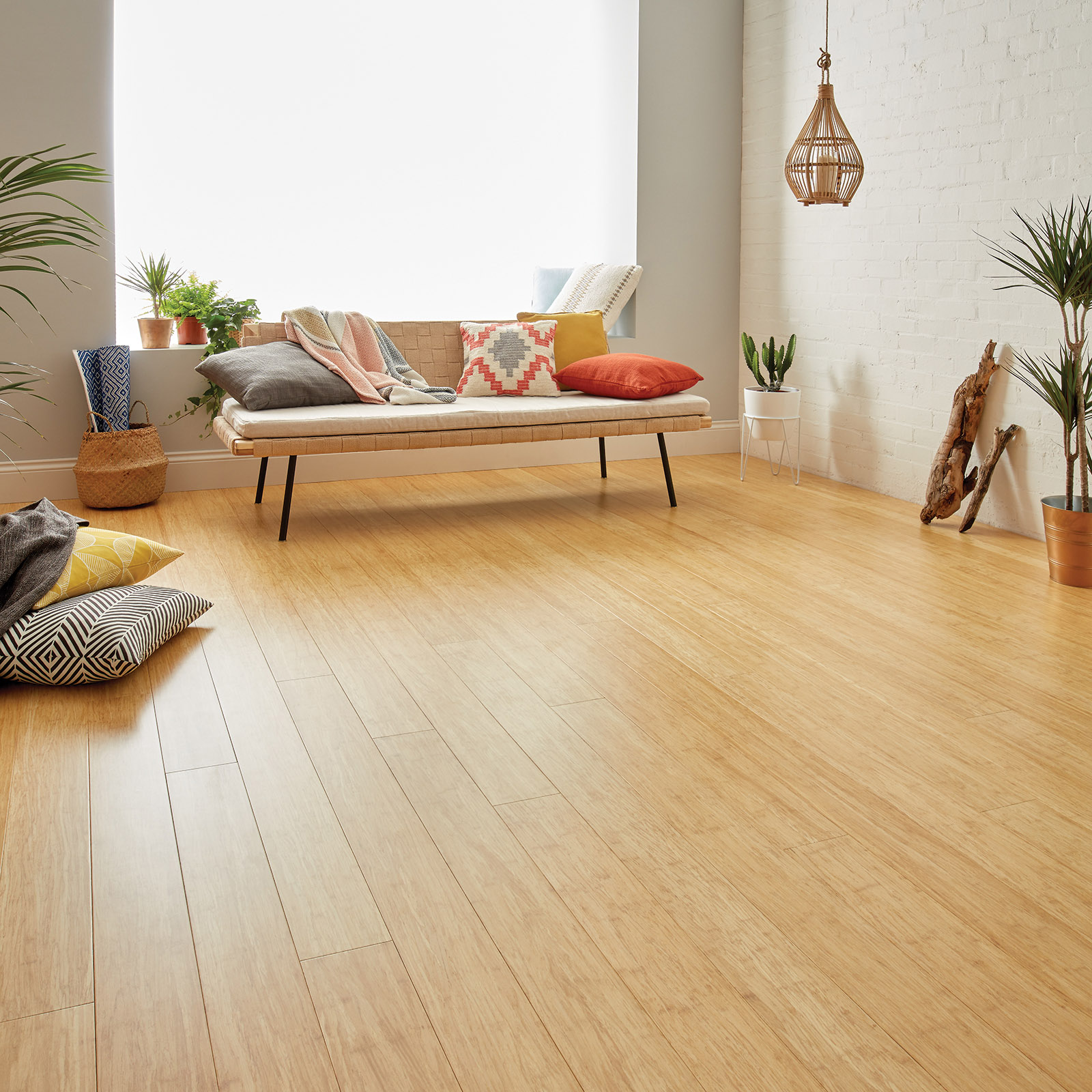
Strand bamboo has a grain pattern that is distinctly its own, more linear and fine than most hardwoods, with a subtle shimmer that comes from the compressed fiber structure. It doesn’t look exactly like oak or walnut, and once I stopped expecting it to, I started appreciating it for what it actually is. The grain has a quiet elegance that reads as natural and organic without trying to pretend to be something it isn’t.
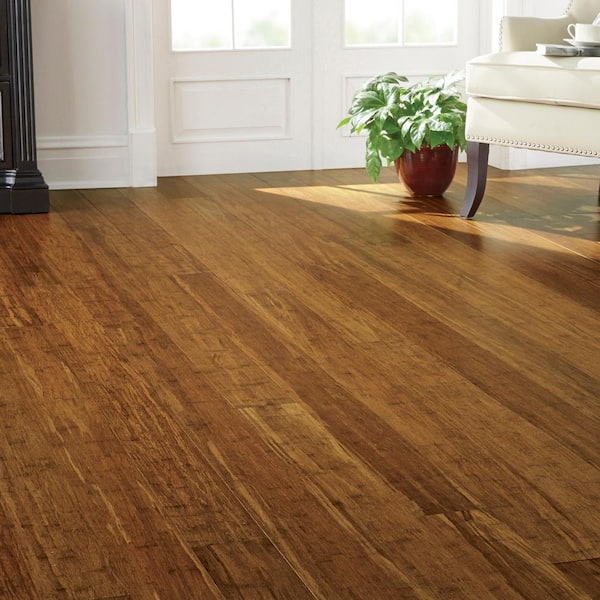
The color options available in strand bamboo are broader than most people realize. Natural strand bamboo has a warm golden tone that brightens a room beautifully. Carbonized strand bamboo goes through a heating process that deepens the color to a rich caramel or dark chocolate brown without staining. There are also hand-scraped and distressed options for a more rustic look, and stained versions that hit every shade between light ash and deep espresso. I went with a carbonized finish that gave my home a warm, sophisticated tone I find beautiful in every light condition throughout the day.

Choosing Between Solid and Engineered Strand Bamboo
Just like with hardwood, strand bamboo comes in solid and engineered versions, and choosing between them requires thinking carefully about where you’re installing and what conditions the floor will face day to day. I installed solid strand bamboo on my main floor and engineered strand bamboo in my basement, and both have performed exactly as I hoped they would in their respective environments.
Solid strand bamboo is milled as a full plank of compressed bamboo material throughout, giving it impressive thickness and the ability to be sanded and refinished multiple times over its lifetime. It’s the better choice for above-grade installations with stable humidity levels, and in my main living areas it has been rock solid in every sense of the word. No gapping, no movement, no surprises after two full seasonal cycles.
Engineered strand bamboo uses a strand bamboo veneer bonded to a plywood core, which makes it significantly more stable in environments where humidity fluctuates or where the floor is going over concrete. For my basement, where moisture is always a consideration regardless of how well the space is conditioned, engineered was the clear right choice. It gave me the same look and hardness on the surface without the risk of movement that solid bamboo would have faced in that environment.
The Installation Process and What I Wish I’d Known Earlier
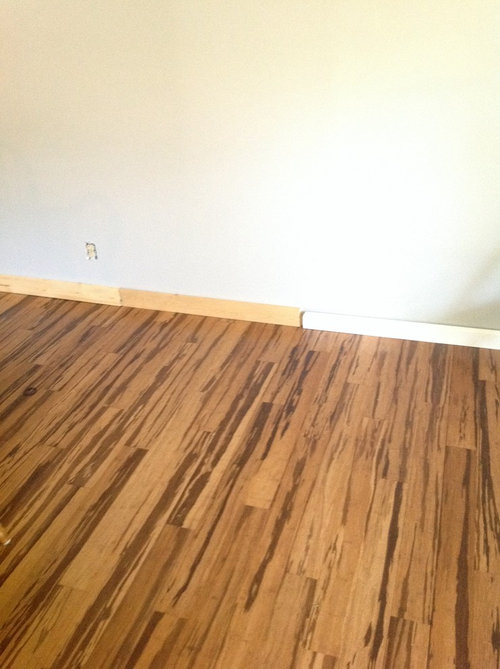
Installation was where I learned the most from this project, partly because I made a few mistakes early on that I had to course-correct and partly because the specific demands of strand bamboo are slightly different from what you’d encounter with a standard hardwood installation. The biggest thing I wish I had understood better going in was how seriously acclimation needs to be taken with this material.
Strand bamboo is incredibly dense, which is one of its strengths, but that density also means it responds to humidity changes in concentrated ways if it hasn’t had time to adjust to its environment before being installed. My installer required the planks to acclimate in my home for a full seven days before touching them, which felt like a long time when I was eager to see the finished result. But skipping or shortening that window is how you end up with floors that cup or gap after installation, and I understood quickly why the wait was non-negotiable.
I also learned that strand bamboo’s hardness makes it more demanding to cut than standard hardwood. Regular saw blades dull quickly on the compressed fiber material, and my installer used carbide-tipped blades specifically rated for dense materials to get clean cuts without chipping the edges. If you’re planning a DIY installation, this is something to research and prepare for in advance rather than discovering mid-project when you’re already committed and your saw is struggling.
How Strand Bamboo Holds Up to Real Life With Pets, Kids, and Heavy Use
I have two large dogs, a seven-year-old who treats the floors like an obstacle course, and a household that gets a lot of regular foot traffic from family and friends coming and going. I need floors that can genuinely take abuse without showing it, and strand bamboo has met that challenge better than any flooring I’ve lived with previously, including the oak hardwood in our last house.
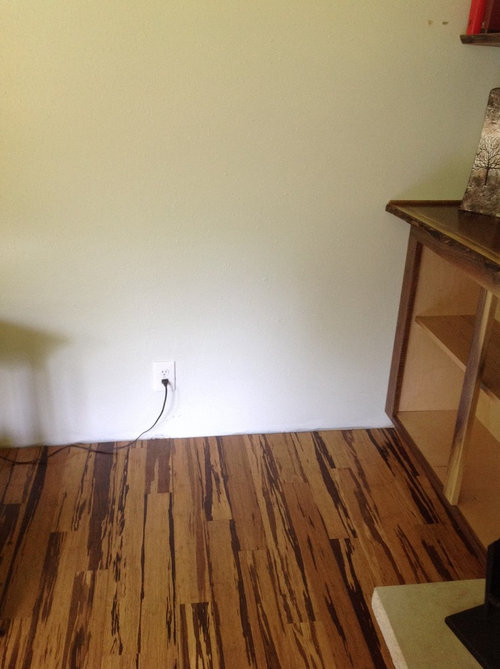
The hardness that makes strand bamboo so resistant to denting is immediately obvious when you live with it. Dropped pots, dragged furniture, and dog nails that would have left visible marks on our previous oak floors have left my strand bamboo essentially untouched. I’ve looked closely at the areas with the heaviest traffic after two years and the surface looks remarkably similar to how it looked on installation day, which genuinely impressed me given what this floor goes through on a weekly basis.
Scratch resistance is the quality I find myself appreciating most on a daily basis. My older dog has long nails that click across the floor constantly, and I keep waiting to see the kind of surface scratching I experienced on previous hardwood floors. It simply hasn’t materialized in any meaningful way. The density of the compressed fiber structure seems to shrug off what would mar a softer wood surface, and that peace of mind has made me enjoy my floors more rather than spending energy worrying about them.
Maintaining Strand Bamboo to Keep It Looking Its Best
Maintaining strand bamboo turned out to be simpler than I expected, which has been a genuine quality-of-life improvement compared to the more demanding care routine I followed with our previous hardwood floors. The basic principles are familiar to anyone who has had hardwood, but the execution feels easier because the material is so forgiving of normal daily life.
Sweeping or dust mopping every couple of days is the single most impactful maintenance habit I’ve built. Fine grit and debris tracked in from outside act as an abrasive on any floor surface, and staying ahead of that buildup protects the finish more effectively than any product or treatment I could apply. I use a microfiber dust mop that picks up pet hair and fine particles efficiently without any sprays or cleaners needed for the daily pass.
For wet cleaning, I use a pH-neutral hardwood floor cleaner on a well-wrung damp mop about once a week or whenever the floor looks like it needs a refresh. The key habits I’ve built are avoiding excess moisture and never using steam mops, which can force water into the joints and compromise the finish over time. I also apply a refresher coat of the same finish product used on my floor every couple of years, which takes an afternoon and makes a visible difference in how vibrant and protected the surface looks going into the next few years of use.

Is strand bamboo flooring really harder than hardwood?
Yes, significantly so. Strand bamboo typically rates between 3,000 and 5,000 on the Janka hardness scale, which is two to three times harder than red oak and harder than most exotic hardwoods. In my experience living with it alongside a previous oak floor, the difference in dent and scratch resistance is very real and very noticeable in a busy household with pets and kids.
How does strand bamboo handle moisture and humidity changes?
Solid strand bamboo handles normal household humidity well when properly acclimated before installation. It’s not waterproof and shouldn’t be used in full bathrooms or areas with standing water risk. Engineered strand bamboo is more stable in variable humidity environments like basements. I use engineered in my basement and solid on the main floor, and both have stayed perfectly stable through two full years of seasonal humidity changes.

How long will strand bamboo flooring last in a busy household?
With proper care, strand bamboo can last 25 years or more, and solid versions can be refinished to extend that lifespan further. My floor is two years in and shows virtually no wear despite heavy use. The key factors are acclimation before installation, a quality finish, and consistent maintenance habits. Buying from a reputable manufacturer with a strong warranty is also worth prioritizing when you’re making this kind of long-term investment.
Is strand bamboo flooring a good choice for homes with pets?
It’s one of the best options I’ve found for pet households. The hardness resists nail scratching far better than most hardwoods, and the dense surface doesn’t trap pet hair the way carpet does. Spills from water bowls need to be wiped up promptly since strand bamboo isn’t waterproof, but normal pet activity has had essentially no visible impact on my floor after two years of daily use with two large dogs.

How much does strand bamboo flooring cost compared to hardwood?
Strand bamboo generally costs less than comparable quality hardwood, which was a meaningful factor in my decision. Material costs vary by product tier and finish, but I found it to be competitively priced against mid-range oak or maple options while outperforming them in hardness and durability. Installation costs are similar to hardwood. Over the long term, the combination of lower material cost and high durability makes strand bamboo genuinely strong value.
Is strand bamboo an environmentally friendly flooring choice?
It has real environmental advantages over traditional hardwood. Bamboo is a grass that reaches harvest maturity in three to five years compared to decades for hardwood trees, and it regenerates from its root system without replanting. I looked for products with FSC certification and low VOC emissions to make sure the manufacturing process matched the sustainability of the raw material. Not every brand meets those standards, so checking certifications before buying is important if sustainability is a priority for you.

Related Posts: