When I first stepped into my friend’s Stockholm apartment, I was struck by the floors beneath my feet. The warm, natural wood appearance seemed almost too perfect, too pristine. Later, I discovered her secret: Scandinavian vinyl flooring. This revelation sparked my fascination with how Nordic countries have revolutionized synthetic flooring to capture their signature aesthetic while maintaining practicality for harsh winters and active lifestyles.
The Nordic Aesthetic Philosophy
My exploration of Scandinavian design principles taught me that every element serves dual purposes: it is both beautiful and functional. The minimalist approach isn’t just about clean lines; it’s about creating spaces that feel expansive despite compact living situations. I’ve noticed how Nordic designers prioritize natural light reflection, choosing flooring that amplifies brightness during those long, dark winter months when sunlight becomes precious.
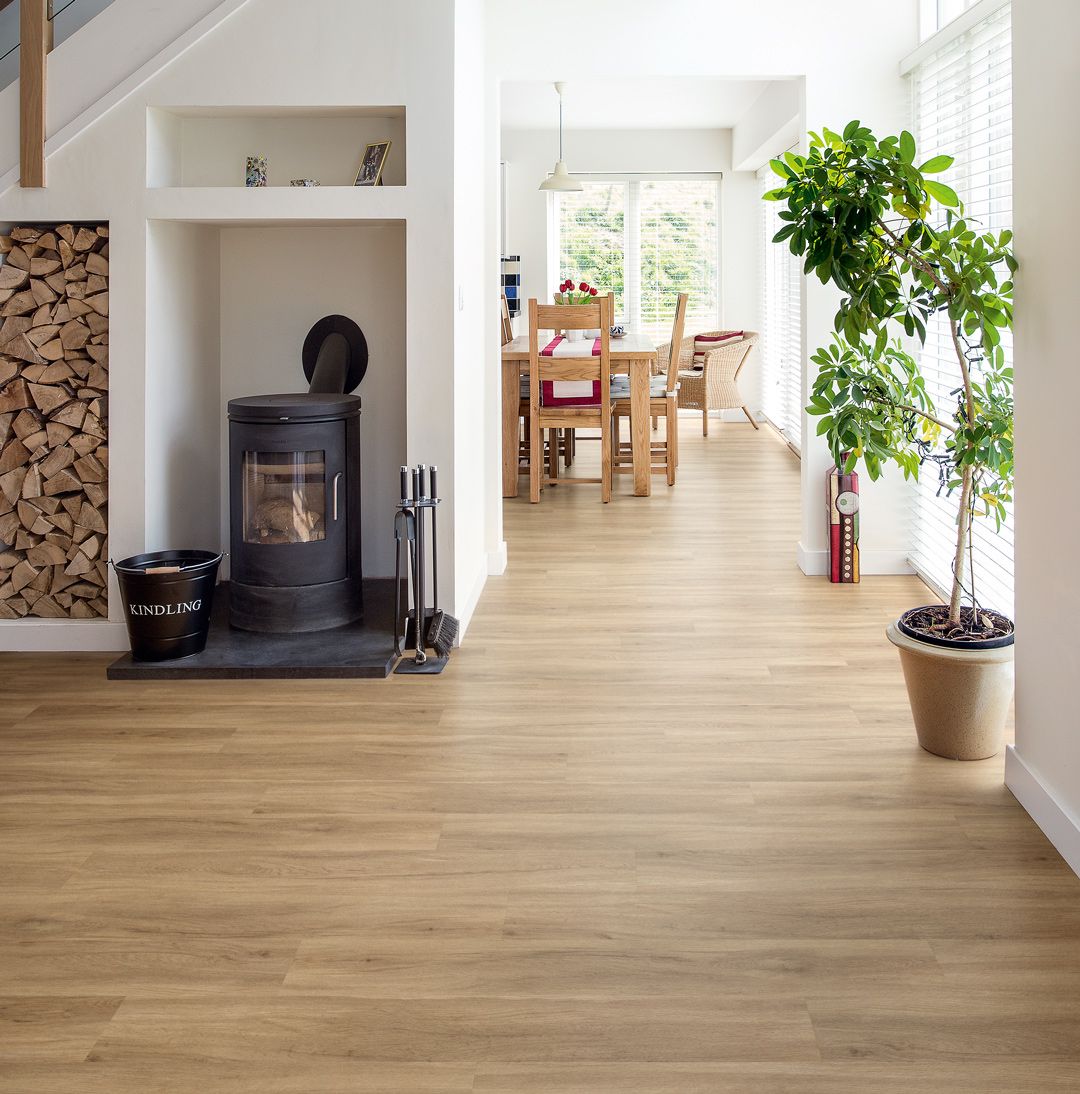
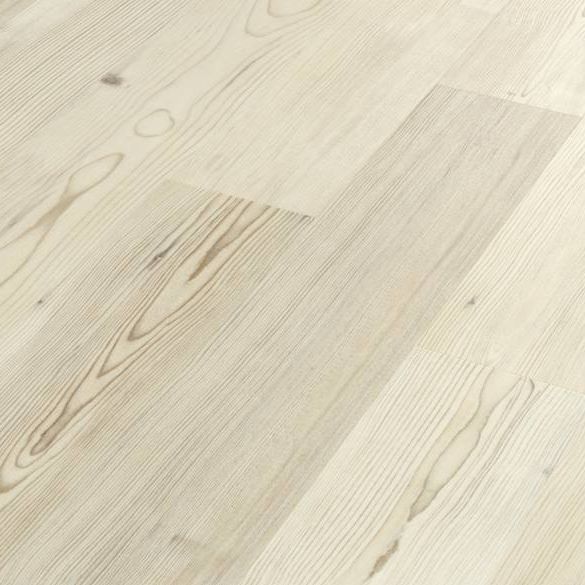
Walking through Copenhagen showrooms, I observed how Scandinavian vinyl captures the essence of blonde woods, weathered oak, and bleached pine. The textures aren’t merely printed, they’re embossed to recreate the tactile experience of real timber. This attention to detail reflects the Nordic commitment to authenticity, even in synthetic materials. I found myself running my hands across samples, amazed by their realistic feel.
The color palette consistently features soft whites, gentle grays, and warm beiges that mirror the natural Nordic landscape. I’ve learned that these choices aren’t arbitrary; they’re rooted in psychological comfort. During my visits to Finnish homes, I witnessed how these neutral tones create calming environments that counteract the stress of urban living and seasonal darkness.
Superior Durability Meets Harsh Climates
Living through a Swedish winter taught me why Scandinavian vinyl flooring prioritizes durability above all else. The constant temperature fluctuations, from heated interiors to sub-zero exteriors, demand materials that won’t crack, warp, or separate. I’ve watched families track snow, mud, and salt across their floors without worry, knowing their vinyl can handle whatever nature throws at them.
The wear layer technology in Nordic vinyl systems impressed me during my research. I learned that manufacturers test their products against extreme conditions, simulating years of heavy foot traffic, pet claws, and furniture movement. My neighbor’s vinyl floor still looks pristine after five years of hosting family gatherings, children’s parties, and daily life with two large dogs.
Moisture resistance became crucial when I witnessed spring thaws flooding basements throughout Norway. Traditional hardwood would buckle and rot, but quality Scandinavian vinyl maintains its integrity even when submerged. I’ve seen homeowners clean up water damage without replacing their floors, simply drying and continuing with their lives. This resilience makes vinyl an intelligent investment for unpredictable climates.

Installation Innovation and Accessibility
My first vinyl installation experience in Denmark revealed how user-friendly these systems have become. The click-lock technology eliminates the need for adhesives, nails, or professional installation. I watched my elderly aunt install her bathroom floor in a single afternoon, transforming her space without calling contractors. This accessibility democratizes home improvement across all age groups and skill levels.
The floating installation method I observed allows for natural expansion and contraction with temperature changes. I learned that this flexibility prevents the buckling issues common with traditional flooring materials. During my installation workshop in Oslo, the instructor emphasized how this system accommodates the significant temperature variations typical in Scandinavian homes.
Preparation requirements are minimal compared to other flooring options. I’ve seen vinyl installed over existing surfaces, concrete slabs, and even slightly uneven subfloors. The forgiving nature of these systems means homeowners can achieve professional results without extensive preparation work. This convenience factor has made vinyl increasingly popular among busy Nordic families seeking quick transformations.

Maintenance Simplicity for Modern Living
My experience maintaining Scandinavian vinyl floors has been refreshingly straightforward. Daily cleaning requires nothing more than sweeping or vacuuming to remove debris. I’ve found that microfiber mops with plain water handle most spills and stains effectively. The sealed surface prevents dirt from penetrating, unlike porous materials that absorb odors and stains permanently.
Deep cleaning becomes necessary only occasionally, typically involving pH-neutral cleaners designed specifically for vinyl surfaces. I learned to avoid harsh chemicals that might damage the protective wear layer. My cleaning routine takes less than fifteen minutes for my entire living space, freeing up time for other activities. This low-maintenance aspect appeals to busy professionals throughout Scandinavia.
The scratch resistance impressed me during my pet-owning years. Dog claws and cat scratches that would devastate hardwood barely register on quality vinyl surfaces. I’ve discovered that most surface marks can be buffed out with appropriate products. For deeper damage, individual planks can be replaced without disturbing the entire floor, making long-term maintenance both practical and economical.

Environmental Considerations and Sustainability
My research into Scandinavian vinyl manufacturing revealed surprising environmental initiatives. Many Nordic producers use recycled materials in their core layers, reducing waste while maintaining structural integrity. I visited a factory in Sweden where they’ve implemented closed-loop recycling systems, reprocessing production waste into new products. This circular approach aligns with Scandinavian environmental values.
The longevity of quality vinyl floors contributes to their environmental profile. I’ve calculated that my vinyl floor, lasting potentially 20-30 years, requires fewer replacements than shorter-lived alternatives. This durability reduces overall resource consumption and waste generation. Additionally, the manufacturing process typically requires less energy than producing natural hardwood or stone flooring alternatives.
Indoor air quality concerns led me to investigate emission standards for vinyl products. I learned that reputable Scandinavian manufacturers adhere to strict VOC (volatile organic compound) limits, ensuring healthy indoor environments. Many products carry certifications from independent testing organizations, providing transparency about their environmental impact. This commitment to health and sustainability reflects broader Nordic values about responsible consumption.
Cost-Effectiveness and Value Proposition
My analysis of flooring costs revealed that Scandinavian vinyl offers exceptional value over time. While initial purchase prices might seem higher than budget alternatives, the reduced maintenance costs, extended lifespan, and installation savings create significant long-term value. I’ve calculated that my vinyl floor costs less per year than cheaper options requiring frequent replacement or professional refinishing.
The installation savings alone justify the investment for many homeowners. I avoided contractor fees, timeline delays, and installation mess by choosing click-lock vinyl systems. My weekend project replaced what would have been a week-long professional installation with associated disruption and costs. This DIY-friendly approach appeals to the practical Nordic mindset of self-reliance.
Resale value considerations influenced my decision when preparing to sell my apartment. I learned that quality vinyl flooring appeals to modern buyers seeking low-maintenance, attractive surfaces. Real estate agents confirmed that updated vinyl floors contribute positively to property values, especially when they mimic expensive natural materials. This return on investment makes vinyl flooring a smart financial choice.
How long does Scandinavian vinyl flooring typically last compared to other flooring options?
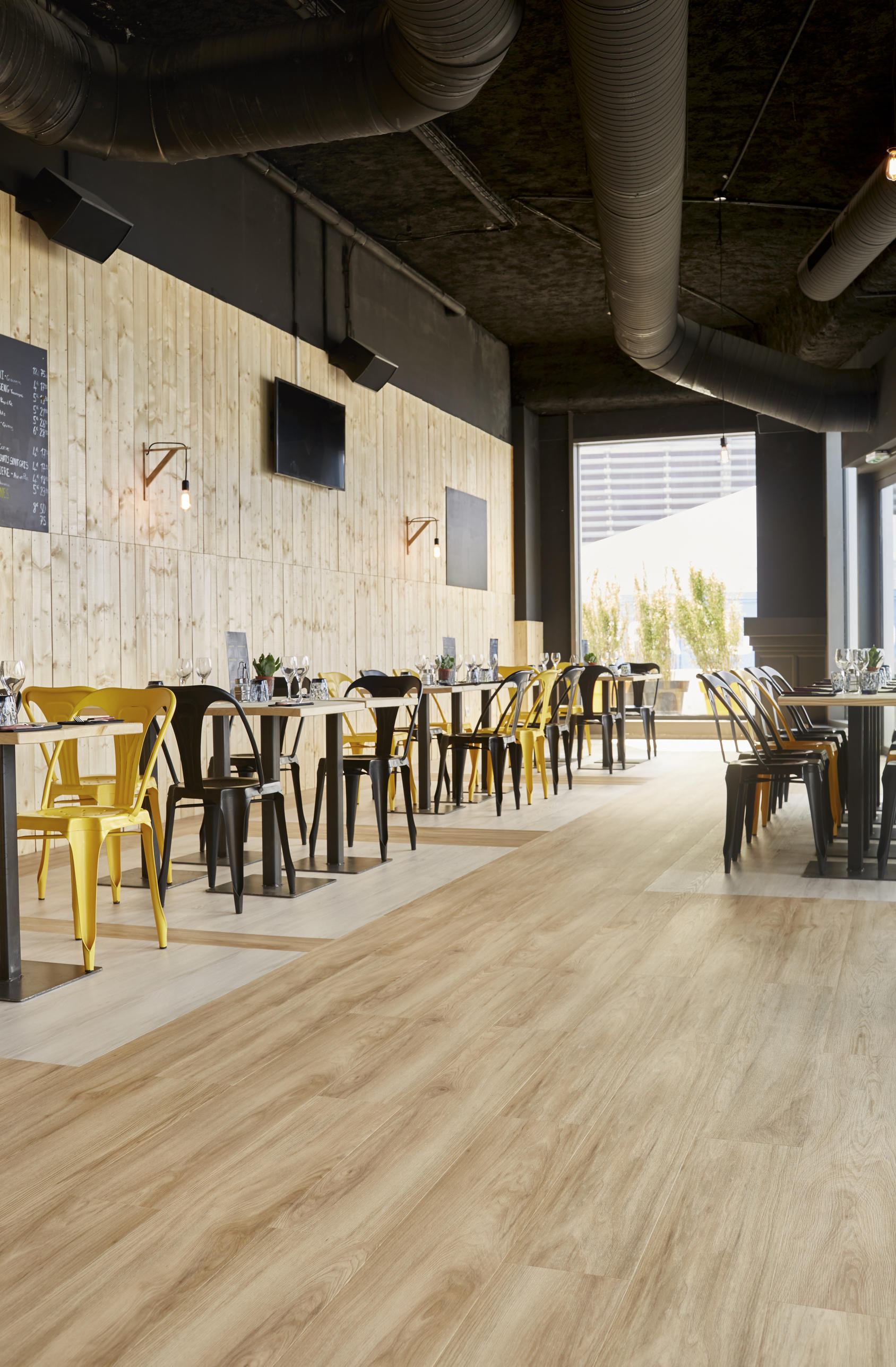
My experience with quality Scandinavian vinyl floors suggests they can last 20-30 years with proper care, significantly longer than cheaper alternatives. The superior wear layers used in Nordic products resist scratches, stains, and fading better than standard vinyl. I’ve observed floors in high-traffic commercial spaces maintaining their appearance after decades of use. This longevity compares favorably to hardwood, which requires refinishing every 10-15 years, making vinyl a more cost-effective long-term investment.
Can Scandinavian vinyl flooring be installed over existing floors, and what preparation is required?
I’ve successfully installed vinyl over various existing surfaces, including ceramic tile, laminate, and even low-pile carpet. The key requirement is ensuring the subfloor is clean, dry, and relatively level. Minor imperfections are acceptable due to the underlayment properties of quality vinyl. I learned that removing loose materials and filling major gaps is usually sufficient preparation. This versatility makes vinyl ideal for renovation projects where complete floor removal would be expensive and disruptive.
How does Scandinavian vinyl flooring perform in rooms with high humidity, such as bathrooms and kitchens?
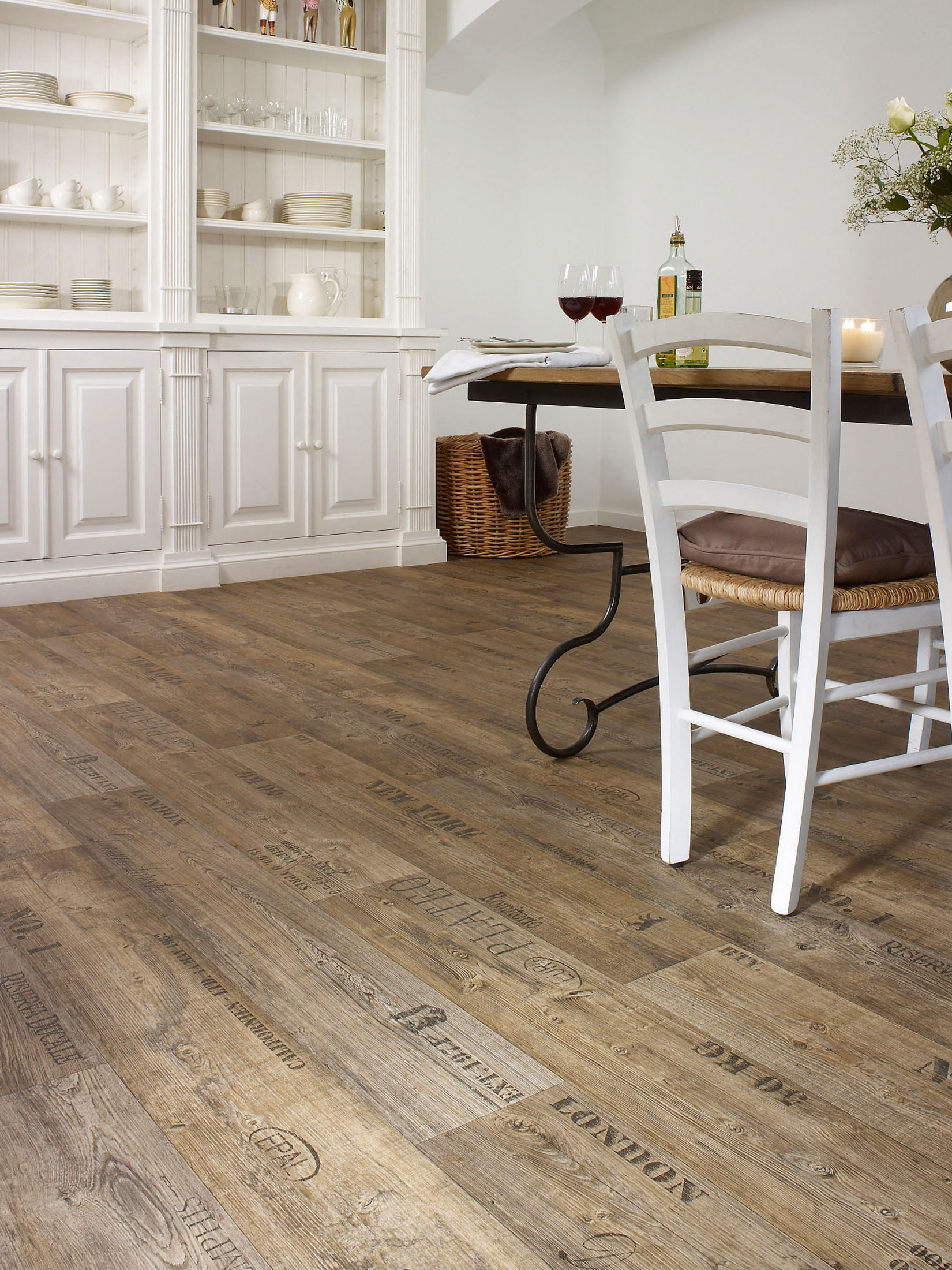
My experience installing vinyl in bathrooms and kitchens has been overwhelmingly positive. The waterproof core construction prevents moisture damage that would destroy hardwood or laminate floors. I’ve observed vinyl maintaining its stability and appearance even in steamy shower areas and around kitchen sinks. The sealed edges prevent water infiltration, making these areas easy to clean and maintain. This moisture resistance makes vinyl particularly suitable for Scandinavian climates with significant humidity variations.
What are the main differences between Scandinavian vinyl flooring and cheaper vinyl alternatives available in the market?
The quality differences I’ve observed are substantial. Scandinavian vinyl typically features thicker wear layers, more realistic textures, and superior locking mechanisms. The core materials are denser and more stable, preventing expansion and contraction issues. I’ve noticed that Nordic brands invest heavily in design authenticity, creating textures and patterns that closely mimic natural materials. The manufacturing standards are stricter, resulting in more consistent quality and better long-term performance than budget alternatives.
How environmentally friendly is Scandinavian vinyl flooring, and what certifications should I look for?
My research revealed that leading Scandinavian manufacturers prioritize environmental responsibility through recycled content, low-emission formulations, and sustainable production practices. I look for certifications like FloorScore, Greenguard, and CE marking when selecting products. Many Nordic vinyl floors contain 30-50% recycled materials while maintaining strict VOC limits for indoor air quality. The long lifespan and recyclability at end-of-life further improve the environmental profile compared to frequently replaced alternatives.
What maintenance routine do you recommend for keeping Scandinavian vinyl floors looking their best?
My daily maintenance routine involves sweeping or vacuuming to remove dirt and debris that could cause scratches. I use microfiber mops with plain water for regular cleaning, avoiding harsh chemicals that might damage the protective layer. Monthly deep cleaning with pH-neutral vinyl cleaners removes stubborn stains and maintains shine. I place mats at entrances to minimize dirt tracking and use furniture pads to prevent scratches. This simple routine keeps my floors looking new with minimal effort and expense.
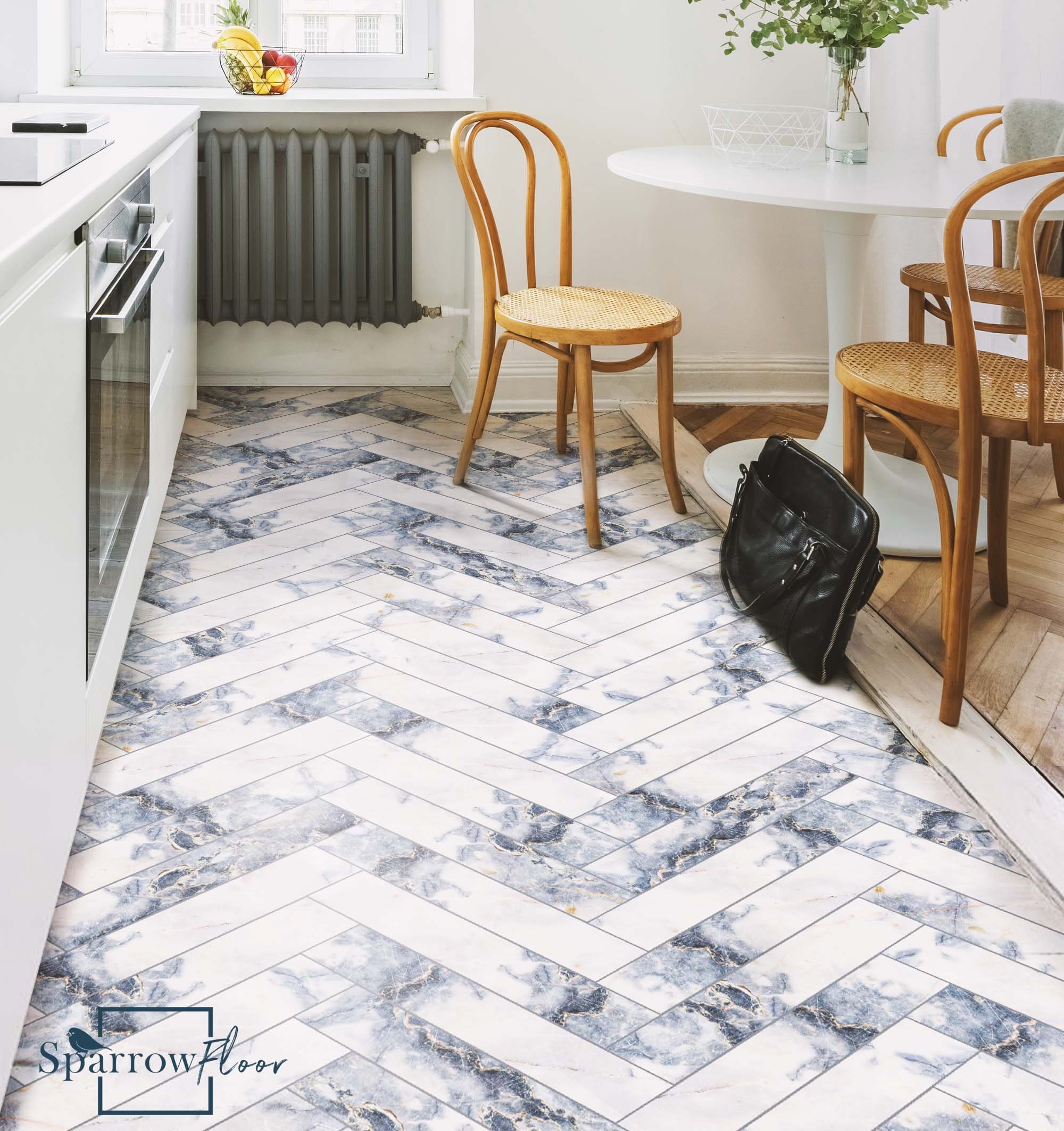
Cabin Vinyl PVC Flooring Scandinavian Vinyl Flooring Raw Etsy
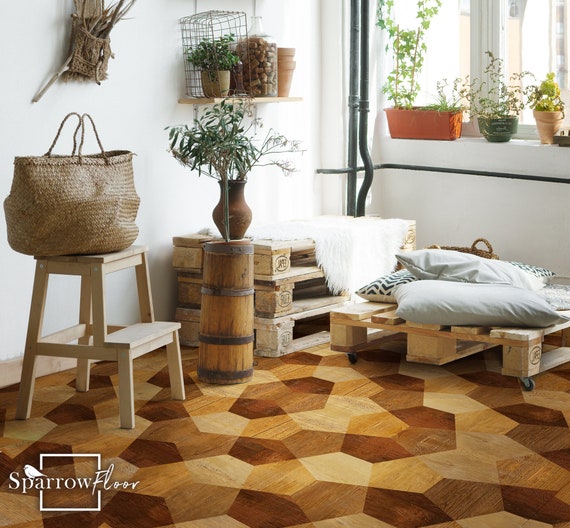
Scandinavian Oak LIGHT_BEIGE Starfloor Click Solid 55 u0026 55 Plus
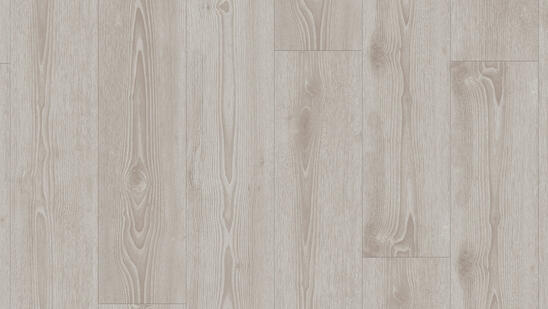
Scandinavian Oak Impervia® Flooring

Related Posts: