When I inherited my grandmother’s 1960s ranch house four years ago, I was determined to honor her memory while updating the outdated interiors for modern living. The original sheet vinyl in the kitchen and bathrooms was worn beyond repair, curling at the edges and stained from decades of family life. Initially, I planned to rip it all out and install trendy luxury vinyl planks, but a chance encounter with modern sheet vinyl samples at a flooring showroom completely changed my perspective. What I discovered was that today’s sheet vinyl bears little resemblance to the products of my grandmother’s era, offering incredible design options, enhanced durability, and installation advantages that made it the perfect choice for my renovation goals and budget constraints.
Discovering Modern Sheet Vinyl Technology
My first surprise came when I realized how dramatically sheet vinyl technology has evolved since my grandmother’s era. The samples I examined at the showroom featured incredibly realistic textures and patterns that rivaled much more expensive flooring materials. Unlike the thin, artificial vinyl of the past, today’s sheet vinyl incorporates multiple layers, including wear layers, design films, and cushioning backings that create depth and authenticity I never expected from this material type.
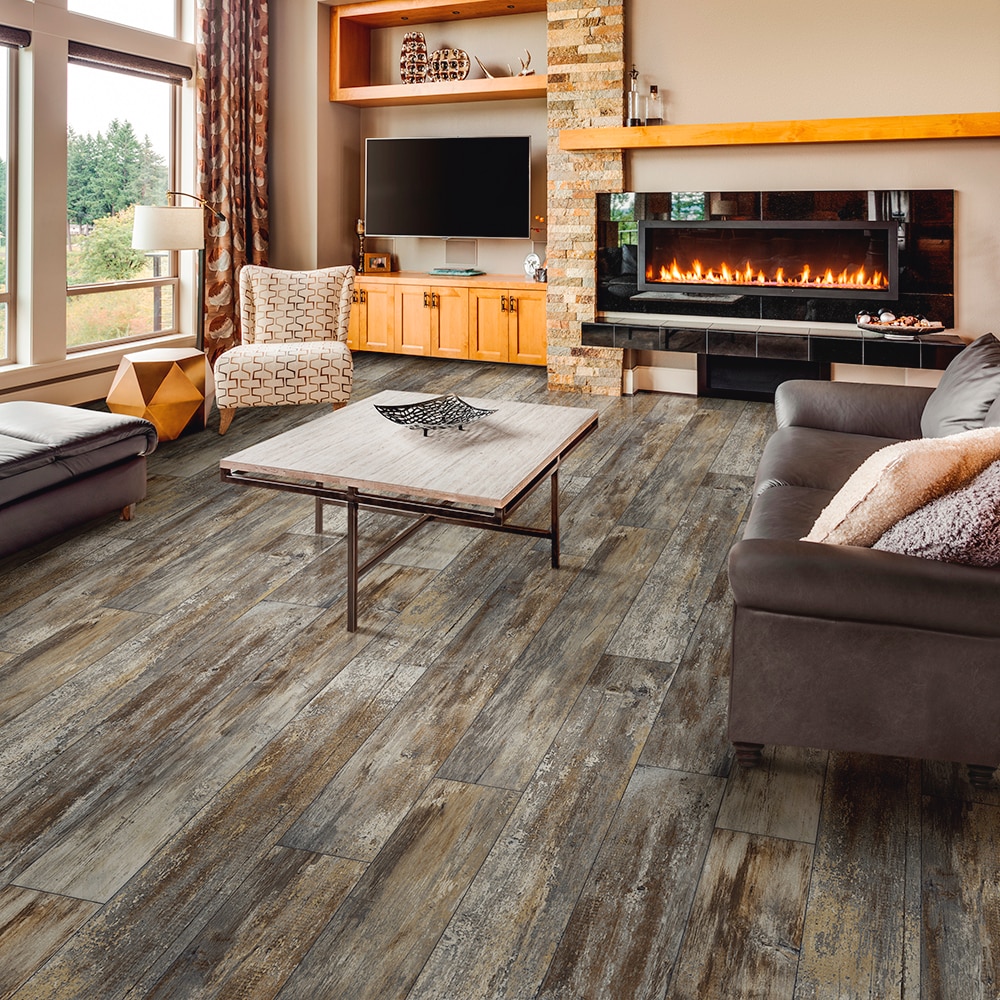
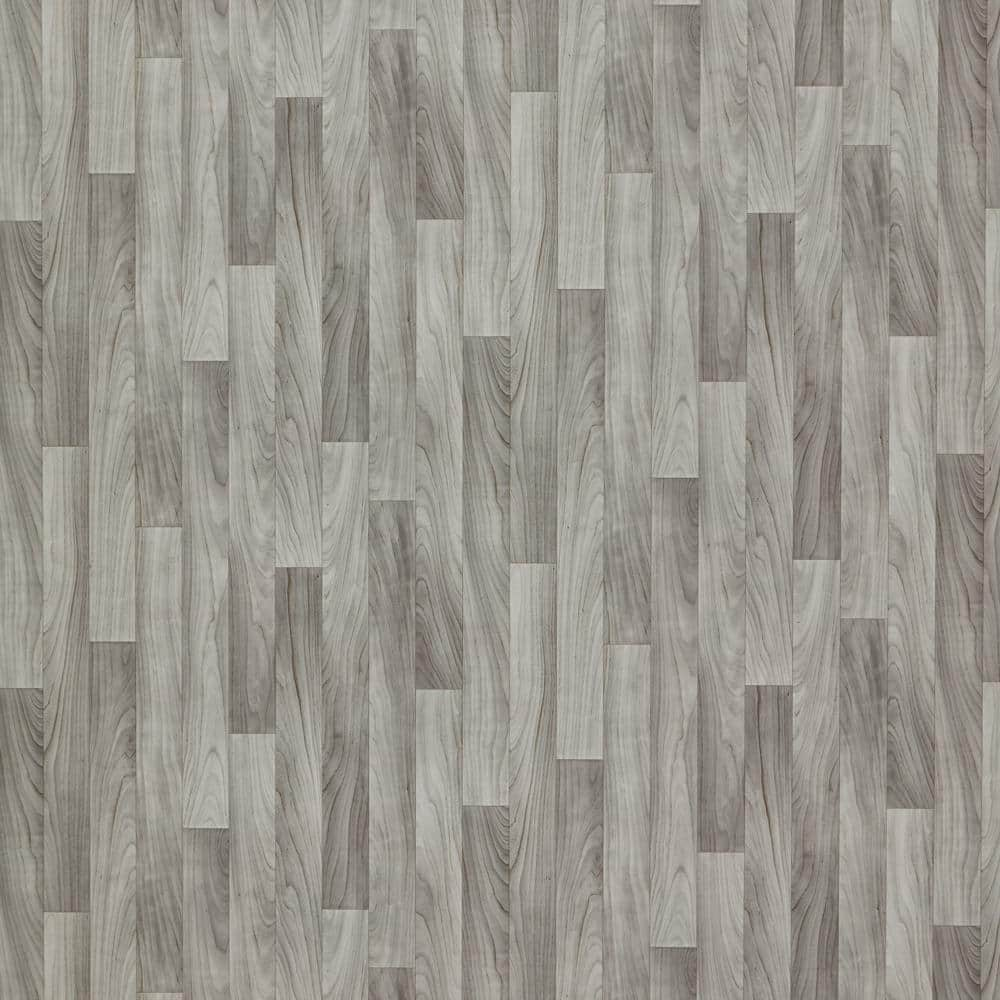
The range of available designs completely shattered my preconceptions about vinyl flooring aesthetics. I found options that perfectly mimicked everything from reclaimed hardwood planks to natural stone tiles, complete with realistic grain patterns and color variations. The sample that ultimately won me over featured a weathered oak design with such convincing texture and visual depth that visitors consistently mistake it for real wood. The printing technology creates subtle variations across the sheet that prevent the repetitive patterns that made older vinyl floors artificial.
What impressed me most was the durability engineering built into modern sheet vinyl construction. The wear layer technology provides scratch and stain resistance that exceeds many traditional flooring materials, while the cushioned backing offers comfort underfoot that makes standing for long periods much more pleasant. The through-pattern construction means that surface scratches don’t reveal different colored backing material, maintaining appearance even with normal wear and tear that would damage lesser materials.
Installation Advantages That Sold Me
The installation process for sheet vinyl proved to be one of its greatest advantages, especially compared to the tile and plank alternatives I had been considering. Unlike materials that require individual piece placement and precise alignment, sheet vinyl installation covers large areas quickly and efficiently. My contractor was able to complete my entire kitchen and two bathrooms in a single day, minimizing the disruption to my daily routine that I had been dreading throughout the renovation planning process.
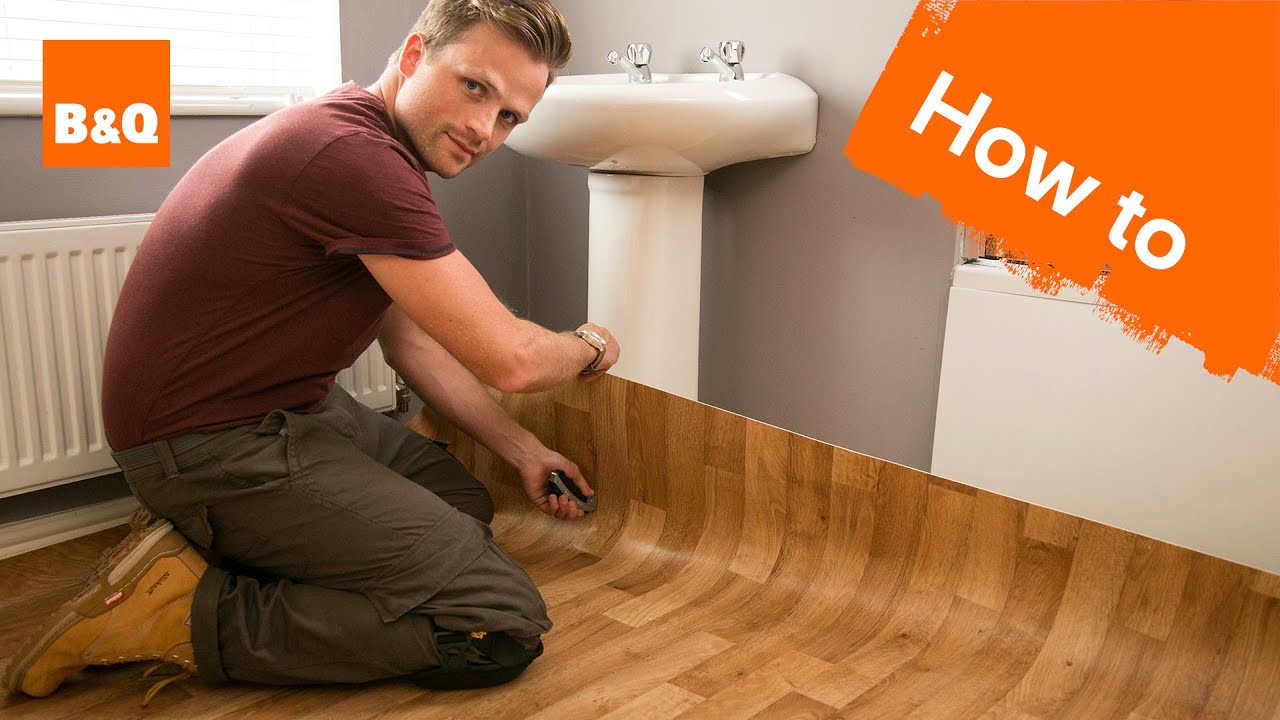
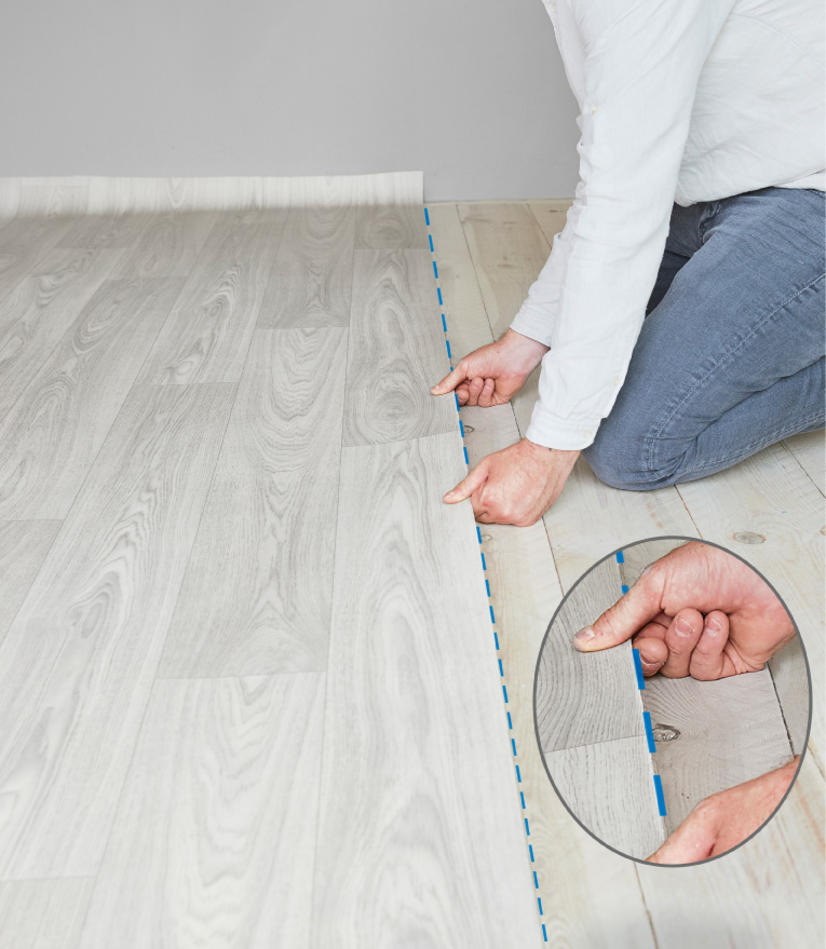
Watching the installation taught me about the skill required for proper sheet vinyl application, particularly in rooms with complex layouts and multiple obstacles. My installer carefully measured and created paper templates for each room before cutting the vinyl, ensuring a perfect fit around cabinets, fixtures, and doorways. The ability to create seamless installations even in irregularly shaped spaces impressed me, as the flexible material could be worked around corners and obstacles that would require multiple pieces with rigid materials.
The minimal subfloor preparation required for sheet vinyl installation saved both time and money compared to other flooring options I had considered. While the subfloor needed to be smooth and clean, it didn’t require the extensive preparation that tile installation would have demanded. Small imperfections and minor irregularities were easily accommodated by the vinyl’s flexibility, eliminating the need for expensive substrate modifications that would have stretched my renovation budget significantly beyond my planned limits.
Maintenance Reality: Easier Than Expected
Living with sheet vinyl for four years has taught me that the maintenance requirements are refreshingly simple compared to the high-maintenance materials I initially considered. Daily cleaning consists of sweeping or vacuuming to remove debris, followed by damp mopping with standard household cleaners when needed. Unlike natural materials that require specialized cleaners and careful pH balance, sheet vinyl tolerates most cleaning products without damage or dulling, making maintenance routines straightforward and flexible.
The seamless nature of sheet vinyl installation eliminated the grout line maintenance that would have been required with tile flooring, saving considerable time and effort in my weekly cleaning routines. Spills wipe up easily without penetrating seams or joints where bacteria and stains could develop. This has been particularly valuable in my kitchen, where cooking accidents and pet water bowl overflows are frequent occurrences that require quick, thorough cleanup without long-term consequences.
I’ve been pleasantly surprised by how well my sheet vinyl has maintained its appearance despite heavy daily use from my family and two large dogs. The wear layer has protected the design from scratches and scuffs that would have damaged other materials, while the stain resistance has proven effective against everything from red wine spills to muddy paw prints. Periodic deep cleaning with a steam mop restores the original luster and keeps the floors looking fresh and well-maintained.
Budget Benefits That Made Sense
The cost advantage of sheet vinyl became clear when I compared total project costs with alternative flooring materials. The material cost per square foot was significantly lower than luxury vinyl tiles, engineered hardwood, or ceramic tile options I had been considering. When combined with lower installation costs due to faster application and minimal substrate preparation, sheet vinyl allowed me to update multiple rooms within my renovation budget while allocating funds to other important home improvements.
The long-term financial benefits extend beyond initial installation savings to include reduced maintenance costs and longer replacement intervals. Unlike materials that require periodic refinishing, resealing, or grout maintenance, sheet vinyl maintains its appearance with basic cleaning supplies and techniques. I haven’t needed to invest in specialized maintenance equipment or professional services, keeping ongoing costs minimal while preserving the flooring’s functionality and aesthetics.
Energy efficiency benefits I hadn’t anticipated have provided additional cost savings over time. The cushioned backing in my sheet vinyl provides insulation properties that make rooms more comfortable and reduce heating and cooling costs. The comfort underfoot has eliminated my need for area rugs in work areas, simplifying cleaning routines while maintaining the warmth and softness that makes standing for extended periods more pleasant during cooking and household tasks.
Design Flexibility That Surprised Me
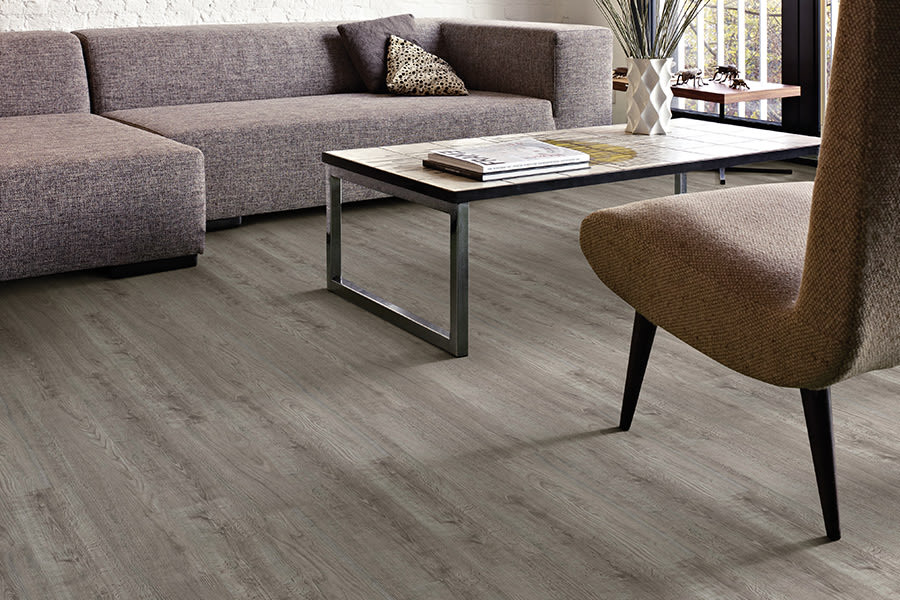
The design possibilities available with modern sheet vinyl opened creative opportunities I hadn’t expected when I first considered this flooring option. The ability to install large seamless areas without interruption from grout lines or plank joints creates clean, sophisticated appearances that work beautifully with contemporary design aesthetics. My kitchen’s open floor plan benefits enormously from this visual continuity, making the space appear larger and more cohesive than segmented flooring materials would have achieved.
Custom installation techniques allow sheet vinyl to accommodate unique design elements that would be challenging or impossible with rigid materials. My installer was able to create subtle borders and inlay effects by carefully joining different vinyl patterns, adding visual interest without the complexity and cost of traditional inlay work. The flexibility of the material enabled creative solutions around architectural features that enhanced rather than compromised the overall design scheme.
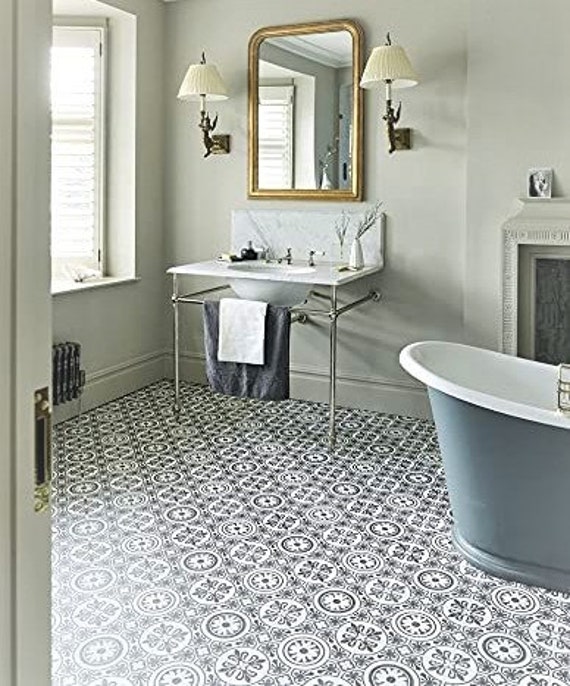
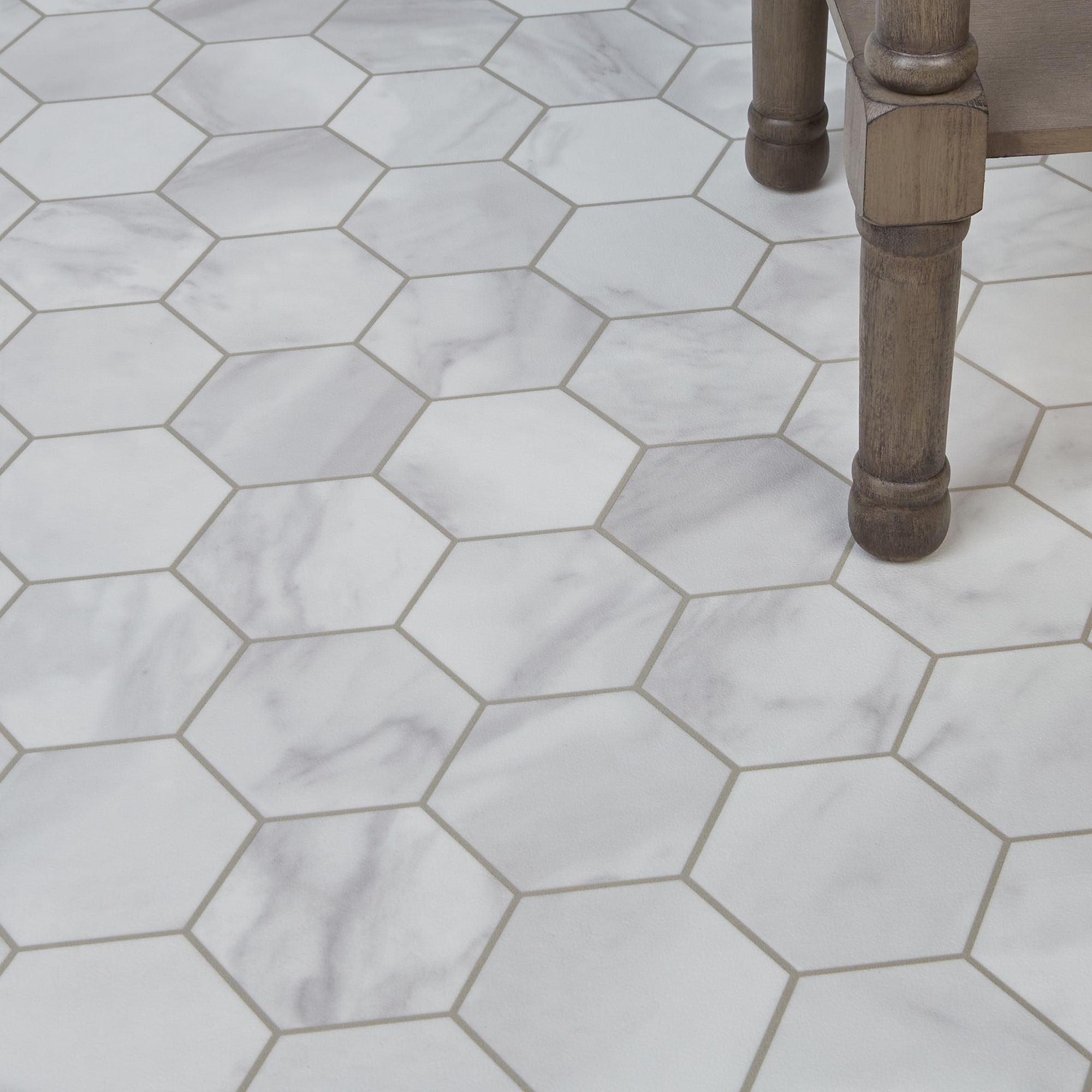
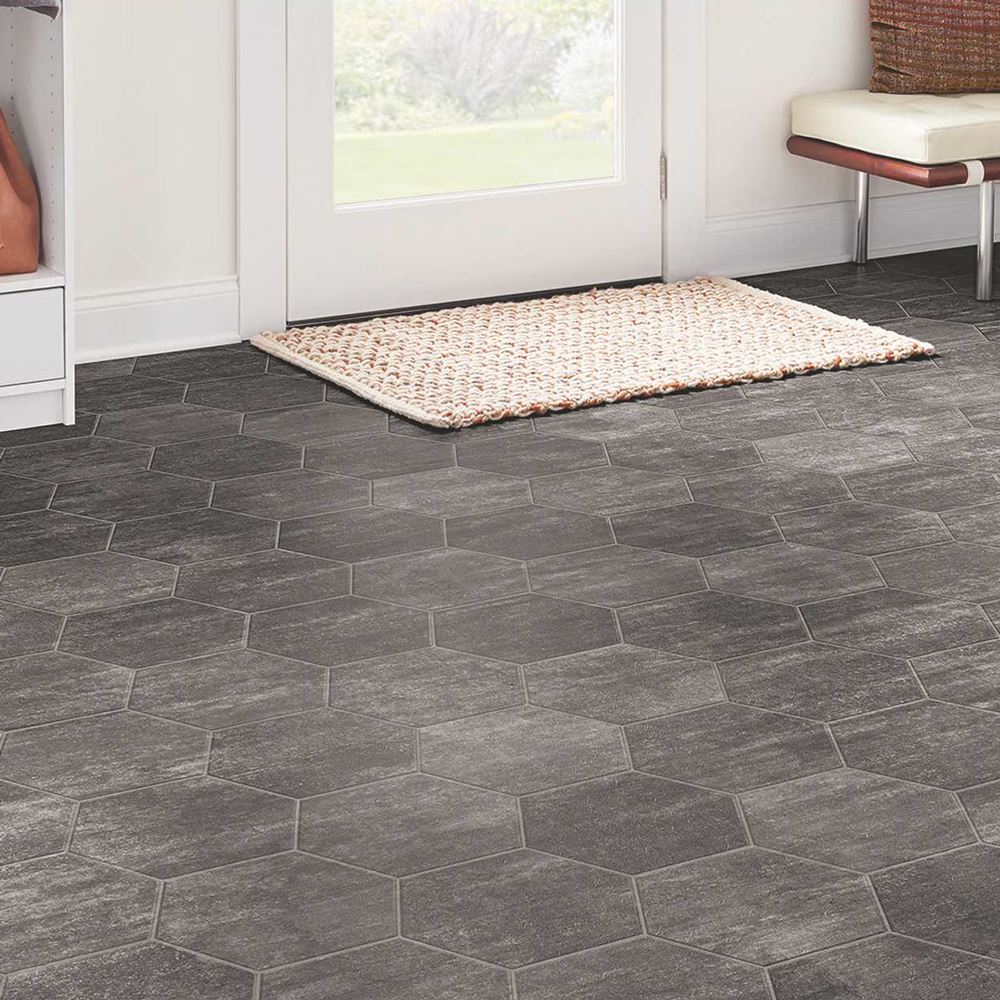
The realistic textures available in premium sheet vinyl products have allowed me to achieve upscale aesthetics at practical price points throughout my home. The stone-look vinyl in my bathrooms convincingly mimics expensive natural materials while providing superior moisture resistance and comfort. This combination of authentic appearance with enhanced functionality has proven ideal for creating the sophisticated look I wanted while maintaining the practical performance my active household requires.

Durability Performance Over Time
Four years of living with sheet vinyl in high-traffic areas has demonstrated durability performance that has consistently exceeded my expectations. The kitchen area, which sees constant foot traffic, cooking activities, and pet movement, shows minimal signs of wear despite daily use that would have damaged lesser materials. The wear layer technology has proven effective at protecting the design layer from scratches, scuffs, and other surface damage that typically accumulates over time.
The moisture resistance of sheet vinyl has been tested extensively in my bathrooms, where humidity levels fluctuate dramatically and water exposure is constant. Unlike materials that might delaminate, warp, or develop mold issues in these conditions, my sheet vinyl has remained stable and attractive throughout seasonal changes and daily use patterns. The seamless installation has prevented water penetration that could cause subfloor damage or create maintenance problems.
I’ve been impressed by how well the vinyl has maintained its dimensional stability despite temperature fluctuations and varying humidity levels throughout different seasons. Unlike some flooring materials that expand, contract, or develop gaps over time, my sheet vinyl installation has remained tight and smooth, maintaining its original appearance and performance characteristics. This stability has eliminated concerns about seasonal maintenance or adjustments that might be required with other materials.

How does modern sheet vinyl compare to luxury vinyl planks in terms of appearance?
I’ve been amazed by how realistic today’s sheet vinyl looks compared to older versions. While LVP offers individual plank authenticity, quality sheet vinyl creates seamless expanses that can look incredibly convincing. The lack of seams enhances the illusion in many cases. I chose sheet vinyl specifically because the continuous pattern looked more authentic than repetitive plank layouts in my open floor plan.
Is sheet vinyl suitable for high-moisture areas like bathrooms?
Absolutely. The seamless installation makes sheet vinyl ideal for bathrooms since there are no grout lines or seams where water can penetrate. I’ve had zero moisture issues in four years, even around the tub and shower areas. The material itself is completely waterproof, and proper installation creates a moisture barrier that protects the subfloor better than many alternatives.

How long can I expect sheet vinyl to last in a busy household?
With two large dogs and constant family activity, my sheet vinyl still looks great after four years. Quality products typically last 10-20 years, depending on wear layer thickness and usage patterns. The key is choosing an appropriate quality for your needs. I selected commercial-grade material for high-traffic areas and have been very pleased with its durability and appearance retention.
Can sheet vinyl be installed over existing flooring?
In many cases, yes. My installer was able to place new vinyl directly over the old vinyl in areas where the existing floor was well-adhered and smooth. This saved removal costs and time. However, loose or damaged existing flooring needs removal first. The flexibility of sheet vinyl accommodates minor imperfections that rigid materials cannot, making it forgiving for renovation projects.

What are the main disadvantages of sheet vinyl I should consider?
The biggest limitation is that damaged areas require larger patch repairs than tile or plank systems, where individual pieces can be replaced. Also, while incredibly realistic, it’s still not actual wood or stone if authenticity matters to you. Installation quality is critical since poor work shows more than with segmented materials. However, these concerns were minor compared to the benefits in my experience.
How difficult is it to remove sheet vinyl when it’s time to replace?
Removal can be challenging depending on the adhesive used and installation age. My contractor said newer adhesives are designed for easier removal than older types. The seamless nature means removal happens in large sections rather than piece by piece, which can be advantageous. I factored potential removal costs into my decision-making, but given the expected lifespan, it’s not an immediate concern.

Seville Sheet Vinyl Flooring. 2 Metre Wide Roll. 78 Etsy
How to Install Sheet Vinyl Floor » Decor Adventures

TrafficMaster Grayson Wood Residential Vinyl Sheet Flooring 12ft
Armstrong Flooring Pickwick Landing I 12-ft W x Cut-to-Length
Empire Flooring – u0027River Northu0027 Sheet Vinyl Flooring Empire Today
Different types of Vinyl flooring Tarkett
Related Posts: