I’ve renovated countless small kitchens over the years, and I’ve learned that choosing the right floor tiles can dramatically transform how spacious and functional these compact spaces feel. Through trial and error in my tiny galley kitchen and dozens of client projects, I’ve discovered specific tile strategies that create visual expansion, enhance functionality, and add personality without overwhelming limited square footage. The right flooring choice becomes even more critical in small kitchens where every design decision impacts the overall success.
Tile Size Selection for Visual Space Expansion
I used to believe that small tiles belonged in small spaces, but experience has taught me the opposite is often true. Large format tiles create fewer grout lines, which means less visual interruption and a cleaner, more expansive appearance that tricks the eye into perceiving more space than exists.
My go-to recommendation for small kitchen floors is 12×24 inch tiles installed in a straight pattern parallel to the longest kitchen wall. This technique creates strong sight lines that draw the eye through the space, making narrow galley kitchens feel longer and more spacious than they actually measure.
However, I’ve also had success with smaller mosaic tiles in certain small kitchen situations, particularly when homeowners want to add texture and visual interest. The key is choosing tiles with minimal color variation and keeping grout lines as narrow as possible to maintain the clean, cohesive appearance that small spaces desperately need.
Color Strategies That Open Up Compact Kitchens
I’ve learned that light-colored floor tiles are absolutely essential for making small kitchens feel larger and brighter. Dark floors can make compact spaces feel cramped and cave-like, while light colors reflect available light and create the illusion of more square footage throughout the room.
White and light gray tiles have become my standard recommendations for small kitchen floors because they provide the perfect neutral backdrop that works with any cabinet color or design style. These classic colors never go out of style and allow homeowners to add personality through accessories, backsplashes, and other changeable elements.
Warm beige and cream tiles offer alternatives to stark white that still maintain the space-expanding benefits while adding subtle warmth to small kitchens. I particularly love these colors in small kitchens with wood cabinets or warm-toned countertops where pure white might feel too stark or clinical for the desired aesthetic.

Grout Line Strategies for Seamless Appearance
I’ve discovered that grout color and width choices can make or break the success of small kitchen floor installations. The goal is creating the most seamless, uninterrupted surface possible to maximize the visual space expansion that appropriate tile choices can provide.
Matching grout color to tile color creates the most seamless appearance that I consistently recommend for small kitchen floors. This monochromatic approach minimizes visual interruption and allows the eye to perceive the floor as one continuous surface rather than individual tile pieces separated by contrasting lines.
Narrow grout lines, typically 1/16 to 1/8 inch wide, maintain the clean appearance that small kitchens require while still providing adequate structural integrity. I avoid wide grout lines in small spaces because they create grid patterns that can make floors look busy and compartmentalized rather than flowing and spacious.
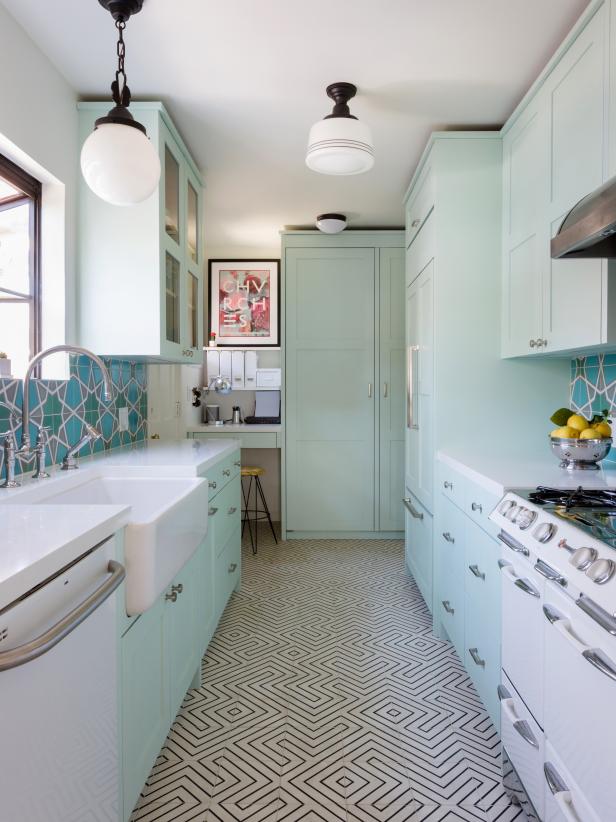
Pattern Layouts That Enhance Small Kitchen Proportions
I’ve experimented with numerous tile laying patterns in small kitchens and learned that simple, clean layouts work best for maximizing the perception of space. Complex patterns can make small floors look busy and fragmented, while straightforward installations create calm, cohesive foundations.
Straight tile installation, where tiles align in perfect rows and columns, remains my favorite pattern for most small kitchens because it creates strong, uninterrupted sight lines. This classic layout works particularly well when tiles are installed parallel to the longest kitchen wall, emphasizing length and creating flow.
Diagonal tile installation can work beautifully in square small kitchens where I want to add visual interest without overwhelming the space. The angled lines create movement and can make square rooms feel less boxy, but I use this technique sparingly because it requires more careful planning and precise installation work.
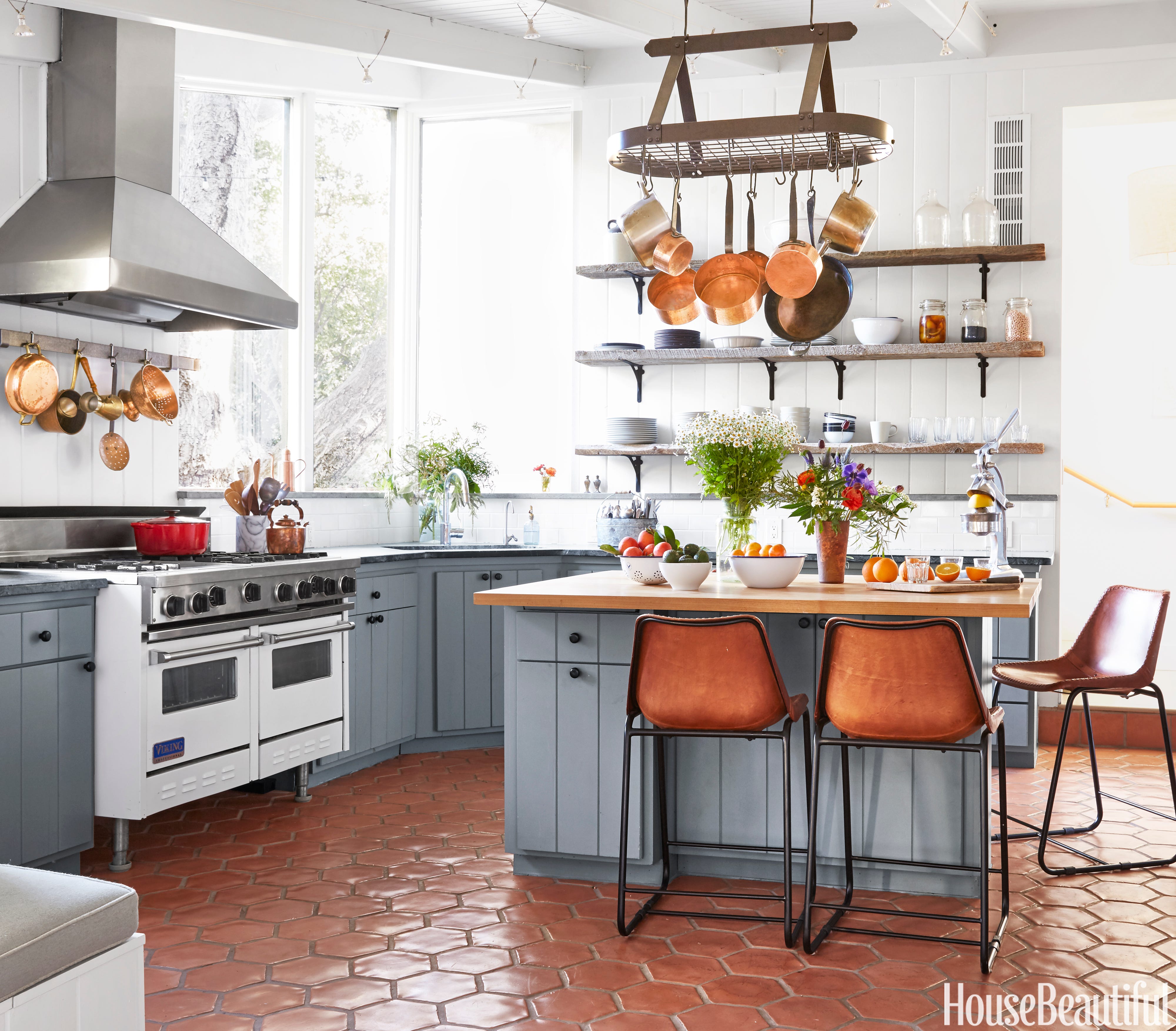
Practical Considerations for Small Kitchen Durability
I always prioritize durability and maintenance ease in small kitchen floor tile selections because these compact spaces typically see heavy traffic relative to their size. Spills, dropped utensils, and constant foot traffic demand flooring materials that can withstand daily abuse while maintaining their appearance over time.
Porcelain tiles have become my top recommendation for small kitchen floors because they offer superior water resistance, stain resistance, and durability compared to ceramic or natural stone options. The non-porous surface makes cleanup easier and prevents odors or bacteria from absorbing into the flooring material.
Textured surfaces provide better slip resistance than perfectly smooth tiles, which is particularly important in small kitchens where safety becomes paramount due to tight quarters and limited maneuvering space. I choose subtle textures that provide grip without creating cleaning challenges or visual busy-ness.

Budget-Friendly Options That Maximize Impact
I’ve helped many homeowners achieve beautiful small kitchen floors on limited budgets by focusing spending on strategic areas while finding cost-effective solutions for basic coverage. The key is identifying where to invest and where to save without compromising the overall design success.
Large format ceramic tiles often provide the best value for small kitchen renovations because they offer the visual benefits of expensive materials at more accessible price points. Quality ceramic tiles with subtle stone or marble patterns can create upscale appearances without premium material costs.
Installation savings become possible in small kitchens due to limited square footage, allowing homeowners to invest in slightly more expensive tiles while keeping overall project costs reasonable. I often recommend splurging on tile quality since installation costs remain relatively low for compact spaces requiring fewer materials.

Should I use the same tiles on small kitchen floors and walls?
I often recommend this approach because it creates visual continuity that makes small spaces feel larger and more cohesive. Using identical tiles on floors and backsplashes eliminates visual breaks that can make compact kitchens feel fragmented and busy.
Do dark grout lines make small kitchen floors look smaller?
Yes, contrasting grout creates grid patterns that fragment the floor visually and make spaces appear more compact. I always recommend matching grout color to tile color in small kitchens to create the most seamless, space-expanding appearance possible.

Can I use natural stone tiles in my small kitchen?
While possible, I typically recommend porcelain or ceramic tiles for small kitchens due to superior durability and easier maintenance. Natural stone requires more care and sealing, which can be challenging in high-traffic small spaces where spills occur frequently.
How do I choose between matte and glossy finishes for small kitchen floors?
I usually recommend subtle textures or matte finishes for safety and practicality in small kitchens. Glossy tiles can be slippery when wet and show every footprint or water spot, creating more maintenance work in these frequently used spaces.

Will large tiles look overwhelming in my tiny kitchen?
Large tiles actually make small spaces appear bigger by reducing grout lines and visual interruption. I’ve installed 12×24 inch tiles in kitchens as small as 50 square feet with excellent results. The key is proper installation and appropriate color selection.
What’s the most cost-effective way to tile a small kitchen floor?
Focus on quality ceramic or porcelain tiles in standard sizes with simple installation patterns. Avoid complex borders or patterns that increase labor costs. Since material quantities are small, investing in slightly better tiles while keeping installation simple maximizes value.
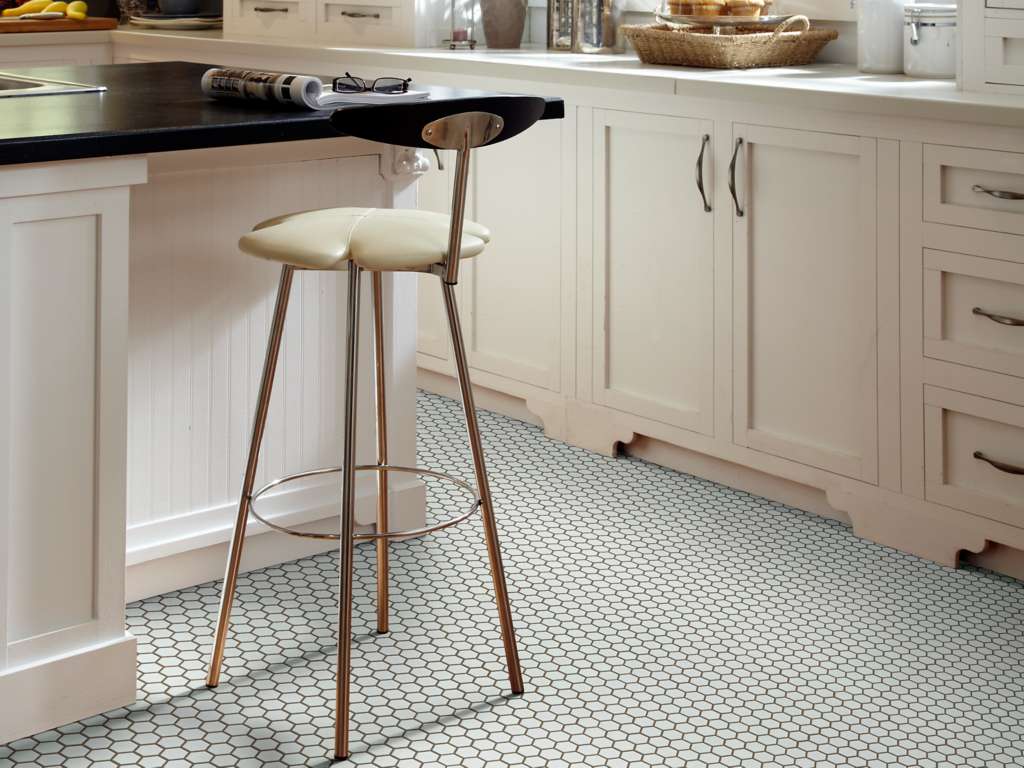
Inspired Design Ideas For Small Kitchen
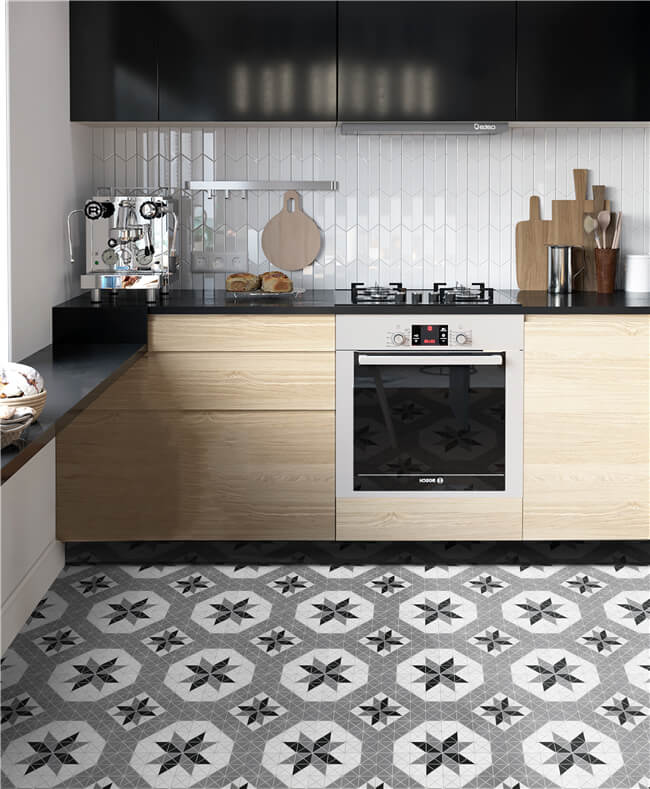
Best Kitchen Floor Tile Ideas – Flooring Designs
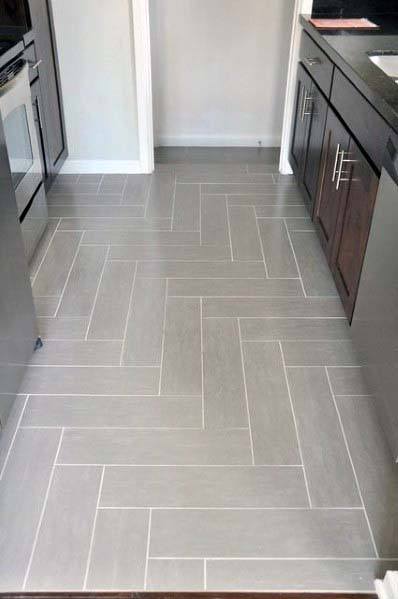
Small kitchen tile ideas
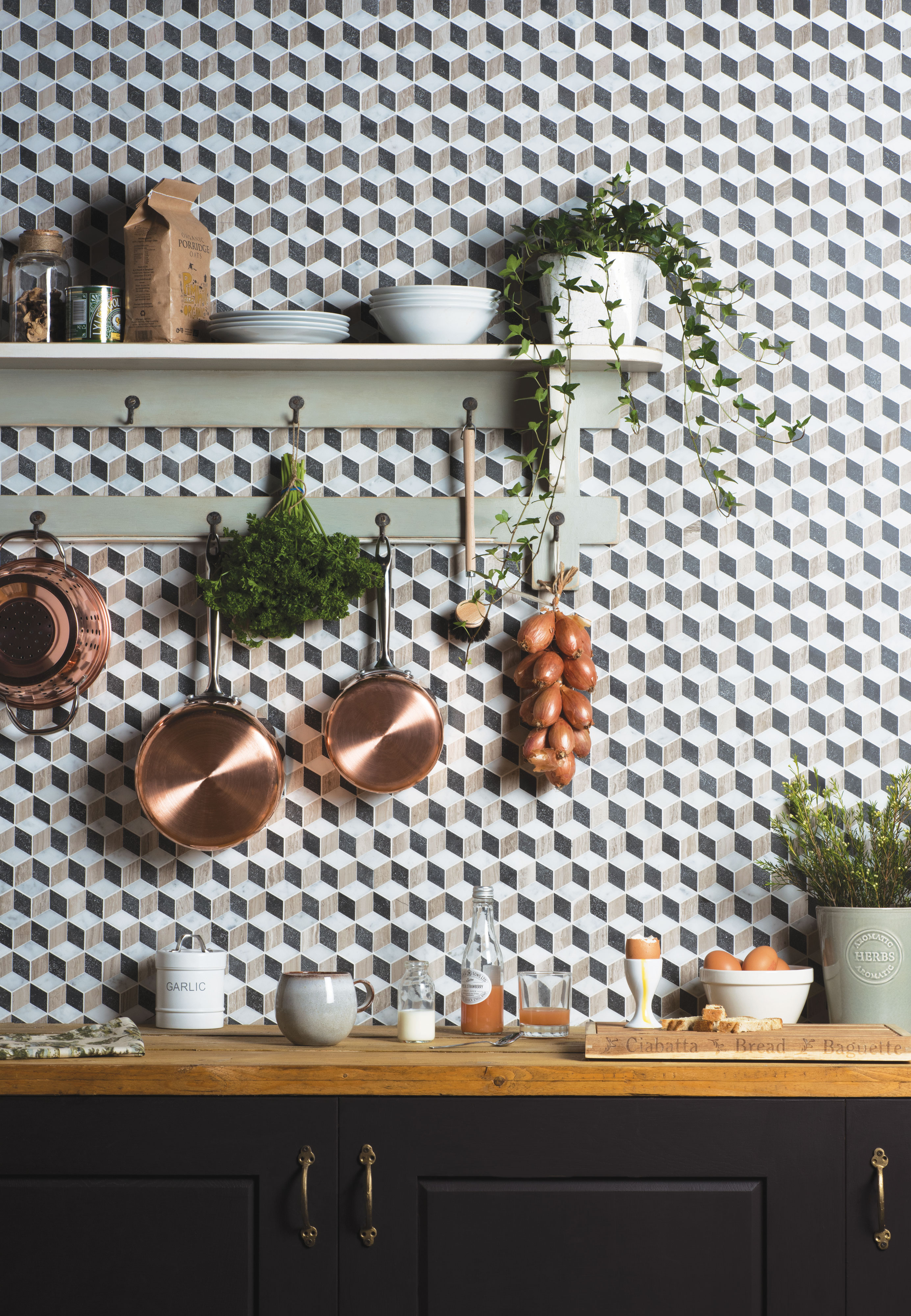
Kitchen floor tile ideas

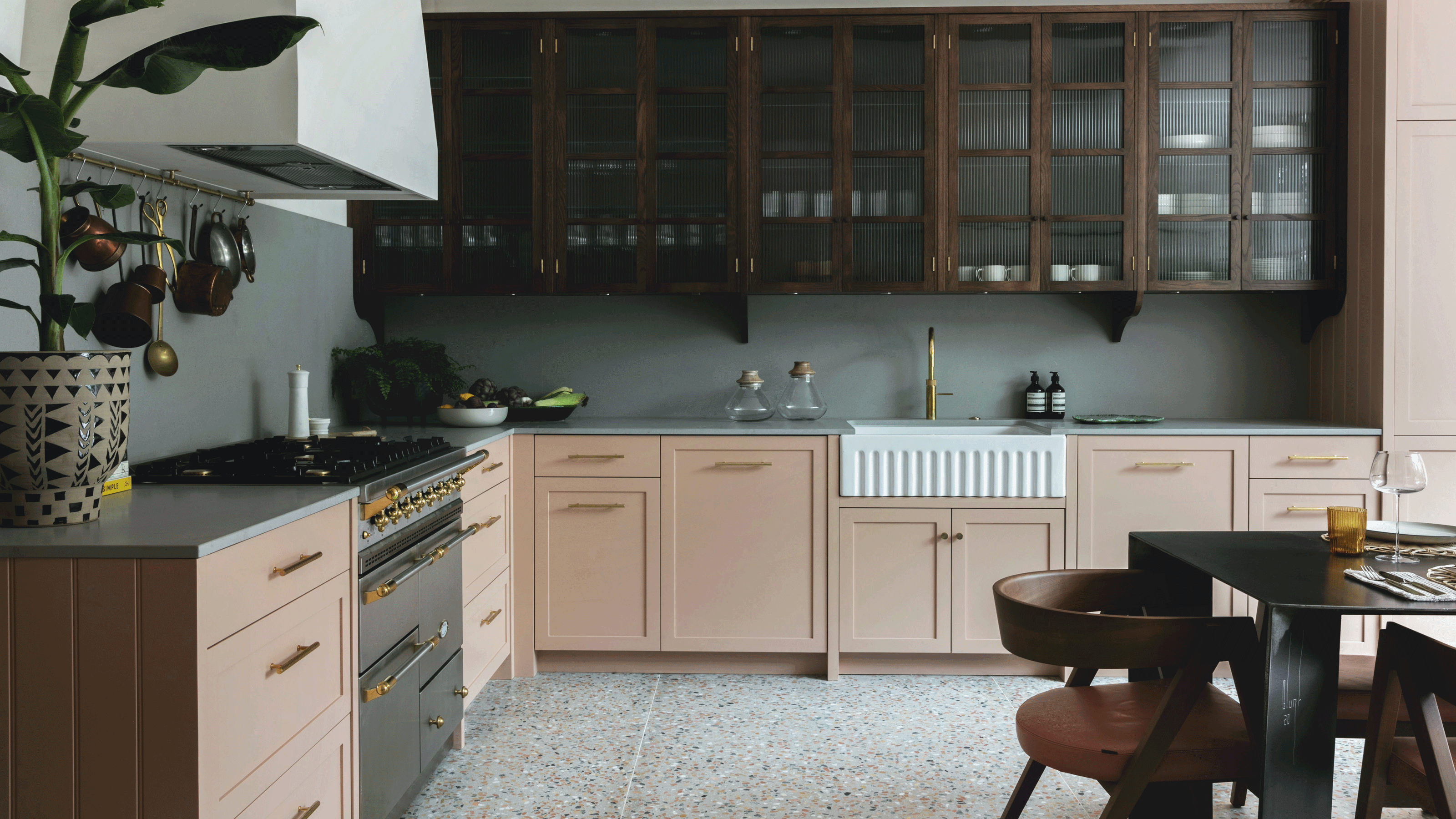
Small kitchen floor tile ideas
Related Posts: