When I decided to renovate my home kitchen with a commercial-grade approach, choosing industrial floor tiles seemed like the perfect solution for my busy cooking lifestyle. After managing a restaurant for years, I knew firsthand how demanding kitchen environments could be on flooring, and I wanted that same durability and performance in my personal space. The transformation has been incredible, giving me a professional-grade surface that handles everything from heavy appliances to constant spills while maintaining an unexpectedly stylish appearance that guests always compliment.
Choosing the Right Material for Heavy-Duty Performance
The first major decision I faced was selecting between different industrial tile materials, each offering unique benefits for kitchen use. After extensive research and consulting with commercial flooring specialists, I narrowed my choices to porcelain, quarry tiles, and specialized anti-slip ceramic options. Porcelain emerged as my top choice due to its incredible density, water resistance, and ability to withstand thermal shock from hot pans and sudden temperature changes.
During my material selection process, I learned that not all industrial tiles are created equal. The tiles I chose had to meet specific commercial standards for slip resistance, stain resistance, and chemical resistance to handle everything from acidic spills to heavy-duty cleaning products. I was amazed to discover that the slip resistance ratings (measured as COF values) varied dramatically between products, with some tiles being completely unsuitable for wet kitchen conditions.
What really sold me on my final choice was seeing the tiles perform in actual commercial kitchens. I visited several restaurants using the same porcelain tiles I was considering and spoke with kitchen managers about their long-term performance. The tiles had maintained their appearance and grip even after years of abuse, with minimal maintenance beyond regular cleaning. This real-world testing gave me confidence that these tiles could handle my home kitchen’s demands.
Installation Challenges and Professional Requirements
Installing industrial kitchen tiles proved more complex than standard residential tiling, requiring specialized techniques and materials I hadn’t anticipated. My contractor explained that the substrate preparation was critical, involving multiple layers including moisture barriers, reinforced cement board, and specialized adhesives designed for heavy-duty commercial applications. The installation process took nearly twice as long as regular ceramic tile due to these additional requirements.
The grouting process was particularly demanding, requiring epoxy-based grouts instead of traditional cement grouts. I learned that regular grout simply couldn’t withstand the chemical exposure and frequent cleaning that kitchen environments demand. The epoxy grout installation required perfect timing and technique, as it sets much faster than traditional materials and mistakes are nearly impossible to correct once it begins curing.
One challenge I didn’t expect was the weight of industrial tiles, which required additional floor reinforcement in some areas of my kitchen. The structural engineer confirmed that my subfloor could handle the load, but we added extra support joists beneath the island area where the heaviest appliances would sit. This additional structural work added to the project timeline and cost but was essential for long-term performance and safety.

Slip Resistance and Safety Features That Matter
Safety became my top priority when selecting industrial kitchen tiles, especially after witnessing numerous slip-and-fall accidents in commercial kitchens. I discovered that industrial tiles use specialized surface textures and treatments that provide excellent grip even when wet with grease or water. The tiles I chose feature a micro-textured surface that looks smooth but provides incredible traction underfoot, even when I’m wearing smooth-soled shoes.
The slip resistance testing standards for commercial tiles far exceed residential requirements, which gave me peace of mind for my family’s safety. I learned about the Americans with Disabilities Act requirements for commercial flooring, which mandate specific slip resistance values that are much higher than typical home flooring. Meeting these standards meant my kitchen floor would be safe for elderly family members and anyone with mobility concerns.
What impressed me most was how the slip-resistant surface doesn’t compromise cleaning efficiency. I was initially worried that textured tiles would trap grease and become difficult to maintain, but the micro-texture actually helps cleaning solutions penetrate and lift soils more effectively. The surface feels almost grippy when dry but never rough or uncomfortable for bare feet, striking the perfect balance between safety and comfort.

Cleaning and Maintenance in Real-World Use
Living with industrial kitchen tiles for two years has taught me that professional-grade cleaning products and techniques make all the difference. I invested in a commercial-grade mop system and pH-neutral cleaners specifically formulated for commercial kitchens. The daily cleaning routine is actually easier than my previous flooring because spills and stains simply don’t penetrate the dense tile surface like they did with my old materials.
The grout maintenance was my biggest learning curve, requiring different approaches than residential installations. I discovered that sealing the epoxy grout wasn’t necessary, but regular deep cleaning with commercial degreasers prevents buildup that could compromise the surface’s appearance and performance. Monthly deep cleaning sessions using commercial steam cleaners keep everything looking and performing like new.
What surprised me most was how forgiving these tiles are to heavy impacts and thermal shock. I’ve dropped cast iron pans, placed hot pots directly on the surface, and subjected the floor to conditions that would have damaged conventional flooring. The tiles show no signs of cracking, chipping, or discoloration, proving that the investment in commercial-grade materials was absolutely worthwhile for my cooking-intensive lifestyle.
Design Integration and Aesthetic Considerations
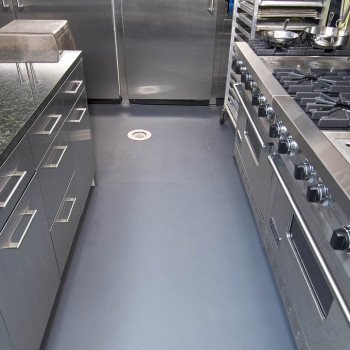
Integrating industrial tiles into a home kitchen required careful consideration of aesthetics alongside functionality. I chose neutral gray tiles with subtle color variations that complement both my stainless steel appliances and warm wood cabinetry. The key was finding tiles that looked intentionally industrial rather than accidentally institutional, creating a professional kitchen aesthetic that feels welcoming rather than cold or sterile.
The grout color selection proved crucial for the overall appearance, and I ultimately chose a slightly darker gray that hides minor staining while creating definition between tiles. Light-colored grout would have shown every stain and required constant maintenance, while dark grout would have created too much contrast and made the space feel busy. The middle-ground approach gives me the clean, professional look I wanted with practical maintenance benefits.
Lighting played a huge role in how the industrial tiles looked throughout the day. Under-cabinet LED strips and pendant lights over the island highlight the subtle texture variations in the tiles, creating visual interest that prevents the floor from looking flat or monotonous. The tiles’ matte finish eliminates glare issues while still reflecting enough light to keep the kitchen feeling bright and spacious, even during evening cooking sessions.
Cost Analysis and Long-Term Value Assessment
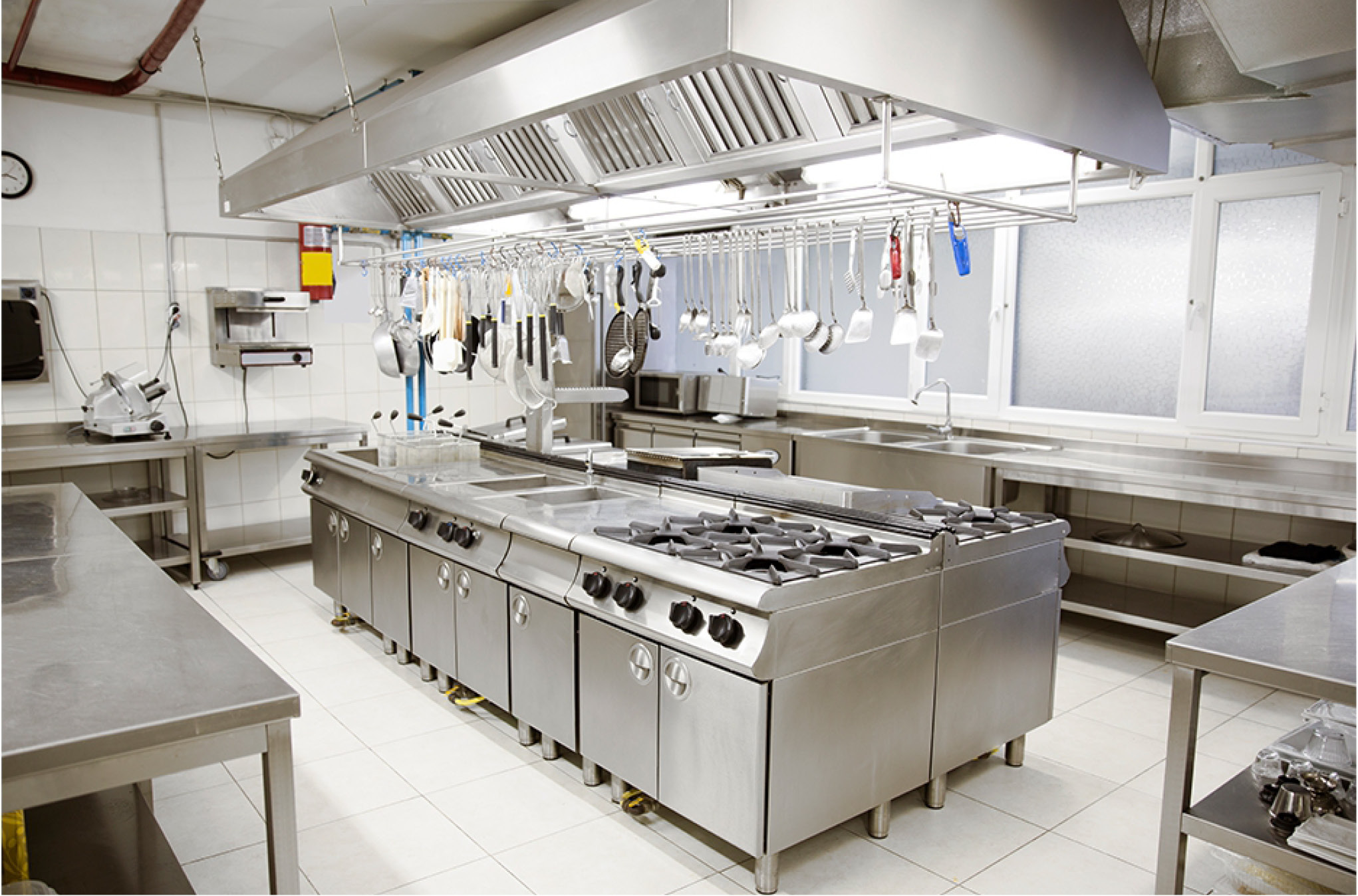
The initial investment in industrial kitchen tiles was significantly higher than residential alternatives, roughly three times the cost of standard ceramic tiles when including specialized installation requirements. However, when I calculated the cost per year over the expected 25-30 year lifespan, the premium became much more reasonable. The durability and low maintenance requirements mean these tiles will likely outlast several generations of other flooring options.
Labor costs were the biggest surprise in my budget, as finding qualified installers familiar with commercial tile installation techniques proved challenging and expensive. I learned that many residential tile installers lack experience with epoxy grouting and commercial adhesive systems, so hiring specialists was essential. The extra labor cost was offset by the warranty protection and professional installation quality that ensures long-term performance.
The value proposition becomes even stronger when considering the reduced replacement and maintenance costs over time. I’ve calculated that the money saved on refinishing, replacing, and maintaining other flooring types will more than offset the higher initial investment within ten years. Plus, the professional appearance has increased my home’s value and made my kitchen a standout feature that impresses potential buyers and real estate professionals.

How do industrial kitchen tiles perform with heavy appliances and constant foot traffic?
After two years of intensive use, my industrial tiles show zero signs of wear from heavy appliances or foot traffic. I regularly move my commercial-grade stand mixer and other heavy equipment without concern. The tiles’ density and hardness mean they can handle impacts that would crack or chip residential tiles, and the surface maintains its slip resistance even in high-traffic areas.
Are industrial tiles too cold or uncomfortable for barefoot walking in a home kitchen?
I was initially concerned about comfort, but the tiles maintain a neutral temperature that’s actually more comfortable than I expected. They’re cooler than wood but warmer than natural stone. In winter, I use area rugs in key standing areas, and the radiant heating system I installed works perfectly with the tiles’ thermal properties for ultimate comfort year-round.

What’s the realistic maintenance schedule for industrial kitchen tiles in home use?
My daily routine involves sweeping and damp mopping with commercial cleaners. Weekly deep cleaning with degreasers handles any buildup, and monthly steam cleaning keeps everything pristine. Compared to my previous flooring, maintenance is actually easier because nothing penetrates the surface. The time investment is minimal for professional-grade results.
Do industrial tiles work with standard home kitchen layouts and designs?
Absolutely! The key is choosing tiles with appropriate aesthetics for residential use rather than purely functional commercial options. Neutral colors and subtle textures integrate beautifully with home design elements. My industrial tiles complement both traditional and modern elements in my kitchen, creating a professional appearance that still feels warm and inviting.

How do costs compare when factoring in long-term durability and maintenance?
While initial costs are 2-3 times higher than residential tiles, the 25-30 year lifespan, and minimal maintenance requirements make them cost-effective long-term. I calculated that avoiding replacement costs and reduced maintenance expenses will break even within 8-10 years, after which the tiles essentially pay for themselves through avoided costs and increased home value.
Can industrial kitchen tiles be installed over existing flooring or do they require complete removal?
Complete removal of existing flooring is typically necessary due to the structural requirements and substrate preparation needed for industrial tiles. The weight and installation requirements demand proper subflooring, moisture barriers, and reinforcement. While this adds to initial costs, it ensures the installation will perform properly for decades without issues.

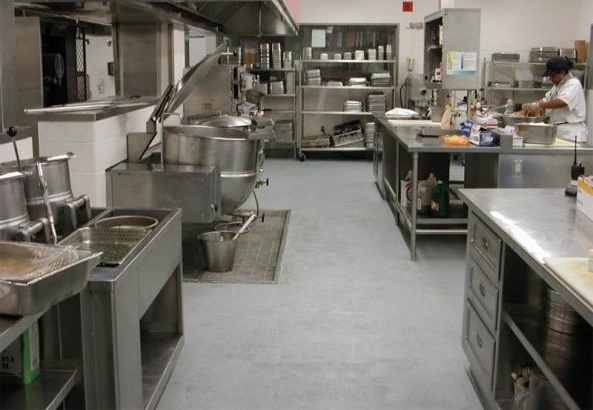
Non-Slip faux metal tile in commercial kitchen

Commercial Kitchen Flooring Costs: Save money without cutting
Commercial Kitchens – Why Tile
Five Flooring Considerations for Commercial Kitchens Modern
Related Posts: