When I decided to replace my outdated kitchen flooring, black slate tiles weren’t initially on my radar, but after seeing them in a friend’s renovated farmhouse kitchen, I was completely captivated by their dramatic beauty and natural texture. The rich, deep black color with subtle variations and the authentic stone surface promised to create the sophisticated, timeless look I craved for my own space. Four years later, living with black slate kitchen floors has been one of my best renovation decisions, though the journey taught me valuable lessons about installation, maintenance, and design integration that I wish I’d known from the start.
Selecting Quality Slate and Understanding Natural Variations
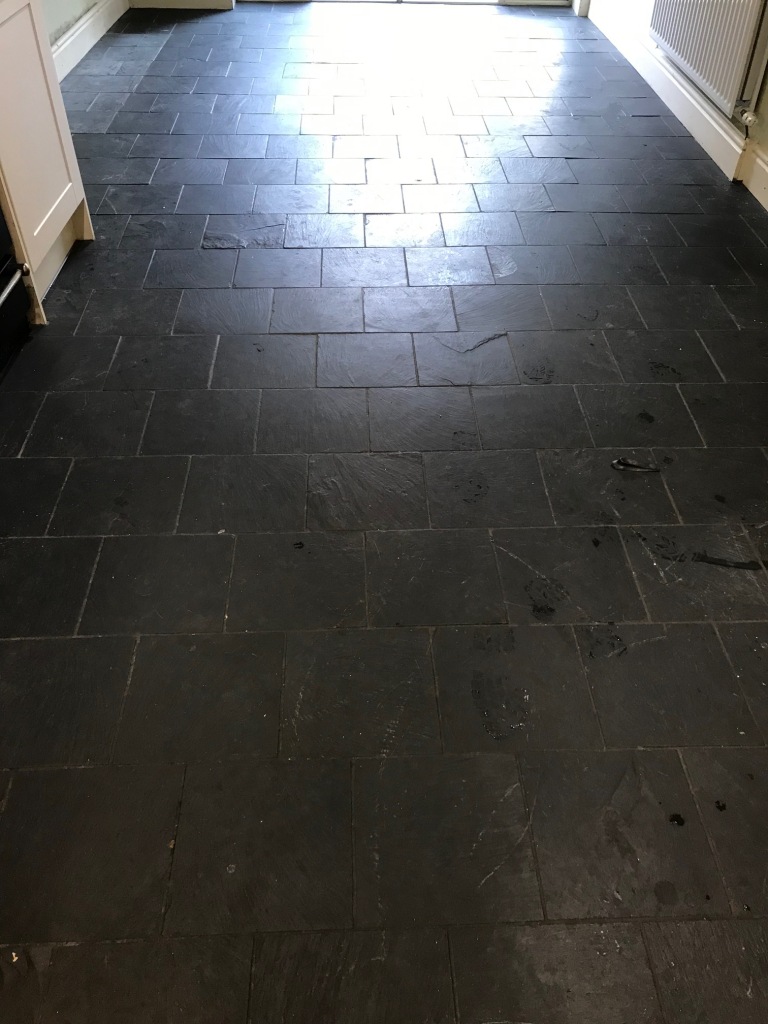
Shopping for black slate tiles opened my eyes to the incredible range of quality and characteristics available, from budget options with inconsistent thickness to premium selections with beautiful natural cleft surfaces. I learned that genuine slate’s beauty lies in its subtle variations, each tile displaying unique textures, mineral veins, and slight color differences that create visual depth impossible to replicate with manufactured materials. After visiting multiple stone yards, I selected Welsh slate, known for its dense composition and rich black color with occasional silver highlights.
The natural variation in slate tiles initially concerned me because I worried about achieving a cohesive look, but my installer explained that this variation is actually slate’s greatest asset. No two tiles are identical, which means the floor develops a unique, organic pattern that feels authentic and sophisticated rather than manufactured and repetitive. I spent time arranging tiles before installation, creating a balanced layout that distributed the natural variations evenly throughout the space for optimal visual flow.
Understanding slate grading helped me make informed decisions about quality and cost. I discovered that Grade A slate offers the most consistent thickness and fewer natural flaws, while lower grades can have significant thickness variations requiring extensive leveling during installation. The premium grade I selected cost more upfront but saved money on installation time and resulted in a more professional finish that has maintained its appearance beautifully over four years of daily use.
Installation Challenges and Professional Requirements
Installing slate tiles in my kitchen proved more complex than standard ceramic installations, requiring specialized techniques and tools to handle the natural stone’s unique properties. My contractor emphasized the importance of using appropriate adhesives designed for natural stone, as regular tile adhesives can cause staining or bonding failures with slate’s porous surface. The installation process took nearly twice as long as anticipated due to the careful fitting required for each naturally irregular tile.
Substrate preparation became critical for successful slate installation, as the natural variations in tile thickness demanded a perfectly level surface. My contractor spent an entire day using self-leveling compound to create an ideal foundation, explaining that any unevenness would telegraph through the thin slate tiles and create an unprofessional appearance. This meticulous preparation work proved essential for achieving the smooth, even surface that showcases the slate’s natural beauty effectively.
The grouting process required special attention to prevent staining the porous slate surface, using a grout release product before applying grout and cleaning excess immediately. I learned that slate readily absorbs grout haze, which can permanently discolor the surface if not properly managed during installation. My contractor’s experience with natural stone installations was invaluable for navigating these technical challenges and achieving professional results that have stood the test of time.

Sealing and Protection: Essential Steps for Longevity
Sealing my black slate floors immediately after installation was crucial for protecting against stains and maintaining the stone’s appearance in a kitchen environment. I discovered that unsealed slate readily absorbs liquids, oils, and food spills that can cause permanent discoloration or damage. The penetrating sealer we applied soaks into the stone’s porous surface, creating a protective barrier while maintaining the natural matte appearance that makes slate so appealing.
The sealing process required patience and proper technique, with my contractor applying multiple thin coats rather than one heavy application. I learned that over-sealing can create a glossy appearance that detracts from slate’s natural beauty, while under-sealing leaves the stone vulnerable to staining. The professional-grade sealer we chose provides excellent protection while allowing the stone to breathe naturally, preventing moisture-related problems that can plague improperly sealed installations.
Resealing maintenance has become part of my long-term care routine, with touch-up applications every 18-24 months in high-traffic areas and complete resealing every 3-4 years. I perform simple water absorption tests by dropping small amounts of water on the surface. If the water absorbs quickly, rather than beading up, it’s time for resealing. This proactive maintenance has kept my floors looking beautiful and protected throughout four years of kitchen use.

Daily Maintenance and Cleaning Strategies
Living with black slate kitchen floors has taught me that proper daily maintenance prevents major cleaning challenges while preserving the stone’s natural beauty. I sweep daily to remove sand and grit that can scratch the surface, and immediately wipe up any spills to prevent staining. The key insight is that prevention is much easier than restoration with natural stone, so developing consistent cleaning habits pays dividends in long-term appearance and performance.
My cleaning routine centers around pH-neutral stone cleaners that effectively clean without damaging the sealer or stone surface. I learned through trial and error that acidic cleaners like vinegar can etch slate and damage sealers, while alkaline cleaners can leave residues that dull the surface. Professional stone cleaning products cost more than generic cleaners but are essential for maintaining both the appearance and protective properties of sealed slate floors.
Deep cleaning techniques have evolved as I’ve learned what works best with slate’s unique properties. Monthly cleaning with a stone-specific deep cleaner removes accumulated cooking residues and refreshes the surface appearance. I use a soft-bristled brush for textured areas where dirt might accumulate, followed by thorough rinsing and drying. This routine keeps the floors looking rich and clean while preserving the sealer’s protective properties.
Design Impact and Aesthetic Integration
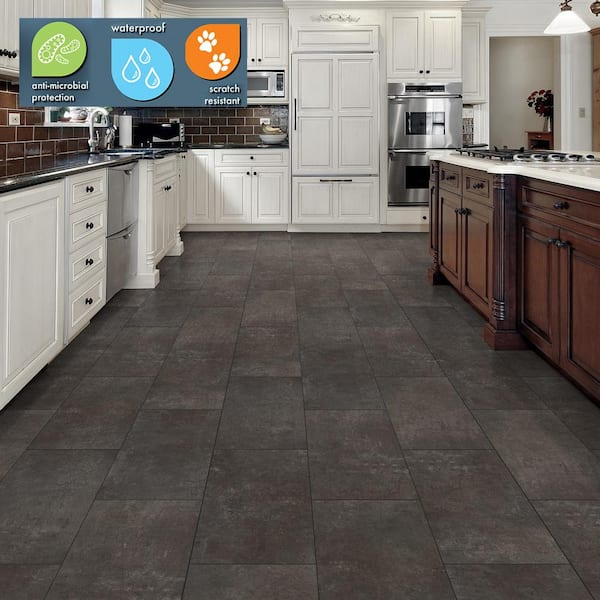
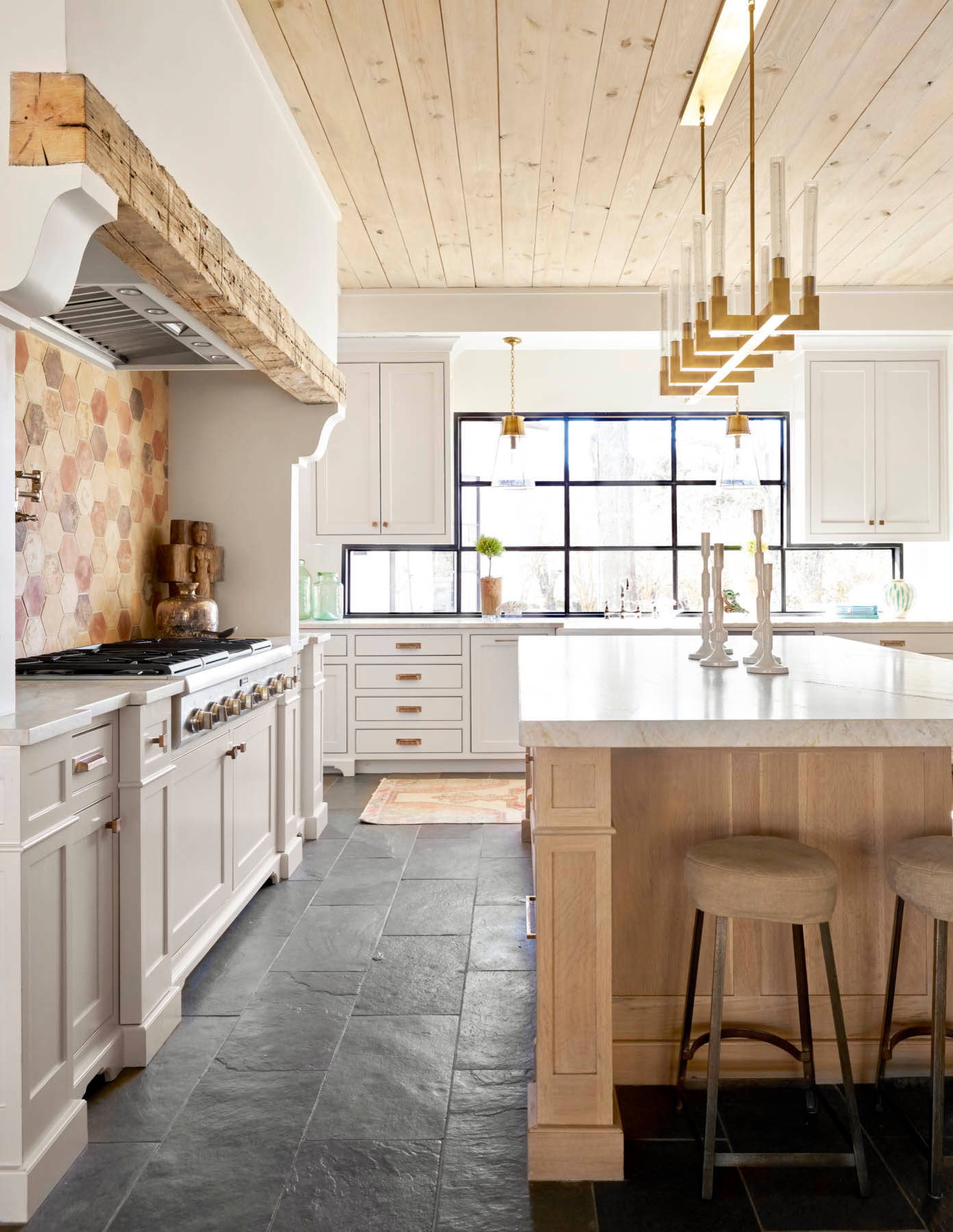
Black slate floors transformed my kitchen’s entire aesthetic, creating a dramatic foundation that makes other design elements pop with increased visual impact. The deep black color serves as a sophisticated neutral that works beautifully with both warm and cool color schemes, allowing me to experiment with cabinet colors, backsplashes, and accessories without worrying about clashing. The natural stone texture adds organic warmth that prevents the dark color from feeling cold or sterile.
Lighting considerations became crucial for showcasing the slate’s beauty while maintaining functionality in the kitchen workspace. I installed under-cabinet LED lighting that highlights the stone’s natural texture and prevents the floor from appearing too dark during food preparation. Strategic pendant lights over the island create pools of light that highlight the subtle silver tones in the slate, while maintaining the dramatic overall effect.
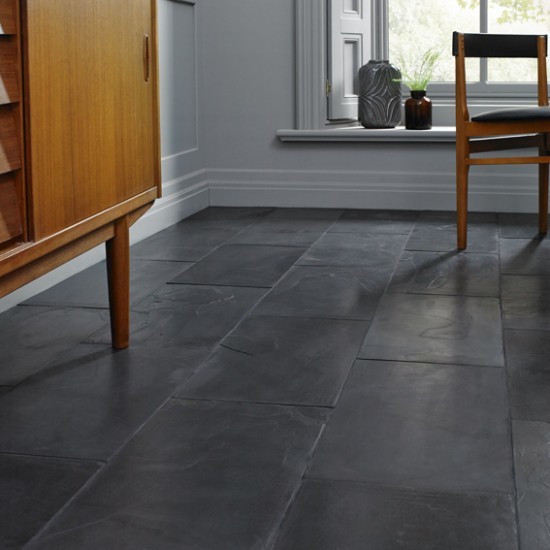
The slate’s natural texture provides excellent slip resistance, even when wet, which was a major safety consideration for my busy kitchen. Unlike polished stone surfaces that can become slippery, slate’s naturally cleft surface offers reliable traction for bare feet and wet conditions. This practical benefit, combined with the stunning appearance, makes slate an ideal choice for families who prioritize both safety and style in their kitchen design.

Long-Term Performance and Value Considerations
After four years of intensive kitchen use, my black slate floors have exceeded my durability expectations while developing a beautiful patina that enhances their character. The natural stone has withstood dropped pots, chair scraping, and constant foot traffic without showing significant wear or damage. Minor scratches and chips that might occur actually blend into the natural texture, making slate remarkably forgiving compared to manufactured flooring options.
The investment in quality slate and professional installation has proven worthwhile from both aesthetic and financial perspectives. Recent home appraisals have consistently noted the flooring as a premium feature that adds significant value to my property. The timeless appeal of natural stone means these floors won’t look dated in years to come, unlike some trendy flooring choices that might need updating to maintain home value.
Maintenance costs have remained minimal beyond the regular resealing, with no repairs or replacements needed during my ownership. The total cost of ownership, including initial installation, sealing, and maintenance products, averages out to very reasonable annual expenses for such a premium flooring material. When I factor in the daily enjoyment and increased home value, black slate represents one of my best home improvement investments.

How do black slate floors perform with kitchen spills and everyday accidents?
With proper sealing, my slate floors handle kitchen spills remarkably well. I clean up liquids immediately to prevent staining, and the sealed surface resists most food and oil spills effectively. Wine, tomato sauce, and other potential stains wipe up easily if addressed quickly. The key is maintaining the sealer and developing good cleaning habits from day one.
Do black slate floors show dust, dirt, and footprints more than lighter flooring?
Surprisingly, black slate hides dirt better than I expected due to its natural texture and matte finish. Light dust is less visible than on glossy surfaces, though pet hair and lint show up clearly. Daily sweeping keeps things looking clean, and the natural variations in the stone help camouflage minor debris between cleaning sessions. Overall maintenance is quite manageable.
How cold are slate floors underfoot, especially during the winter months?
Slate does feel cool underfoot, which is refreshing in summer but noticeable in winter. I added area rugs in key standing areas, like in front of the sink and stove, for comfort. Some friends have installed radiant floor heating under slate with excellent results, though my family has adapted to the natural temperature. The thermal mass actually helps moderate kitchen temperatures.
What’s the realistic budget for quality black slate kitchen flooring, including installation?
My project cost about $15-20 per square foot, including materials, professional installation, and sealing. Quality slate tiles ran $8-12 per square foot, with installation adding $6-8 more due to the specialized techniques required. While expensive upfront compared to ceramic or vinyl, the longevity and value addition make it cost-effective long-term.

Can slate floors be repaired if damaged, or do they require complete replacement?
Individual slate tiles can be replaced if severely damaged, though finding exact color matches can be challenging due to natural variations. Minor chips and scratches often blend into the natural texture or can be filled with stone repair compounds. I keep extra tiles from installation for future repairs, though I haven’t needed any replacements in four years.
How do slate floors affect kitchen acoustics and noise levels?
Stone floors do reflect sound more than carpet or wood, making my kitchen slightly more echo-prone. However, the natural texture of slate absorbs some sound, and area rugs in conversation zones help manage acoustics. The sound isn’t harsh like polished stone can be. Most visitors don’t notice any acoustic issues, and the beautiful appearance far outweighs this minor consideration.

Calibrated Brazilian Black Slate Tile sample off cut ( approx 15 cm x 6 cm )

Black Slate Floor & Wall Tiles – Modern – Kitchen
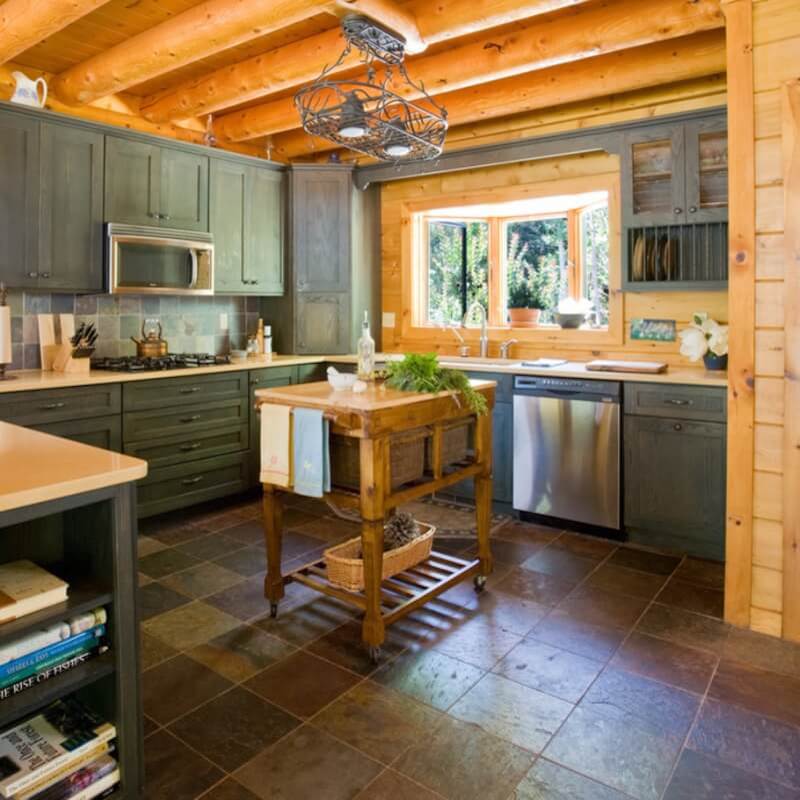
Slate Floor Kitchen Ideas
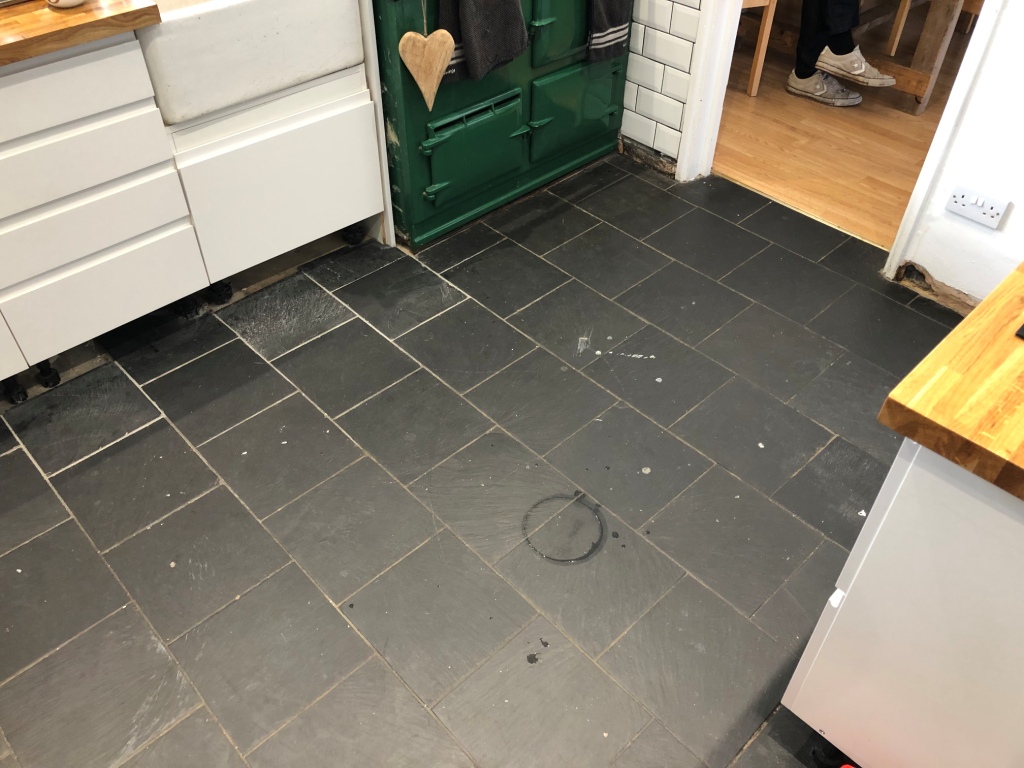
Tired Black Slate Kitchen Floor Renovated
Ways to Get the Slate Tile Look You Crave
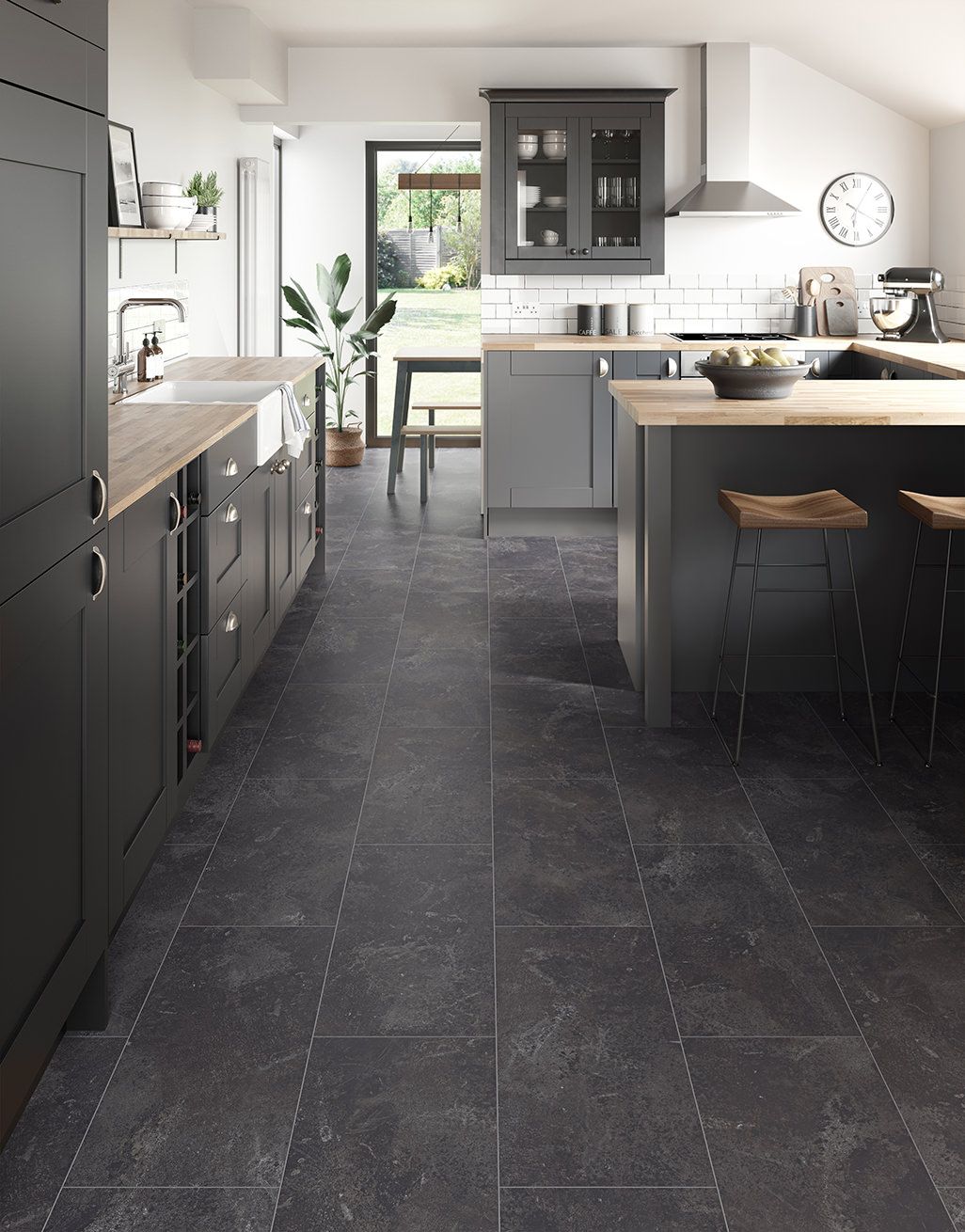
Verona Tile – Black Slate Laminate Flooring
Related Posts: