When I decided to transform my kitchen into the cozy country haven I’d always dreamed of, choosing the right flooring became my biggest challenge. After living with cold, impractical tile for years, I knew I wanted something that would capture that authentic farmhouse warmth while standing up to my family’s busy lifestyle. Through months of research, samples scattered across my counters, and plenty of trial and error, I discovered that the perfect country kitchen floor isn’t just about looks; it’s about creating a foundation that brings together comfort, durability, and that unmistakable charm that makes everyone want to gather around your kitchen table.
Wide-Plank Hardwood: My First Love Affair
The moment I walked into that old farmhouse during a weekend antique hunt, I fell head over heels for the wide-plank oak floors in the kitchen. The boards were easily five inches wide, weathered to perfection, with nail holes and gentle wear patterns that told stories of generations of family meals. I knew immediately that this was the foundation I wanted for my country kitchen. The challenge was finding modern wide-plank hardwood that could capture that same authentic character without the decades of wear and potential structural issues.
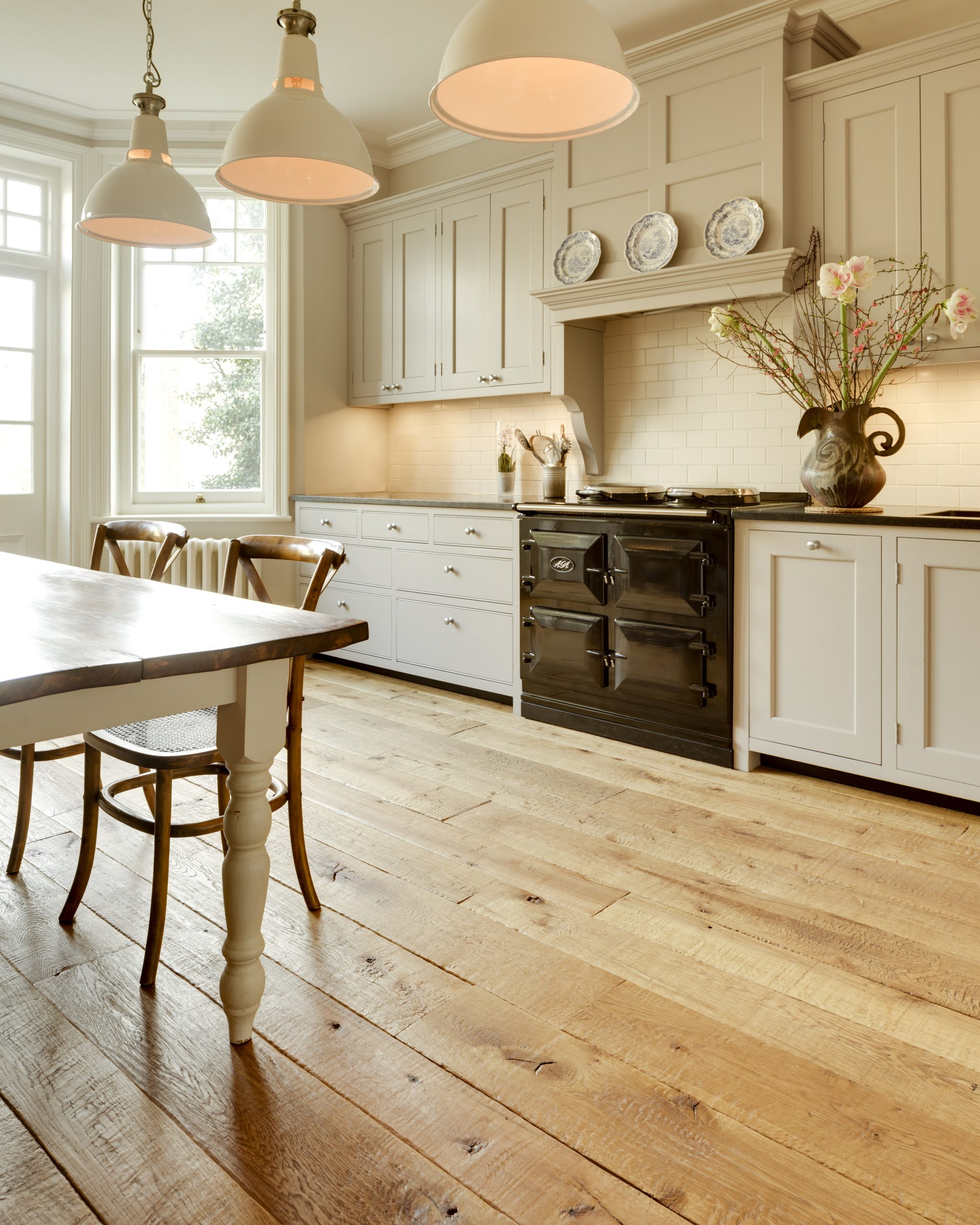
After visiting countless flooring showrooms, I discovered that today’s wide-plank hardwood options are incredible. I settled on hand-scraped hickory planks that were six inches wide, with natural color variations that ranged from creamy blonde to rich chocolate brown. The hand-scraped texture gave each board subtle undulations that caught light beautifully and felt wonderful underfoot. What sold me was how the wide planks made my modest kitchen feel more spacious and grand, creating clean sight lines that enhanced the open, airy feeling I was going for.
The installation process taught me so much about quality hardwood flooring. My contractor explained that wider planks require more careful acclimation and installation techniques to prevent gaps and warping. We used a nail-down installation with hidden fasteners, which took longer but created seamless joints between boards. The investment was significant, but three years later, these floors still take my breath away every morning when I pad into the kitchen for coffee. They’ve developed a beautiful patina from daily use that adds to their authentic character.
Luxury Vinyl Plank: The Practical Country Solution
While my heart belonged to hardwood, my head knew I needed to consider more practical options, especially given my tendency to spill things and my dog’s habit of tracking in mud from our garden. That’s when I discovered luxury vinyl plank flooring that mimics the look of weathered barn wood. I was skeptical at first, remembering the cheap vinyl floors from my childhood, but modern LVP technology completely changed my perspective on this versatile flooring option.
The sample I brought home was remarkable in its detail and authenticity. The textured surface felt surprisingly like real wood, complete with grain patterns and subtle color variations that looked completely natural. What impressed me most was the waterproof core technology, which meant I could mop freely without worrying about water damage around my sink and dishwasher areas. The planks were five inches wide and came in a mix of barn wood tones that perfectly captured the rustic country aesthetic I was trying to achieve.
Installation was refreshingly straightforward compared to hardwood. The click-lock system allowed me to tackle this as a DIY project over a long weekend, saving considerably on labor costs. I did learn the importance of proper subfloor preparation, as any imperfections telegraph through LVP more than you might expect. The finished result exceeded my expectations, providing the country kitchen look I wanted with the durability and easy maintenance that works perfectly for my busy lifestyle. Cleanup is a breeze, and I never worry about water damage or scratches.
Natural Stone Tile: Embracing Rustic Authenticity
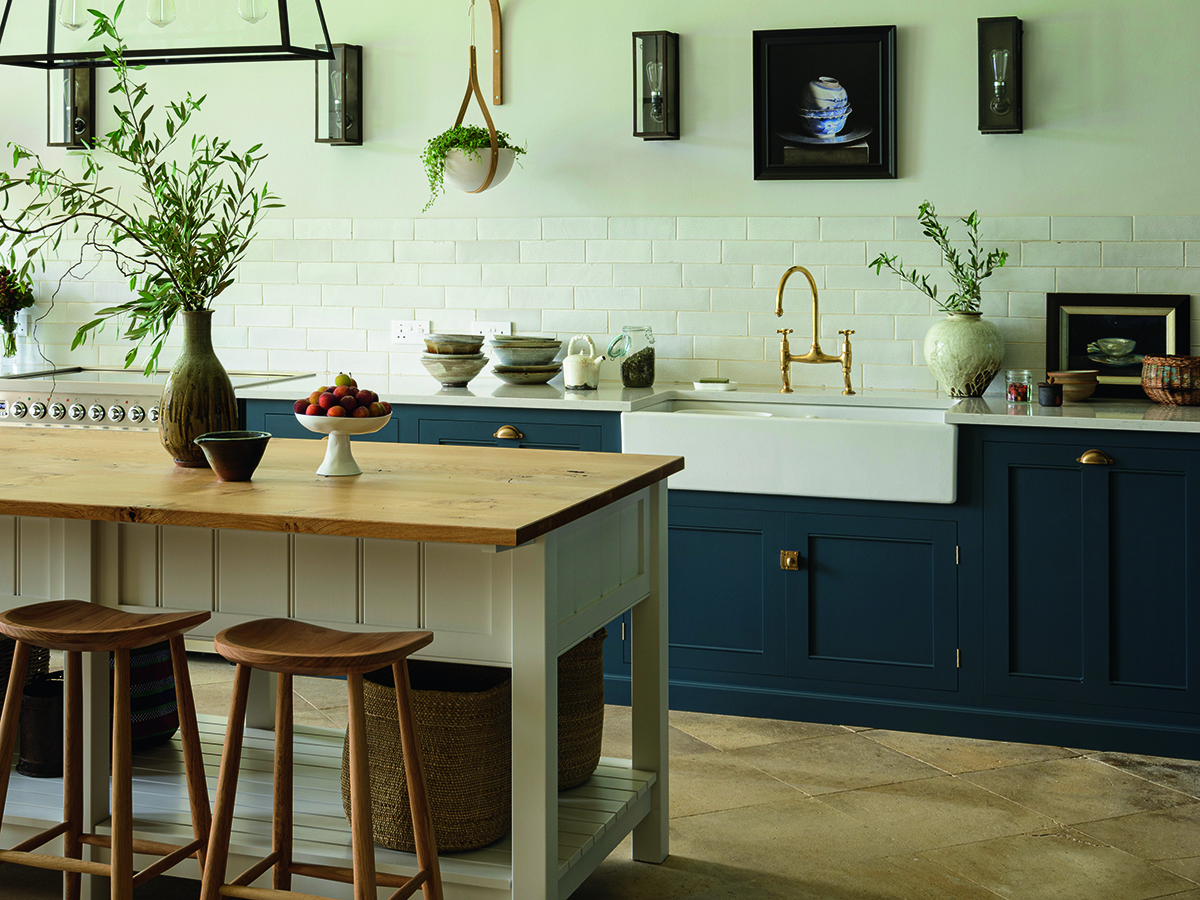
During my flooring research phase, I kept returning to images of European country kitchens with gorgeous natural stone floors. The idea of having authentic stone underfoot in my kitchen felt incredibly appealing, connecting me to centuries of cooking traditions. I spent weeks visiting stone yards and tile showrooms, running my hands over samples of limestone, travertine, and slate, trying to envision which would work best in my space while still feeling authentically country.
I ultimately chose tumbled limestone tiles in a warm, creamy color with subtle fossil markings that added visual interest without being overwhelming. The tumbled finish gave each tile slightly rounded edges and a soft, weathered appearance that looked like it had been worn smooth by generations of use. The 12-inch squares created a classic, timeless pattern that complemented my white farmhouse cabinets perfectly. What I loved most was how cool the stone felt on hot summer days, providing natural temperature regulation in our busy kitchen.
The installation process was more complex than I anticipated, requiring careful attention to leveling and proper sealing techniques. My contractor emphasized the importance of using appropriate grout and sealers to prevent staining and water penetration. While the upfront cost was higher than other options, I’ve found that these stone floors improve with age, developing a beautiful patina that adds character. The maintenance requires more attention than synthetic options, needing periodic resealing, but the authentic beauty and timeless appeal make it worthwhile for the country kitchen aesthetic I was creating.

Reclaimed Wood: Finding Hidden Treasures
My obsession with authenticity led me down the rabbit hole of reclaimed wood flooring, and I quickly became fascinated by the history and character these materials bring to a space. I started visiting architectural salvage yards and connecting with local demolition companies, searching for old barn wood, factory floors, and farmhouse boards that could be transformed into beautiful kitchen flooring. Each piece of reclaimed wood tells a story, complete with nail holes, saw marks, and weathering that simply cannot be replicated in new materials.
The piece of reclaimed chestnut I found came from a 1920s barn that was being demolished about fifty miles from my home. The boards were incredibly wide, some reaching eight inches, with a gorgeous honey-colored patina developed over nearly a century of use. What made this find even more special was discovering remnants of the original milk paint in the cracks and nail holes, adding authentic color variation that brought the history of this wood to life. The character marks, including old square nail holes and gentle wear patterns, created visual interest that made each board unique.
Working with reclaimed wood required patience and expertise that I didn’t initially appreciate. Each board needed individual attention to remove old nails, flatten cupping, and address any structural issues while preserving the character that made it valuable. My flooring contractor had to mill some boards to create a consistent thickness while maintaining the weathered surfaces. The installation took longer than new wood, but the final result was stunning. These floors became an instant conversation starter, and I love sharing the story of their origin with visitors who always comment on their incredible character and warmth.
Engineered Hardwood: Modern Technology Meets Country Charm
When I discovered that my kitchen’s concrete slab foundation wasn’t ideal for solid hardwood, I initially felt disappointed until my contractor introduced me to engineered hardwood options. Modern engineered flooring has come so far from early versions, offering incredible stability and moisture resistance while maintaining the authentic look and feel of solid wood. I found options that perfectly captured the country aesthetic I wanted while providing the practical benefits I needed for my specific installation conditions.
The engineered hickory I selected featured a thick wear layer of real wood over a stable plywood core, giving me the authentic appearance and texture of solid hardwood with enhanced dimensional stability. The planks were five inches wide with beautiful natural color variation and subtle wire-brushed texture that highlighted the grain patterns beautifully. What impressed me most was how the engineered construction allowed for a floating installation over my concrete slab, eliminating moisture concerns that would have made solid hardwood problematic in my situation.
The installation process was surprisingly efficient, taking just two days compared to the week-long process solid hardwood would have required. The floating installation meant no nails or staples, reducing noise and mess considerably. I was amazed at how stable and solid the finished floor felt, with no hollowness or flexing that I had worried about with floating installations. Three years later, these floors have performed beautifully, showing minimal expansion and contraction despite seasonal humidity changes. The authentic wood surface has developed a lovely patina that adds to the country character I was seeking.

Ceramic Tile with Country Character
While researching flooring options, I kept coming across stunning ceramic tiles that perfectly captured country kitchen aesthetics at a fraction of the cost of natural stone. Modern ceramic technology has advanced tremendously, offering tiles that convincingly replicate everything from weathered wood planks to aged stone, complete with realistic textures and color variations. I was particularly drawn to ceramic tiles designed to look like reclaimed barn wood, offering the country charm I wanted with the durability and easy maintenance that ceramic provides.
The ceramic wood-look tiles I chose featured incredible detail, including realistic grain patterns, knots, and color variations that made them virtually indistinguishable from real wood at first glance. The planks were six inches wide and came in lengths varying from 24 to 48 inches, creating a random pattern that looked completely natural. The surface texture was subtle but noticeable, providing slip resistance while maintaining the smooth, easy-to-clean properties that make ceramic so practical for kitchen use. I was amazed at how warm these tiles felt compared to traditional ceramic, thanks to modern manufacturing techniques.
Installation was straightforward, though I learned the importance of using appropriate transition strips where the tile met other flooring materials in adjacent rooms. The grout lines required careful consideration, as wider grout lines enhanced the authentic plank appearance while narrower lines created a more contemporary look. I chose a neutral grout color that complemented the wood tones without creating stark contrasts. The finished floor exceeded my expectations, providing the country kitchen aesthetic I wanted with worry-free maintenance. Spills wipe up easily, and I never concern myself with water damage or scratches from dropped utensils.
What’s the most durable country kitchen flooring option for busy families?
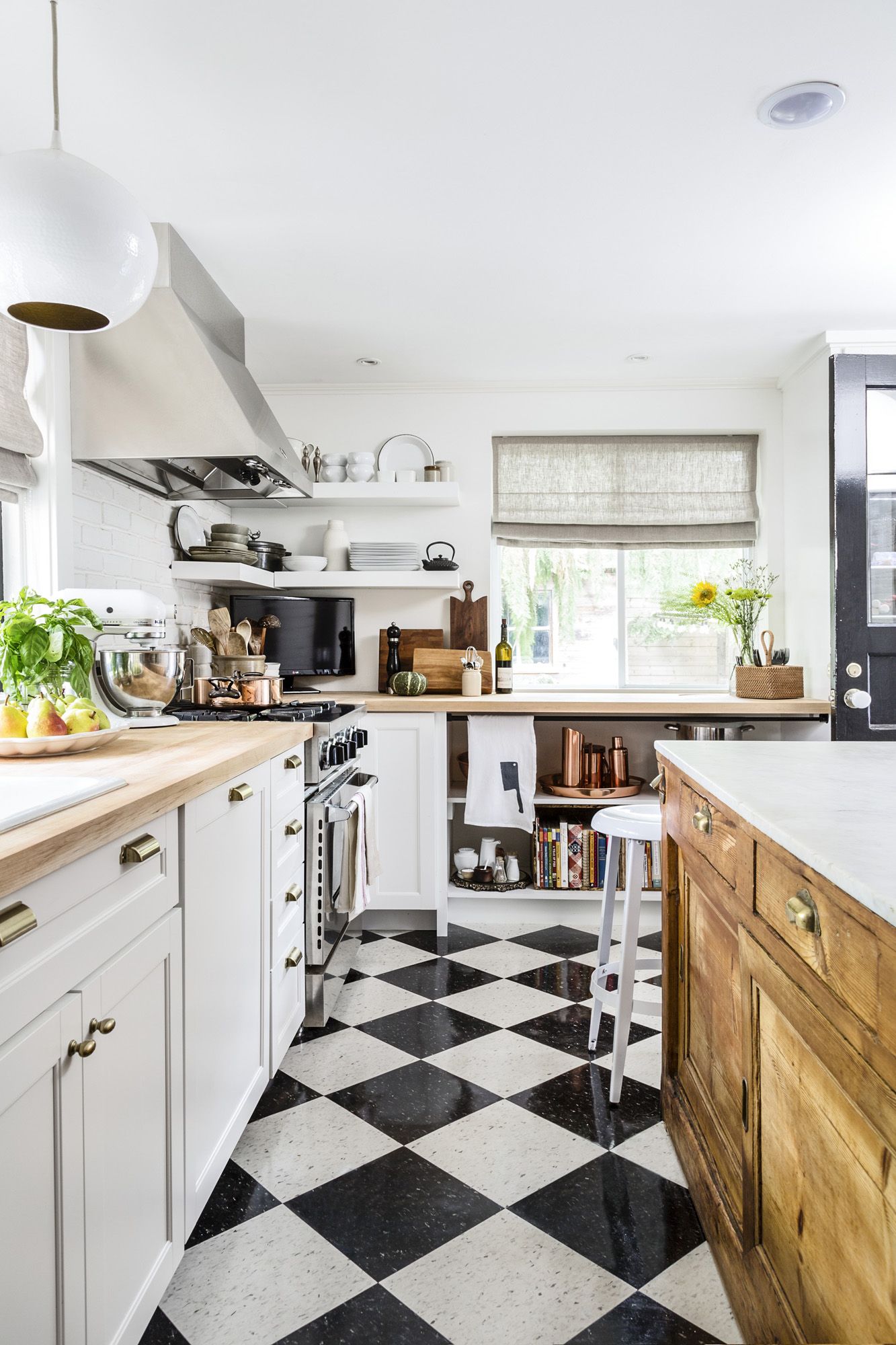
In my experience, luxury vinyl plank has been the most practical choice for busy families wanting a country style. It handles spills, muddy shoes, and pet accidents without damage. I can mop freely without worrying about water penetration, and scratches from dropped items are minimal. The authentic wood-look options available today capture country charm beautifully while standing up to daily family life better than any other option I’ve tried.
How do I achieve authentic country style on a tight budget?
Ceramic wood-look tile offers the best value for an authentic country appearance. I was amazed at how realistic modern ceramic planks look compared to real wood, at a fraction of the cost. Installation is also more affordable since it doesn’t require the specialized skills needed for hardwood. With proper grout selection, ceramic tile can create a convincing country kitchen floor that fits almost any budget.

Is reclaimed wood flooring worth the extra effort and cost?
For me, absolutely yes, but it requires commitment to the process and budget flexibility. Reclaimed wood brings unmatched character and history that you simply cannot get with new materials. However, the sourcing, preparation, and installation processes are more complex and expensive. If authenticity and unique character are your top priorities, and you have the budget, reclaimed wood creates an incomparable country kitchen foundation.
How do wide-plank floors affect the appearance of a small kitchen?
Wide planks made my modest kitchen appear larger and more spacious. The fewer grout lines or board joints create cleaner sight lines that don’t chop up the visual space. I chose five to six-inch wide planks, which provided the country aesthetic without overwhelming my 10×12 kitchen. The key is ensuring proper installation to prevent gaps that can make wide planks look problematic over time.

What maintenance should I expect with natural stone kitchen floors?
Natural stone requires more maintenance than synthetic options, but I’ve found it manageable with proper care. I seal my limestone floors annually and clean up spills promptly to prevent staining. Daily maintenance involves sweeping and occasional damp mopping with stone-specific cleaners. While more involved than vinyl or ceramic, the authentic beauty and character of natural stone make the extra effort worthwhile for the country aesthetic.
Can I install country kitchen flooring myself, or should I hire professionals?
It depends on the material and your skill level. I successfully installed luxury vinyl plank myself over a weekend, saving significantly on labor costs. However, I hired professionals for hardwood and stone installations due to the specialized tools and techniques required. Ceramic tile falls somewhere in between, manageable for experienced DIYers but challenging for beginners. Consider your skills, available time, and budget when making this decision.
Brilliant Kitchen Flooring Ideas That Are Worth Seeing
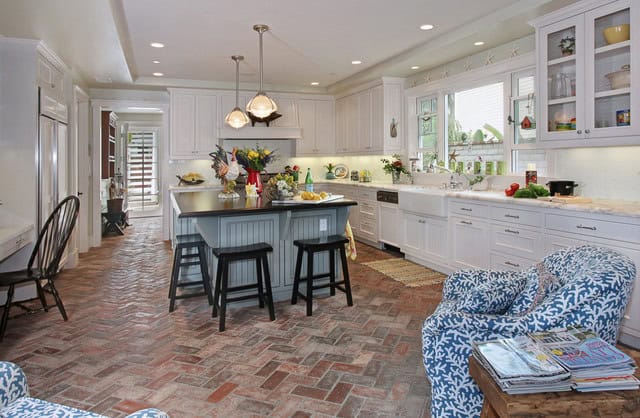
Luxury Country Vinyl Flooring
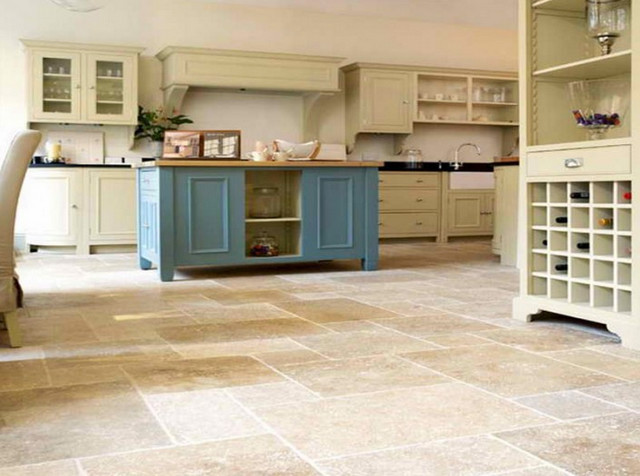
Urban farmhouse kitchen floors ideas kitchen design

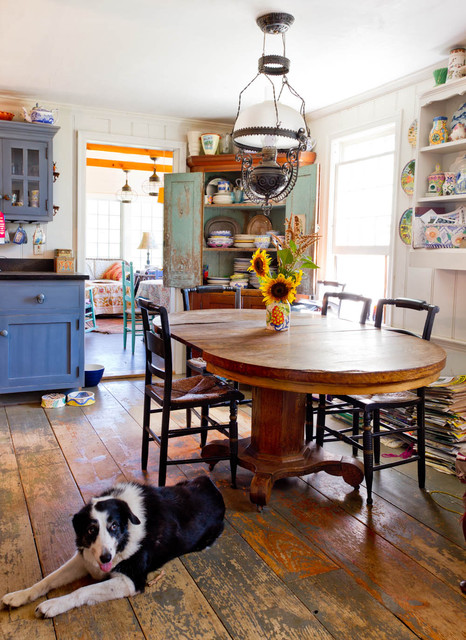
An Antique Cape Cod House Explodes With Color – Country
Related Posts: