When I opened my small restaurant two years ago, I quickly learned that choosing the right commercial kitchen floor would make or break my operation. After months of research and consulting with health inspectors, I realized this wasn’t just about aesthetics; it was about safety, sanitation, and surviving the daily punishment of a busy kitchen. The grease spills, constant water, dropped knives, and heavy equipment movement demanded flooring that could handle it all while meeting strict health codes. What started as a simple flooring decision became one of the most important investments in my restaurant’s success and my staff’s safety.
Understanding Commercial Kitchen Flooring Requirements and Codes
Navigating health department regulations became my first major challenge when selecting commercial kitchen flooring. I learned that local codes vary significantly, but most require non-porous surfaces that can withstand frequent cleaning with harsh chemicals. The health inspector explained that traditional residential flooring materials simply won’t pass inspection because they can harbor bacteria and create slip hazards that pose serious safety risks.
The coefficient of friction requirements surprised me with their specificity. My flooring needed to maintain slip resistance even when wet and greasy, which eliminated many options I initially considered. I had to provide documentation showing the flooring met ADA slip resistance standards of 0.6 or higher, even in wet conditions. This technical requirement guided my material selection more than aesthetic preferences.
Fire resistance ratings became another crucial consideration I hadn’t anticipated. Commercial kitchens require flooring materials that won’t contribute to fire spread or produce toxic fumes during emergencies. I needed to verify that my chosen flooring met Class A fire ratings and could handle the extreme heat from equipment malfunctions or grease fires. These safety requirements significantly narrowed my options but ensured my staff’s protection.
Selecting the Right Material for High-Traffic Kitchen Operations
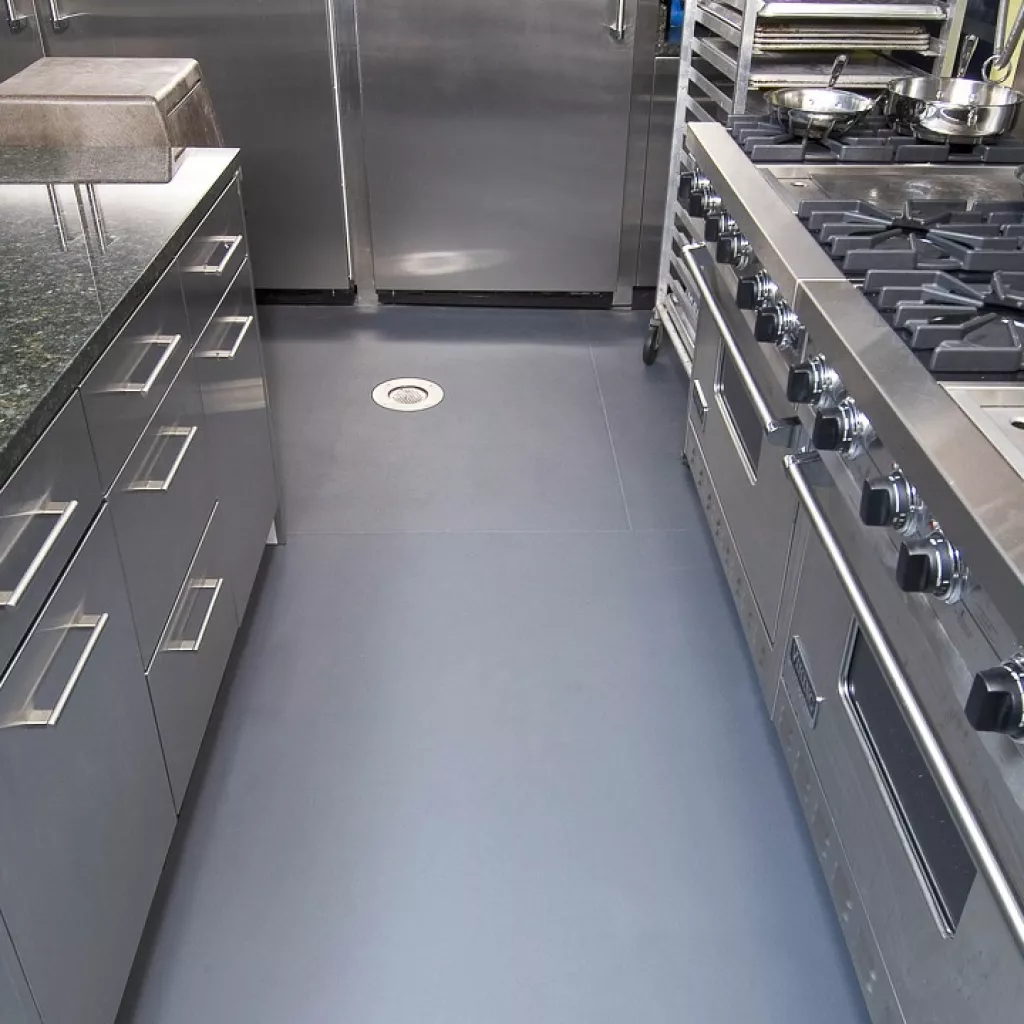
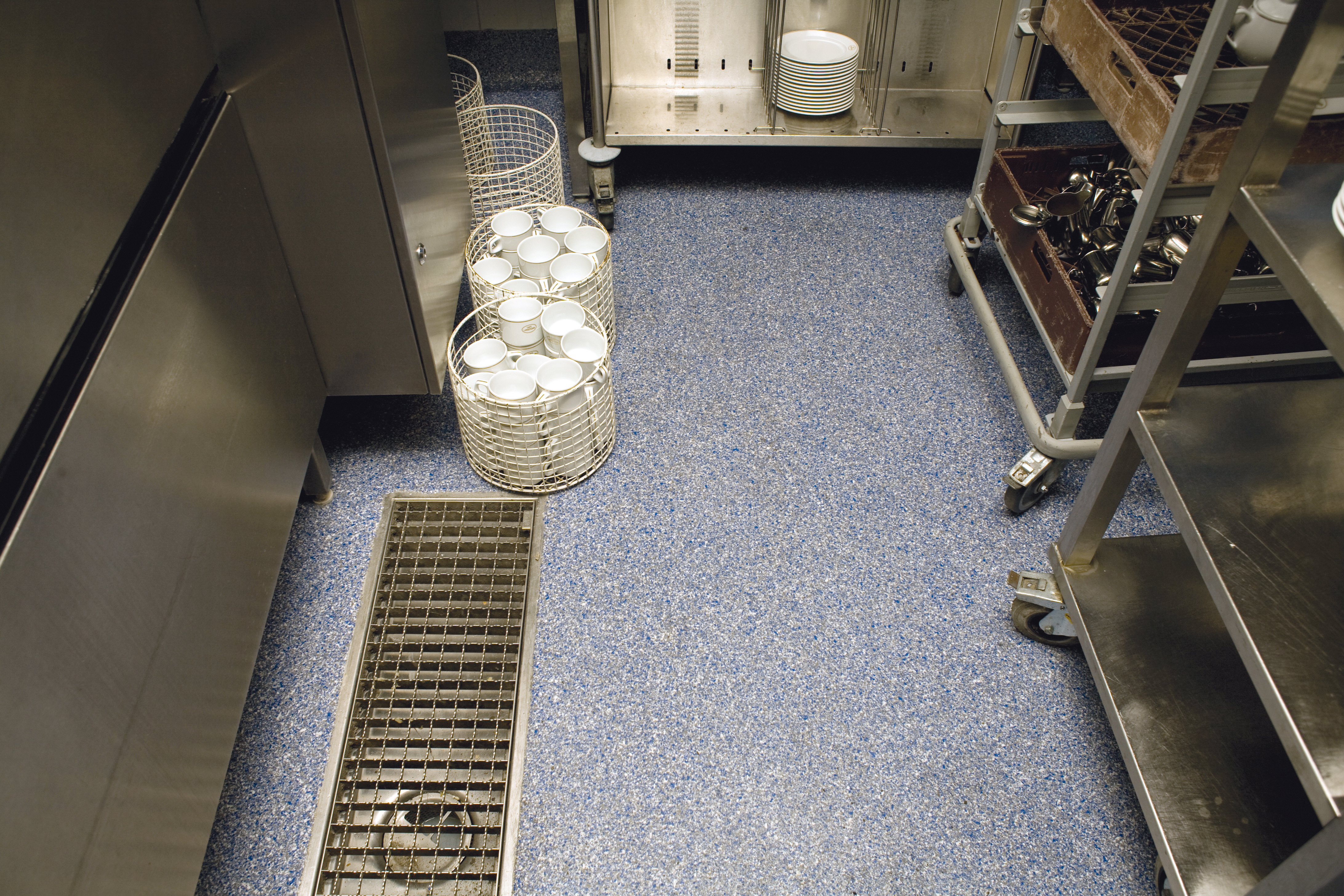
Epoxy resin flooring emerged as my top choice after extensive research and visits to other commercial kitchens. The seamless surface eliminates grout lines where bacteria can hide, while the chemical resistance handles daily cleaning with industrial-strength sanitizers. I chose a system with decorative flakes that provide additional texture for slip resistance while hiding minor scratches and scuffs from daily use.
Polished concrete offered an attractive alternative with excellent durability and lower upfront costs. However, I discovered that proper sealing is absolutely critical for food safety compliance. The concrete needs multiple coats of food-safe sealers to prevent absorption of liquids and odors. While initially less expensive, the ongoing maintenance requirements and potential for cracking made me choose epoxy instead.
Quarry tile appealed to me for its traditional commercial kitchen appearance and proven track record in restaurants. The fired clay material provides excellent slip resistance and can handle extreme temperature changes from freezer to fryer. However, the grout lines require constant attention to prevent bacterial growth, and the installation cost was significantly higher than other options I considered.
Installation Process and Professional Considerations
Finding qualified installers for commercial kitchen flooring proved more challenging than I expected. I learned that residential flooring contractors often lack the specialized knowledge needed for food service applications. The installer I chose had specific experience with health department inspections and understood the precise requirements for proper drainage slopes and cove base installation.
The surface preparation phase took much longer than anticipated, requiring the complete removal of existing flooring down to the structural substrate. My contractor discovered moisture issues that needed addressing before installation could begin. We installed a vapor barrier system and allowed extra curing time to prevent future problems with adhesion and bacterial growth beneath the new flooring.
The installation timing required careful coordination with my restaurant opening schedule. I learned that epoxy systems need several days to cure completely before equipment installation can begin. We scheduled the work during a slow period and ensured adequate ventilation to handle the chemical odors during curing. This planning prevented delays in my opening timeline and ensured proper installation quality.

Managing Daily Maintenance and Cleaning Protocols
Developing effective cleaning protocols became essential for maintaining my commercial kitchen floor’s performance and appearance. I established a schedule of immediate spill cleanup, hourly mopping with sanitizing solution, and deep cleaning every evening after service. The seamless epoxy surface makes this routine manageable, but consistency is crucial for preventing buildup and maintaining slip resistance.
Training my staff on proper floor maintenance proved just as important as selecting the right material. I created clear procedures for different types of spills, emphasizing immediate cleanup of grease and acidic substances that could damage or stain the flooring. Everyone learned to use the correct cleaning products and techniques to maintain the surface’s slip-resistant properties throughout busy service periods.
The evening deep cleaning routine requires industrial-grade equipment that I hadn’t budgeted for initially. I invested in a commercial floor scrubber and wet vacuum system that can handle the daily buildup of grease and food particles. The initial equipment cost was significant, but the time savings and improved cleaning quality made it worthwhile for maintaining a safe, sanitary kitchen environment.

Dealing with Repairs and Long-Term Durability
My epoxy flooring has held up remarkably well over two years of intensive use, but I’ve learned to address minor issues quickly before they become major problems. Small chips from dropped knives or heavy pans can be repaired with matching epoxy compounds if caught early. I keep a repair kit on hand and schedule touch-ups during slower periods to maintain the seamless surface integrity.
Temperature cycling from hot equipment and cold storage areas has caused some minor expansion joint issues that required professional attention. I learned to monitor these areas closely and schedule preventive maintenance annually to prevent water infiltration and bacterial growth. The long-term durability makes these occasional repairs worthwhile compared to replacing damaged flooring sections.
Slip resistance maintenance became an ongoing concern as the surface ages and receives constant cleaning. I have the floor tested annually for friction coefficients and apply specialized treatments when needed to maintain safety standards. This proactive approach prevents accidents and ensures continued compliance with health department requirements during surprise inspections.
Budget Planning and Cost Considerations
The initial investment in quality commercial kitchen flooring was substantially higher than I budgeted for residential renovation projects. My epoxy system cost approximately $8 per square foot installed, compared to residential options that might cost half that amount. However, the durability and reduced maintenance costs have made this investment worthwhile over time.
Hidden costs surprised me during the planning phase, including specialized tools, extended curing time, and temporary flooring needed during installation. I also underestimated the cost of proper floor drains and the sloping required for commercial applications. These additional expenses added about 30% to my initial flooring budget but were necessary for code compliance and proper function.
The ongoing maintenance costs have proven reasonable with proper daily care, but equipment investments were significant initially. Commercial cleaning supplies, floor scrubbers, and periodic professional treatments add up over time. I budget about $200 monthly for floor maintenance supplies and equipment, plus annual professional inspections and treatments that cost around $1,500.

How do I know if my chosen flooring will pass health department inspection?
I always request documentation showing that the flooring meets NSF standards for food service applications. Work with installers experienced in commercial kitchens who understand local health codes. I scheduled a pre-inspection with my health department to verify compliance before my restaurant’s opening.
Can I install commercial kitchen flooring myself to save money?
I strongly advise against DIY installation for commercial kitchen floors. The specialized knowledge needed for proper drainage, chemical resistance, and health code compliance requires professional expertise. Improper installation can lead to failed inspections and expensive remediation that costs more than professional installation.

How long will commercial kitchen flooring last with heavy use?
My epoxy flooring is still performing well after two years of intensive restaurant use. With proper maintenance, quality commercial flooring should last 10-15 years or more. The key is addressing minor issues quickly and maintaining proper cleaning protocols to prevent premature wear and damage.
What’s the biggest mistake to avoid when selecting commercial kitchen flooring?
Don’t choose flooring based solely on initial cost. I learned that cheaper options often fail prematurely or require expensive ongoing maintenance. Focus on the total cost of ownership, including installation, maintenance, and replacement costs over the flooring’s expected lifespan.

How do I maintain slip resistance in a greasy kitchen environment?
I use commercial degreasers during daily cleaning and have the floor professionally deep cleaned monthly. Non-slip additives can be applied to epoxy surfaces if needed. The key is immediate cleanup of spills and using proper cleaning products that don’t leave residue that reduces traction.
Are there eco-friendly options for commercial kitchen flooring?
Yes! I researched recycled rubber and bio-based epoxy systems that meet commercial kitchen requirements. These options cost slightly more initially but offer excellent durability and sustainability benefits. Verify that any eco-friendly option still meets health department requirements for your area.
Commercial Kitchen Flooring
Five Flooring Considerations for Commercial Kitchens Modern
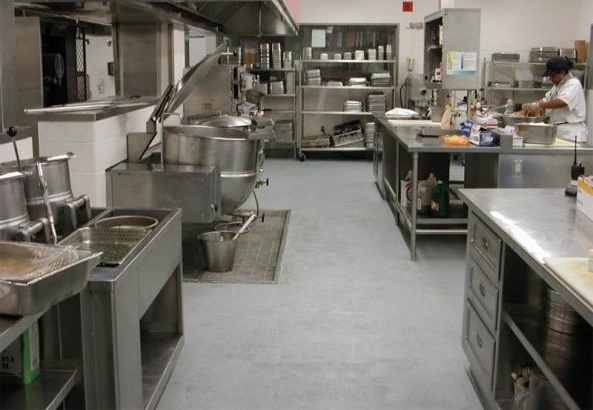
Commercial Kitchen Floor

Related Posts: