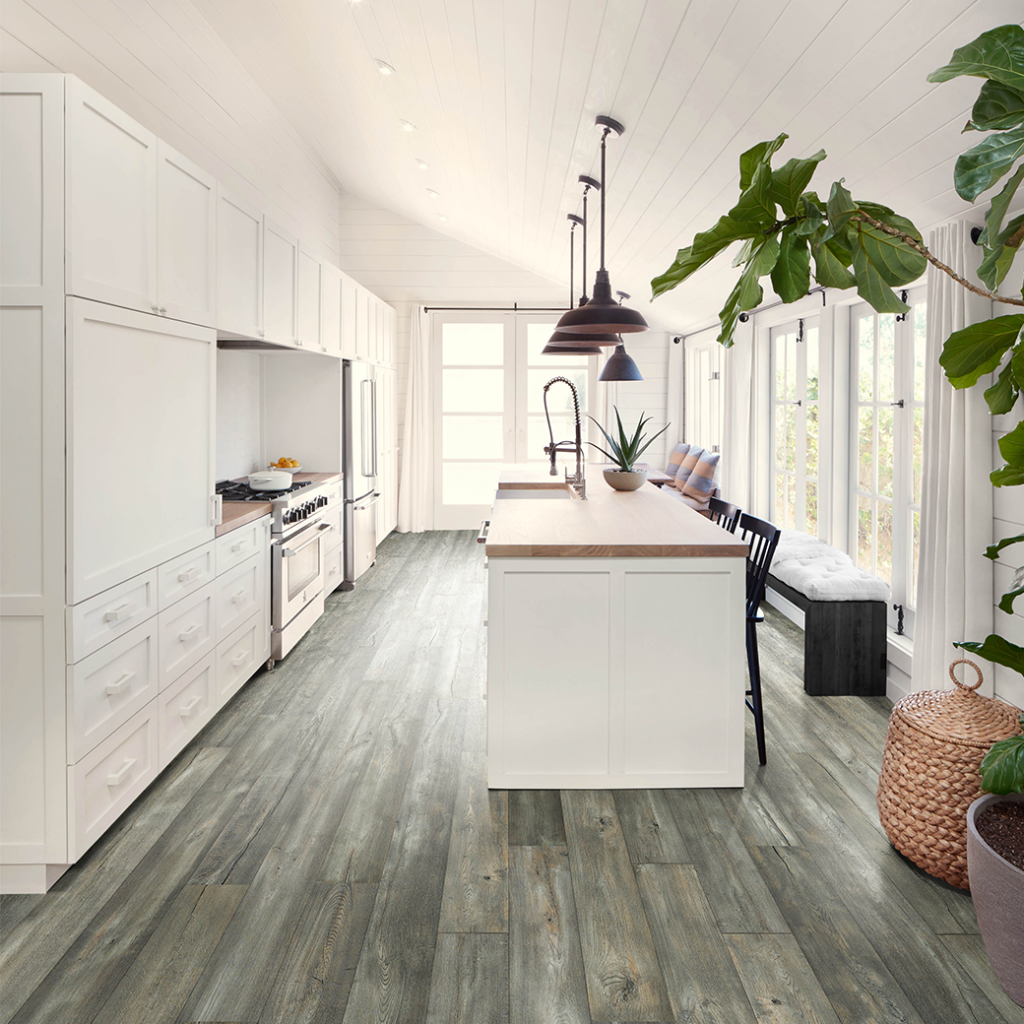
When I started planning my kitchen renovation two years ago, I was terrified of choosing the wrong flooring. The kitchen is where my family spends most of our time, and I knew whatever I picked would need to handle spills, dropped utensils, heavy foot traffic, and my kids’ daily chaos. After months of research and countless samples scattered across my countertops, I chose light grey wood flooring, and it’s been the foundation of a kitchen transformation I love. The soft grey tones have created this beautiful, airy space that feels both modern and timeless. Let me share my journey with light grey wood floors in the kitchen and why they might be perfect for your renovation, too.
Discovering Light Grey: Why I Moved Away from Traditional Kitchen Flooring
My original plan involved classic honey oak floors because that’s what everyone in my neighborhood seemed to choose for their kitchens. However, when I started looking at samples next to my white cabinets and stainless steel appliances, the warm wood tones felt dated and didn’t complement my modern aesthetic goals. I wanted something that would make my galley kitchen feel larger and brighter while still providing the warmth and character that only real wood can offer.
Light grey wood flooring appeared in a home design magazine I was reading, and I was immediately intrigued by how sophisticated and contemporary it looked. The grey tones seemed to bridge the gap between the coolness of my stainless appliances and the warmth I wanted from natural wood. I realized this could be the perfect neutral backdrop that would allow my colorful dishes, artwork, and accessories to pop against the subtle flooring.
The more I researched grey wood floors, the more convinced I became that they represented a smart long-term choice. Unlike trendy colors that might feel dated in a few years, grey has this timeless quality that works with both traditional and contemporary design elements. I could envision changing my kitchen’s color scheme over time without worrying about the floors clashing with new choices. This versatility was crucial for someone like me who loves to refresh my decor seasonally.
Installation Challenges: Navigating Kitchen-Specific Considerations
Installing wood floors in a kitchen presented unique challenges I hadn’t anticipated when planning my renovation timeline. The biggest issue was coordinating the flooring installation with my cabinet work, appliance delivery, and plumbing updates. I learned that the sequence of these projects matters enormously for achieving professional results and avoiding costly mistakes or damage to new materials during the construction process.
Moisture protection became a major concern since kitchens face more humidity and potential water exposure than other rooms. My flooring contractor recommended upgraded moisture barriers and insisted on leaving expansion gaps around the perimeter that would be covered by baseboards and cabinet toe kicks. We also had to carefully plan around my dishwasher and refrigerator connections to ensure the flooring wouldn’t interfere with appliance operation or future maintenance access.
The actual installation took longer than expected because the light grey finish required extra care to prevent damage during the construction phase. Every other trade working in my kitchen had to remove shoes and use protective coverings to avoid scratching or staining the new floors. This attention to detail added time and complexity to my renovation schedule, but protecting my investment in quality flooring was worth the extra coordination and precautions.

Daily Performance: How Light Grey Handles Real Kitchen Life
Living with light grey wood floors in my kitchen daily has taught me exactly how this flooring choice performs under real family conditions. The light color does show dust, crumbs, and spills more readily than darker floors would, but I’ve found this helps me maintain a cleaner kitchen since I notice messes immediately rather than letting them accumulate. A quick sweep while I’m waiting for coffee to brew keeps them looking great.
Stain resistance has been better than I expected. Coffee spills, pasta sauce splatters, and even red wine accidents have been cleaned up completely without leaving permanent marks. The key is wiping up spills quickly rather than letting them sit. I keep a stack of microfiber cloths in my kitchen specifically for immediate cleanup, which has become second nature after two years of this routine.
The durability has impressed me, considering how much activity my kitchen sees. Dropped pots, sliding chairs, and daily foot traffic from four family members haven’t caused significant visible damage. There are a few minor scratches near the sink and stove areas, but they’re barely noticeable in the grey wood’s natural grain patterns. The floors still look beautiful and contribute to that bright, welcoming atmosphere I wanted to create.

Design Integration: Creating Cohesion with Kitchen Elements
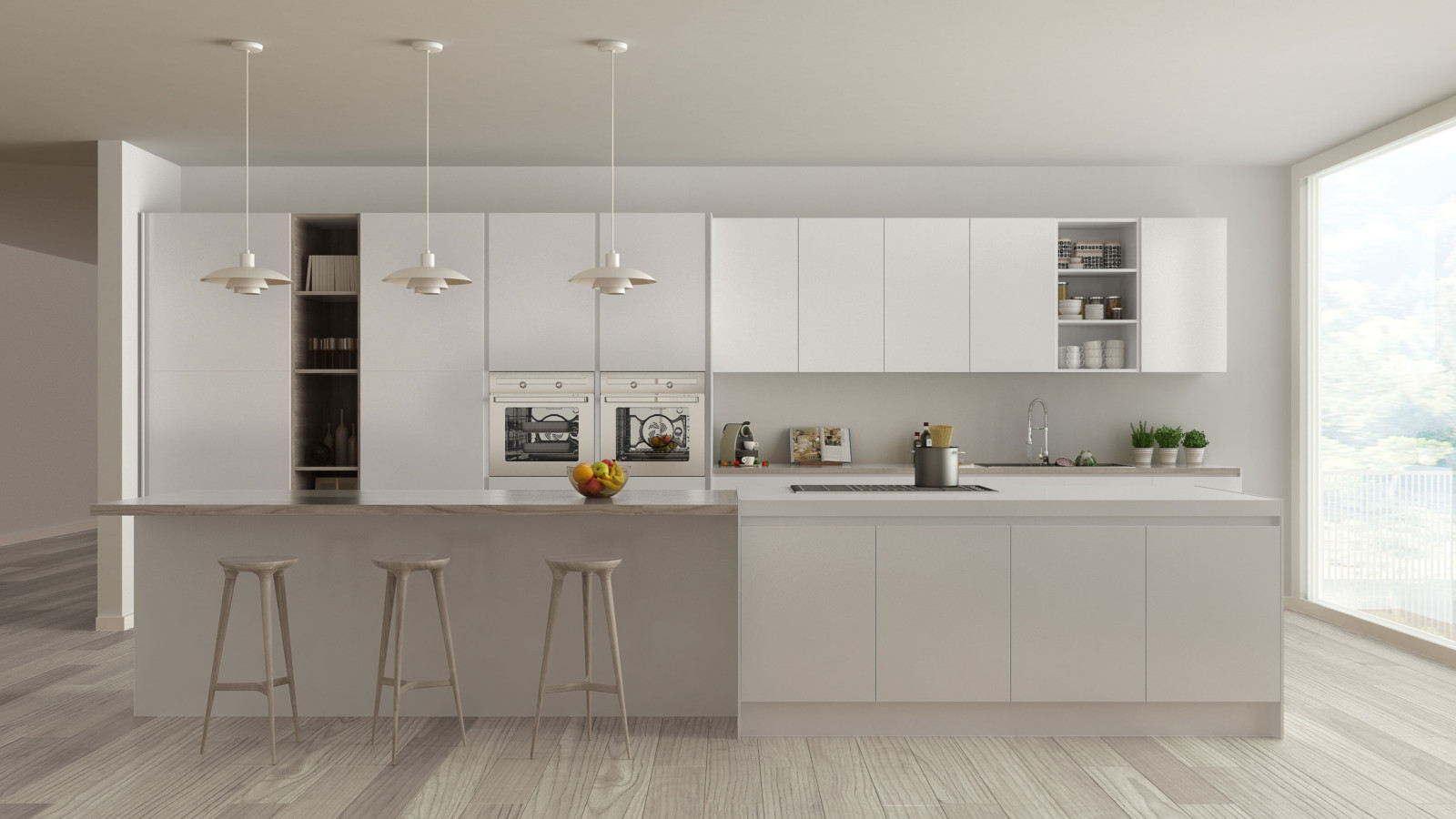
Coordinating light grey floors with my kitchen’s other design elements required careful planning to avoid a cold, sterile appearance. I chose warm white cabinets with subtle cream undertones rather than pure white, which created a softer contrast with the grey flooring. The combination feels sophisticated and contemporary without being stark or unwelcoming. This balance was crucial for maintaining the cozy family kitchen atmosphere I wanted.
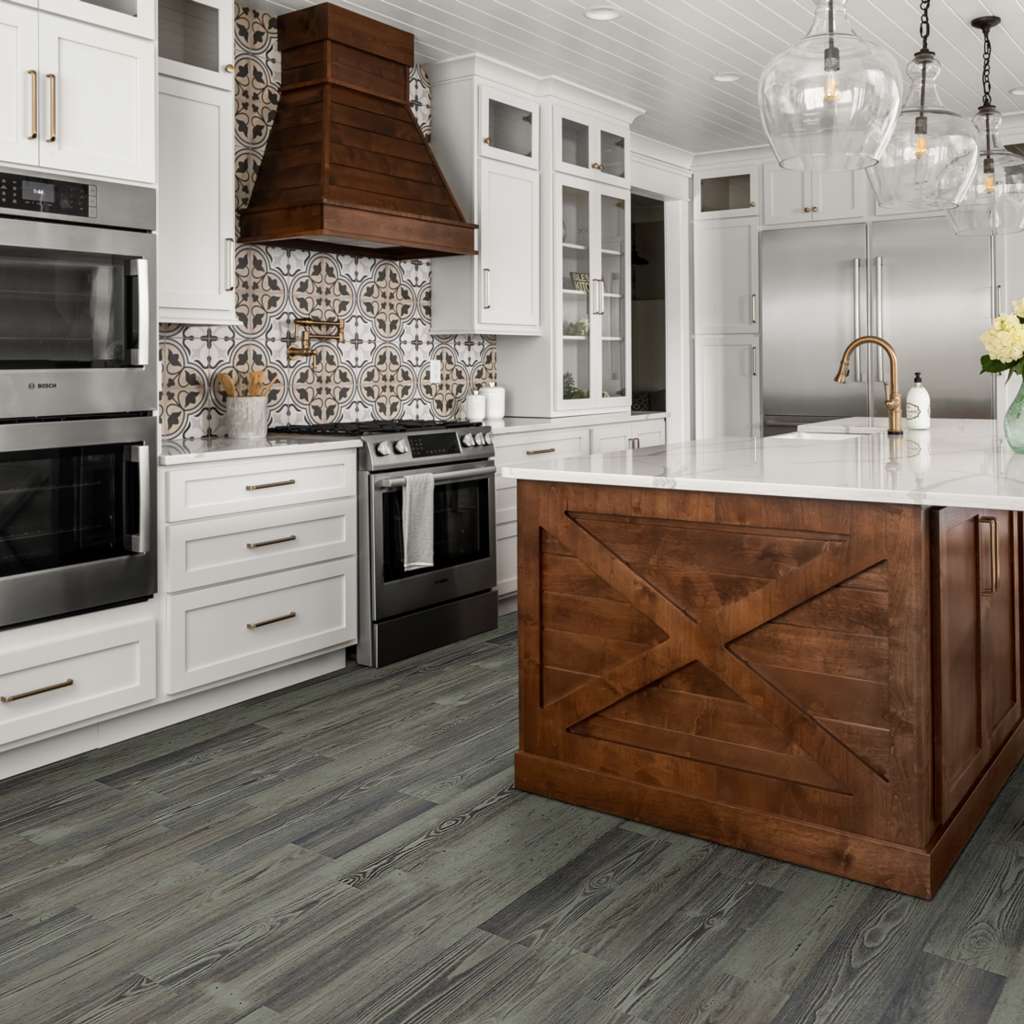
Hardware and fixture selection became more important than I realized when working with grey floors. I opted for brushed gold cabinet pulls and faucet finishes, which add warmth and richness against the cool grey tones. These metallic accents prevent the space from feeling too monochromatic while maintaining the modern aesthetic. Stainless steel appliances provide a nice bridge between the warm and cool elements throughout the kitchen.
Color coordination with my backsplash and countertops took several rounds of samples to get right. I ultimately chose white marble-look quartz counters with subtle grey veining that echoes the floor color, creating visual continuity without being too matchy. The subway tile backsplash in warm white ties everything together while adding texture. These coordinated neutral tones create a sophisticated foundation that lets me add personality through artwork, plants, and colorful accessories.

Maintenance Realities: Keeping Grey Wood Floors Beautiful
Maintaining light grey wood floors in my kitchen requires more frequent cleaning than darker floors would, but the routine has become manageable once I established good habits. Daily maintenance involves sweeping or vacuuming to remove crumbs and debris that show clearly against the light background. I use a handheld vacuum specifically for quick cleanups around the dining table and cooking areas where messes tend to concentrate.
Weekly deep cleaning involves damp mopping with a pH-neutral wood floor cleaner. The light color means I can see exactly where cleaning is needed, which makes the process more efficient than guessing with darker floors. I’ve learned to use minimal moisture and work in small sections, immediately drying each area to prevent water from seeping between boards. This careful approach has kept my floors looking like new.
Preventive maintenance has become part of my routine to protect my investment. I use furniture pads under all chairs and barstools to prevent scratching when they’re moved. Mats near the sink and stove catch most spills before they reach the floor. Every six months, I apply a wood floor polish specifically designed for grey finishes, which restores the luster and adds an extra layer of protection against kitchen hazards.
Style Evolution: How the Look Has Developed Over Time
Two years after installation, I’m fascinated by how my light grey floors have influenced my kitchen’s overall style evolution. Initially, I played it safe with very neutral accessories and minimal color, worried about clashing with my new floors. Over time, I’ve gained confidence in experimenting with bolder colors and patterns because the grey provides such a versatile foundation that works with almost everything.
The floors have encouraged me to incorporate more texture and natural materials into my kitchen design. I’ve added woven baskets for storage, wooden cutting boards as decorative elements, and plants that bring life and color against the subtle grey backdrop. These organic elements prevent the space from feeling too sleek or cold while maintaining the modern aesthetic I love.
Seasonal decorating has become more enjoyable with grey floors as my base. Spring pastels, summer brights, autumn oranges, and winter reds all look stunning against the neutral flooring. I can change my kitchen’s entire mood just by swapping out towels, artwork, and small accessories. This flexibility has made my kitchen feel fresh and current throughout different seasons and as my design preferences have evolved.

Long-Term Satisfaction: Investment Analysis and Future Planning
Looking back on my decision to install light grey wood floors in my kitchen, the investment has exceeded my expectations in terms of both functionality and aesthetic satisfaction. The initial cost was significant, but the daily pleasure I get from cooking and entertaining in this beautiful space makes every penny feel well spent. The floors have transformed my kitchen from a purely functional space into a room where I genuinely love spending time.
Property value considerations played a role in my original decision, and I’m confident these floors will appeal to future buyers if I ever sell my home. The neutral grey color and natural wood material represent a timeless choice that won’t feel dated or limit potential buyers’ decorating options. Real estate agents consistently tell me that quality hardwood floors, especially in popular colors like grey, add significant value to homes.
Future maintenance planning gives me confidence in the long-term viability of my choice. I know these floors can be refinished and restained if my preferences change or if wear becomes noticeable over time. The quality construction and installation mean I’m looking at decades of beautiful flooring with proper care. This longevity makes the initial investment feel even more worthwhile as I consider the cost per year of enjoyment.

Do light grey wood floors show dirt and spills more than darker colors?
Yes, crumbs and spills are more visible on light grey floors, but I’ve found this helps me keep a cleaner kitchen. I notice messes immediately and clean them up right away rather than letting them accumulate. The trade-off is worth it for how bright and spacious the light color makes my kitchen feel, especially in my smaller galley layout.
How do light grey floors hold up to heavy kitchen traffic and spills?
After two years of daily family use, my floors still look great. The key is immediate cleanup of spills and using quality finishes that resist stains. I’ve had coffee, wine, and sauce spills that cleaned up completely. The wood’s natural durability handles dropped items and foot traffic well, with only minor scratches that blend into the grain pattern.

Are light grey wood floors a trendy choice that will look dated soon?
I don’t think so. Grey is a classic neutral that works with both traditional and modern styles. Unlike bold colored floors that might feel dated, grey wood has timeless qualities similar to natural wood tones. I can change my kitchen’s color scheme without worrying about the floors clashing, which gives me confidence in the long-term appeal.
What’s the best way to maintain light grey wood floors in a busy kitchen?
Daily sweeping or vacuuming is essential since debris is clearly visible. I do weekly damp mopping with wood floor cleaner, using minimal water. Furniture pads prevent scratching, and mats near sinks catch spills. The maintenance routine is simple once you establish good habits, and the light color makes it easier to see exactly where cleaning is needed.
How do you coordinate kitchen design elements with light grey floors?
I chose warm white cabinets and brushed gold hardware to add warmth against the cool grey tones. Marble-look counters with grey veining create continuity without being too matchy. The neutral floor allows me to add personality through colorful accessories, plants, and artwork. The key is balancing warm and cool elements to avoid a sterile appearance.
Do light grey floors make a small kitchen feel larger?
Absolutely! The light color reflects more light and creates an airy, open feeling that makes my galley kitchen feel much more spacious. Combined with white cabinets, the floors help bounce light around the room. This brightness effect was one of my main goals, and the grey floors delivered exactly what I hoped for in terms of visual expansion.
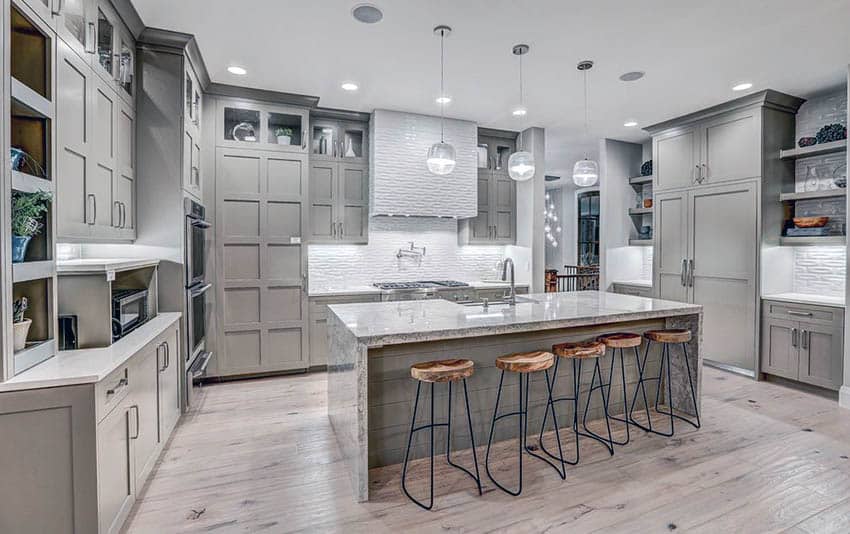
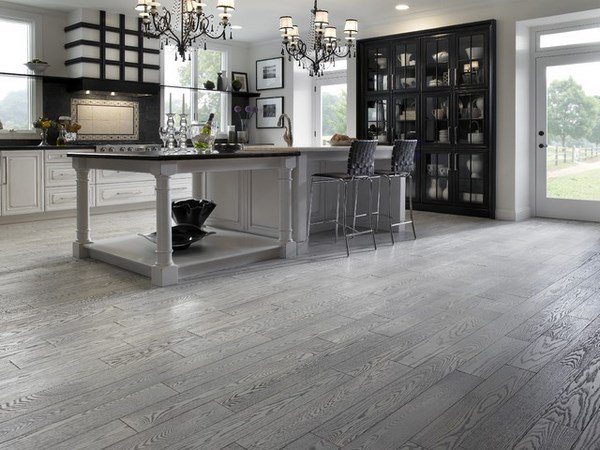
Cool Kitchen Designs With Gray Floors Grey kitchen floor

VÄLINGE FLOORING
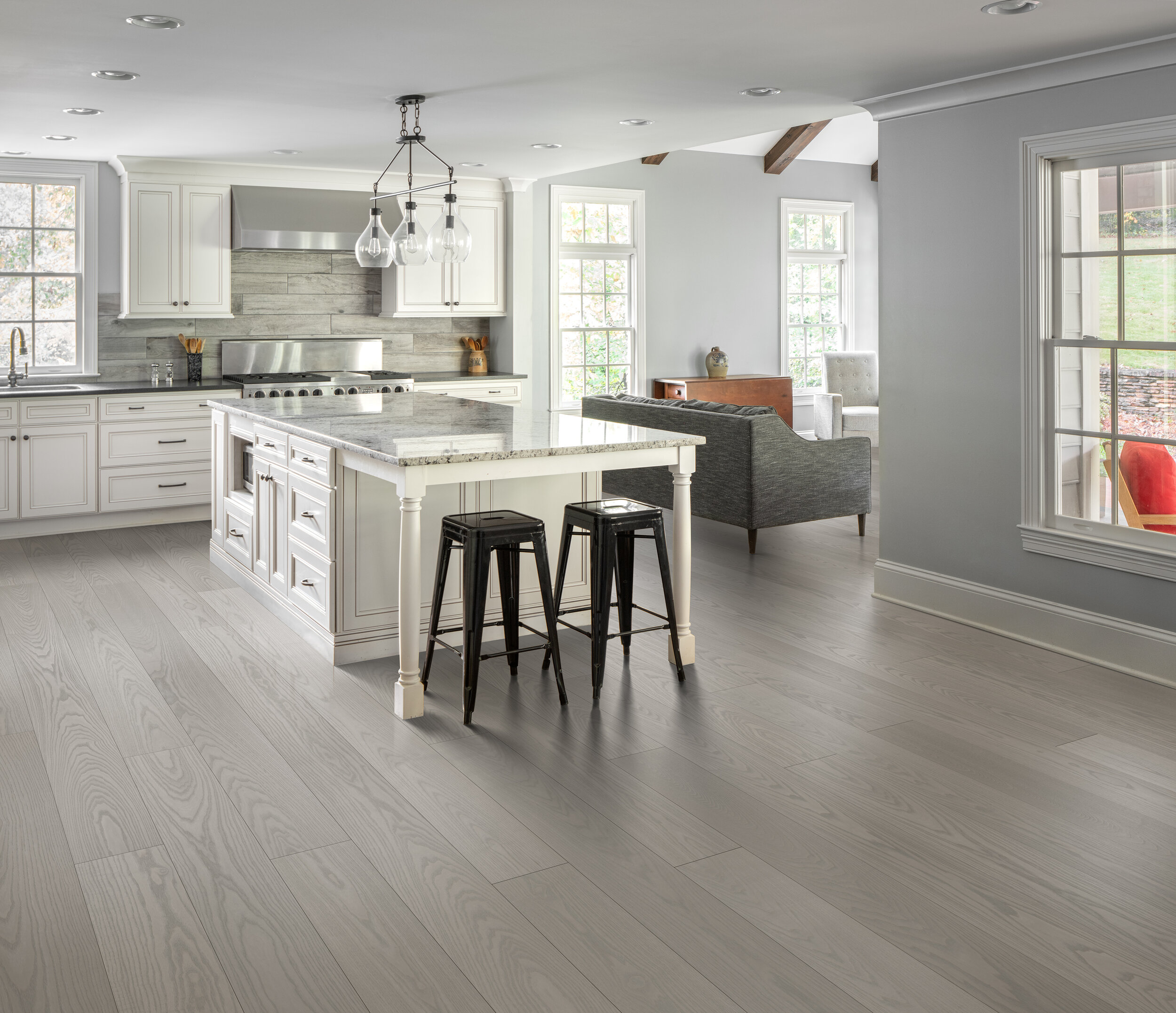
Beautiful Wood Floors In The Kitchen

Hardwood Floors in the Kitchen? Yes! – 1 Kitchen, 6 Wood Floors
Cool Kitchen Designs With Gray Floors
Related Posts: