When I first considered cream tiles for my kitchen renovation two years ago, I’ll admit I was skeptical. Everyone warned me about light floors showing every speck of dirt, and I worried cream would make my space feel bland or dated. But after living with my gorgeous cream ceramic tiles for over two years now, I can honestly say it was one of the best design decisions I’ve ever made. The warmth and versatility they bring to my kitchen have completely transformed the space, creating a foundation that works beautifully with both my rustic farmhouse elements and modern appliances. Let me share why cream kitchen tiles might be exactly what your space needs.
Classic Cream Ceramic: Timeless Appeal with Modern Durability
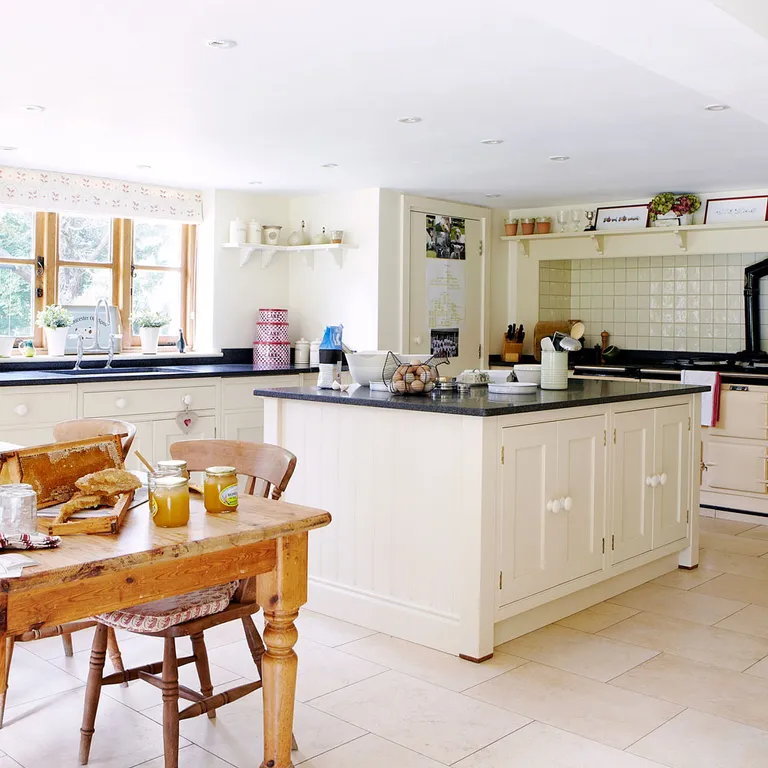
My journey started with traditional cream ceramic tiles, and I’m so glad I chose this tried-and-true option for my kitchen. I selected 12×12-inch ceramic tiles in a soft cream with subtle beige undertones that complement both my white cabinets and warm wood island. The beauty of ceramic lies in its versatility; these tiles have worked seamlessly through two different backsplash changes and will adapt to future style updates without looking outdated or trendy.
The durability of quality ceramic tiles has impressed me daily. My kitchen sees heavy traffic with three kids, two dogs, and constant cooking, yet these tiles still look as beautiful as on installation day. I chose a glazed finish that resists stains and moisture while maintaining easy cleanup. Even my messiest baking sessions and the occasional wine spill clean up effortlessly with just warm water and mild soap. The ceramic surface stays cool underfoot, which I particularly appreciate during hot summer cooking sessions.
Installation was straightforward, and my contractor noted that ceramic tiles are forgiving for DIY enthusiasts compared to natural stone options. The consistent sizing and thickness made layout planning simple, and we achieved perfectly straight grout lines without the challenges that come with handmade or natural tiles. The cost was reasonable too, allowing me to invest more budget in quality installation and beautiful hardware elsewhere in the kitchen renovation.
Cream Stone Look Porcelain: Natural Beauty Without the Maintenance
For my powder room off the kitchen, I chose porcelain tiles that mimic cream-colored travertine, and the results have been stunning. These tiles provide all the organic beauty and texture variation of natural stone while offering superior durability and stain resistance. The cream base with subtle gray and beige veining creates depth and interest that photographs beautifully and never looks boring, even in the smaller space.
The technology in today’s porcelain tile manufacturing amazes me. My tiles have such a realistic texture and color variation that guests consistently ask if they’re real stone. The matte finish feels authentic underfoot while providing excellent slip resistance, crucial for a kitchen environment where spills happen regularly. Unlike natural stone, these require no sealing or special maintenance beyond regular cleaning with standard tile cleaners.
Large format options in cream stone-look porcelain create a particularly dramatic effect. I used 18×18-inch tiles in the powder room, and the minimal grout lines make the space feel larger and more luxurious. The consistent sizing and rectified edges allow for tight grout joints that look professionally installed. This style works beautifully in both traditional and contemporary kitchen designs, making it a safe choice that won’t look dated in future years.

Subway Tiles in Cream: Fresh Takes on a Classic Pattern
The cream subway tile trend caught my attention when I was planning my backsplash, but I discovered these versatile tiles work beautifully on floors, too. I used 3×6 inch cream subway tiles in my butler’s pantry area, installed in a classic running bond pattern that creates subtle visual interest without overwhelming the small space. The elongated shape makes the narrow pantry feel wider and more spacious than it actually is.
What I love about cream subway tiles is their chameleon-like quality. They look perfectly at home in my farmhouse-style kitchen but would work equally well in a modern or transitional space. I’ve seen them installed in herringbone patterns for more drama, or in vertical orientations for unique contemporary appeal. The cream color adds warmth that pure white subway tiles sometimes lack, while still providing the classic clean aesthetic.
The practical benefits of subway tiles for kitchen floors include easy replacement if damage occurs and straightforward installation that keeps costs reasonable. The smaller size accommodates curves and corners better than large format tiles, making them ideal for kitchens with lots of angles or obstacles. I appreciate that individual damaged tiles can be replaced without disrupting large areas, something that proved valuable when I accidentally dropped a cast iron pan.

Textured Cream Tiles: Adding Depth and Interest
My experience with smooth tiles led me to explore textured options for visual and tactile interest. I chose cream tiles with a subtle linen-like texture for the kitchen island area, creating a beautiful contrast with the smooth ceramic surrounding it. The texture adds sophisticated depth while maintaining the cohesive cream color palette throughout the space. This approach allowed me to create zones within the open floor plan without using different colors.
The slip resistance provided by textured cream tiles has practical benefits beyond aesthetics. The subtle texture grips feet naturally, reducing slip hazards near the sink and stove areas where water and oil spills commonly occur. Unlike aggressive textures that can be difficult to clean, the fine texture on my tiles wipes clean easily while still providing the safety benefit. This balance between form and function makes textured options particularly appealing for busy family kitchens.
I’ve discovered that textured cream tiles photograph beautifully, creating visual interest that shows up in pictures much better than flat surfaces. The texture catches light differently throughout the day, making the space feel dynamic and alive. This quality has been particularly appreciated during virtual meetings conducted from my kitchen island, where the floor provides an attractive backdrop without being distracting or busy.

Patterned Cream Tiles: Making a Statement
For clients seeking more dramatic flair, I always recommend considering patterned cream tiles as accent pieces. In my own kitchen, I used patterned cream and white cement tiles to create a runner effect leading from the back door to the island. The geometric pattern adds personality and defines the pathway while maintaining the overall cream color scheme that unifies the space beautifully.
The key to successfully incorporating patterned cream tiles is restraint and balance. I limited the patterned area to about 20% of the total floor space, using solid cream tiles for the majority of the kitchen. This approach creates focal points without overwhelming the senses or competing with other design elements like cabinet hardware or lighting fixtures. The cream base keeps even bold patterns feeling cohesive rather than chaotic.
Maintenance of patterned tiles requires slightly more attention than solid colors, as dirt can accumulate in recessed areas of the pattern. However, I’ve found that regular sweeping and weekly mopping keep them looking fresh. The cement tile material I chose requires sealing every few years, but the protection prevents staining and makes daily cleanup much easier. The extra maintenance is worth it for the unique character these tiles bring to the space.
Combining Cream Tiles with Other Design Elements
The versatility of cream tiles became most apparent when I started selecting other kitchen finishes. These neutral tiles work beautifully with both warm and cool color palettes, allowing me to change accent colors seasonally without the floor looking out of place. I’ve paired them successfully with navy blue cabinets, sage green accents, and classic white elements, proving their adaptability across different style directions.
Lighting plays a crucial role in how cream tiles appear throughout the day. Under warm LED lighting, they take on honey undertones that create a cozy, inviting atmosphere. Natural daylight brings out the cooler undertones, making the space feel fresh and airy. I installed under-cabinet lighting that grazes across the floor, highlighting the tile texture and creating beautiful shadows that add depth to the space.
The grout color selection significantly impacts the final appearance of cream tile installations. I chose a grout slightly darker than the tiles to define each piece while maintaining the overall cohesive look. Bright white grout would have created too much contrast, while matching cream grout would have made the installation look flat and uninteresting. The subtle contrast defines without being bold or distracting from the overall design harmony.

Do cream kitchen floor tiles show dirt and stains easily?
Surprisingly, no! I was worried about this too, but cream tiles actually hide everyday dust and light debris better than pure white or very dark tiles. Spills are visible but clean up easily with proper glazing. The key is choosing quality tiles with good stain resistance and maintaining them with regular sweeping and weekly mopping. I’ve been pleasantly surprised by how forgiving they are.
Are cream tiles too neutral and boring for a kitchen?
Not at all! I thought this initially, but cream tiles provide a beautiful, warm foundation that lets other elements shine. They work with any cabinet color, allow you to change accent colors easily, and create a timeless look that won’t date quickly. The subtle variations in cream tiles add plenty of visual interest without being overwhelming or trendy.

How do cream tiles work with pets and kids?
Excellent! My tiles hide pet hair better than dark floors and show fewer scratches than soft materials. Kids’ spills clean up easily, and the smooth surface doesn’t harbor bacteria like grout-heavy options might. I chose textured varieties near high-traffic areas for slip resistance. The durability means I don’t worry about damage from dropped toys or pet claws.
What’s the best grout color for cream kitchen tiles?
I recommend grout one shade darker than your tiles for subtle definition without harsh contrast. Pure white grout looks too stark, while matching cream can appear flat. I used a warm beige grout that complements the tiles while providing enough contrast to see the pattern. This choice has stayed looking clean and intentional over two years.
Are cream tiles harder to maintain than other colors?
Actually, they’re easier! Unlike white tiles that show every mark or dark tiles that show dust and water spots, cream hit the sweet spot for hiding everyday wear. I clean them the same way as any tile, with regular sweeping and weekly mopping using standard tile cleaner. No special products or extra maintenance required.
Will cream kitchen floor tiles go out of style?
Cream is a classic neutral that’s been popular for decades and shows no signs of fading. Unlike trendy colors that date quickly, cream works with changing styles and cabinet updates. I’ve already changed my backsplash and hardware twice, and the cream tiles still look perfect. They’re a safe investment that will look good for years to come.

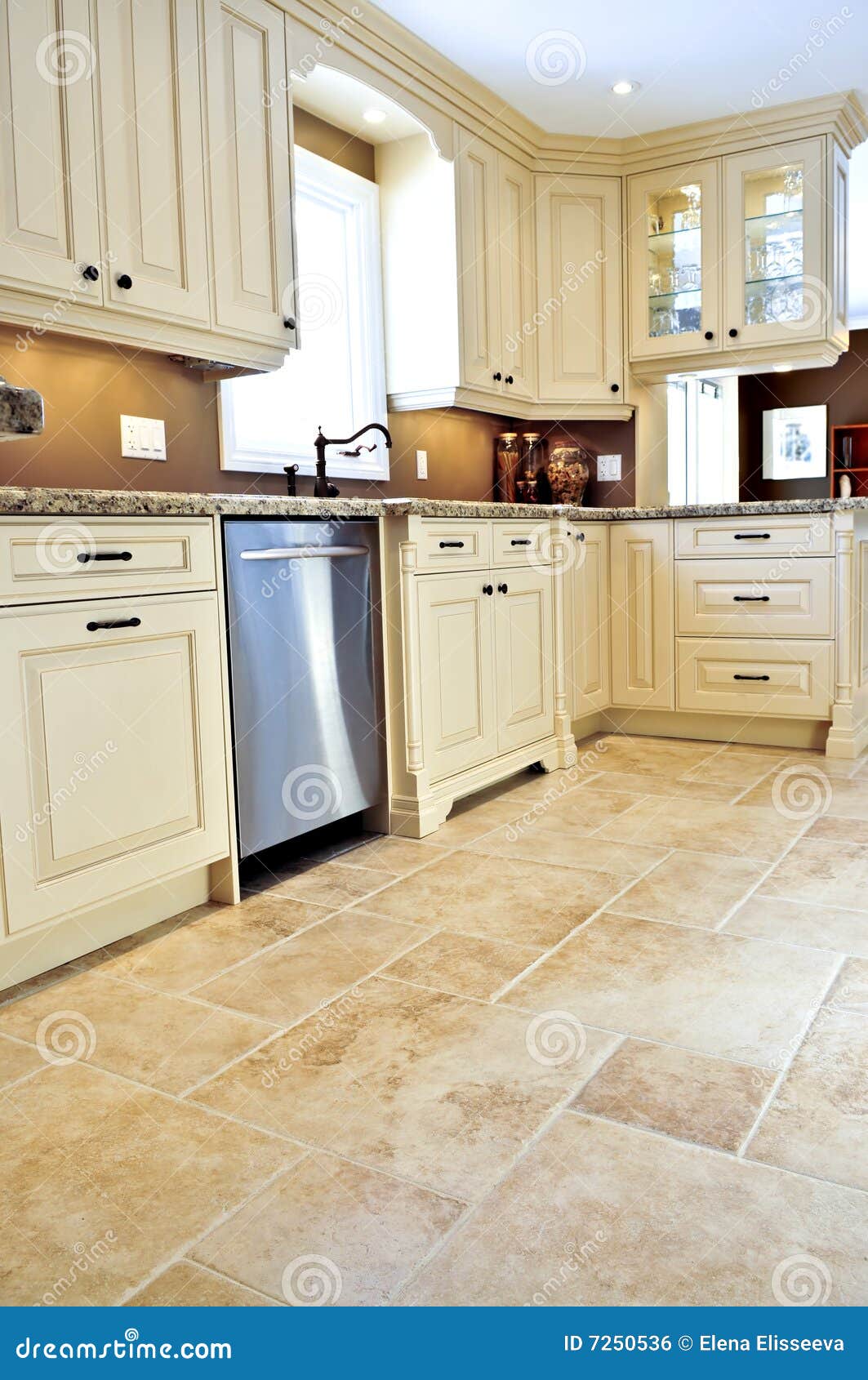
Tile Floor in Modern Kitchen
Some Examples of Modern and Traditional Kitchen Floor Ideas

Cream floor ideas tile floor living room, living room tiles

Must-have kitchen tile ideas to make you swoon!

Different Types of Kitchen Floor Tiles
Related Posts: