After twenty years of home renovation projects, I’ve learned that choosing the right tile flooring can transform any space from ordinary to extraordinary. My journey through countless kitchen remodels, bathroom makeovers, and living room transformations has taught me that tiles aren’t just functional surfaces; they’re the foundation of your home’s personality. Through trial and error, I’ve discovered combinations that work beautifully and others that taught me valuable lessons the hard way.
Natural Stone Elegance
My first encounter with natural stone tiles happened during a kitchen renovation five years ago. I chose travertine for its warm, earthy tones and unique texture variations. Each tile told its own story through natural patterns and color shifts. The installation process required careful planning since no two pieces were identical. I learned to embrace the imperfections that made each tile special. The result was a kitchen floor that felt like walking on ancient Mediterranean pathways.
Maintenance became my biggest learning curve with natural stone. I discovered that sealing these tiles regularly prevents stains and maintains their natural beauty. Weekly cleaning with pH-neutral solutions keeps them looking pristine without damaging the stone’s surface. My travertine floor has developed a beautiful patina over time, gaining character with each passing year. The investment in quality sealers and proper care products has paid off tremendously in preserving the floor’s original charm.
The versatility of natural stone continues to amaze me in different rooms throughout my home. I’ve used slate in my entryway for its durability and slip resistance during wet weather. Marble graces my master bathroom, creating a spa-like atmosphere that consistently impresses guests. Each stone type brings unique benefits, from granite’s incredible durability to limestone’s subtle elegance. My experience has shown that matching stone characteristics to room functions creates the most satisfying results.
Ceramic Masterpieces
Ceramic tiles opened up a completely new dimension of design possibilities when I started my second major renovation project. The variety of patterns, colors, and finishes available seemed endless compared to my previous stone experience. I chose large format ceramics for my living room, creating a seamless flow that made the space appear larger. The manufacturing precision of ceramic tiles meant consistent sizing and coloring throughout the installation. This predictability allowed for creative pattern layouts that would be impossible with natural materials.
Installation of ceramic tiles proved much more straightforward than my stone projects. The uniform thickness and size made cutting and fitting significantly easier for complex areas around fixtures and corners. I discovered that ceramic’s non-porous surface requires no sealing, making maintenance incredibly simple compared to natural stone. Daily cleaning became effortless with just soap and water. The durability exceeded my expectations, showing no signs of wear even in high-traffic areas after three years of heavy use.
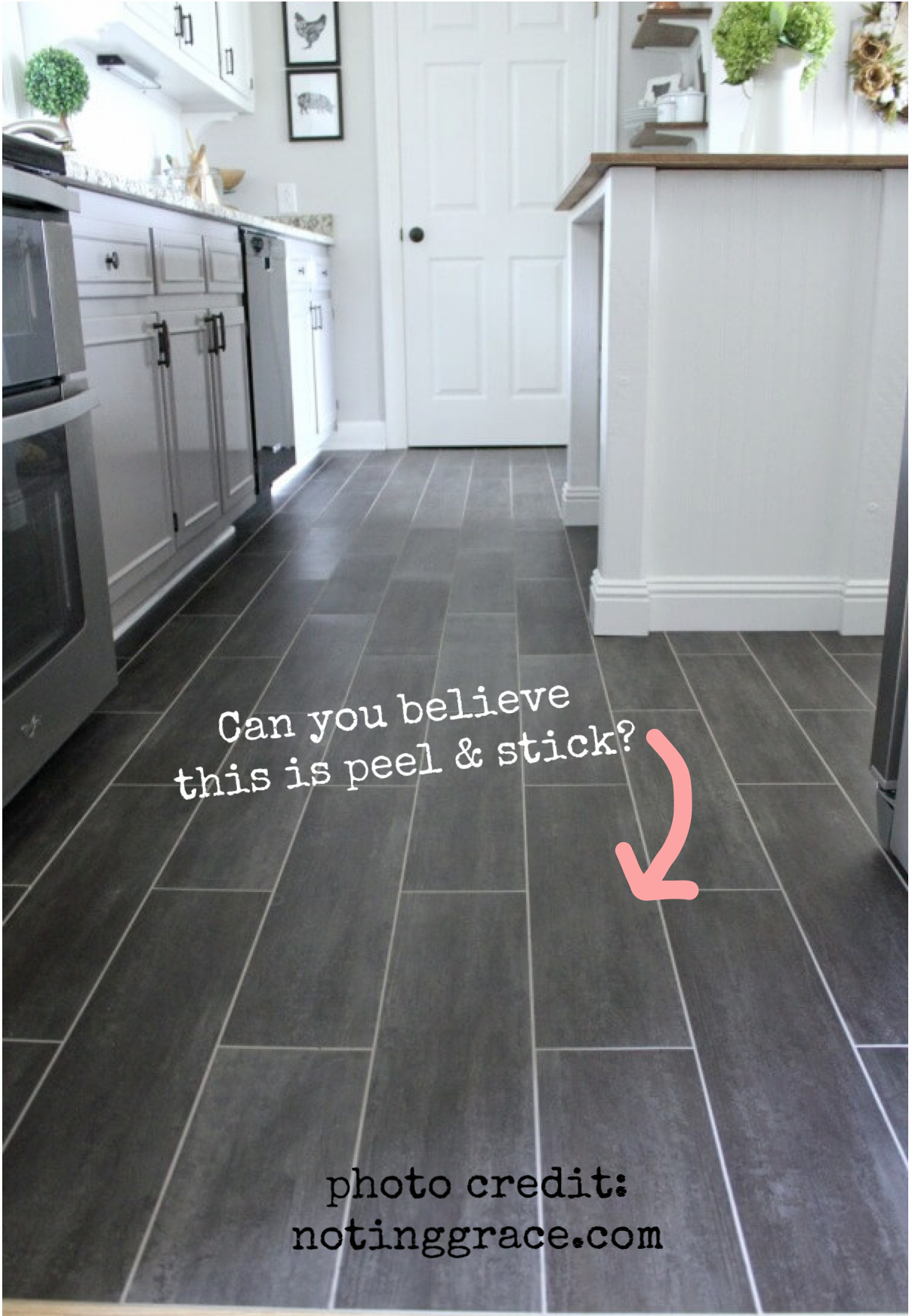
My ceramic tile experiments led to the discovery of wood-look planks that fooled even experienced contractors. These tiles provided the warmth and appearance of hardwood with the water resistance needed for my basement renovation. The technology behind modern ceramic printing creates textures so realistic that guests often ask about my flooring maintenance routine. Color consistency throughout large batches allowed me to order extras for future repairs without worrying about matching issues.
Porcelain Innovations
Porcelain tiles revolutionized my flooring approach when I tackled my most challenging project, a full-house renovation. The strength and versatility of porcelain allowed me to use the same material both indoors and outdoors, creating seamless transitions. I selected large-format slabs for my kitchen island and countertops, which match them perfectly with the floor tiles. The manufacturing process creates incredibly dense tiles that resist chipping, scratching, and staining better than any material I’d previously used.
Temperature resistance became crucial when I installed porcelain around my fireplace and outdoor patio areas. These tiles handle extreme temperature changes without cracking or discoloring, unlike some ceramics I’d used previously. The frost resistance made them perfect for my climate, where winter temperatures drop well below freezing. I learned that rectified edges create nearly seamless joints when installed properly, giving the appearance of a continuous surface rather than individual tiles.
My porcelain collection now includes everything from concrete-look industrial styles to elaborate marble reproductions. The digital printing technology captures details so precisely that distinguishing them from natural materials requires close inspection. Maintenance remains minimal despite heavy use, and the color stability means my floors look as vibrant today as when first installed. The investment cost proved worthwhile considering the longevity and performance I’ve experienced over the past four years.
Mosaic Magic
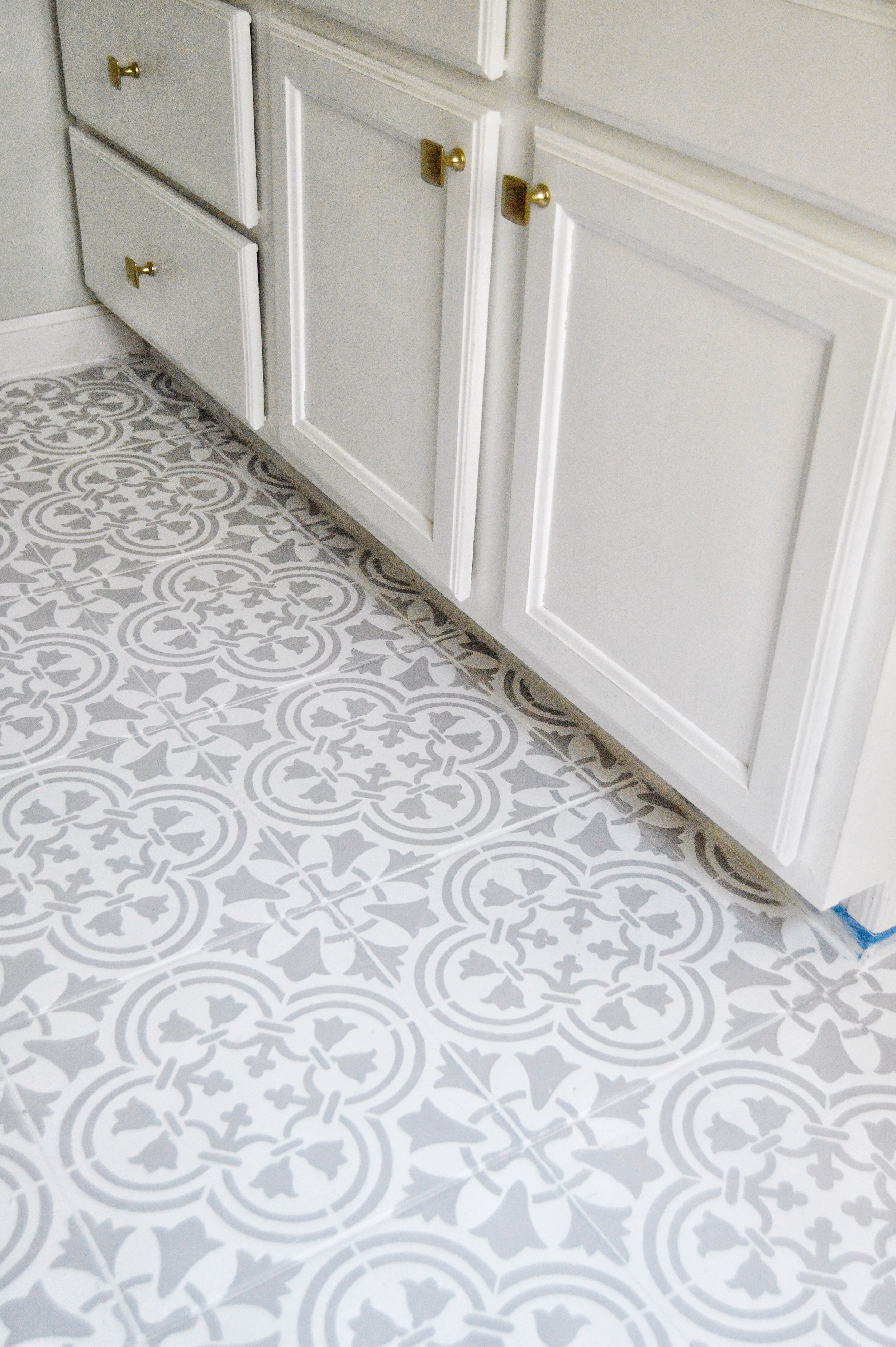
Small mosaic tiles transformed my bathroom renovation into an artistic expression that guests still comment on years later. I started with simple subway patterns but quickly discovered the creative potential of mixing sizes, colors, and materials. Glass mosaics in my shower created depth and visual interest while reflecting light beautifully throughout the space. The installation process required patience and precision, but the results exceeded every expectation I had for this challenging project.
Color blending became my favorite aspect of mosaic design, allowing gradual transitions from deep blues to soft whites across my bathroom walls. I learned to mix different materials like stone, glass, and ceramic within single installations for unique textural contrasts. The grout color selection proved crucial in either highlighting individual tiles or creating unified surfaces. Narrow grout lines maintain clean appearances while wider lines can become decorative elements themselves when colored appropriately.
Maintenance of mosaic installations requires different techniques than larger tile formats, particularly in grout cleaning and sealing. I discovered that steam cleaning works exceptionally well for removing soap buildup from glass mosaics without damaging delicate surfaces. The small scale allows for easy replacement of damaged pieces without major renovation work. My mosaic floors have proven surprisingly durable despite concerns about the numerous grout lines potentially weakening the overall installation.

Luxury Vinyl Planks
My introduction to luxury vinyl planks happened somewhat accidentally when a flooding incident required emergency flooring replacement. I needed something that could be installed quickly over existing subflooring without extensive preparation work. The realistic wood grain patterns and textures impressed me immediately, offering warmth and character that ceramic couldn’t match in certain rooms. Installation took just two days for my entire basement, including removing damaged materials and preparing the surface properly.
Comfort underfoot surprised me most about luxury vinyl, providing a softer walking surface than hard tile materials. The built-in underlayment systems reduce noise transmission between floors, something that became important when converting my basement into a family entertainment space. Temperature regulation keeps these floors comfortable year-round without the coldness associated with stone or ceramic surfaces. My children prefer playing on these surfaces over the harder tiles in other rooms.
Water resistance has proven exceptional throughout several minor flooding incidents and daily spills. I can clean these floors with any household cleaner without worrying about damage or discoloration like with some natural materials. The warranty coverage provides peace of mind that my other flooring investments couldn’t match. After three years, the planks show minimal wear despite heavy foot traffic and furniture movement during regular room rearrangements.

Creative Pattern Applications
Pattern mixing became my signature approach after completing several successful tile projects throughout my home. I learned to combine different sizes of the same tile type to create visual interest without overwhelming smaller spaces. Herringbone patterns using rectangular tiles add sophistication to entryways and hallways where straight installations might appear boring. The key lies in maintaining consistent color palettes while varying the geometric arrangements to guide foot traffic naturally through connected spaces.
Border treatments transformed ordinary tile installations into custom design statements that reflect my personal style preferences. I use contrasting colors or materials to define different functional areas within open floor plans. Decorative medallions serve as focal points in larger rooms, drawing attention to architectural features like fireplaces or built-in furniture pieces. These design elements require careful planning during the layout phase but create lasting impacts that justify the additional time and expense involved.
Scale relationships between tile sizes and room dimensions dramatically affect the perceived space size and proportions. Large format tiles make small rooms appear bigger, while tiny mosaics can make large spaces feel more intimate and cozy. I’ve learned to balance pattern complexity with room function, using busier designs in low-traffic areas and simpler patterns where furniture and decor provide visual interest. This approach ensures that flooring enhances rather than competes with other design elements throughout my home.
What’s the most durable tile option for high-traffic areas?
Porcelain tiles consistently outperform other options in high-traffic situations throughout my home renovations. Their manufacturing process creates incredibly dense surfaces that resist scratching, chipping, and staining better than ceramic or natural stone alternatives. I’ve installed porcelain in my busiest hallways and entryways where durability matters most. The initial investment costs more than ceramic, but the longevity and minimal maintenance requirements make porcelain the most economical choice over time.
How do I choose between ceramic and porcelain tiles?
My experience shows that ceramic works beautifully for moderate-traffic areas like bedrooms and formal living spaces where cost considerations matter most. Porcelain becomes necessary for moisture-prone areas, outdoor applications, and heavy-traffic zones where superior durability justifies higher costs. Ceramic offers more design variety and easier installation, while porcelain provides unmatched performance characteristics. Consider your specific room requirements, budget constraints, and long-term maintenance preferences when making this important decision.

What maintenance differences exist between natural stone and manufactured tiles?
Natural stone requires regular sealing, pH-neutral cleaners, and immediate spill cleanup to prevent permanent staining throughout its lifetime. I’ve learned that manufactured tiles like ceramic and porcelain need only basic soap and water cleaning with no special maintenance products required. Stone develops character and patina over time, which some homeowners love, while manufactured tiles maintain consistent appearances indefinitely. The maintenance time investment for stone can be significant compared to the minimal care needed for quality manufactured alternatives.
Can I install tile flooring myself, or should I hire professionals?
My DIY installations have been successful with proper preparation, quality tools, and patience for learning correct techniques through practice. Straight-lay patterns over level subflooring present manageable challenges for determined homeowners willing to invest time in learning. Complex patterns, uneven surfaces, or expensive materials warrant professional installation to avoid costly mistakes. I recommend starting with small, less visible areas to develop skills before tackling the main living spaces where perfection matters most for daily enjoyment.

How do I determine the right tile size for my space?
Room proportions guide my tile size selections more than personal preferences alone, with larger tiles making small spaces appear bigger while smaller tiles add intimacy to oversized rooms. I use large format tiles in open floor plans to create seamless flows between connected spaces. Smaller tiles work better around fixtures, corners, and irregular shapes where cutting large pieces becomes wasteful. Consider your room’s architectural features, furniture scale, and desired visual impact when selecting appropriate tile dimensions for optimal results.
What’s the best way to mix different tile materials in one project?
Successful material mixing requires maintaining consistent color palettes while varying textures and finishes to create visual interest without chaos. I use transition strips or borders to cleanly separate different materials where they meet, preventing awkward joints between incompatible expansion rates. Start with one dominant material covering most of the area, then add accent materials in smaller quantities for impact. Test sample combinations in actual lighting conditions before committing to large purchases, as materials can look dramatically different under various light sources.

How to Cover Ugly Mosaic Tile Floors: The Easy u0026 RENTER-FRIENDLY

How to Cover Up Ugly Floors Without Retiling
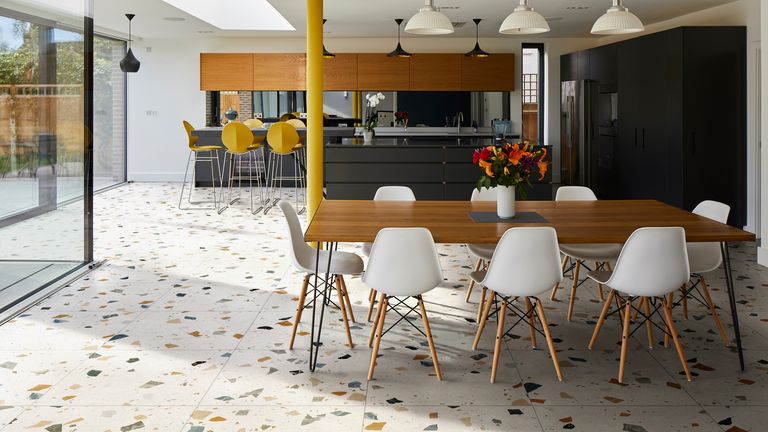
Kitchen floor tile ideas: 14 durable yet stylish floor ideas
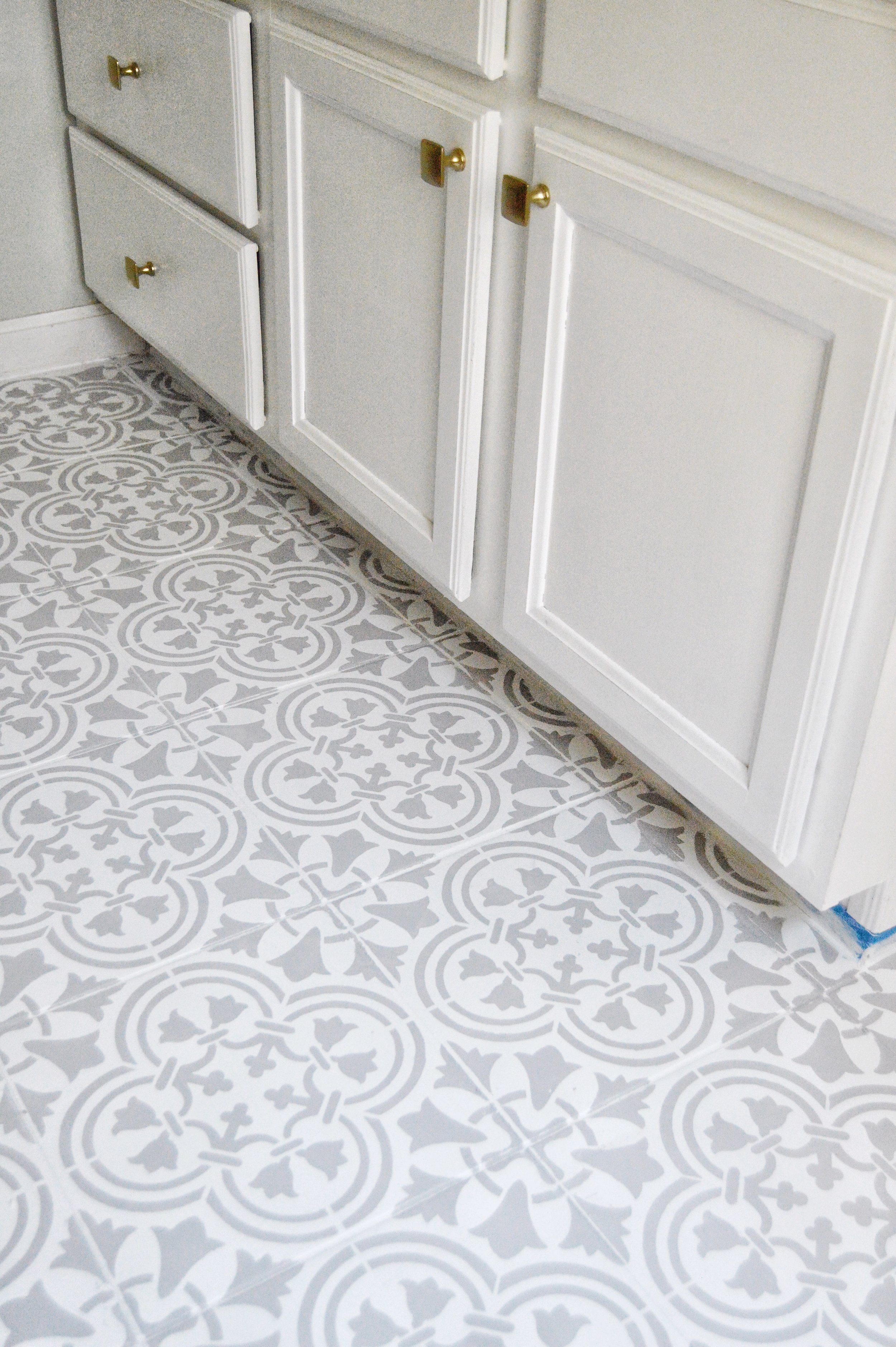
Ideas for Covering Up Tile Floors Without Removing It u2014 The Decor
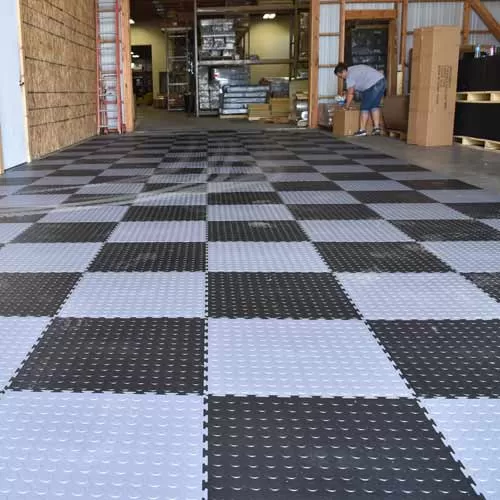
Budget Garage Flooring Ideas: Interlocking PVC & Foam Tiles
Related Posts: