When my bamboo floors started looking dull, scratched, and honestly a little sad after several years of heavy use, I assumed I’d need to replace them entirely. A contractor friend suggested refinishing them instead, and I’m so glad I listened. The process took a full weekend and required some patience, but the results were stunning. My floors looked brand new without the cost of replacement. If you’re staring at tired bamboo floors and wondering if refinishing is possible, let me share exactly how I did it and what I’d do differently.
First, Know Whether Your Bamboo Floors Can Be Refinished
Before renting any equipment or buying supplies, I had to figure out whether my floors were actually candidates for refinishing. Not all bamboo floors can handle it. Strand-woven bamboo is very hard and can generally be sanded and refinished successfully, while some thinner engineered bamboo products have such a thin veneer that sanding would go right through it.
I measured the thickness of my planks by removing a floor vent cover and checking the exposed edge. Mine were solid strand-woven bamboo at about 9/16 of an inch thick, which gave me enough material to sand safely. If your planks are thinner than 3/8 of an inch, refinishing is risky and replacement might be the smarter call.
I’d also recommend checking if your floors have been refinished before. Each sanding removes material, and there’s only so much floor to work with. If you inherited the home or aren’t sure of the floor’s history, a flooring professional can assess the thickness with a tool and give you an honest answer before you commit to the project.
Gathering the Right Tools and Supplies Before You Start
I cannot stress enough how much time I wasted on my first day because I hadn’t gathered everything in advance. Running to the hardware store mid-project breaks your momentum and can cause finish inconsistencies if you’re mid-application when supplies run out.
For sanding, I rented a drum sander for the main floor areas and an edge sander for the perimeter. I also picked up a good detail sander for corners and tight spots. You’ll need sandpaper in multiple grits, typically starting around 36 or 40 grit for the first pass and finishing with 80 or 100 grit before applying finish.
For finishing, I chose a water-based polyurethane because it dries faster, stays clearer over time, and has lower fumes than oil-based options. You’ll also need a good quality applicator pad or brush, painter’s tape, plastic sheeting to seal off doorways, tack cloths for dust removal, and a vacuum with a floor attachment. Having everything staged the night before made day one go much smoother.
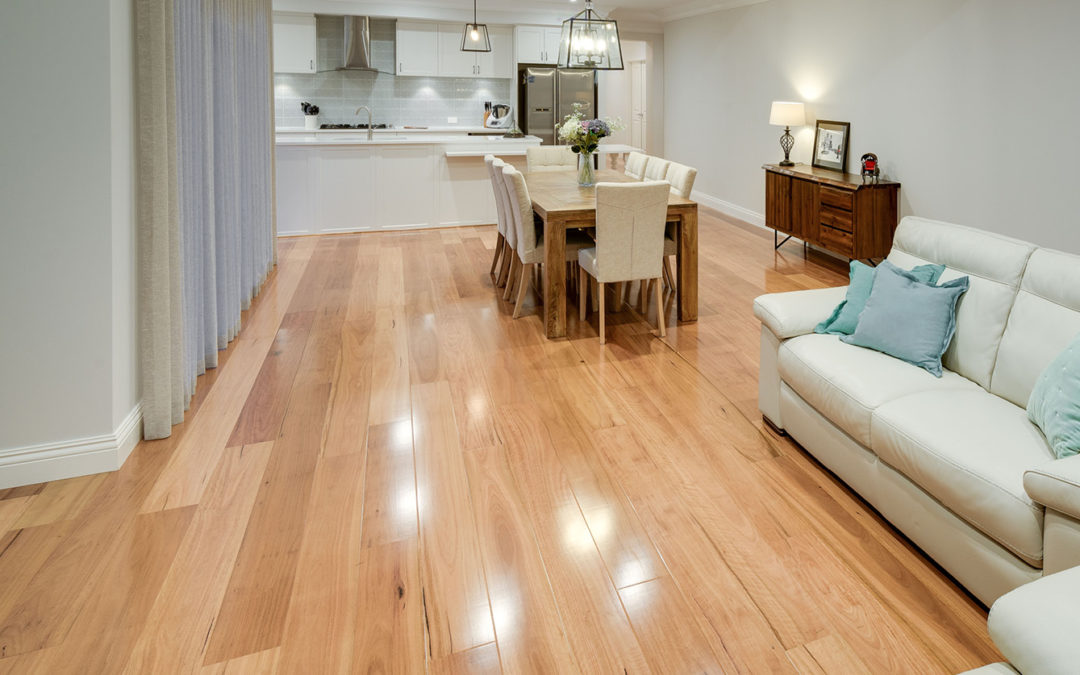
How To Sand Bamboo Floors Without Damaging Them
Sanding bamboo is trickier than sanding traditional hardwood, and this is where I made my biggest early mistakes. Bamboo’s fibrous structure can tear or fuzz if you use too coarse a grit to start or if you move the sander too slowly in one spot. I learned this the hard way on a small section near my hallway.
I started with 40 grit on the drum sander and kept the machine moving constantly. You never want to let a drum sander sit still while it’s running, it will gouge the floor almost immediately. I sanded with the grain direction and overlapped each pass slightly to avoid lines. After the first pass, the old finish came up and the surface looked raw and uneven, which is completely normal.
I followed with 60 grit and then 80 grit passes, each one smoothing the surface further. The edge sander handled the borders while I did the main floor with the drum sander. After each grit, I vacuumed thoroughly and wiped down with a tack cloth before moving to the next. Rushing this step is where most DIYers go wrong, so give the dust time to settle before vacuuming.
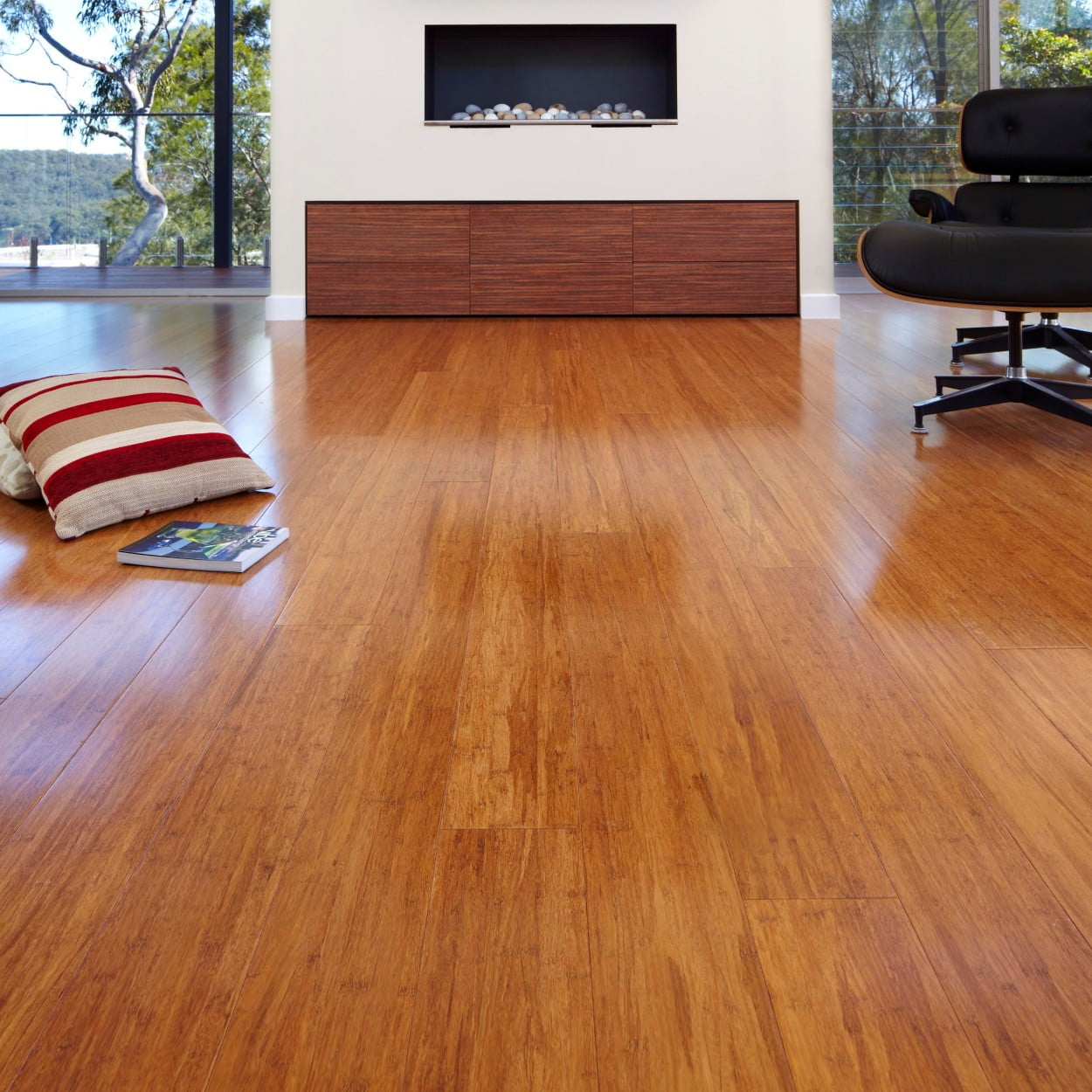
Staining Bamboo Floors for a New Look
After sanding, I had the option to stain my floors before applying the topcoat. I decided to try a light honey-toned stain to warm up the natural color, and this turned out to be one of my favorite decisions. Bamboo takes stain differently than wood, so testing on a scrap piece or hidden corner first is absolutely essential.
Bamboo has a very tight, dense grain that doesn’t absorb stain as deeply as open-grained woods like oak. I applied the stain with a foam applicator in small sections, working with the grain, then wiped off the excess with a clean cloth after about three minutes. Going section by section prevented the stain from drying unevenly or getting blotchy.
If you want to go darker, you can apply a second coat after the first has dried, usually about two to four hours with most stains. I kept mine to one coat for a subtle enhancement rather than a dramatic change. Whatever you choose, let the stain cure fully before applying any polyurethane topcoat, usually at least 24 hours, or the finish can peel or bubble later.

Applying the Finish Coat for Long-Lasting Protection
The finishing stage is where all your sanding work either pays off beautifully or gets ruined by rushing. I applied three coats of water-based polyurethane, which is what my flooring supplier recommended for bamboo. Each coat needs to dry completely before the next, and a light screen sand between coats makes the final result much smoother.
I used a wide applicator pad attached to a pole for the main floor area, which allowed me to apply finish without kneeling and leaving knee prints or lap marks. I worked from the far corner of the room toward the door, applying thin, even coats. Thick coats dry unevenly and can bubble, so thin and steady is the approach that works.
Between coats, I did a very light sand with 220 grit screen paper just to knock down any dust nibs or bubbles, then vacuumed and tack-clothed again before the next application. The third coat went on smoothest of all. I let the final coat cure for a full 72 hours before moving furniture back in, which felt agonizing but was completely worth it for the durability of the finish.

Post-Refinishing Care To Keep Your Floors Looking Great
After all that work, the last thing I wanted was to undo it with poor maintenance habits. The first thing I did was swap out all my furniture feet for felt pads, something I should have done years earlier. Hard plastic or metal feet are brutal on any finished floor, and bamboo is no exception.
For daily cleaning, I switched to a dry microfiber mop and stopped using any cleaning products with wax, oil soaps, or harsh chemicals. These can break down polyurethane finishes over time and leave a residue that dulls the surface. A barely damp mop with a pH-neutral cleaner once a week is all the maintenance these floors really need.
I also put down area rugs in the highest traffic zones and made a no-outdoor-shoes policy stick in my household. Grit and sand tracked in from outside is one of the biggest causes of premature finish wear on any floor. With these simple habits in place, I’m confident my refinished bamboo floors will look great for another decade before they need any attention again.
Can all bamboo floors be refinished?
Not all of them. Solid strand-woven bamboo is the best candidate since it’s thick and hard enough to sand. Thin engineered bamboo with a veneer layer under 3/8 inch is risky to sand since you can go through the top layer. Measure the plank thickness at a vent opening before committing to refinishing, or have a professional assess whether your floors are good candidates.
How much does it cost to refinish bamboo floors yourself?
DIY refinishing typically costs between $200 and $600 for an average-sized room, depending on supplies and equipment rentals. Renting a drum sander and edge sander usually runs $60 to $100 per day. Add sandpaper, finish, stain, and applicators and you’re still well under the cost of professional refinishing, which averages $3 to $5 per square foot in most areas.
How long does the refinishing process take?
Plan for a full weekend at minimum. Day one covers prep, sanding, and staining. Day two handles finish coats with drying time between each. I applied three coats with light sanding between them. Then I waited 72 hours before moving furniture back. Rushing the drying stages is the most common mistake and it really does affect the durability of the final result.
Is bamboo harder to refinish than hardwood?
In some ways, yes. Bamboo’s fibrous structure is more prone to fuzzing or tearing if you use too coarse a grit or move the sander too slowly. It also absorbs stain differently and more unevenly than open-grained woods. That said, the overall process is very similar to hardwood refinishing. Taking your time and testing products in a hidden area first makes a big difference in the outcome.
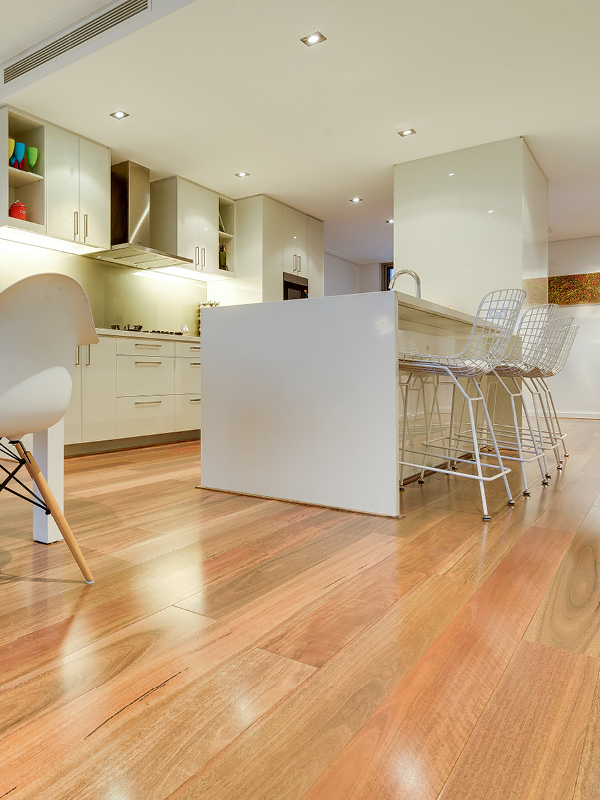
What finish is best for refinished bamboo floors?
I recommend water-based polyurethane for most situations. It dries faster than oil-based, stays clearer over time without yellowing, and has lower odor during application. Apply at least three coats for good protection, with a light screen sand between each coat. Oil-based poly is more durable in some opinions but takes much longer to cure and adds a warm amber tone that may not suit every floor color.
How long will refinished bamboo floors last before needing attention again?
With good maintenance habits, a quality finish job should last 8 to 12 years before the floors need refinishing again. Key habits include using felt pads under furniture, avoiding wet mopping, keeping grit and sand off the surface, and cleaning with pH-neutral products only. I also recommend a light screen and recoat every 3 to 5 years in high-traffic areas to extend the life of the finish between full refinishing jobs.

Related Posts: