When I decided to install white vinyl flooring in my sunroom and entryway, nearly everyone I told thought I was making a terrible mistake. “White floors with kids? Are you serious?” was the most common reaction I got.
But I’d done my research, fallen in love with the bright, airy aesthetic white floors create, and felt confident that modern vinyl could handle real family life. Two years later, I’m here to tell you that my white vinyl floors have been one of my most satisfying home decisions, and I want to share everything I’ve figured out along the way.
Why White Vinyl Flooring Deserves More Credit Than It Gets
White flooring has a reputation for being impractical, and I genuinely think that reputation is outdated when it comes to vinyl specifically. Unlike white carpet, which stains permanently, or white tile grout, which discolors stubbornly over time, white vinyl flooring is non-porous and incredibly easy to wipe clean. Dirt and spills sit on the surface rather than soaking in, which means a quick mop handles most messes completely. I’ve cleaned up muddy footprints, juice spills, and craft paint in minutes.
The visual impact of white vinyl flooring on a space is something you really have to see to fully appreciate. My sunroom felt pleasant before, but after installing white vinyl plank flooring it felt genuinely transformed. The room appeared larger, brighter, and more cohesive.
Natural light bounced around in a way it simply hadn’t with the old beige linoleum. White floors work as a neutral backdrop that makes furniture, rugs, and accent colors pop with far more visual clarity than darker floors.
What also surprised me was how many design styles white vinyl flooring suits beautifully. I’d thought of it primarily as a modern or Scandinavian look, but I’ve since seen it work in coastal, farmhouse, industrial, and even more traditional interiors.
The specific finish matters: a matte white plank feels rustic and organic while a high-gloss white tile looks sleek and contemporary. The versatility of white as a neutral gives you enormous decorating flexibility that you might not get from a more specific wood tone or pattern.

The Different Styles of White Vinyl Flooring Available Today
When I started shopping, I had no idea how many variations of white vinyl flooring existed. The category has genuinely exploded in recent years. White vinyl plank flooring replicates the look of white-washed or bleached wood with realistic grain texture and plank dimensions. White vinyl tile mimics marble, stone, or ceramic in bright clean tones. Each creates a completely different aesthetic, so knowing your intended look before shopping saves a lot of time and confusion.
I went with white vinyl plank in a wide-plank format with subtle wood grain texture and a matte finish. This gave me that relaxed, Scandinavian-inspired look I was after without feeling sterile or clinical. The planks were 7 inches wide and 48 inches long, which worked beautifully in my proportioned sunroom. Wider planks tend to read as more contemporary and showcase the white tone expansively, while narrower planks create a more traditional strip-floor feel.
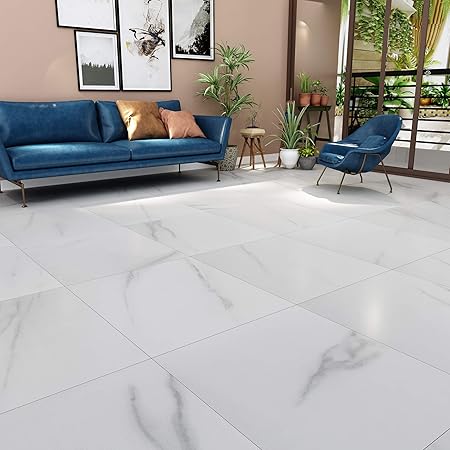
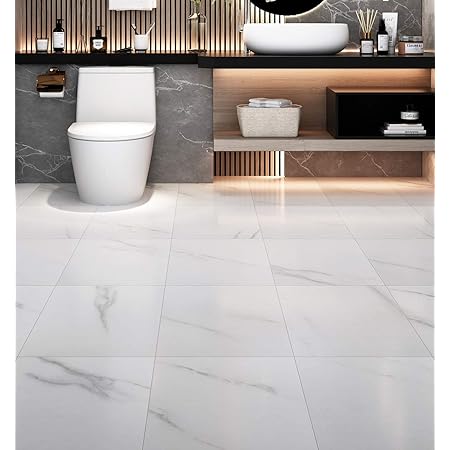
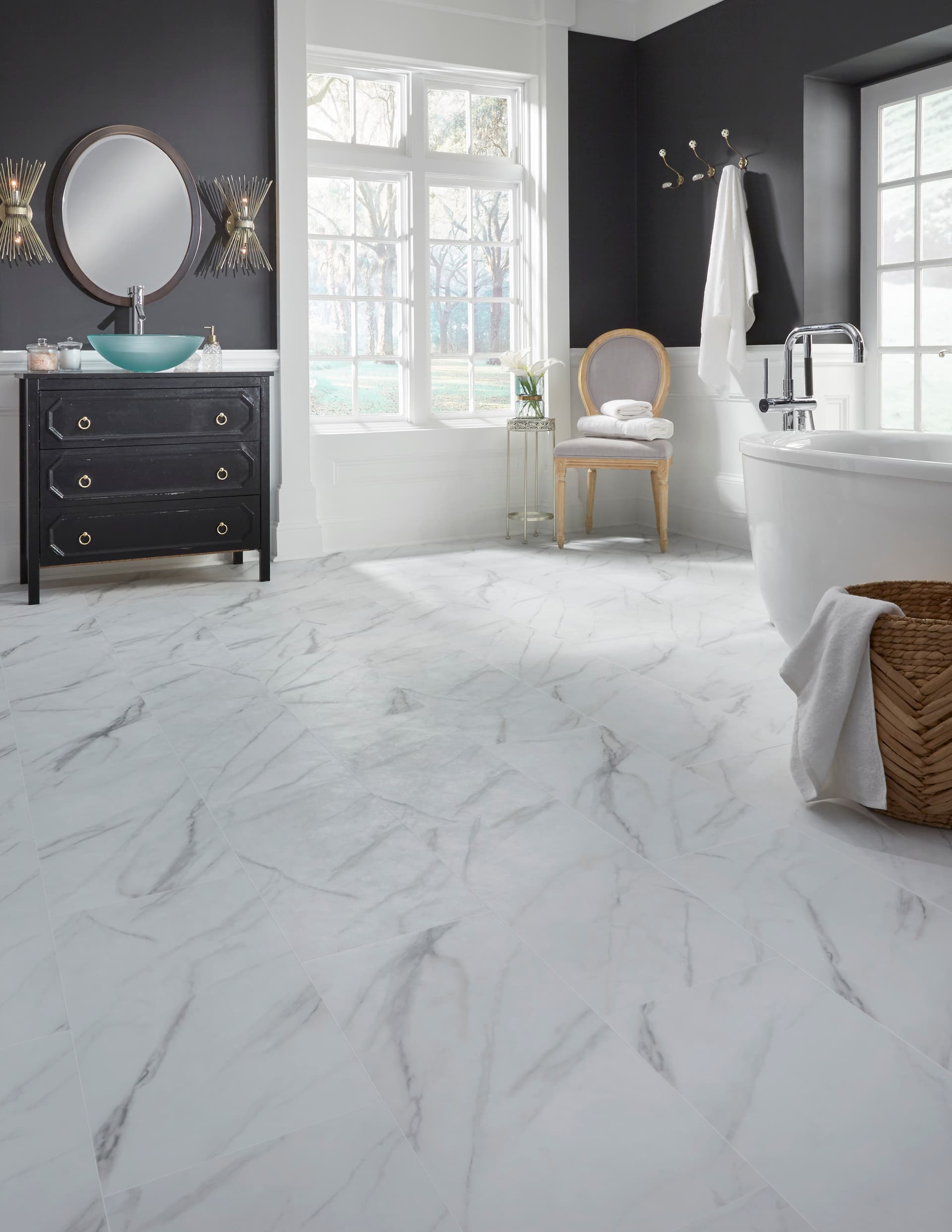
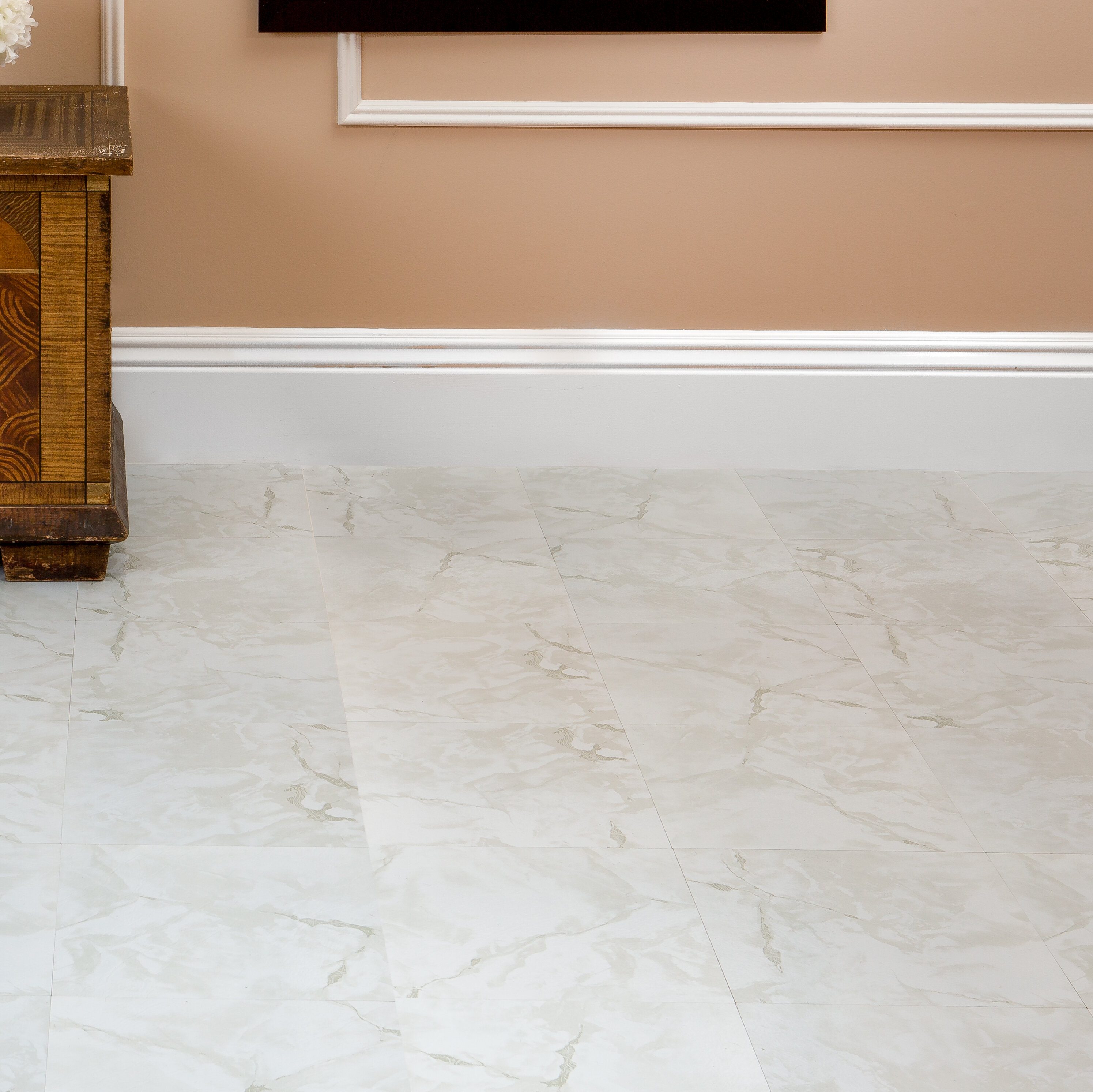
Marble-look white vinyl tile deserves its own mention because the results can be genuinely stunning. I considered it for my entryway and was truly impressed by how realistic some of the higher-end options looked. Large-format tiles, 18×18 inches or even 24×24 inches, in a white marble pattern with subtle gray veining create a luxurious entrance that costs a fraction of real marble. If you want a more formal or polished look rather than a relaxed plank aesthetic, white marble vinyl tile is absolutely worth exploring.

Waterproofing and Practicality in Real Family Life
Here’s where white vinyl flooring genuinely earns its place in practical homes. Quality luxury vinyl plank and tile is 100% waterproof through its entire thickness, not just surface-resistant. This means spills, splashes, pet accidents, and bathroom humidity simply cannot penetrate the material or damage the core. For white flooring specifically, this is critical, because any staining agent that can’t soak in is also a staining agent that wipes right off.
My entryway installation has been subjected to everything a busy family brings through a front door: wet boots, muddy shoes, damp umbrellas, and the general chaos of two kids coming and going from school and sports. Not once has any of it left a lasting mark. I sweep or vacuum daily and mop with a damp microfiber mop a few times a week. The floor consistently looks fresh and clean with minimal effort. That experience changed my entire perspective on white as a practical color choice for floors.
Pet owners often ask me specifically about white vinyl with animals. My neighbor has a large dog and installed the same flooring in her kitchen after seeing mine. Her experience has mirrored mine exactly. Pet accidents wipe up completely without staining because the surface is non-porous. Paw prints are visible but easy to mop away. The one caveat is that pet nails can scratch vinyl over time, so I’d recommend choosing a thicker wear layer, at least 12 mil, and using felt pads under furniture to protect the surface from dragging damage.
How I Chose the Right White Vinyl and What to Look For
Shopping for white vinyl flooring requires paying attention to a few specific details that really matter for long-term satisfaction. Wear layer thickness is my first priority. The wear layer is the clear protective coating over the printed design, and thicker is better. For residential use in moderate traffic areas, 8 mil is adequate. For high-traffic areas, entryways, kitchens, and hallways, I recommend 12 mil minimum. For commercial-level durability, 20 mil options exist and are genuinely worth the extra cost.
Overall plank thickness is the second factor I evaluated carefully. Thicker planks, 6mm to 8mm, feel more substantial underfoot, provide better sound absorption, and bridge minor subfloor imperfections more effectively. Thinner options at 4mm or under can feel hollow and noisy on hard subfloors unless you use premium underlayment. I chose 6mm planks with a pre-attached underlayment pad, and the combination felt solid and quiet from day one.
The white tone itself also varies significantly between products. Some white vinyl has cool blue-gray undertones that feel very crisp and modern. Others have warm cream or ivory undertones that feel softer and more organic. I learned this the hard way by ordering samples that looked different on my actual floor than they had on my phone screen. Order physical samples and view them in your space at different times of day before purchasing. The right undertone makes a huge difference in how harmoniously the floor works with your walls and furniture.

Installation: What I Did Myself and Where I Got Help
I installed the white vinyl plank in my sunroom myself and hired a professional for my entryway, and comparing those two experiences taught me a lot. The sunroom was a simple rectangular room with no obstacles, perfect for a first-time DIY install. The click-lock floating installation system was genuinely intuitive, and I completed the room in a single day. I was proud of the results and would confidently do it again in another simple room.
My entryway was a different story. It had an irregular shape with a curved threshold, a built-in bench to work around, and a transition to tile that required precise cutting. I was glad I deferred to a professional for that one. He completed the job in about three hours with perfect results that I don’t think I could have replicated, particularly the curved cuts and the seamless transition strips between the vinyl and the adjacent tile floor.
Subfloor preparation matters enormously with white vinyl, possibly even more than with darker flooring. Any imperfection in the subfloor, bumps, dips, or debris, can telegraph through the vinyl and become visible over time. On white flooring, subtle surface undulation or indentation is more noticeable than it would be on a patterned or darker surface. I spent several hours leveling and cleaning my subfloor before installing, which made a meaningful difference in the final flatness and professional appearance of the finished floor.
Keeping White Vinyl Floors Looking Brilliant Over Time
The maintenance reality of white vinyl has been simpler than I expected, but a few specific habits have made the biggest difference. Daily dry sweeping or vacuuming removes the grit and dirt particles that cause surface scratching over time. This is especially important on white floors, where fine surface scratches catch light differently and can create a slightly hazy appearance in high-traffic paths if the floor isn’t kept clean of abrasive debris.
For wet cleaning, I use a pH-neutral vinyl floor cleaner diluted in warm water with a microfiber mop that I wring out thoroughly. I avoid steam mops, which can damage the adhesive layers in vinyl flooring over time. I also avoid wax-based cleaners or oil soaps, which leave a residue that dulls the surface and attracts more dirt, the opposite of what you want on white flooring. Getting your cleaning products right makes a noticeable difference in how consistently bright and clean white vinyl looks.
For scuffs and marks that regular mopping doesn’t handle, a magic eraser used very gently works remarkably well on vinyl flooring. I use it sparingly and with light pressure, because aggressive scrubbing can dull the finish. For black rubber scuffs from shoe soles, which are the most common marks I deal with, a small amount of rubbing alcohol on a cloth removes them cleanly. Having a few targeted cleaning tricks for specific types of marks keeps white vinyl looking its best without excessive effort.
Does white vinyl flooring show dirt and footprints constantly, making it impractical?
Honestly, it shows debris like dust and pet hair more visibly than dark floors, which is actually useful because you know when to sweep. Footprints and smudges wipe off instantly because the surface is non-porous. I sweep daily and mop a few times a week, and my floor consistently looks clean. It’s far more manageable than I expected and much easier than white carpet or white grout would be.
Will white vinyl flooring yellow or discolor over time with sun exposure?
This was my biggest worry, and after two years of direct sun exposure in my sunroom, I’m happy to report no yellowing at all. Quality luxury vinyl uses UV-resistant materials in the wear layer and print design. Cheaper vinyl can yellow over time, so this is one area where spending slightly more on a reputable brand matters. Check that your chosen product specifies UV resistance in the product specifications before purchasing.
Is white vinyl flooring slippery, especially in wet areas?
Most quality vinyl flooring has a textured surface that provides adequate slip resistance even when damp. Mine has a subtle embossed texture that gives it good grip. For extra safety in bathrooms or entryways where wet feet are common, choose vinyl with a higher slip-resistance rating. I also use bath mats and an entry rug for both safety and to catch moisture before it spreads across the floor.
How does white vinyl flooring hold up to furniture and heavy items?
Vinyl can indent permanently under very heavy point loads, like refrigerator feet or piano legs. I use furniture cups and pads under heavy items to distribute weight across a larger surface area. Standard furniture with felt pads has caused zero indentation on my floor. Moving heavy appliances requires care, always use an appliance dolly rather than sliding them. For everyday furniture use, white vinyl holds up very well without special precautions.

Can white vinyl flooring be installed over existing tile or hardwood?
Yes, floating vinyl plank can go over many existing surfaces as long as they’re flat, clean, firm, and in good condition. I installed mine directly over old linoleum in my sunroom after ensuring it was well-adhered and level. You can’t install over thick carpet or surfaces with significant height variation. Check that the added floor height won’t cause issues with door clearance or transitions to adjacent rooms before proceeding.
What’s the realistic lifespan of white vinyl flooring in a busy home?
Quality luxury vinyl plank with a 12 mil or thicker wear layer is typically rated for 15 to 25 years in residential use, and my experience tracks with that expectation. My two-year-old floor shows no significant wear. The white color doesn’t affect durability, but finish choice does: matte finishes hide minor wear better than high-gloss over time. Proper cleaning habits and felt furniture pads extend the lifespan considerably beyond the minimum warranty period.
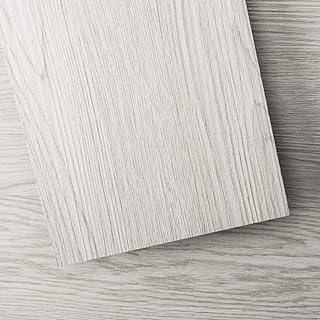
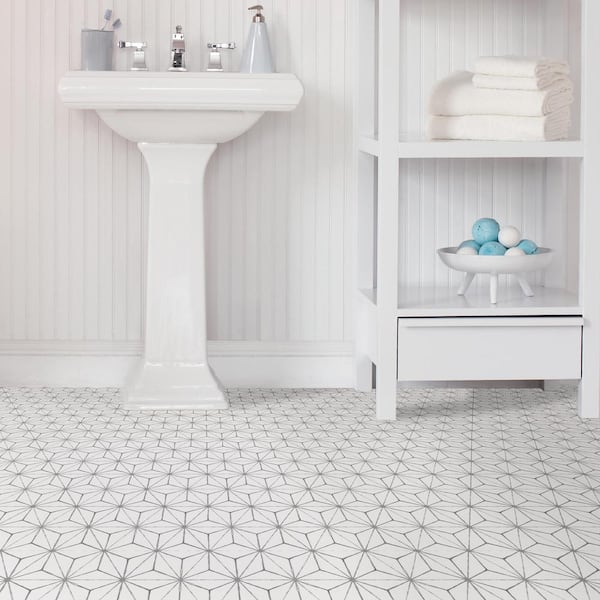
Achim Importing Co Sterling 12″ x 12″ x 1.2mm Vinyl Tile
Related Posts: