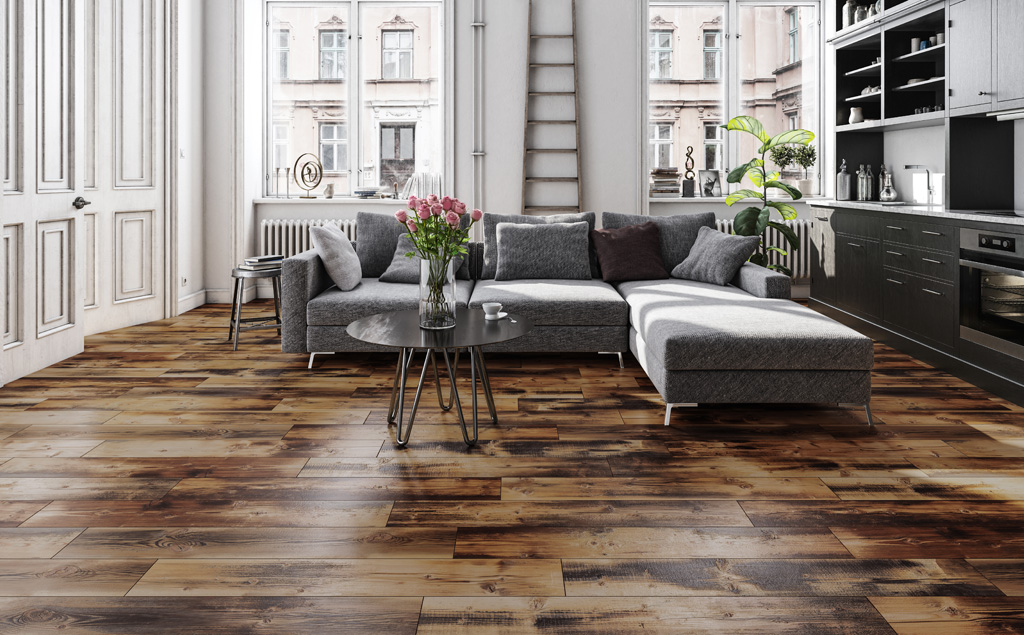
When I was renovating my living room and hallway on a tight budget, pine laminate flooring caught my attention because it offered that warm, rustic, cabin-like character I’d always loved without the hefty price tag of real pine hardwood.
I was honestly a little nervous about whether laminate could pull off that authentic look convincingly. Three years later, I can tell you it absolutely can, and I’ve learned a lot along the way about choosing it wisely, installing it properly, and keeping it looking great for the long haul.
What Pine Laminate Flooring Actually Is and Why It Looks So Good
Pine laminate isn’t real pine wood, but it’s designed to convincingly replicate its look. It consists of a high-density fiberboard core topped with a photographic layer printed with pine wood imagery, then protected by a clear wear layer. Modern printing technology has gotten remarkably good at capturing the natural knots, grain variations, and color shifts that make pine so visually appealing. When I first laid out a few planks on my floor, my mother genuinely thought they were real wood.
What I love about pine specifically as a laminate design is the character it brings to a room. Pine as a wood species has prominent knots, varied grain patterns, and warm golden tones that give a space a relaxed, welcoming personality. It suits farmhouse, cottage, rustic, and even Scandinavian-inspired interiors beautifully.
My living room had been feeling a bit cold and generic with its old gray carpet, and the pine laminate completely transformed the warmth and coziness of the space.
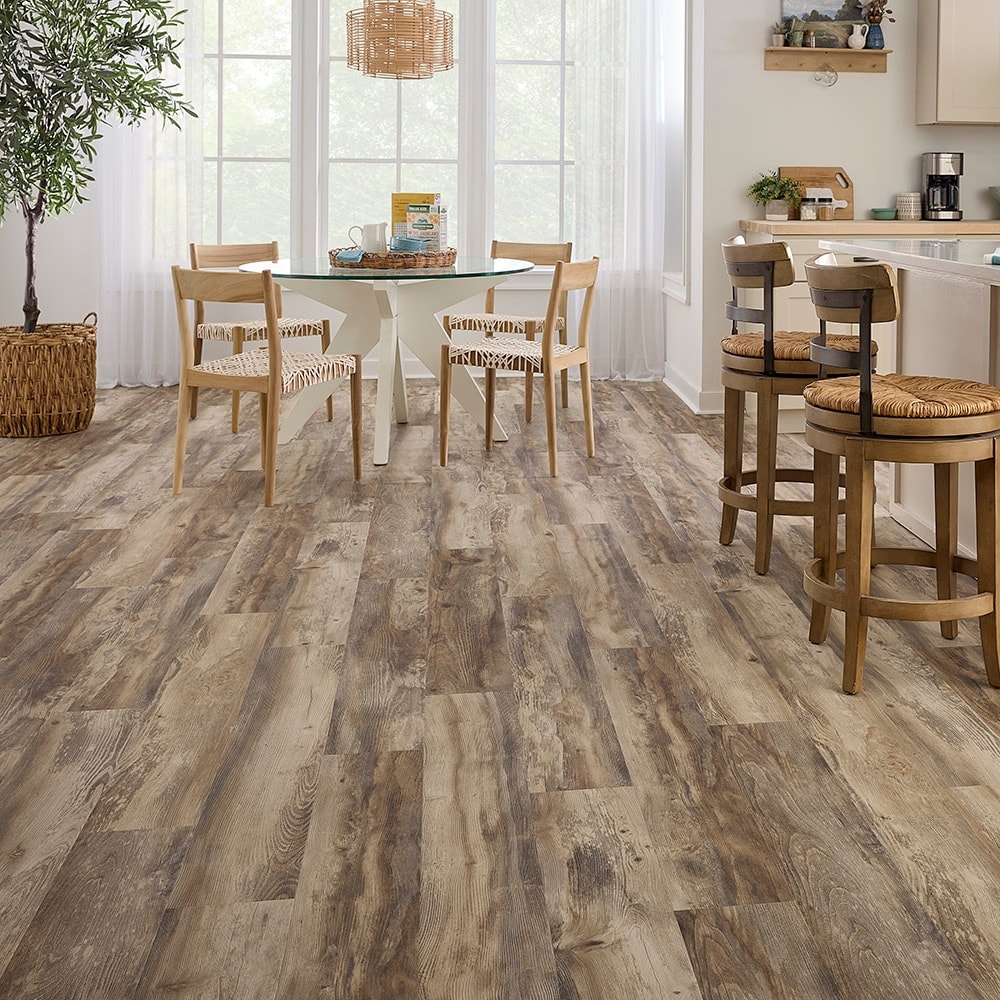
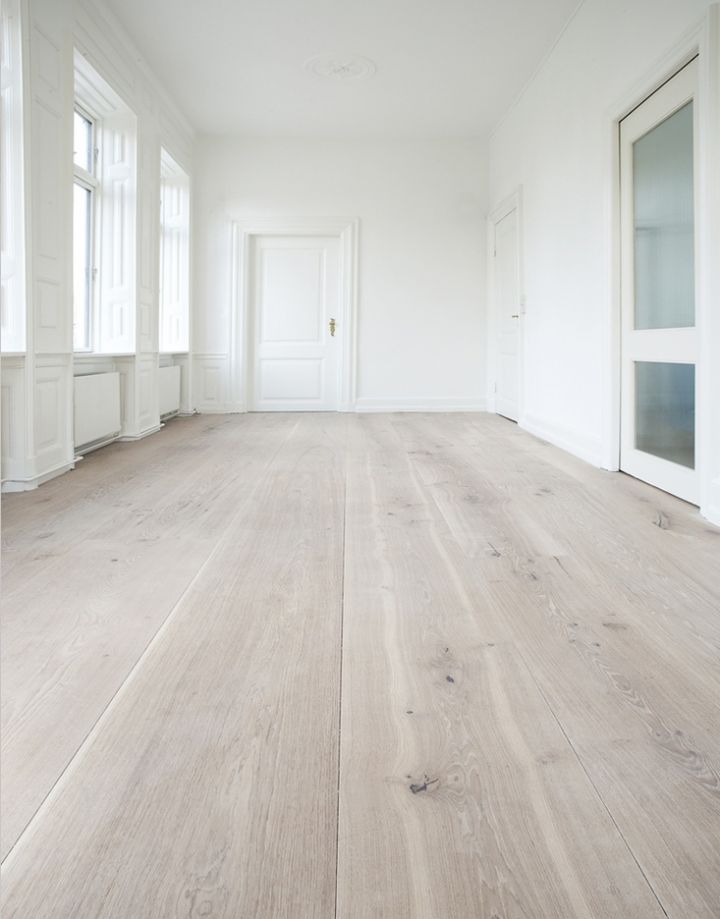
The range of pine laminate styles available now is genuinely impressive. I found options ranging from lighter Nordic-style pale pine to deeper honey and amber tones and even weathered or aged pine looks with distressed textures.
Some manufacturers add embossed-in-register texture that aligns the surface texture with the printed grain beneath, making the planks feel more tactilely realistic. Taking time to feel samples in person makes a real difference in finding one that reads as genuinely wood-like.
Understanding the Cost and Value Comparison
One of my primary reasons for choosing pine laminate was honest budget reality. Real pine hardwood flooring costs anywhere from $4 to $12 per square foot for materials, plus installation. Quality pine laminate runs between $1.50 and $4 per square foot, with premium options around $5. For my 400-square-foot combined living room and hallway, the savings were significant enough to fund other parts of my renovation that I cared about deeply.
I chose a mid-range pine laminate at about $2.80 per square foot, which gave me a 12mm thickness with good sound absorption and a realistic texture. I installed it myself over a weekend, which saved me the $2 to $4 per square foot installation cost a professional would have charged. My total material and supply cost for 400 square feet, including underlayment, transition strips, and tools, came to roughly $1,400. The equivalent real pine hardwood with professional installation would have run closer to $5,000 or more.
The value calculation isn’t just about upfront cost, though. Laminate won’t last quite as long as real hardwood, and unlike hardwood it can’t be sanded and refinished when it wears. Most quality laminate floors carry 15 to 25-year warranties, which is still a solid lifespan. I think of my pine laminate as a smart medium-term investment that looks beautiful, serves the space well, and leaves budget available for other priorities. When it does eventually need replacing, the lower replacement cost feels manageable rather than painful.
How I Installed My Pine Laminate Floor as a DIY First-Timer
I had never installed flooring before tackling my pine laminate project, and it turned out to be genuinely beginner-friendly. The click-lock floating installation system means planks lock together without glue or nails. You simply lay them over underlayment and snap them into place row by row. I watched several tutorial videos beforehand and felt confident going in, though the first row definitely took me longer than I expected while I found my rhythm.
Preparation made the biggest difference in my results. I spent an entire day before installation clearing the room, pulling up old carpet, cleaning the concrete subfloor, and ensuring it was level. High spots larger than 3/16 of an inch over 10 feet need grinding down, and low spots need floor leveling compound. Skipping this step leads to planks that rock, joints that gap, and a floor that sounds hollow and cheap underfoot. It’s genuinely the least glamorous part of the project but also the most important.
The actual installation moved much faster than the prep work. I worked in staggered rows with end joints offset by at least 12 inches for structural integrity and visual appeal. I maintained a quarter-inch expansion gap around all walls and obstacles, which gets covered by baseboards and transitions afterward. Cutting planks required a circular saw with a fine-tooth blade or a miter saw. The whole 400 square feet took me about two full days working alone, and the finished result looked genuinely professional.

Durability and Wear: What Held Up and What Surprised Me
After three years with pine laminate in a high-traffic area, I can give an honest durability report. The surface has held up well overall. The aluminum oxide wear layer on quality laminate is genuinely tough against everyday scratching and scuffing. My main traffic path from the front door through the hallway still looks good, with only very faint dulling in the highest-traffic strip that you’d only notice if you were specifically looking for it.
Where I noticed vulnerability was around moisture. Laminate’s core material is essentially compressed wood fiber, which swells when it gets wet. I had a slow leak under my radiator that went unnoticed for about two weeks, and the planks in that area buckled noticeably. I had to replace about 15 planks, which was doable but annoying. This taught me to take laminate’s moisture sensitivity seriously and to address any water incidents quickly rather than leaving them.
My dog has been the other durability test, and I’m pleasantly surprised by the results. His nails have left some light scratches that are visible up close in raking light, but from normal standing height the floor looks fine. I chose a textured, hand-scraped finish specifically because it disguises minor surface marks better than a high-gloss finish would. If you have pets, I’d strongly recommend avoiding high-gloss pine laminate and opting for matte or textured surfaces that camouflage everyday wear much more forgivingly.
Styling Pine Laminate to Get the Look Just Right
Getting the most out of pine laminate aesthetically takes a little thought beyond just picking a color. I spent time considering the width of the planks before purchasing. Wider planks, anything 5 inches or more, look more contemporary and showcase the pine pattern more effectively. Narrower planks create a more traditional strip-floor look. For my relatively large living room, I went with 7-inch wide planks and loved how open and expansive the floor looked.
The direction you lay your planks shapes how the room feels. I ran mine parallel to my longest wall and toward the primary light source from my front windows, which visually lengthened the space and made the grain pattern look most natural. Running planks perpendicular to the primary view creates a different effect that can make a narrow room feel wider. It’s worth laying a few dry rows in different orientations before committing, because the difference is genuinely noticeable.
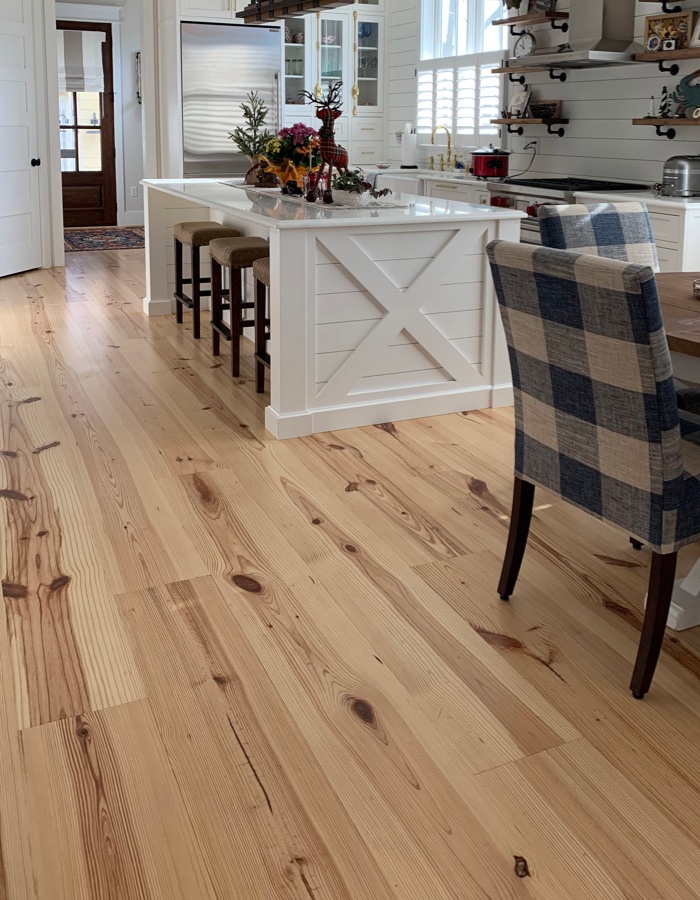
Pairing pine laminate with the right furniture and decor makes everything click together. My warm honey-toned pine floor works beautifully with white walls, natural linen textiles, and furniture in warm wood tones or black. It would also suit a more rustic look with exposed brick, leather seating, and Edison bulb lighting. Where pine laminate can look slightly off is in very contemporary, cool-toned spaces, where something like gray oak laminate might fit better. Know your overall aesthetic direction before committing to the warm pine palette.
Maintenance Tips That Keep Pine Laminate Looking Its Best
Pine laminate is genuinely low-maintenance compared to real hardwood or stone, which is one of its great practical advantages. My regular routine is simple: daily sweeping or dry microfiber mopping to remove grit that could scratch the surface, and weekly cleaning with a laminate-specific spray cleaner and a barely-damp microfiber mop. I’m careful to wring the mop out thoroughly because excess moisture is the enemy of laminate flooring.
I made the mistake early on of using a popular all-purpose cleaner that left a streaky film on my floor. Laminate requires pH-neutral cleaners specifically formulated for the material. Vinegar-based solutions, which I used on my old hardwood floors, should also be avoided on laminate, as the acidity can damage the surface coating over time. I now keep a dedicated laminate floor spray that cost about $8 and lasts for months. Getting this cleaning product right genuinely matters.
A few protective habits have also made a meaningful difference. I put felt pads under all furniture legs to prevent scratching when pieces are moved. I placed a quality doormat outside and a rug inside my front door to catch the abrasive grit and debris that causes the most surface wear over time. I also keep my dog’s nails trimmed, which helps across every type of floor. These small habits cost almost nothing but extend the life and appearance of laminate flooring considerably.

Is pine laminate flooring waterproof enough for kitchens or bathrooms?
Standard pine laminate is water-resistant but not truly waterproof, which means I wouldn’t install it in bathrooms or near my kitchen sink area. The HDF core swells if water gets underneath. Some newer waterproof laminate products use a WPC or SPC core that genuinely handles moisture, but always check the specific product rating before installing in wet-prone spaces. For my kitchen, I chose vinyl plank instead.
How long will pine laminate flooring realistically last in a busy home?
Quality pine laminate with a thicker wear layer and 12mm thickness should last 15 to 25 years with proper care. My three-year-old floor still looks great. Lifespan depends heavily on traffic levels, whether you keep it clean of grit, and whether you avoid moisture damage. The AC rating on laminate, ranging from AC1 to AC5, tells you the intended use intensity. I chose AC4 for residential heavy use.

Can pine laminate be refinished or repaired if it gets damaged?
Unlike real hardwood, laminate can’t be sanded and refinished when the surface wears through. Minor scratches can be filled with color-matched laminate repair putty or wax fill sticks that work surprisingly well for small damage. For more significant damage, individual planks in a floating floor can often be replaced by carefully dismantling rows back to the damaged section. It’s a weekend project rather than a professional job.
Does pine laminate flooring feel hollow or fake underfoot?
Thinner laminate over a hard subfloor can have a noticeable hollow sound when walking. I solved this by choosing 12mm thickness and using a quality foam underlayment with sound-absorbing properties. The combination feels solid and quiet underfoot. Some premium laminate products also include pre-attached underlayment. When you’re comparing samples in a store, knock on them and listen for how hollow they sound to judge acoustic quality.

Is pine laminate a good choice if I have kids and pets at home?
It’s been genuinely solid in my house with both. Kids spilling drinks is handled fine as long as I wipe up quickly before liquid seeps into joints. Pet nails cause some surface scratching, but choosing a textured or hand-scraped finish rather than high-gloss hides it well. I’d rate pine laminate as a very practical family-friendly choice, significantly more forgiving than real hardwood for the same look and far easier to maintain than carpet.
Will pine laminate flooring look dated quickly as design trends shift?
I thought carefully about this before choosing. Classic pine wood tones have been popular in interiors for decades and cycle in and out of trend but never truly disappear. Warmer, more natural wood tones are very much in style currently, and pine laminate fits beautifully into farmhouse, cottage, Scandinavian, and transitional styles that have strong staying power. I’d avoid very trendy finishes like heavily distressed or extreme gray-wash pine, which feel more specifically dated to a moment.
Related Posts: