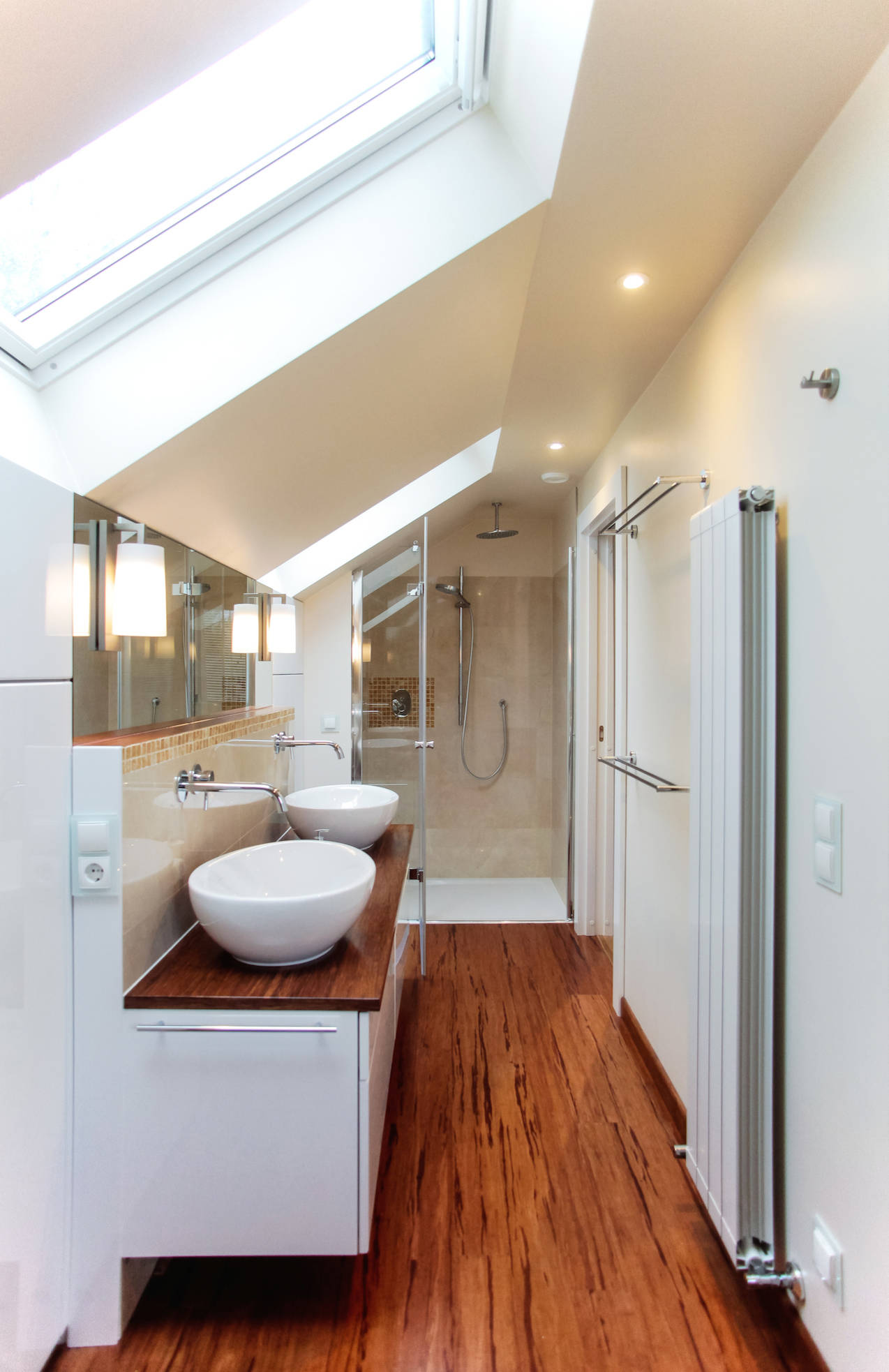
When I renovated my tiny 40-square-foot guest bathroom two years ago, I knew I wanted something that felt natural and warm rather than cold and clinical. After ruling out stone, which felt too heavy for the small space, and tile, which I’d already used in my main bathroom, I landed on bamboo flooring.
My contractor raised an eyebrow, a few friends questioned the moisture issue, and I second-guessed myself more than once. But I went for it, did everything right during installation, and I’m genuinely happy I took the chance. Here’s everything I learned through that process.
Why Bamboo Makes Surprising Sense in a Small Bathroom
Small bathrooms have a unique design challenge: every material choice is amplified because there’s so little floor space to work with. In a larger bathroom, the floor is almost secondary. In a 40-square-foot space, it becomes a significant visual element that shapes the entire feel of the room. Bamboo flooring brings a warmth and organic texture that tile and vinyl simply can’t replicate, and in a small space that tactile warmth is immediately noticeable and inviting.
Bamboo is also naturally harder than many traditional hardwood species, which surprised me when I first researched it. Strand-woven bamboo in particular is exceptionally dense and resistant to surface scratching and wear.
This durability matters in any floor but becomes especially relevant in a bathroom where you’re stepping in and out repeatedly, often with wet feet. The hardness of bamboo means the surface holds up to that daily routine without showing wear patterns quickly.
The sustainability angle genuinely resonated with me too. Bamboo is technically a grass that regenerates in three to five years after harvesting, compared to decades for hardwood trees. When I was renovating, I was trying to make more eco-conscious choices throughout the project, and bamboo fit naturally into that thinking.
For a small bathroom, the quantity of material needed is minimal, which made choosing a higher-quality, sustainably sourced bamboo product financially accessible without stretching my budget.

Understanding Bamboo’s Relationship With Bathroom Moisture
Let me be upfront about this because it’s the most important topic for anyone considering bamboo in a bathroom: moisture management is everything. Bamboo is not naturally waterproof. Like hardwood, it will absorb moisture if left exposed to it, which can cause warping, swelling, and eventual damage. Anyone who tells you bamboo is carefree in a wet environment is oversimplifying the situation in a way that could cost you significantly.
That said, properly sealed and maintained bamboo handles bathroom moisture far better than its reputation suggests. The key words are “properly sealed.” I used a high-quality polyurethane sealant applied in multiple coats, making absolutely sure every surface including edges and end grains was thoroughly covered. My contractor applied three coats total, with light sanding between each, and the result is a surface that water beads off cleanly rather than penetrating. I refresh that seal every 18 months.
Ventilation is the other half of the moisture equation that people underestimate. My guest bathroom had a small existing exhaust fan that I upgraded to a more powerful model during renovation. Running it during and for at least 15 minutes after every shower keeps humidity from building up and settling into the floor over time. I also keep a small dehumidifier running in the space during particularly humid summer months. These habits cost almost nothing but dramatically extend how well bamboo performs in a bathroom environment.
Choosing the Right Type of Bamboo for Bathroom Use
Not all bamboo flooring is created equal, and the type you choose matters enormously for bathroom performance. There are three main types: horizontal grain, vertical grain, and strand-woven. For bathroom use, I’d steer anyone firmly toward strand-woven bamboo. It’s manufactured by compressing bamboo fibers under extreme heat and pressure, creating a material that’s far denser and more moisture-resistant than the other two construction methods.
Horizontal and vertical grain bamboo, while beautiful, have a more open cellular structure that makes them more susceptible to moisture absorption. I actually started my research leaning toward horizontal grain because I loved the visible node pattern it produces. After talking with two flooring specialists and reading extensively about bathroom applications, I switched to strand-woven and haven’t regretted it. The density difference is genuinely significant in a humid environment.
Finish quality matters just as much as bamboo type. I specifically looked for products with aluminum oxide wear layers in their factory finish, which provides a harder initial surface before I even applied additional sealant. Some budget bamboo options use thinner, softer finishes that scratch and wear through more quickly, leaving the bamboo beneath vulnerable to moisture penetration. In a small bathroom where the entire floor area sees regular foot traffic, investing in a quality finish upfront pays off over the full life of the floor.

Installation Considerations Specific to Small Bathrooms
Installing bamboo in a small bathroom comes with some specific challenges that differ from larger room installations. The limited square footage actually makes the project manageable for a confident DIYer, but the high density of obstacles, toilet base, vanity, and shower threshold, requires more precision cutting than an open floor plan would. I hired a professional for the installation specifically because of those detailed cuts, and I’m glad I did.
Expansion gaps are critical with bamboo and require careful planning in a small bathroom. Bamboo expands and contracts with humidity changes, and it needs a quarter-inch gap around all walls, fixtures, and obstacles. In a large room this is barely noticeable, but in a 40-square-foot bathroom, planning those gaps carefully around a toilet base and vanity requires genuine precision. My installer used thinner transition moldings than are typical to keep the visual appearance clean while still maintaining necessary expansion space.
The subfloor preparation in my small bathroom required more attention than I expected. Old bathrooms in particular can have subfloor unevenness from decades of moisture exposure, settling, and previous flooring layers. My installer found a soft spot near the shower threshold that needed reinforcement before bamboo could go down safely. Small bathrooms are also more likely to have complex plumbing access points that need planning around. Taking time to properly assess and prepare the subfloor before any bamboo goes down is genuinely non-negotiable.
How Bamboo Flooring Visually Transforms a Small Bathroom
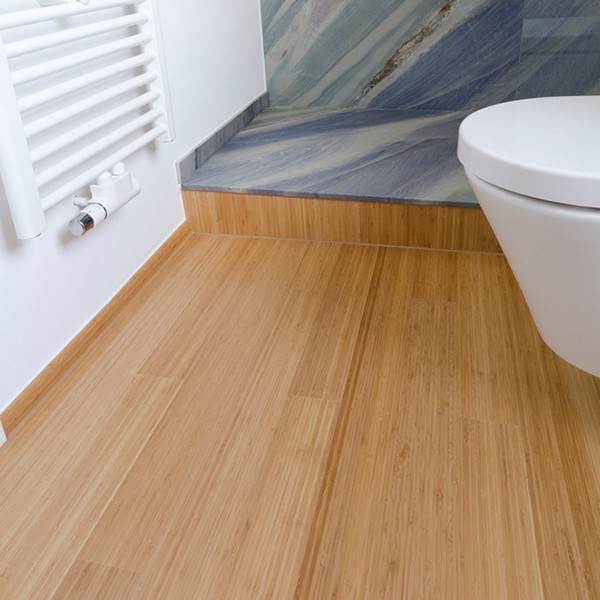
This is where bamboo flooring in a small bathroom truly shines, and honestly one of the main reasons I chose it. The linear grain patterns in bamboo planks create a natural directional flow that visually lengthens or widens a small space depending on how you orient the installation. I ran my planks lengthwise toward the window, which made the narrow bathroom feel longer and more proportioned than its 40 square feet would suggest.
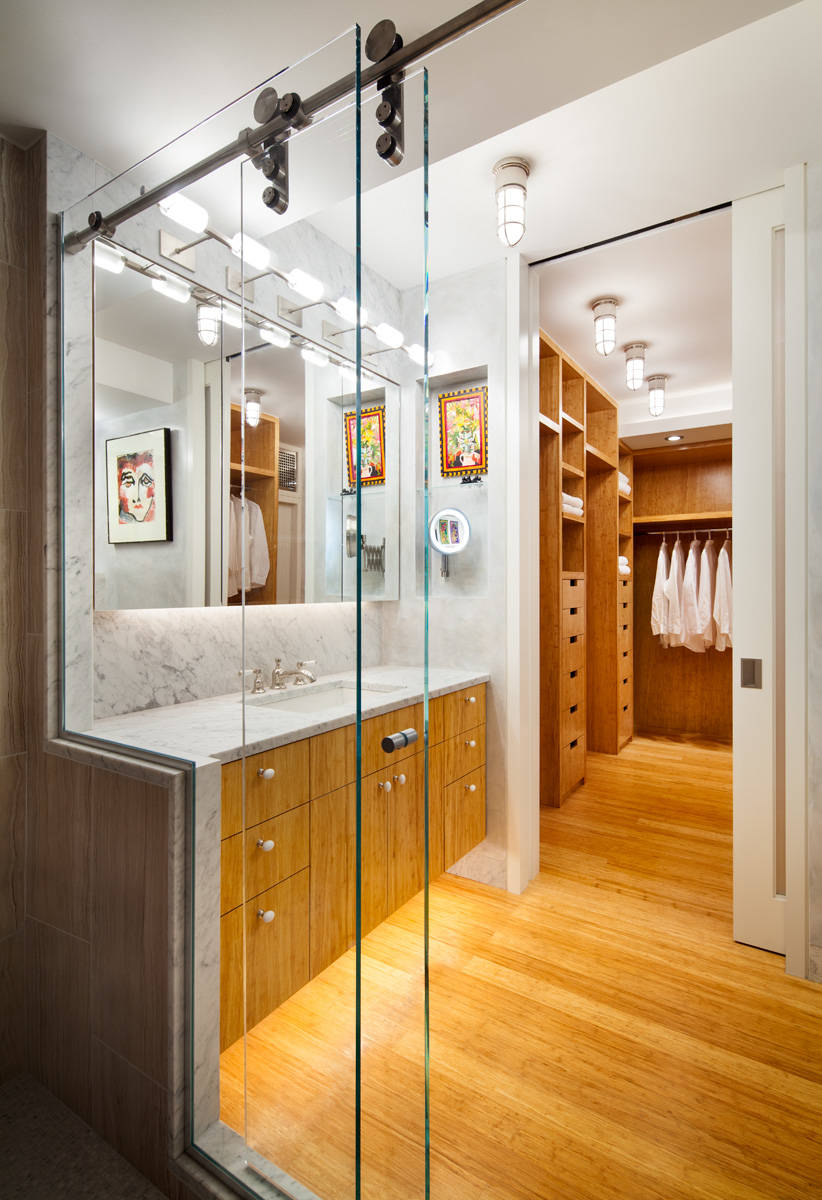
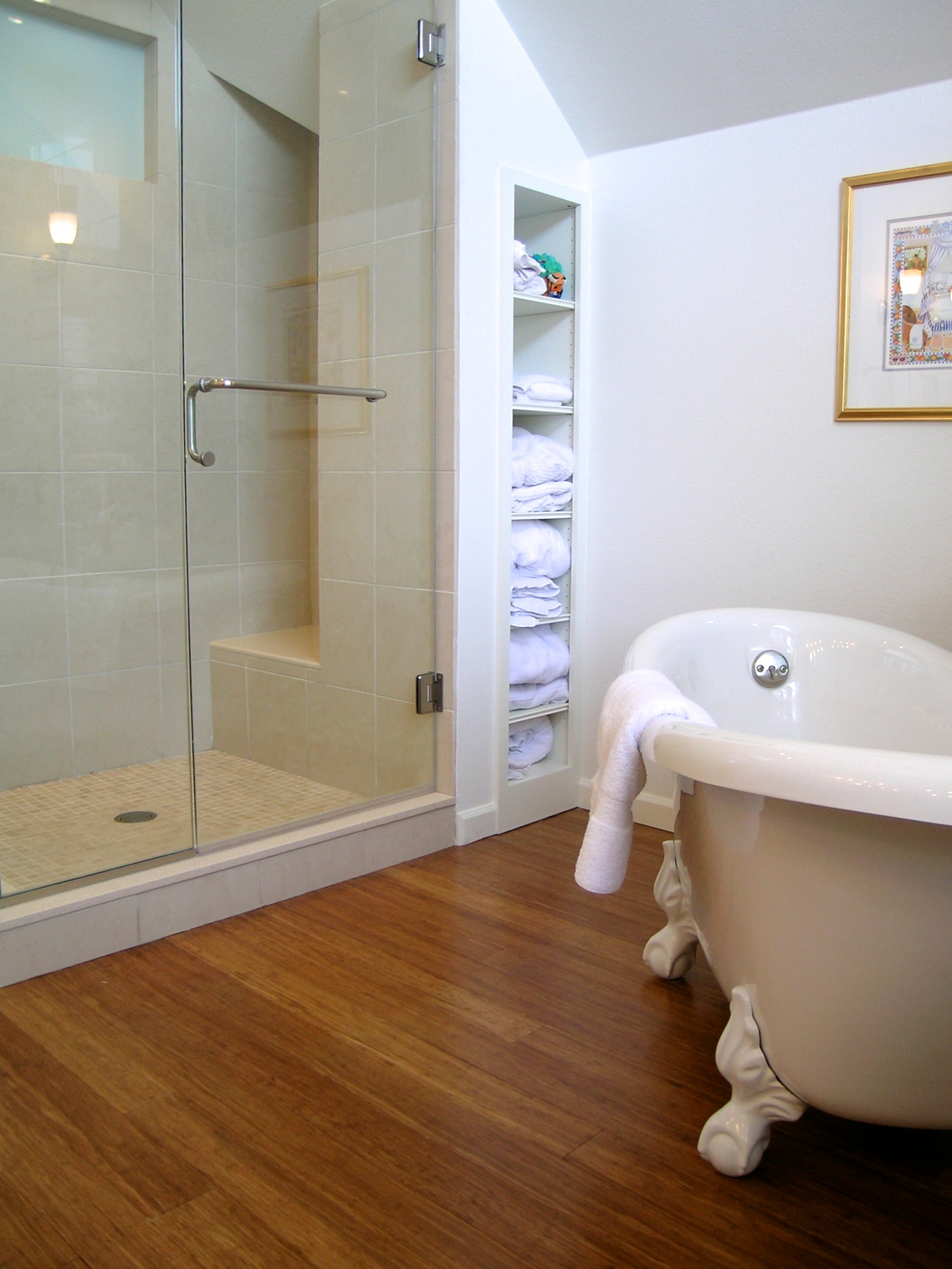
Color selection in bamboo flooring significantly impacts how a small bathroom feels. I chose a natural, lighter honey-toned bamboo rather than darker carbonized options, and that decision made the small bathroom feel open and airy rather than cramped. Darker bamboo flooring is beautiful, but in a small bathroom without substantial natural light, it can make an already tight space feel cave-like. If your small bathroom has good natural light, darker bamboo can look incredibly warm and sophisticated.
The material contrast that bamboo creates against typical bathroom elements is genuinely striking in the best way. My white walls, chrome fixtures, and white vanity look completely different against bamboo flooring than they would against white tile. The organic warmth of bamboo makes those cooler bathroom elements feel intentionally designed rather than default. Visitors to my guest bathroom consistently comment on how the floor makes the space feel considered and special, which is everything you want a small renovation to achieve.
Long-Term Care That Keeps Bathroom Bamboo Looking Beautiful
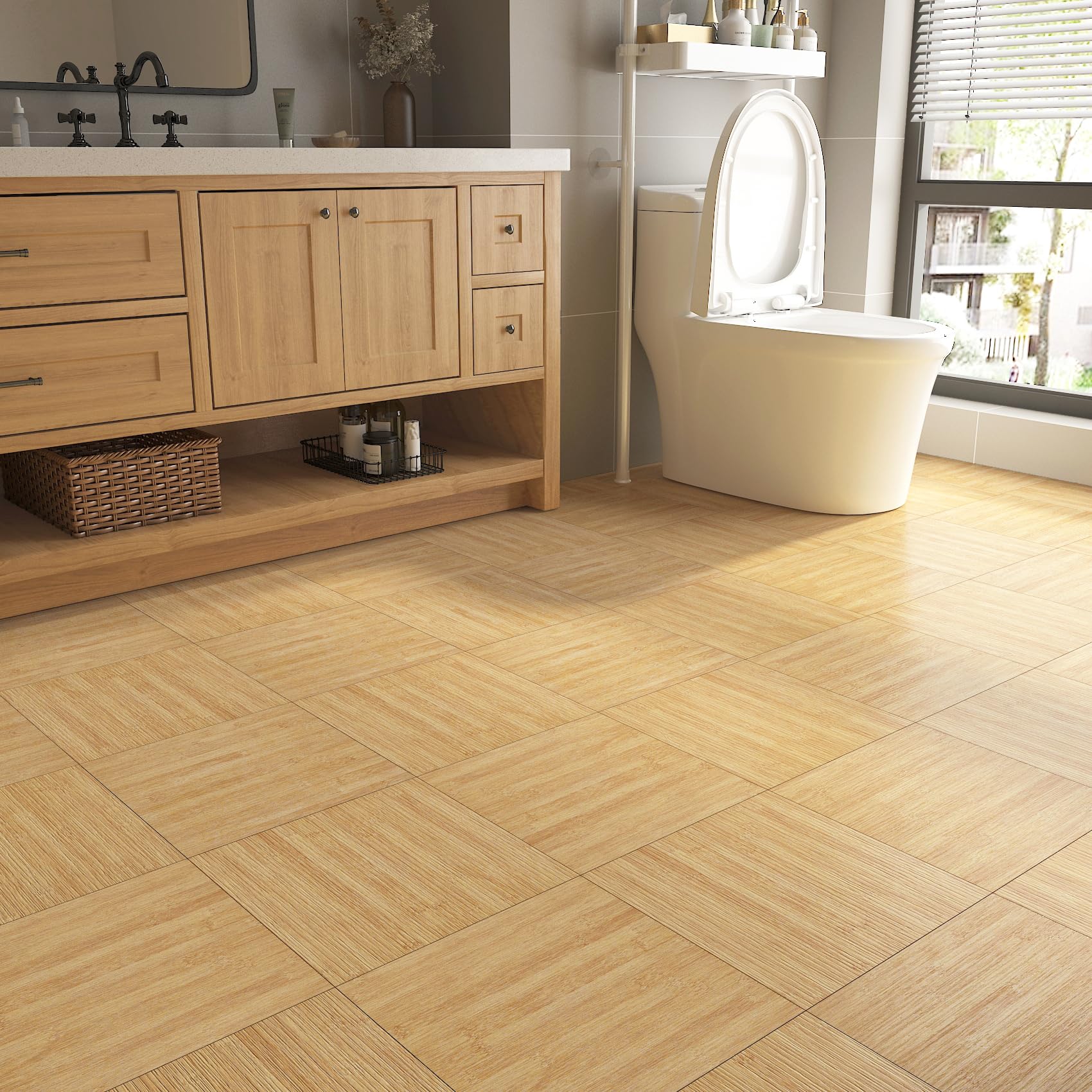
My two-year care routine for my bamboo bathroom floor has settled into simple habits that genuinely work. Daily dry sweeping or quick vacuum with a soft brush attachment removes moisture-trapping debris and grit that could scratch the surface. In a small bathroom this takes about two minutes and is the single most effective thing I do to maintain the floor’s appearance and longevity. Consistency with this simple step makes every other maintenance task easier.
For wet cleaning, I use a spray bottle with a diluted pH-neutral bamboo floor cleaner and a microfiber flat mop that I make sure is barely damp rather than wet. I never flood the floor with liquid, even in small amounts. Working in the direction of the grain and drying any remaining moisture with a clean dry cloth afterward keeps the surface looking fresh without introducing unnecessary moisture into the seams or edges. This sounds fussy but genuinely takes under five minutes for a 40-square-foot bathroom.
The resealing schedule I keep has been the most impactful long-term maintenance decision. Every 18 months I lightly sand the floor with fine-grit sandpaper to remove any minor surface scratches, clean thoroughly, and apply two fresh coats of polyurethane sealant. This process takes about half a day and costs roughly $25 in materials. It essentially resets the floor’s moisture protection and brings back the original sheen. Two years in, my bamboo bathroom floor looks virtually identical to installation day, which I consider a genuine success.
Will bamboo flooring eventually warp in a bathroom no matter what I do?
With proper sealing, ventilation, and moisture management, warping is very unlikely. I’ve had zero warping in two years. The key is choosing strand-woven bamboo, sealing it thoroughly including edges, running a strong exhaust fan, and wiping up standing water immediately. Bamboo warps when moisture penetrates repeatedly over time, and good habits prevent that from happening in the first place.
How does bamboo flooring in a bathroom hold up compared to tile?
Tile is more inherently waterproof and requires less maintenance around moisture, but bamboo is warmer, softer underfoot, and far more visually interesting in a small space. Bamboo requires more intentional care and resealing but rewards that effort with a living, organic look tile can’t replicate. For low-use bathrooms like a guest bath, bamboo competes well with tile. For the main family bathroom with heavy daily use, I’d lean toward tile.
:strip_icc()/vanity-counter-double-mirrors-bathroom-aebc2606-5c7ba492e8924db19d9f8a7c7f7ea129.jpg)
What’s the cost difference between bamboo and tile for a small bathroom floor?
For my 40-square-foot bathroom, quality strand-woven bamboo materials ran about $5 to $8 per square foot, comparable to mid-range tile. Installation was slightly higher because of the specialized cutting required, bringing my total to around $600 including materials and labor. Standard ceramic tile with grout for the same space would have cost roughly $400 to $500. The bamboo premium was modest and felt worth it for the aesthetic result.
Can I install bamboo flooring myself in a small bathroom to save money?
A confident DIYer could handle it, but I’d honestly recommend hiring a professional for bathroom installations specifically. The precision cuts around a toilet, vanity, and shower threshold require experience and proper tools. Mistakes in those tight spaces are costly to fix. Save the DIY approach for simpler rectangular rooms. The professional installation cost in a small bathroom is modest and the quality difference is genuinely meaningful for long-term performance.
How does bamboo flooring feel underfoot in a cold bathroom in winter?
Bamboo is notably warmer underfoot than tile or stone, which was one of my favorite discoveries. It doesn’t hold cold the way ceramic tile does, making those early morning bathroom visits much more pleasant in winter months. It’s not as warm as cork or carpet obviously, but the difference compared to tile is immediately noticeable. If cold bathroom floors have bothered you before, bamboo is a meaningful upgrade in comfort without any additional investment in underfloor heating.
Is bamboo bathroom flooring a good choice if I plan to sell my home eventually?
In my experience discussing this with a real estate agent friend, bamboo flooring in a bathroom reads as a thoughtful, premium choice to buyers who appreciate natural materials. It’s distinctive enough to be memorable and be a genuine selling point. That said, some buyers might prefer the lower-maintenance familiarity of tile. Overall I’d say bamboo adds perceived value and character to a small bathroom that photographs beautifully, which matters enormously in today’s home-selling environment.
Related Posts: