When I purchased my 1926 Colonial Revival home, I discovered original bathroom floor tiles hidden beneath layers of vinyl and carpet that previous owners had installed over the decades. The geometric patterns and vibrant colors immediately captivated me, sparking a passion for period-appropriate restoration that would consume my weekends for the next two years. Through careful research, painstaking removal of modern coverings, and countless hours tracking down matching tiles, I learned that 1920s bathroom floors represent a unique intersection of craftsmanship, artistry, and functional design that modern materials struggle to replicate.
Uncovering Original Design Patterns
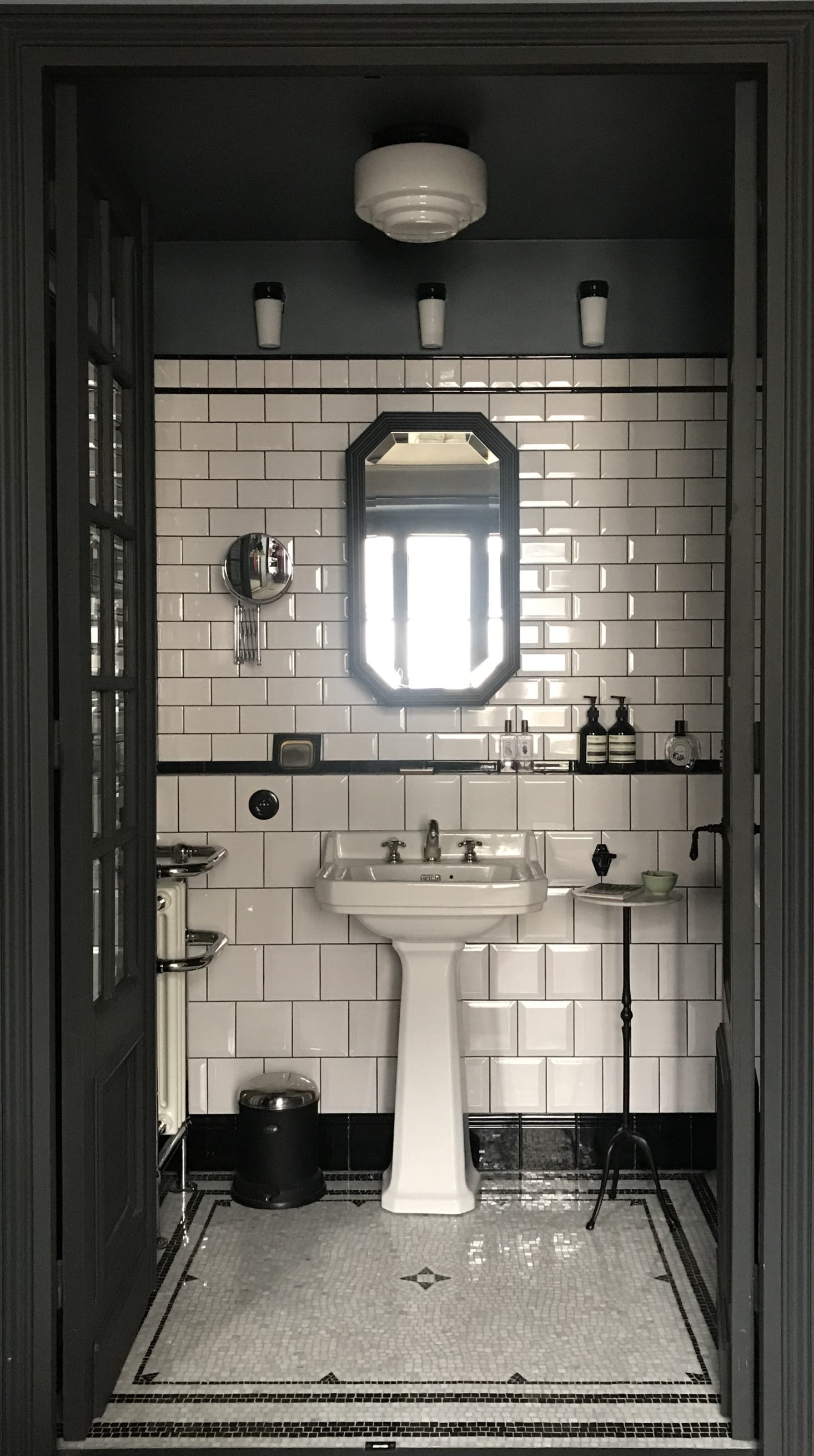
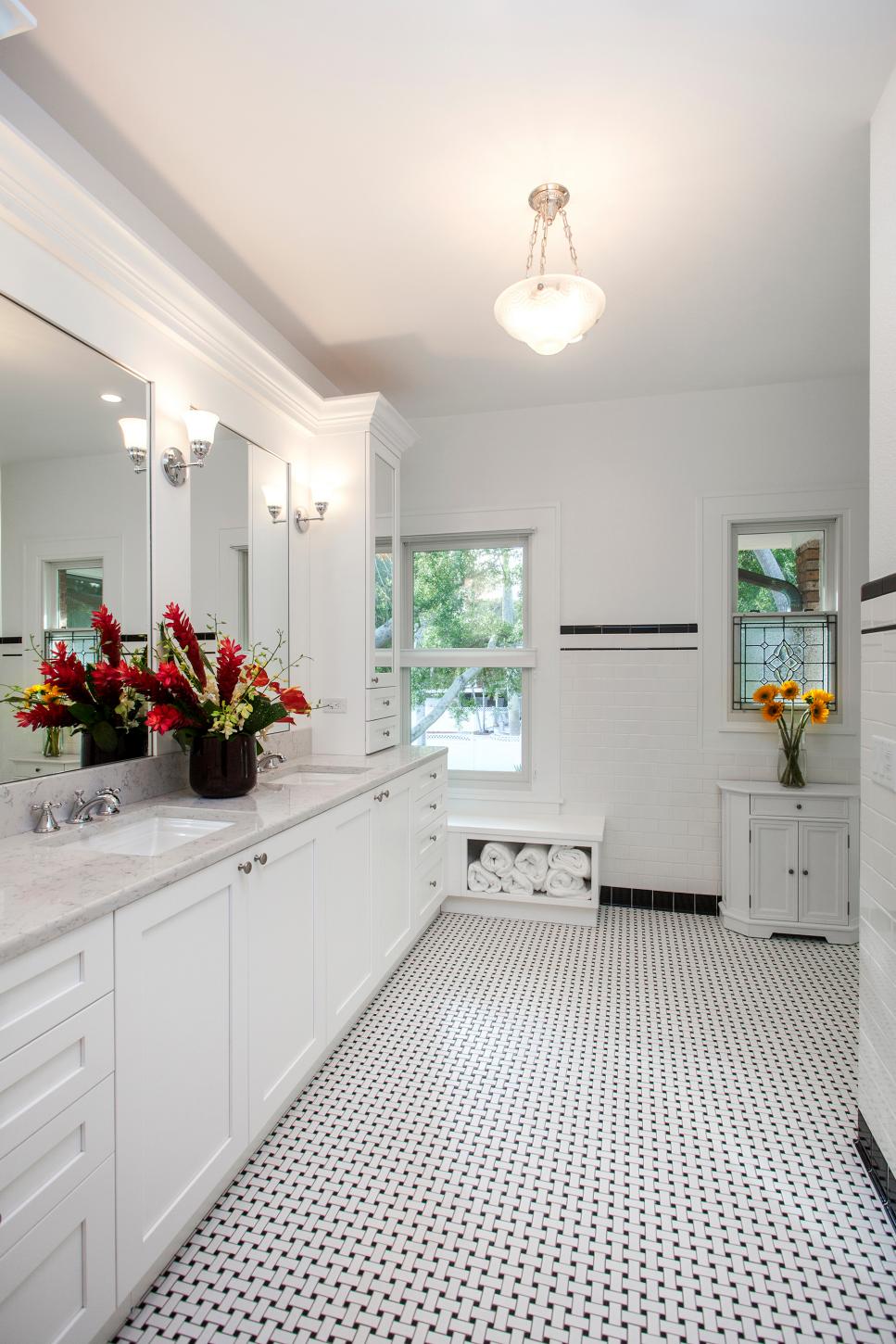
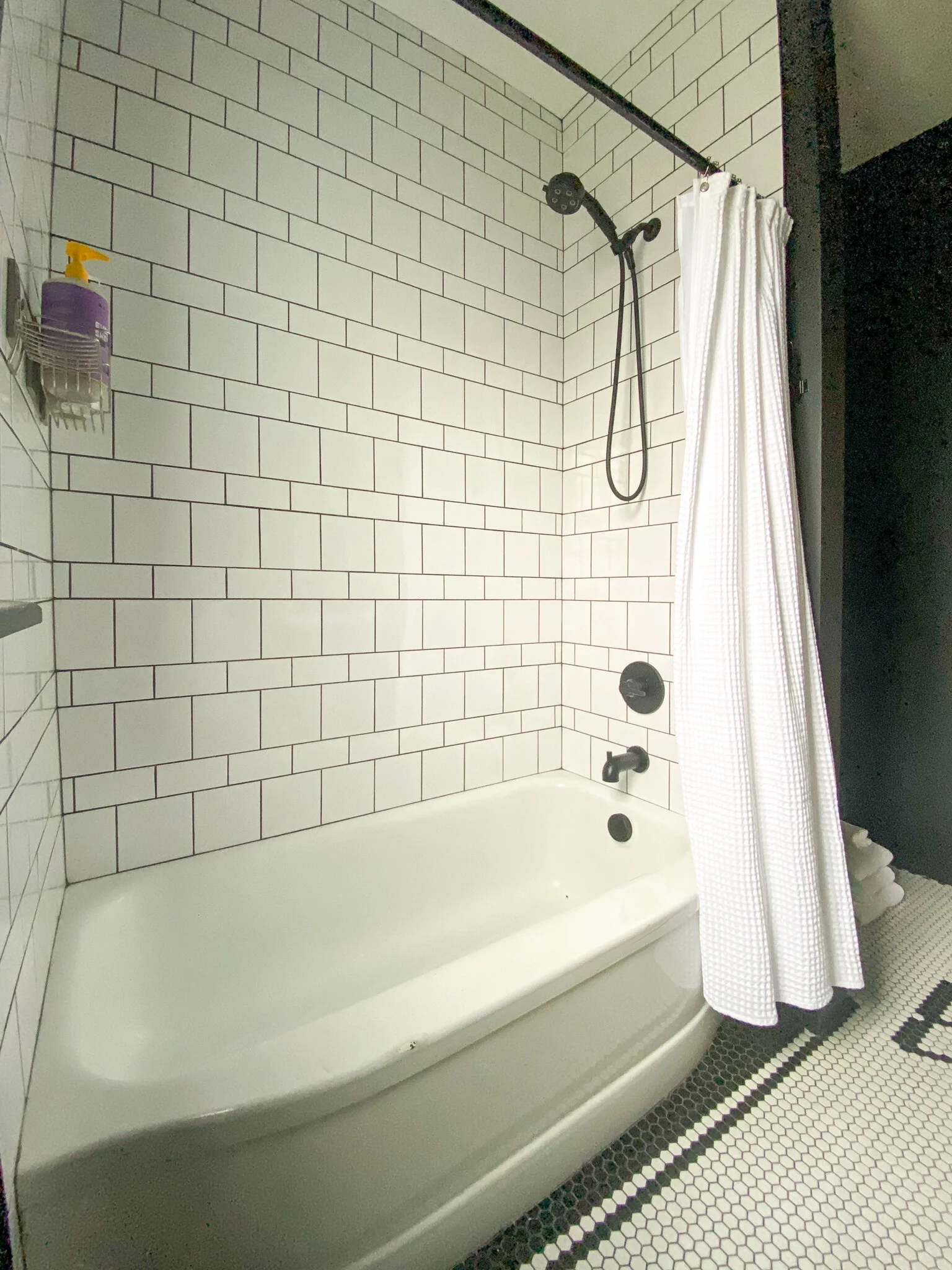
My first glimpse of the original hexagonal tile pattern took my breath away after carefully removing decades of accumulated flooring layers with hand tools. The classic white hexagons with black accent tiles created a timeless geometric design that photographers still use today for magazine shoots. Each six-inch tile had been hand-placed with precision that machine installation rarely achieves in modern construction projects.
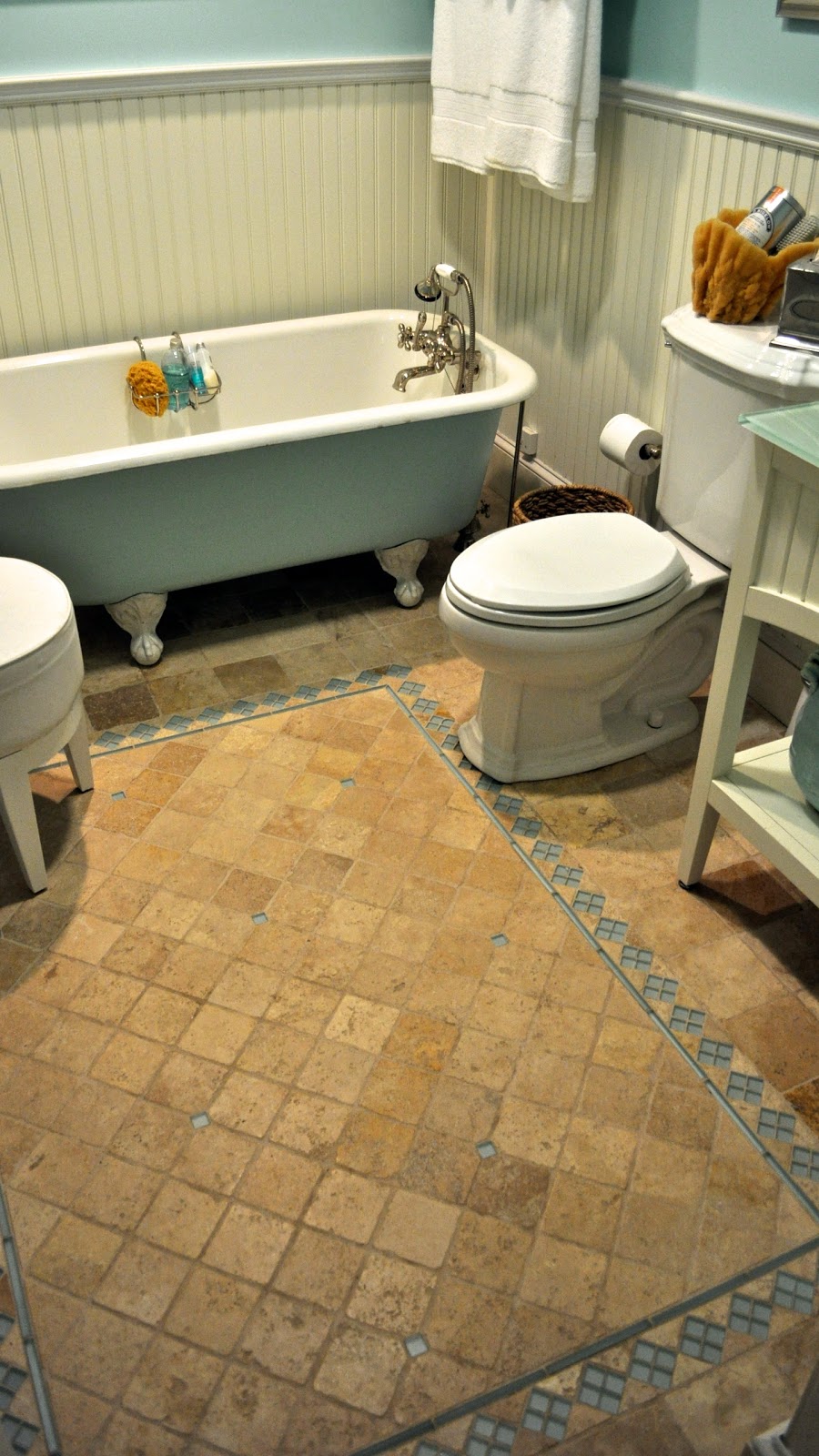
Border patterns around the room’s perimeter revealed the sophisticated design sensibilities of 1920s craftsmen who understood visual proportions instinctively. I discovered a Greek key border in contrasting colors that framed the main field pattern beautifully while adding visual interest to the space. These decorative elements required skilled tile setters who took pride in their artistic contributions to home construction.
Color combinations from this era reflect the optimism and artistic movements influencing residential design during the post-war prosperity period. My bathroom featured sage green accents with cream and black tiles that created a sophisticated palette still admired by interior designers today. The pigments used in ceramic glazes from this period have proven remarkably durable, maintaining their vibrancy nearly a century later.
Identifying Authentic 1920s Tile Characteristics
Thickness variations in original tiles immediately distinguish them from modern mass-produced alternatives I encountered while sourcing replacement pieces. Hand-molded tiles from the 1920s show subtle irregularities in dimension and surface texture that create character and visual interest. Machine-made reproductions lack these authentic imperfections that give period tiles their distinctive charm and authenticity.
Glaze quality from established manufacturers like American Encaustic Tiling Company demonstrates superior durability compared to many contemporary products I’ve tested recently. The ceramic bodies were fired at high temperatures, creating dense, non-porous surfaces that resist water absorption and staining. Original tiles often show maker’s marks on the back that help identify provenance and manufacturing dates.
Surface patterns created through encaustic techniques embed colors throughout the tile body rather than applying them as surface glazes only. This manufacturing method ensures pattern durability even when surface wear occurs over decades of use. I learned to recognize these authentic encaustic tiles by examining broken pieces where color patterns extend completely through the ceramic body.

Restoration Challenges I Faced
Removing modern adhesives without damaging original tiles required patience and experimentation with various solvents and mechanical methods I developed through trial and error. Some vinyl adhesives had bonded so strongly that tile removal seemed impossible without destruction. I discovered that controlled heat application softened adhesives enough to allow careful removal using thin putty knives and scrapers.
Missing tiles presented my biggest challenge since exact reproductions of 1920s patterns are rarely available from modern manufacturers today. I spent months searching architectural salvage yards, online auctions, and specialty dealers to find matching pieces. When exact matches proved impossible, I learned to create acceptable substitutions using similar tiles in strategic locations.
Grout restoration required complete removal and replacement since the original cement-based grouts had deteriorated beyond repair after ninety years of service. Modern grouts provide better moisture resistance, but selecting appropriate colors to match the period aesthetic requires careful consideration. I tested multiple samples to achieve colors that complemented rather than competed with the original tile palette.

Sourcing Replacement Materials
Architectural salvage companies became my best resources for finding authentic 1920s tiles that matched my existing installation patterns precisely. These businesses specialize in period materials recovered from demolition projects throughout the region. I established relationships with several dealers who contacted me when suitable tiles became available from estate sales or building renovations.
Reproduction tile manufacturers offer modern interpretations of classic patterns, though quality and authenticity vary significantly between different companies I investigated thoroughly. Some producers focus on historical accuracy while others create contemporary versions of vintage styles. I learned to evaluate samples carefully and request detailed specifications before placing orders for critical restoration areas.
Online marketplaces expanded my search capabilities but required careful evaluation of seller descriptions and photograph quality before purchasing sight unseen. Many sellers lack knowledge about tile specifications, leading to disappointing purchases that didn’t match my requirements. I developed techniques for asking specific questions and requesting additional photographs to avoid costly mistakes.

Period-Appropriate Installation Techniques
Traditional installation methods using sand and cement mortars provide authentic results but require skills that modern tile setters rarely practice today. I learned these techniques through consultation with craftsmen who had worked on period restorations previously. The thick-bed installation method accommodates slight irregularities in handmade tiles while creating durable, long-lasting installations.
Spacing and alignment standards from the 1920s differ from contemporary practices, requiring adjustment of modern expectations for perfect uniformity and precise gaps. Period installations show slight variations that reflect hand-placement techniques rather than machine precision. I learned to embrace these characteristics as authentic features rather than flaws requiring correction.
Grout joint widths and depths followed different conventions than current standards, typically featuring wider joints filled flush with tile surfaces for easy cleaning. Original installations used white or light gray grouts almost exclusively, avoiding the decorative colored grouts popular in later decades. These period-appropriate choices maintain historical accuracy while providing practical functionality.
Maintenance and Preservation Strategies
Daily cleaning routines for restored 1920s tiles require gentle approaches that preserve original glazes while maintaining sanitary conditions in bathroom environments effectively. I avoid harsh chemicals and abrasive cleaners that could damage period finishes over time. Simple soap solutions and soft cloths provide adequate cleaning without compromising the historical integrity of authentic materials.
Periodic deep cleaning using appropriate restoration techniques removes accumulated grime without harming delicate glazes or grout joints that require special attention. I use pH-neutral cleaners specifically formulated for historic ceramic surfaces when routine cleaning proves insufficient. Professional restoration services become necessary for serious staining or damage that exceeds homeowner’s capabilities.
Preventive measures protect my investment in period tile restoration while maintaining the bathroom’s functional requirements for modern family use effectively. Strategic placement of bath mats prevents excessive wear in high-traffic areas while preserving the visual impact of original patterns. Regular inspection identifies potential problems before they require expensive professional intervention or tile replacement.

How can I tell if my bathroom tiles are original 1920s installations?
Original 1920s tiles typically measure thicker than modern alternatives and show slight dimensional variations from hand-molding processes characteristic of period manufacturing. Look for maker’s marks on tile backs, encaustic construction with colors throughout the body, and installation patterns typical of the era. Grout lines are often wider than contemporary standards. Professional evaluation may be necessary for definitive authentication and historical documentation.
What’s the best way to remove modern flooring over 1920s tiles?
Start with careful removal of surface materials using hand tools to avoid damaging underlying tiles unnecessarily. Heat guns soften stubborn adhesives while solvents dissolve residual bonding agents safely. Work slowly and test removal techniques in inconspicuous areas first. Professional restoration services may be worth the investment for valuable or extensive installations requiring specialized expertise and equipment.
Where can I find replacement tiles that match 1920s patterns?
Architectural salvage dealers, specialty tile suppliers, and online marketplaces offer the best sources for authentic period materials currently available. Some manufacturers produce reproduction tiles inspired by 1920s designs with varying degrees of historical accuracy. Estate sales and demolition sites occasionally yield matching tiles. Building relationships with dealers and restorers increases the chances of finding suitable matches over time.
Are 1920s bathroom tiles safe by modern standards?
Most 1920s ceramic tiles are safe for continued use, though lead-based glazes were common and require appropriate handling during restoration work. Professional testing can identify hazardous materials requiring special precautions or removal procedures. Properly maintained period tiles provide excellent service life and safety when installed correctly. Consult restoration professionals for guidance on potential health concerns and remediation options.

How much does 1920s tile restoration typically cost?
Restoration costs vary dramatically based on tile condition, room size, and the extent of damage requiring professional intervention currently. Simple cleaning and regrouting may cost hundreds, while complete restoration projects can reach thousands of dollars. Sourcing replacement tiles often represents the largest expense due to scarcity and specialty pricing. Professional evaluation provides accurate cost estimates for specific restoration projects and requirements.
Can I install modern plumbing fixtures over restored 1920s tile?
Modern fixtures can be installed over period tile floors with careful planning to minimize damage and maintain historical character effectively. Use appropriate anchoring methods and seal penetrations properly to prevent moisture damage. Consider fixture placement that complements rather than competes with original tile patterns. Professional installation ensures proper techniques while preserving valuable period materials and maintaining bathroom functionality for contemporary use.
White bathroom designs, Black and white tiles

Depression Era Bathroom Tiles – Home with Keki
Historic Bathroom Tile Designs
Related Posts: