Converting my unfinished basement into a functional living space proved to be my most challenging home improvement project yet. The concrete floor felt cold, looked uninviting, and seemed impossible to make comfortable for my family’s daily use. After researching numerous options and testing several materials in various sections, I found that basement flooring requires unique considerations for moisture, temperature, and durability that surface-level rooms do not. My journey taught me valuable lessons about subfloor preparation, material selection, and creative solutions for underground spaces.
Understanding Basement Moisture Challenges
My first attempt at basement flooring failed spectacularly when I installed laminate directly over concrete without proper moisture testing or barriers. Within six months, the planks had warped, buckled, and developed an unpleasant musty odor that permeated the entire lower level. This expensive mistake taught me that basement moisture management must come before any flooring consideration.
Concrete naturally transmits moisture vapor from the ground beneath, creating conditions that destroy most conventional flooring materials over time. I learned to perform calcium chloride tests that measure moisture emission rates from my concrete slab. These tests revealed moisture levels far exceeding what standard flooring could handle without protection.
Installing a proper vapor barrier system became essential for any successful basement flooring project I attempted subsequently. I used epoxy-based moisture mitigation coatings that seal concrete pores and prevent vapor transmission upward. This foundation work added cost and time but prevented future failures that would have been far more expensive to repair.
Insulation and Comfort Considerations
The thermal mass of concrete makes basement floors uncomfortably cold even during summer months when the house feels warm upstairs. I discovered that insulating the floor dramatically improved comfort levels while reducing heating costs throughout the winter season. Rigid foam insulation boards created a thermal break between the cold concrete and my living space above.
Radiant heating systems offer luxury comfort that transforms basements from cold storage areas into cozy retreat spaces for family activities. I installed electric radiant mats under my tile flooring, creating warm surfaces that make bare feet comfortable year-round. The installation required careful planning, but delivered comfort levels that justify the additional investment.
Subfloor systems combine insulation and moisture protection while creating surfaces suitable for conventional flooring materials I preferred using. These engineered systems elevate the finished floor above potential moisture issues while providing insulation value. The height increase required planning for ceiling clearance and stair transitions to maintain proper proportions.

Material Selection for Underground Environments
Luxury vinyl plank became my preferred choice after testing various materials in different basement sections over several years of experimentation. Its complete waterproof construction handles moisture issues that destroy wood-based products, while the realistic wood appearance satisfies my aesthetic preferences. The material installs easily over properly prepared concrete surfaces.
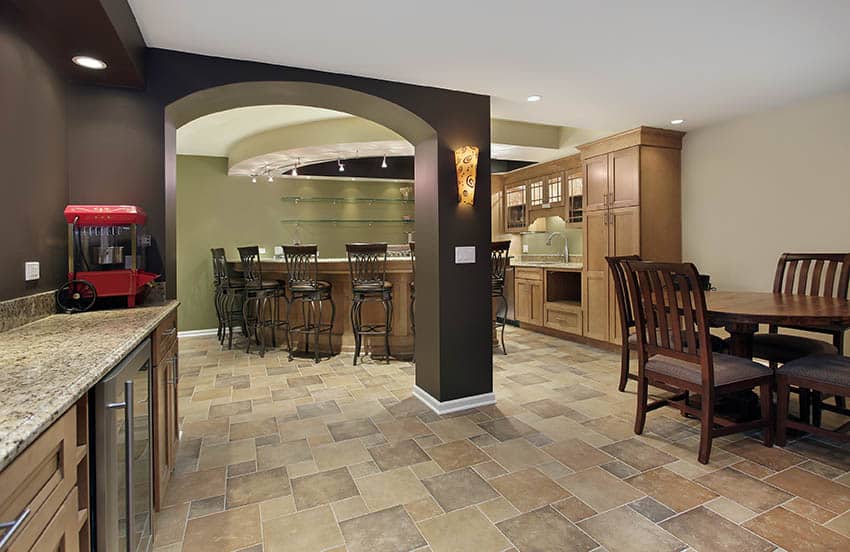
Ceramic and porcelain tile offer excellent durability and moisture resistance, but require proper insulation to address comfort concerns from cold surfaces. I used large format tiles to minimize grout lines where moisture could potentially accumulate over time. Heated tile floors create luxurious comfort that rivals expensive surface-level installations.
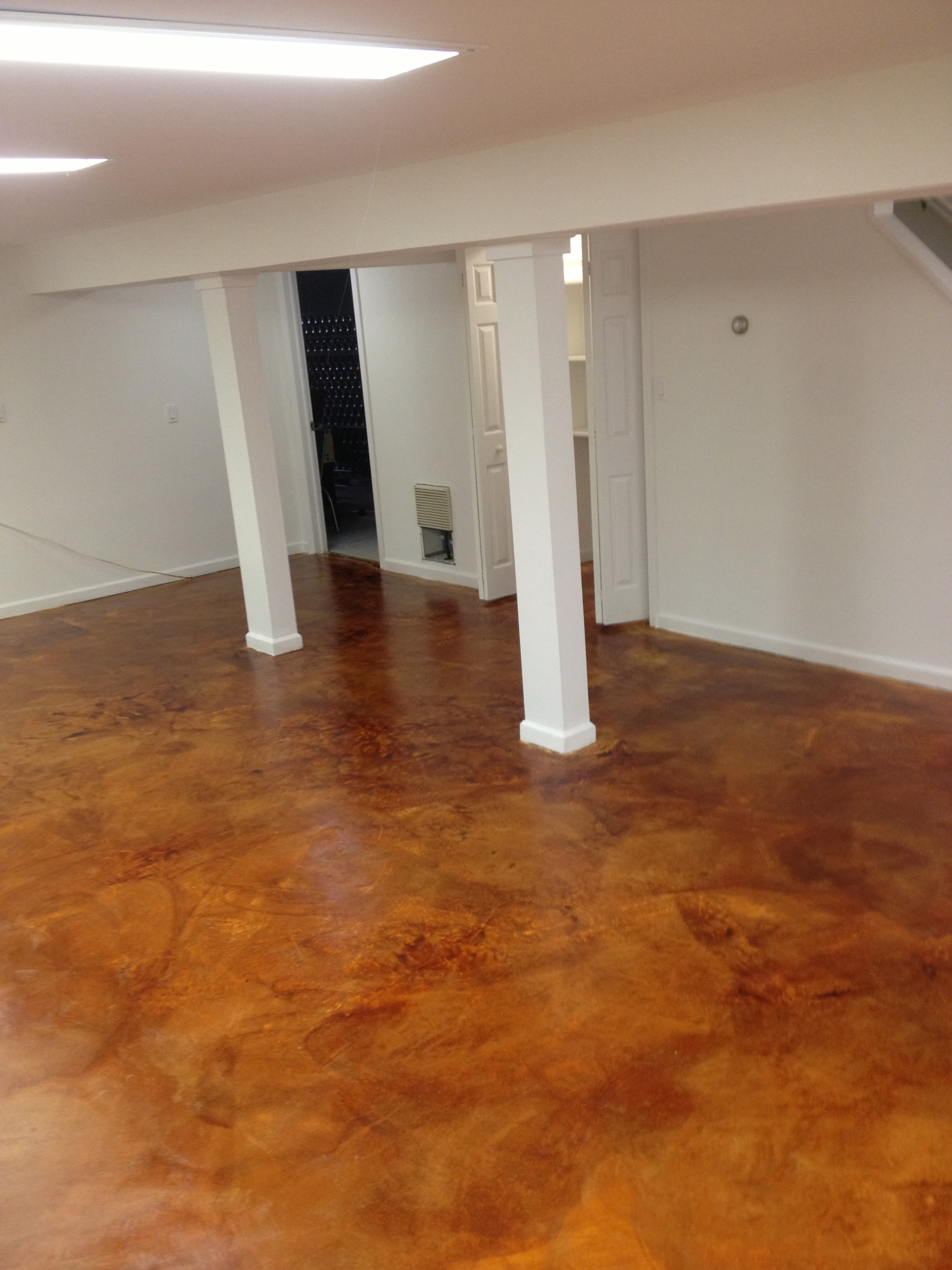
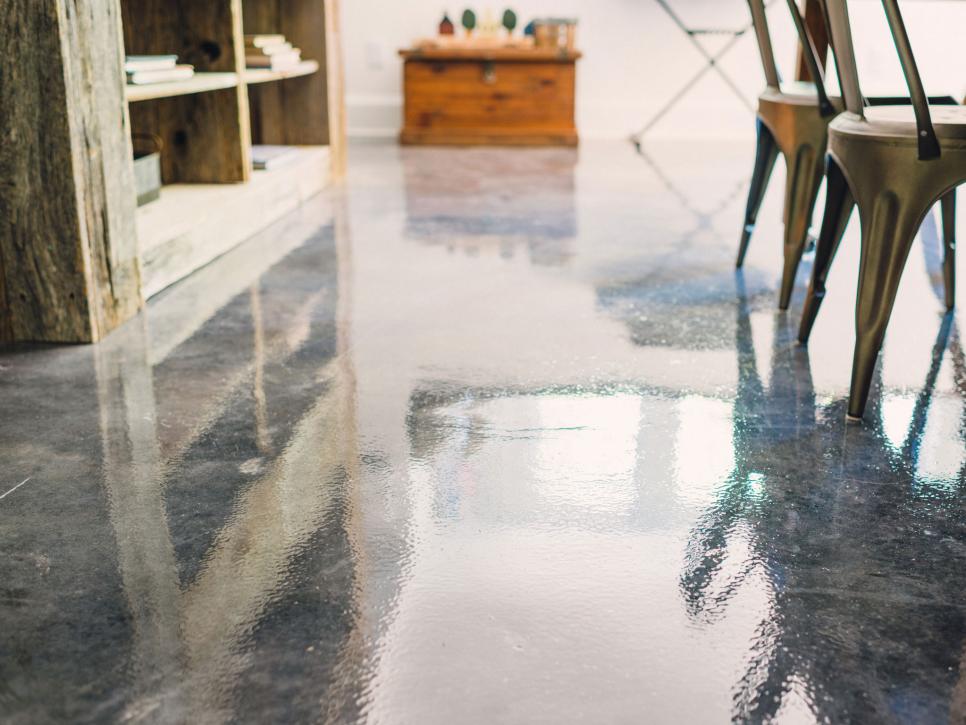
Polished concrete emerged as an unexpected favorite after I experimented with decorative staining and sealing techniques on a test section. The industrial aesthetic appeals to modern design sensibilities while providing unmatched durability and easy maintenance. Proper sealing prevents dusting and creates surfaces that rival expensive terrazzo installations.

Creative Design Solutions I Discovered
Area rugs became essential elements for adding warmth, color, and comfort to hard basement flooring surfaces throughout the space. I learned that washable rugs work best in potentially humid environments where traditional wool or natural fiber rugs might develop mold issues. Strategic placement defines different functional zones within open basement layouts.
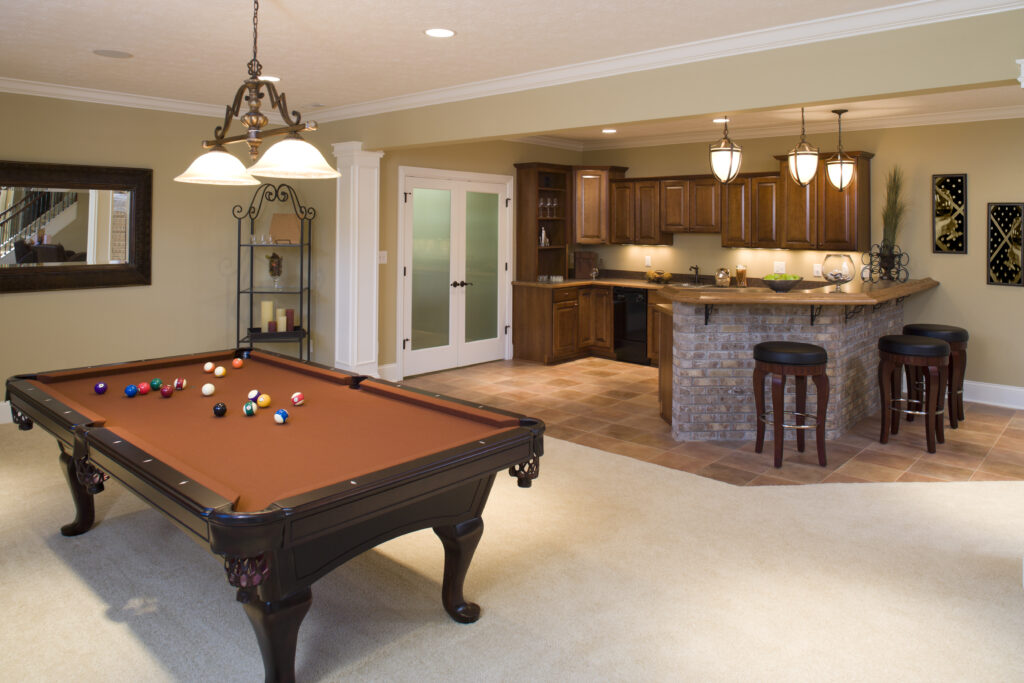
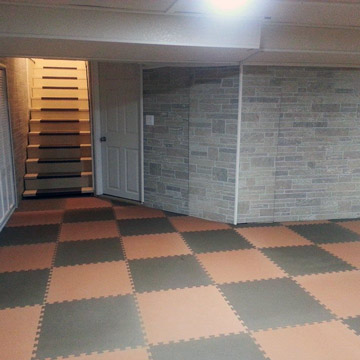
Mixed flooring materials create visual interest while addressing different functional needs within a single basement spaces effectively. I used tile in potential wet areas near utility equipment and luxury vinyl in seating and entertainment zones. Transition strips between materials require careful planning but create professional-looking results when executed properly.
Lighting integration with flooring choices dramatically impacts the perceived warmth and comfort of basement spaces that lack natural illumination. I installed LED strip lighting under toe kicks and behind floating shelves to create ambient lighting that complements my flooring selections. These details transform utilitarian basements into inviting living areas.
Installation Techniques That Work
Floating installation methods work best for most basement applications since they accommodate natural concrete movement and potential minor moisture issues. I avoid glue-down installations that create permanent bonds with concrete surfaces that might experience seasonal changes. Floating floors can be removed easily if moisture problems develop later.
Proper edge sealing prevents moisture infiltration around room perimeters where walls meet flooring surfaces that could compromise installations. I use flexible caulks that accommodate movement while maintaining moisture barriers. This attention to detail prevents edge failures that could spread throughout entire installations.
Tool selection for basement installations requires consideration of space limitations and concrete surfaces that challenge standard installation equipment. I invested in low-profile tools that work in cramped spaces with limited ceiling height. Concrete-specific drill bits and anchors ensure the secure installation of transition strips and baseboards.

Long-Term Performance and Maintenance
Humidity control systems became essential for protecting my basement flooring investment and maintaining comfortable living conditions year-round. I installed a dedicated dehumidifier that maintains optimal moisture levels regardless of seasonal weather changes. This equipment prevents condensation issues that could damage flooring and create health concerns.
Regular maintenance routines for basement floors differ from surface-level requirements due to unique environmental conditions and usage patterns. I vacuum frequently to remove dirt tracked in from the outdoor access and mop with appropriate cleaners for each flooring type. Vigilant inspection for moisture issues prevents small problems from becoming major repairs.
Performance monitoring through periodic moisture testing ensures my basement flooring continues performing as expected over years of use. I check problem areas annually and address any changes in moisture conditions immediately. This proactive approach has prevented failures and maintained the comfortable living space I worked hard to create.

What’s the best flooring material for a basement with moisture issues?
Luxury vinyl plank and ceramic tile perform best in moisture-prone basements due to their waterproof construction and durability. I avoid wood-based products entirely in below-grade applications where humidity and potential water intrusion create problems. Proper moisture mitigation remains essential regardless of material choice. Polished concrete works excellently when properly sealed and provides easy maintenance with an attractive appearance.
How do I know if my concrete floor needs moisture treatment?
Calcium chloride testing measures moisture vapor emission rates from concrete slabs to determine treatment needs accurately. I perform these tests before any flooring installation to avoid future problems. Visible efflorescence, dampness, or musty odors indicate moisture issues requiring professional mitigation. Simple plastic sheet tests can provide preliminary moisture indication, but professional testing ensures accurate results.

Can I install radiant heating under basement flooring?
Electric radiant heating works excellently under tile and luxury vinyl installations, dramatically improving comfort in cold basement environments. I avoid radiant systems under wood flooring due to moisture and expansion concerns in basement applications. Installation requires careful planning for electrical requirements and floor height considerations. The comfort improvement justifies the additional cost for frequently used basement spaces.
What insulation options work best for basement floors?
Rigid foam insulation boards provide excellent thermal breaks between cold concrete and finished flooring surfaces. I prefer closed-cell foam that resists moisture while providing insulation value. Subfloor systems combine insulation with moisture protection in engineered solutions. Proper vapor barriers remain essential regardless of the insulation type chosen. Thickness selection depends on ceiling height limitations and performance requirements.
How do I handle transitions between basement and upper level flooring?
Transition strips and reducers accommodate height differences between basement and main level flooring materials professionally. I plan transitions carefully during installation to ensure smooth, safe passages between levels. Custom solutions may be required for significant height differences or unusual layouts. Proper installation prevents tripping hazards while creating attractive visual transitions between different flooring materials and levels.
What maintenance is required for basement flooring long-term?
Regular vacuuming removes tracked dirt and debris that can damage flooring surfaces over time with abrasive action. I recommend weekly cleaning with appropriate products for each material type installed. Monthly moisture monitoring prevents problems before they become expensive repairs. Annual professional inspection identifies potential issues early. Dehumidifier maintenance ensures optimal environmental conditions for flooring performance and occupant comfort.
Best Basement Flooring Options – The Flooring Girl

Basement Floor Ideas basement flooring, flooring, finishing

Most Durable Basement Flooring Options
Budget Basement Flooring Ideas: Foam, Rubber & Carpet Tiles & Rolls
Basement Flooring Ideas (Best Design Options) – Designing Idea
Related Posts: