When I started planning my bathroom renovation three years ago, I thought ceramic tile was my only option. Everyone seemed to use it, and I assumed it was the gold standard for wet areas. Then a contractor friend introduced me to modern vinyl flooring, and I’m so glad he did. After installing luxury vinyl planks in two bathrooms and helping friends with their projects, I can honestly say vinyl has transformed how I think about bathroom floors. It’s waterproof, comfortable underfoot, and looks absolutely stunning.
Understanding Waterproof Vinyl Options
The first thing I learned was that not all vinyl is created equal, especially for bathrooms. Traditional vinyl flooring can absorb water at the seams and edges, leading to warping and mold issues. I made sure to choose 100% waterproof luxury vinyl planks with a rigid core construction. These planks have a stone plastic composite core that won’t swell or buckle even when completely submerged in water.
When researching options, I discovered that the wear layer thickness matters tremendously for bathroom applications. I chose planks with a 20-mil wear layer, which provides excellent protection against scratches from dropped bottles and daily foot traffic. The thicker wear layer also means better stain resistance, which proved invaluable when my kids spilled nail polish and hair dye. Everything was wiped clean without leaving permanent marks.
The locking mechanism was another crucial consideration I almost overlooked. I selected planks with a tight-fitting click system that creates watertight seams. Some cheaper options have gaps that can allow moisture penetration over time. After two years of daily showers and the occasional overflow from enthusiastic bubble baths, my floors show no signs of water damage or separation at the joints.
Luxury Vinyl Tile Styles That Work
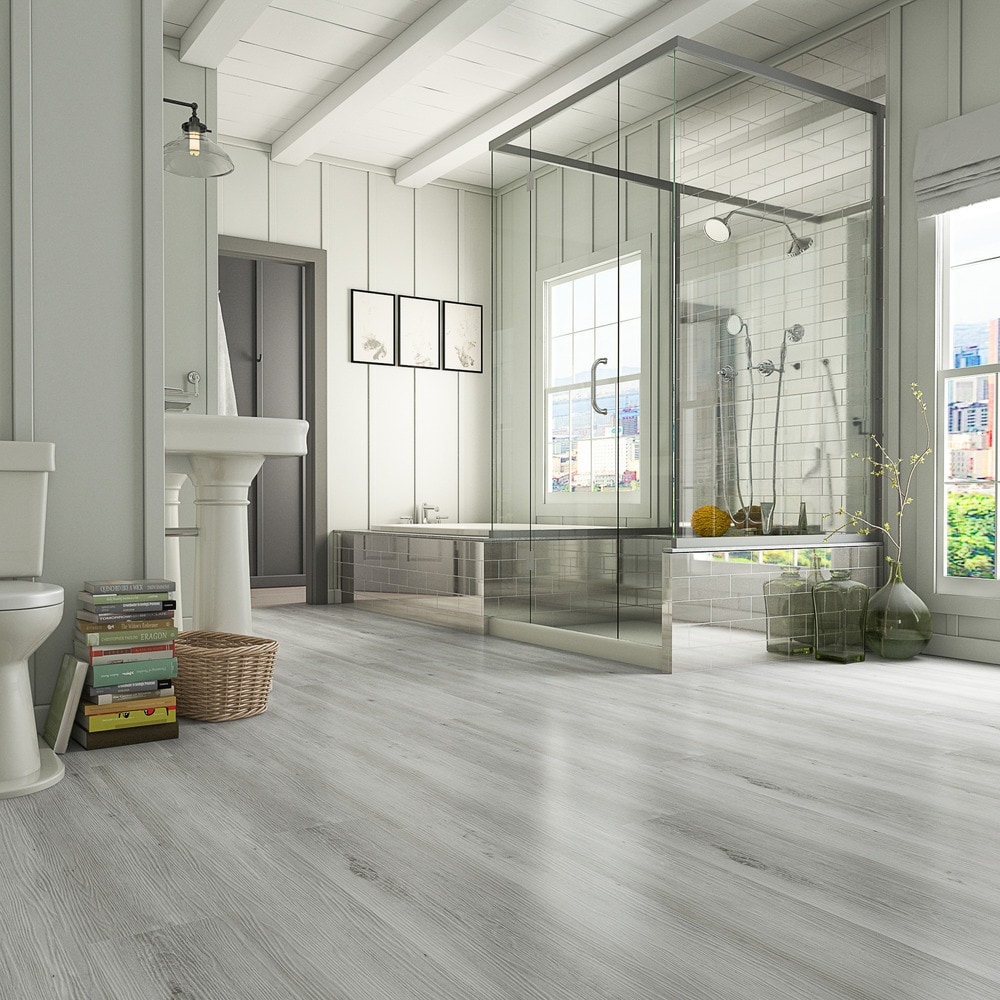
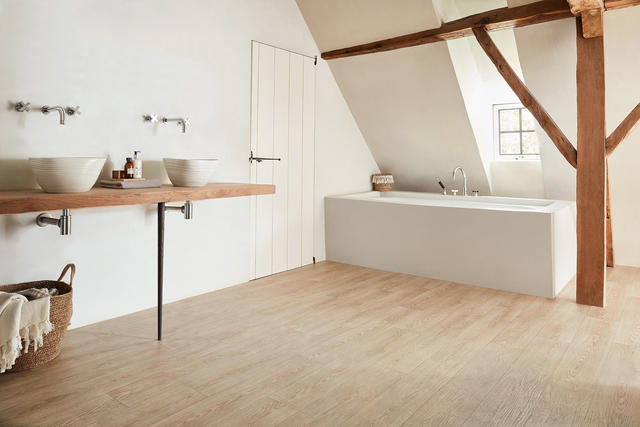
I spent weeks browsing style options and quickly realized that modern vinyl can mimic almost any natural material convincingly. For my main bathroom, I chose planks that look like weathered oak with subtle grain patterns and color variations. The texture is so realistic that guests consistently ask if it’s real hardwood, even when they’re standing barefoot on it after a shower.
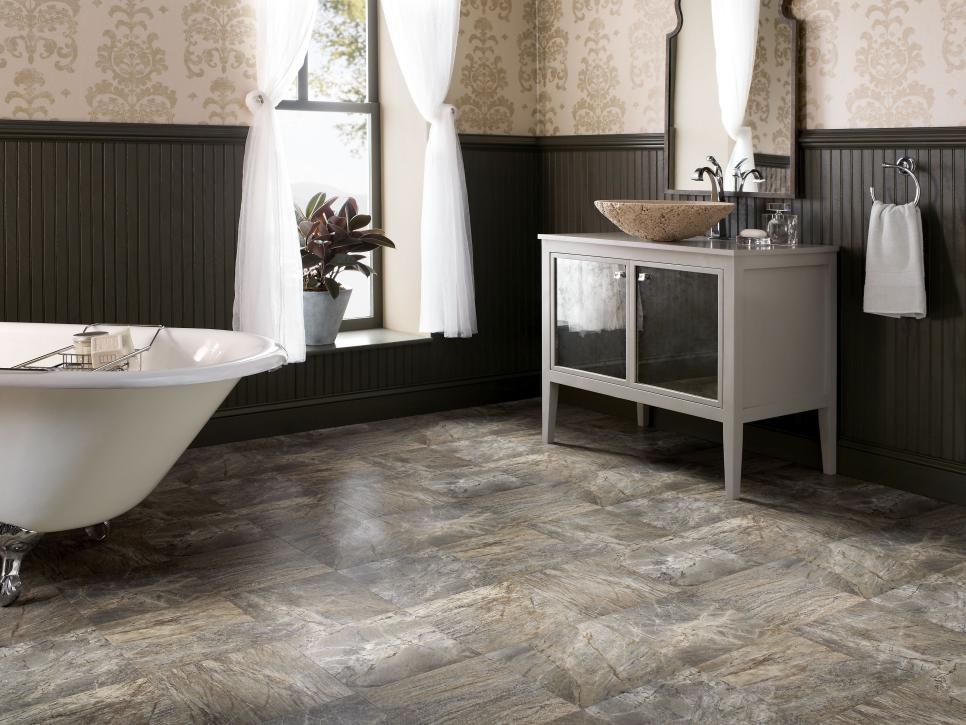
In my powder room, I went bold with vinyl tiles that perfectly replicate Carrara marble. The veining looks authentic, and the cool-to-the-touch surface feels luxurious underfoot. What I love most is that I get the elegant marble look without worrying about etching from acidic cleaners or staining from makeup spills. The maintenance is practically nonexistent compared to real stone.
For my kids’ bathroom, I selected a fun geometric pattern in neutral grays and whites. The vinyl tiles allowed me to create an intricate layout that would have been prohibitively expensive with ceramic. I mixed different sizes and arranged them in a herringbone pattern that adds visual interest without overwhelming the small space. The kids love the slightly cushioned feel when they’re sitting on the floor during bath time.
My DIY Installation Experience
Installing vinyl flooring turned out to be much easier than I anticipated, though preparation was key to success. I started by ensuring my subfloor was completely level and smooth. Any imperfections would telegraph through the vinyl, so I spent extra time filling low spots and sanding down high areas. A perfectly flat surface is absolutely critical for professional-looking results and long-term performance.
The actual installation process was surprisingly straightforward with click-lock planks. I started in the far corner and worked my way toward the door, maintaining straight rows with a chalk line. The planks cut easily with a utility knife, and the locking system held everything securely in place. I completed my 50-square-foot bathroom in one weekend, working at a relaxed pace with frequent breaks.
The trickiest part was cutting around the toilet and vanity. I made paper templates first, then transferred the patterns to the vinyl planks. A jigsaw with a fine-tooth blade made clean cuts around curves and tight spaces. I left small expansion gaps around the perimeter, which the baseboards and quarter-round molding hide completely. The finished result looks professionally installed, and I saved thousands on labor costs.

Dealing with Moisture and Humidity
Living in a humid climate, I was particularly concerned about how vinyl would handle constant moisture exposure. After three years, I can confidently say that quality waterproof vinyl performs beautifully in high-humidity environments. Unlike laminate flooring, which can swell and buckle, my vinyl planks remain completely stable regardless of steam levels or accidental flooding incidents.
I made sure to install proper ventilation in both bathrooms, which helps with overall moisture control. However, even when the exhaust fan isn’t running, water beads up on the vinyl surface and wipes away easily. I’ve tested this extensively during long, hot showers that fog up mirrors and windows. The flooring shows no signs of moisture penetration or warping around the edges.
One unexpected benefit was how quickly the floor dries after cleaning or water spills. Unlike textured ceramic tiles that can trap moisture in grout lines, smooth vinyl surfaces shed water immediately. This quick-drying characteristic helps prevent slip hazards and reduces the likelihood of mold or mildew growth. My bathrooms feel cleaner and fresher than they ever did with the old tile floors.
Cost Comparison and Budget Planning
When I calculated the total project costs, vinyl flooring offered exceptional value compared to other bathroom flooring options. High-quality luxury vinyl planks cost me about $4 per square foot, while similar-looking ceramic tiles would have been $8-12 per square foot. Including installation tools and underlayment, my material costs were roughly half of what ceramic would have required.
The installation savings were even more significant since I handled the project myself. Professional tile installation in my area runs $8-15 per square foot, depending on the complexity of the layout. With vinyl’s click-lock system, I avoided the need for specialized tools, adhesives, or grout. The entire project took one weekend instead of the week-long disruption that tile installation would have caused.
Long-term maintenance costs also favor vinyl flooring substantially. I don’t need to reseal grout lines annually or replace cracked tiles. Simple mopping with standard cleaners keeps the floors looking new, and I haven’t needed any repairs or touch-ups in three years. When I factor in the time savings for cleaning and maintenance, vinyl continues to provide excellent value year after year.

Maintenance and Longevity Tips
Daily maintenance of my vinyl bathroom floors couldn’t be simpler, which was a major selling point for my busy household. I sweep or vacuum regularly to remove hair and debris, then mop with a mild cleaner as needed. Unlike ceramic tile, there are no grout lines to scrub or special sealers to apply. The smooth surface makes cleaning fast and thorough every time.
For deeper cleaning, I use a mixture of warm water and a pH-neutral cleaner specifically designed for luxury vinyl. Harsh chemicals like bleach or ammonia can dull the finish over time, so I stick to gentle products. Steam mops work wonderfully on vinyl and provide sanitizing benefits without chemicals. The heat and moisture don’t damage the flooring like they might with laminate or hardwood options.
To maximize longevity, I use bath mats near the shower and tub to minimize water pooling, though this is more for comfort than floor protection. I also trim my pets’ nails regularly to prevent scratching, and I use furniture pads under anything with metal legs. With these simple precautions, the manufacturer warrants my flooring for 25 years, and I expect it to look great for decades to come.

Is vinyl flooring really 100% waterproof for bathrooms?
Yes, quality luxury vinyl with a rigid core is completely waterproof, unlike laminate or engineered wood. I’ve tested mine extensively with standing water, and it shows no damage after three years. However, make sure you choose true waterproof vinyl, not water-resistant options that can still be damaged by prolonged moisture exposure.
How does vinyl compare to ceramic tile for bathroom durability?
In my experience, vinyl is actually more durable for daily use. It doesn’t crack like ceramic, won’t chip if you drop something heavy, and the surface stays warmer and more comfortable underfoot. The only advantage ceramic has is heat resistance, but that’s rarely an issue in bathroom applications.

Can I install vinyl flooring over existing bathroom tile?
I installed mine directly over old vinyl, but tile requires more preparation. You’d need to ensure the surface is completely level and remove any loose tiles. Most experts recommend removing old tile for the best results, which is what I’d do if starting over. Proper subfloor preparation is crucial for long-term success.
How long does vinyl bathroom flooring typically last?
Quality luxury vinyl should last 15-25 years in a bathroom with proper installation and care. Mine looks as good as new after three years of heavy use by a family of four. The key factors are choosing a thick wear layer and following proper maintenance routines with appropriate cleaning products.

Does vinyl flooring get slippery when wet in bathrooms?
Modern textured vinyl provides good traction even when wet, much better than polished ceramic tiles. I chose planks with a subtle wood grain texture that offers grip without being rough on bare feet. I still use bath mats for extra safety, but slipping has never been an issue with my vinyl floors.
What’s the biggest mistake people make with vinyl bathroom flooring?
The most common error I see is choosing cheaper, non-waterproof vinyl or skipping proper subfloor preparation. Many people also don’t leave adequate expansion gaps around the perimeter, which can cause buckling later. Taking time to do the prep work correctly and buying quality materials prevents most problems down the road.

What is the best flooring for bathrooms?
Vinyl Bathroom Floors
Related Posts: