When I bought my 1935 Tudor home five years ago, I knew I was getting something special, but I had no idea how much the original bathroom floor tiles would captivate me. Those tiny hexagonal beauties, though worn and stained, held stories of nearly a century of family life. What started as a simple bathroom refresh turned into a passionate quest to understand, restore, and celebrate authentic 1930s tile design. Through countless hours of research, trial and error, and working with period-appropriate materials, I’ve learned that these vintage tiles aren’t just flooring; they’re pieces of history that deserve respect and proper care.
Classic Hexagonal Patterns: The Heart of 1930s Design
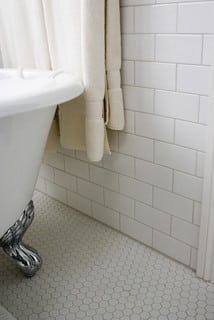
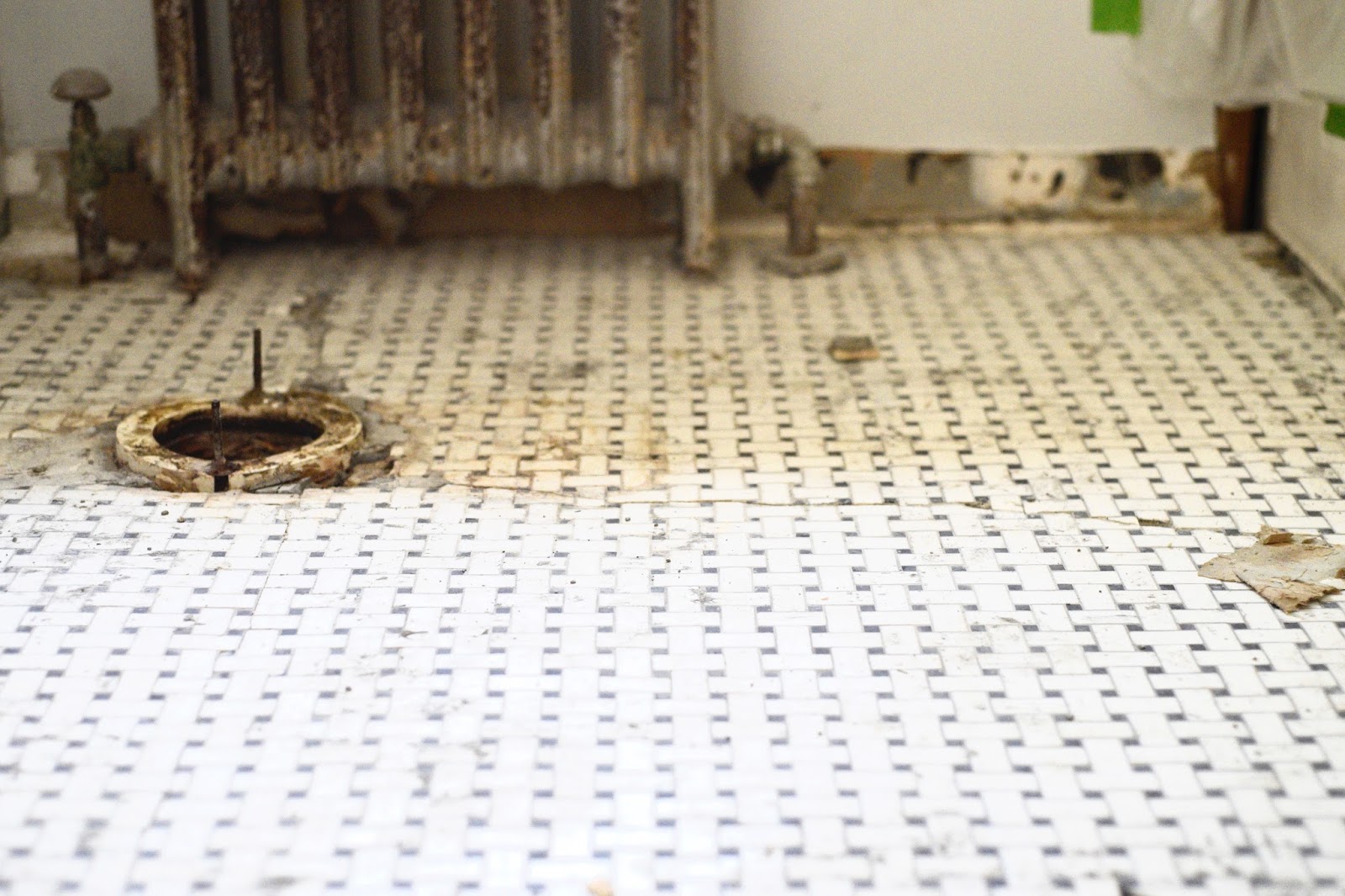
When I first lifted the ratty bathroom rug in my new home, I gasped at the sight underneath. Thousands of tiny white hexagonal tiles, each no bigger than a quarter, stretched across the floor in perfect geometric harmony. This was the quintessential 1930s bathroom floor, and despite decades of wear, the pattern still commanded attention. The hexagons were occasionally punctuated with black accent tiles that created subtle borders and added visual interest.
I quickly learned that these hex tiles weren’t just decorative choices; they were practical solutions for the era. The small size meant better traction on wet surfaces, crucial in an age when bathroom safety was becoming a priority. The grout lines, though numerous, actually helped with slip resistance. My research revealed that most 1930s bathrooms used unglazed ceramic tiles that were naturally slip-resistant, unlike the glossy tiles that became popular later.
Restoring the pattern required detective work. Several tiles had been replaced over the decades with mismatched substitutes, disrupting the original design. I spent weeks tracking down reproduction tiles that matched the original size, thickness, and subtle color variations. The satisfaction of seeing that perfect hexagonal pattern emerge again was indescribable. Each tile placement felt like solving a historical puzzle.
Art Deco Influences and Border Details
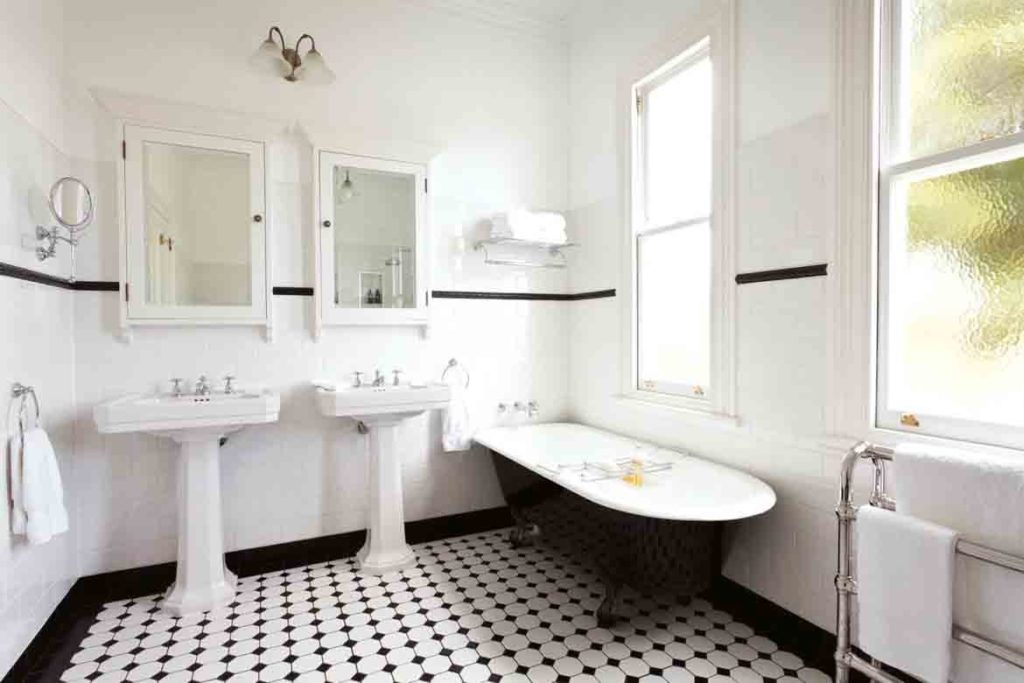
The more I studied my bathroom floor, the more I appreciated the subtle Art Deco influences that defined 1930s tile design. The geometric precision wasn’t accidental; it reflected the era’s fascination with machine-age aesthetics and streamlined design. My floor featured a classic border pattern using contrasting black tiles that created clean lines and defined the space beautifully.
What fascinated me most were the corner details and threshold treatments. The original installers had created elegant transitions where the hexagonal field met the baseboard trim. They used specially cut triangular pieces and border strips that showed incredible craftsmanship. These weren’t mass-produced installations; they were custom layouts that required skill and artistic vision to execute properly.
I discovered that many 1930s bathrooms incorporated decorative motifs within the tile pattern itself. While my floor was relatively simple, I found examples in period magazines of elaborate designs featuring flowers, geometric stars, and even monograms created with colored tiles. The restraint shown in my bathroom’s design reflected good taste for the period, when “less is more” was becoming a modernist principle.

Color Palettes and Material Choices of the Era
The color story of 1930s bathroom tiles tells us so much about the period’s aesthetic preferences and available technology. My predominantly white hexagonal floor was typical of the era’s clean, sanitary aesthetic that emerged after the 1918 flu pandemic. White represented cleanliness and modernity, while the black accent tiles provided necessary contrast without being overwhelming or too bold for conservative tastes.
I learned that the ceramic tiles of the 1930s were quite different from modern versions. The clay bodies were denser and less porous, making them incredibly durable but also more prone to chipping if subjected to impact. The glazes, when present, were thinner and more subtle than contemporary tiles. Many floors, like mine, used unglazed tiles that developed a beautiful patina over time, adding character and depth to the surface.
During my restoration research, I discovered that colored tiles were available but used sparingly in most homes. Popular accent colors included sage green, dusty rose, and pale yellow, always in muted tones that complemented rather than competed with the white field tiles. The restraint in color choices reflected both the economic realities of the Depression era and the period’s preference for understated elegance over flashy displays.
Restoration Challenges and Authentic Solutions
Restoring 1930s floor tiles presented unique challenges I hadn’t anticipated. The biggest hurdle was finding replacement tiles that matched the original specifications exactly. Modern hex tiles are often slightly different in size or thickness, creating uneven surfaces and disrupting the original pattern. I eventually found a specialty manufacturer who could produce custom tiles using period-appropriate clay bodies and firing techniques.
The grout presented another major challenge. Original 1930s grout was made with different formulations than modern products, resulting in different colors and textures as it aged. Simply regrouting with contemporary materials would have looked jarring against the vintage tiles. I worked with a restoration specialist to develop a custom grout mixture that matched the original’s appearance and aging characteristics.
Cleaning decades of accumulated dirt and stains without damaging the delicate tile surfaces required patience and experimentation. Modern harsh cleaners could etch or discolor the vintage ceramics. I developed a gentle restoration process using period-appropriate cleaning methods, including mild acids and natural abrasives. The transformation was remarkable, revealing colors and details that had been hidden for decades under layers of grime.
Modern Interpretations and Reproduction Options
While I was committed to preserving my original tiles, I understand that not everyone has salvageable vintage floors. The good news is that several manufacturers now produce high-quality reproductions of 1930s tile patterns. During my research, I evaluated numerous options and found that the best reproductions capture both the visual appeal and the subtle imperfections that give vintage tiles their character.
Modern reproduction tiles offer some practical advantages over originals. They’re often more uniformly sized, making installation easier and more predictable. The glazes are more durable and stain-resistant, which is important in busy family bathrooms. Some manufacturers even create tiles with intentional variations in shade and texture to mimic the natural aging process of vintage ceramics.
I’ve helped several friends choose reproduction 1930s tiles for their bathroom renovations, and the results have been stunning. The key is paying attention to details like tile thickness, edge profiles, and authentic color palettes. Modern interpretations work best when installed with period-appropriate layout patterns and border treatments. The goal isn’t perfect replication but rather capturing the spirit and charm of the original 1930s aesthetic.

Maintenance and Long-Term Care Strategies
Living with 1930s bathroom floor tiles requires a different approach to maintenance than modern surfaces. The numerous grout lines and slightly irregular surfaces mean that dirt and soap scum can accumulate more easily. I’ve developed a weekly cleaning routine that keeps my floors looking beautiful without using harsh chemicals that could damage the vintage materials.
The key to long-term preservation is preventing problems rather than fixing them. I use bath mats strategically to protect high-traffic areas while still showcasing the tile pattern. Regular sealing of the grout lines prevents moisture penetration and staining. I’ve learned to address small chips or cracks immediately before they become larger problems that require tile replacement.
One of the most rewarding aspects of caring for these vintage tiles is watching them develop character over time. Unlike modern surfaces that show wear as damage, well-maintained 1930s tiles develop a beautiful patina that enhances their historic charm. The slight variations in color and texture that develop naturally add to their authenticity and visual appeal. Proper care ensures these floors will continue telling their stories for generations to come.
Are original 1930s bathroom tiles worth restoring or should I replace them?
If they’re in decent condition, absolutely restore them! I spent about $1,200 restoring my original tiles versus $3,000+ for quality reproductions. Original tiles have character and history that can’t be replicated. However, if more than 20% need replacement, reproductions might be more practical.
How do I find replacement tiles that match my 1930s originals?
Start with specialty tile suppliers who focus on period reproductions. I found success with companies like Pratt & Larson and Historic Decorative Materials. Bring samples when shopping, as color and size variations can be subtle but important. Some salvage companies also carry original tiles from demolished buildings.
What’s the best way to clean vintage bathroom tiles without damaging them?
I use a pH-neutral stone cleaner weekly and avoid acidic products that can etch the surface. For deep cleaning, I make a paste with baking soda and water. Never use bleach on colored tiles, and test any cleaner in an inconspicuous area first. A soft brush helps clean grout lines gently.
Are 1930s tiles safe and hygienic by today’s standards?
Absolutely! The dense ceramic bodies and proper grout sealing make them very hygienic. I have mine professionally resealed every two years. The numerous grout lines provide better traction than large modern tiles. Just maintain them properly, and they’re perfectly safe for family use.

How much should I expect to spend on a 1930s-style bathroom floor renovation?
Costs vary widely based on condition and size. My 40-square-foot restoration cost $1,200 in materials and professional services. A complete reproduction installation runs $15-25 per square foot installed. Factor in potential plumbing updates and subfloor repairs when budgeting for vintage bathroom projects.
Can I install 1930s-style tiles in a modern bathroom design?
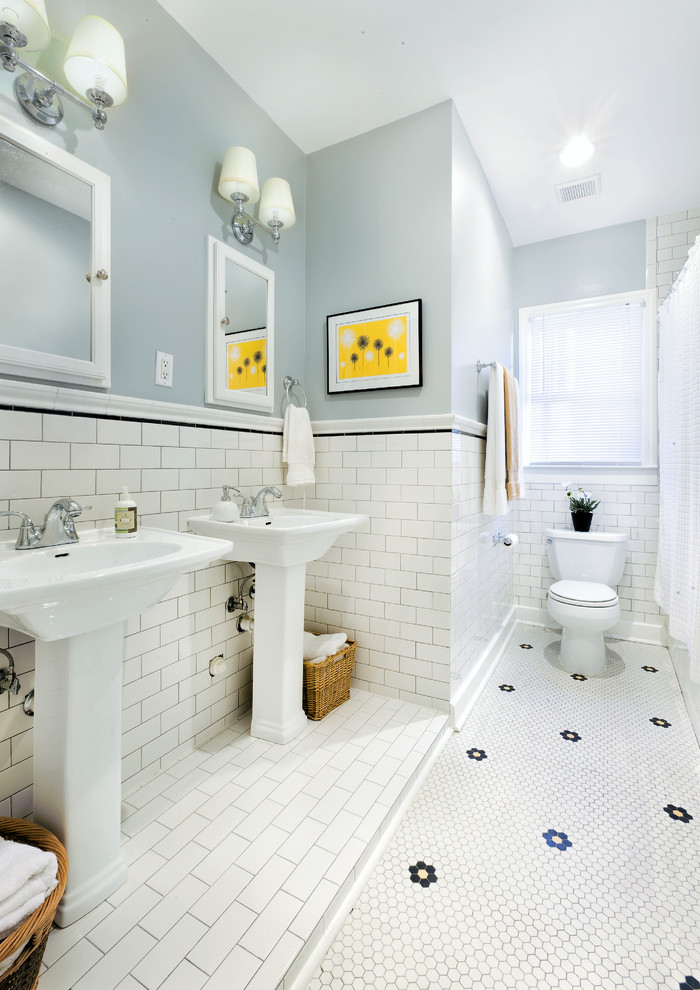
Yes! I’ve seen beautiful modern bathrooms that incorporate vintage-style hex tiles as accent floors or shower areas. The key is balancing the period elements with contemporary fixtures and finishes. Use authentic patterns and colors, but don’t feel bound to recreate an entire 1930s aesthetic if it doesn’t suit your style.

Depression Era Bathroom Tiles
Bathroom Tile – Cairns Architecture

1930s bathroom updated for 21st century – Traditional – Bathroom
Choosing Bathroom Tile Concept II Tile Store

Finally, a Vintage-Looking 1930u0027s Bathroom! – Under a Red Roof

Related Posts: