When I first considered concrete floor tiles for my home renovation, I’ll admit I was skeptical. The idea of concrete indoors felt cold and industrial to me. But after living with these tiles for over two years now, I can honestly say they’ve completely changed how I think about flooring. From my kitchen to my living room, these tiles have brought a modern, sophisticated look that’s both practical and surprisingly warm. Let me share what I’ve learned through my own experience with concrete floor tiles and why they might be the perfect choice for your next interior project.
Discovering the Versatility of Modern Concrete Tiles
My first encounter with concrete tiles was at a friend’s loft apartment. I expected the typical gray, boring surface I associated with garage floors. Instead, I found myself walking on beautifully textured tiles that looked almost like natural stone. The variety available today is remarkable, from smooth polished finishes to tiles with subtle grain patterns that mimic wood or marble.
What struck me most was how these tiles worked in different rooms. In the kitchen, they provided a sleek backdrop that made the space feel larger and more open. The bathroom installation showed me how concrete tiles could create a spa-like atmosphere when paired with the right lighting and fixtures. Even in the living areas, they offered a contemporary foundation that let furniture and artwork really shine.
I learned that concrete tiles aren’t just about aesthetics. They’re incredibly durable and can handle heavy foot traffic without showing wear. This practical aspect became especially important to me as someone who loves hosting dinner parties and has two energetic dogs running around the house.
Installation Insights: What I Wish I’d Known Before Starting
Installing concrete floor tiles taught me several valuable lessons. My biggest mistake was underestimating the importance of proper subfloor preparation. I initially tried to cut corners here, thinking the tiles would hide minor imperfections. Wrong! Any unevenness in the subfloor telegraphed right through, creating an uneven surface that looked unprofessional.
I discovered that working with a professional installer was worth every penny, especially for larger areas. These tiles are heavier than ceramic options, requiring specific techniques and tools. The installer showed me how proper spacing and leveling make all the difference in achieving that seamless, high-end look I wanted.
The timeline surprised me too. What I thought would be a quick weekend project turned into a week-long process when done properly. Between subfloor prep, adhesive curing time, and grouting, patience became essential. But seeing the finished result made every extra day worthwhile.
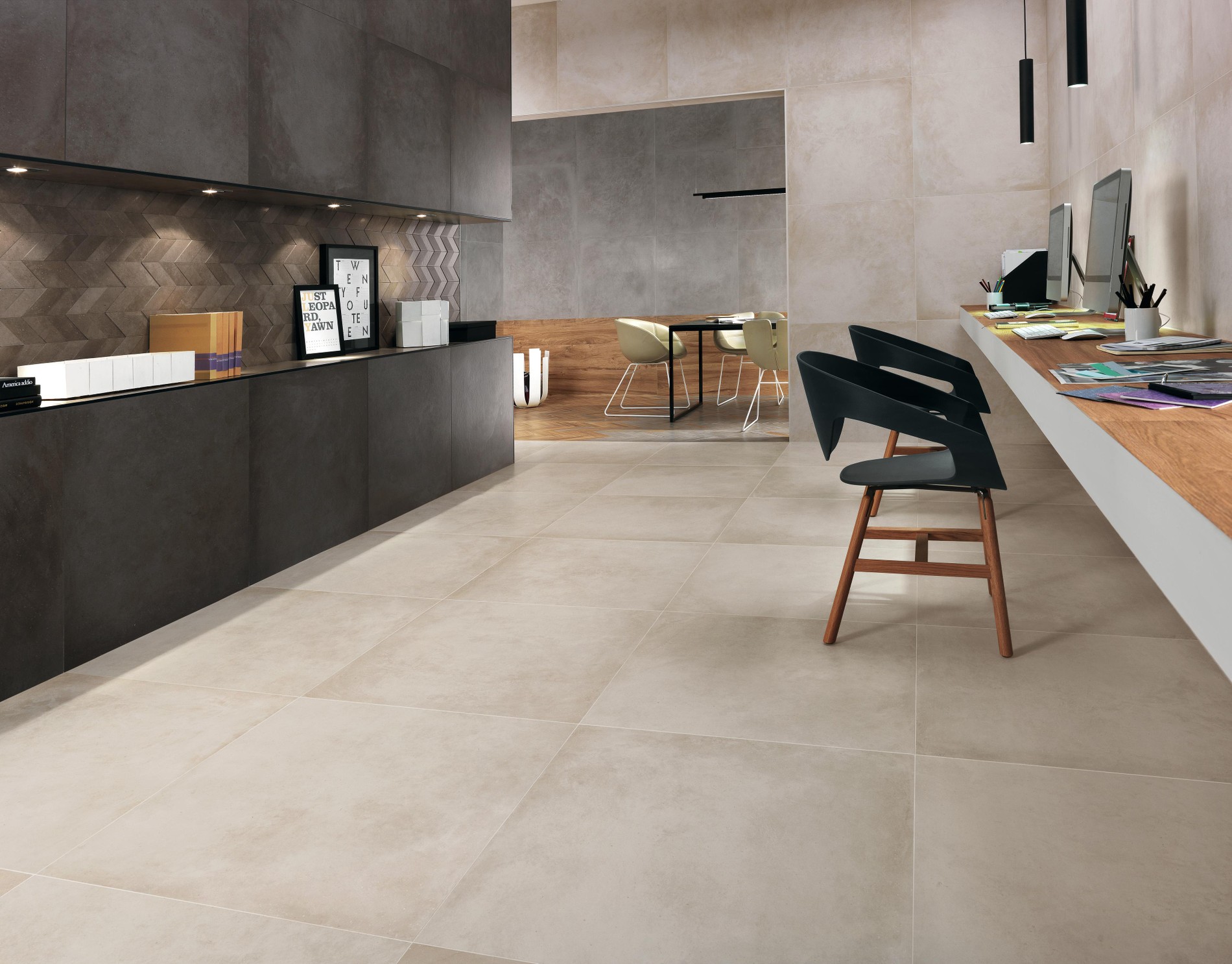
Maintenance Reality: Living with Concrete Tiles Daily
One of my biggest concerns before installation was maintenance. I worried these tiles would be high-maintenance or prone to staining. After two years of daily use, I can share the real truth about caring for concrete floor tiles. They’re much easier to maintain than I expected, but there are some specific considerations.
Daily cleaning is straightforward. I use a microfiber mop with warm water and a pH-neutral cleaner. The key is avoiding acidic cleaners that can damage the surface over time. I learned this lesson when I accidentally used a vinegar-based cleaner and noticed some dulling in the finish. Switching to proper concrete-safe products restored the original luster.
Sealing is crucial, and I reseal my tiles every 18 months. This protective barrier prevents stains and makes cleaning easier. I initially tried to skip this step, thinking it was unnecessary maintenance. After a red wine spill that left a permanent mark on an unsealed area, I became religious about keeping up with the sealing schedule.
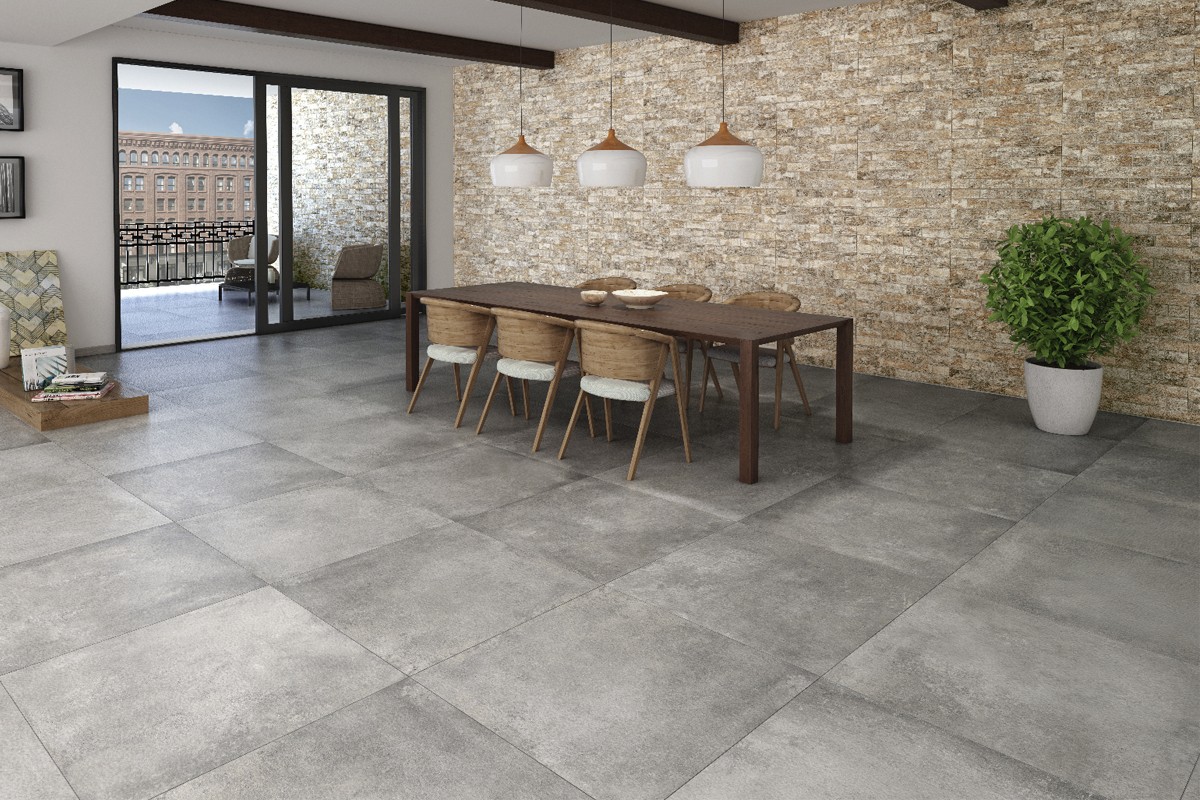
Design Integration: Making Concrete Work with Your Style
Integrating concrete tiles into my existing decor required some thoughtful planning. I initially worried they would clash with my warm, cozy aesthetic. The trick I discovered was using them as a neutral foundation rather than trying to make them the star of the show. They complement both modern and traditional furnishings beautifully.
Color selection made a huge difference in how the tiles felt in each space. I chose warmer gray tones with subtle brown undertones rather than cool, stark grays. This choice helped the tiles feel more welcoming and less industrial. In the kitchen, I paired them with warm wood cabinets and brass fixtures, creating a perfect balance of modern and classic elements.
Texture also played a key role in the final look. I opted for a subtle brushed finish that adds visual interest without being too busy. This texture helps hide minor scratches and provides better slip resistance in areas prone to moisture. The interplay between light and the textured surface creates beautiful shadows throughout the day.

Cost Considerations: Budgeting for Quality and Longevity
The upfront cost of concrete floor tiles initially gave me sticker shock. Quality tiles range from moderate to expensive, depending on finish and brand. However, I’ve learned to view this as an investment rather than just an expense. The durability and timeless appeal mean I won’t need to replace these floors for decades.
Installation costs vary significantly based on your location and the complexity of the job. I got quotes ranging from reasonable to eye-watering, depending on whether contractors specialized in concrete tile installation. Choosing an experienced installer costs more initially but saves money in the long run by avoiding costly mistakes and ensuring proper installation.
When calculating total costs, I included ongoing maintenance expenses like sealers and specialized cleaning products. These add up over time, but are still much less than replacing cheaper flooring every few years. The long-term value proposition becomes clear when you consider the decades of beautiful, durable flooring these tiles provide.

Practical Performance: How They Handle Real Life
Living with concrete floor tiles day-to-day has taught me about their practical performance. They handle temperature changes well, staying comfortable underfoot in both summer and winter. I installed radiant heating beneath the tiles in my bathroom, and they conduct heat beautifully, creating a luxurious, warm surface on cold mornings.Moisture resistance has been excellent in my experience. Unlike hardwood or carpet, spills don’t cause panic. I can clean up accidents quickly without worrying about water damage or permanent stains. This peace of mind is invaluable, especially in high-traffic areas like the kitchen and entryway.
The sound characteristics surprised me. While concrete tiles don’t absorb sound like carpet, they don’t create the hollow, echoing effect I expected. The solid installation and proper underlayment help minimize footstep noise. In my open-plan living space, conversations remain comfortable without excessive sound reflection.
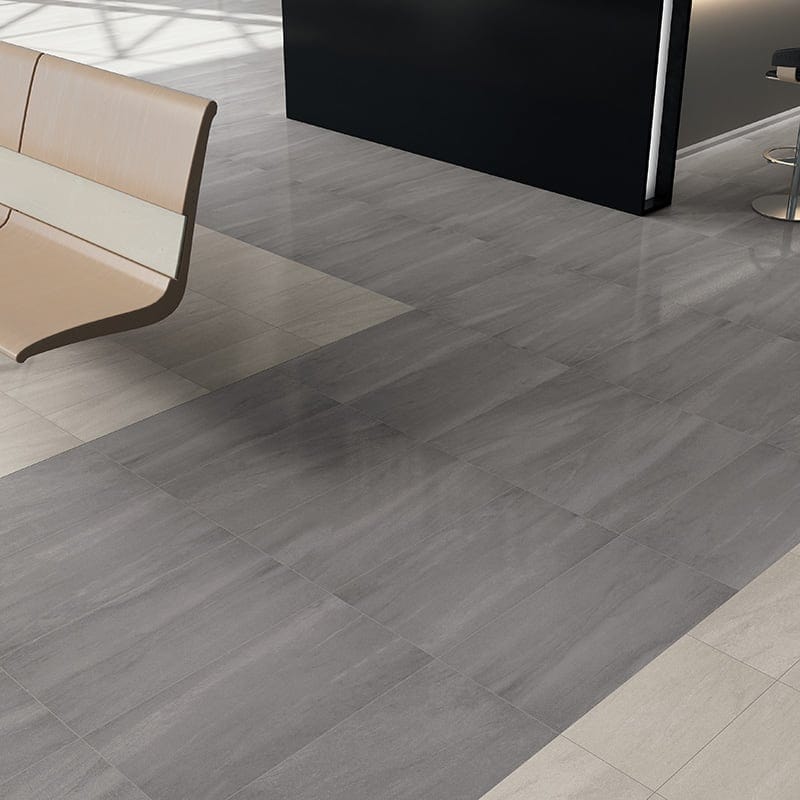
How do concrete floor tiles feel underfoot compared to other flooring options?
In my experience, concrete tiles feel firm and stable, similar to natural stone. They’re cooler than hardwood but warmer than ceramic tiles. With radiant heating underneath, they become wonderfully comfortable. The solid feel gives a sense of quality that I really appreciate, especially compared to hollow-feeling laminate or vinyl.
Are concrete floor tiles suitable for homes with pets and children?
Absolutely! My two dogs and frequent young visitors have put these tiles to the test. They’re scratch-resistant, easy to clean, and don’t trap odors like carpet. Spills wipe up easily, and the textured surface I chose provides good slip resistance. They’re more kid and pet-friendly than I initially expected.

How long do concrete floor tiles typically last with regular use?
From what I’ve observed and researched, quality concrete tiles can last 20-30 years or more with proper care. Mine still look fantastic after two years of heavy use. The key is regular sealing and avoiding harsh cleaners. The initial investment pays off when you consider this longevity compared to replacing other flooring types every 5-10 years.
Can concrete tiles crack, and what happens if they do?
Individual tiles can crack under extreme stress, but it’s uncommon with proper installation. I haven’t experienced any cracks in my installation. If a tile does crack, individual tiles can be replaced without redoing the entire floor. This repairability is an advantage over poured concrete floors, which require more extensive repairs.
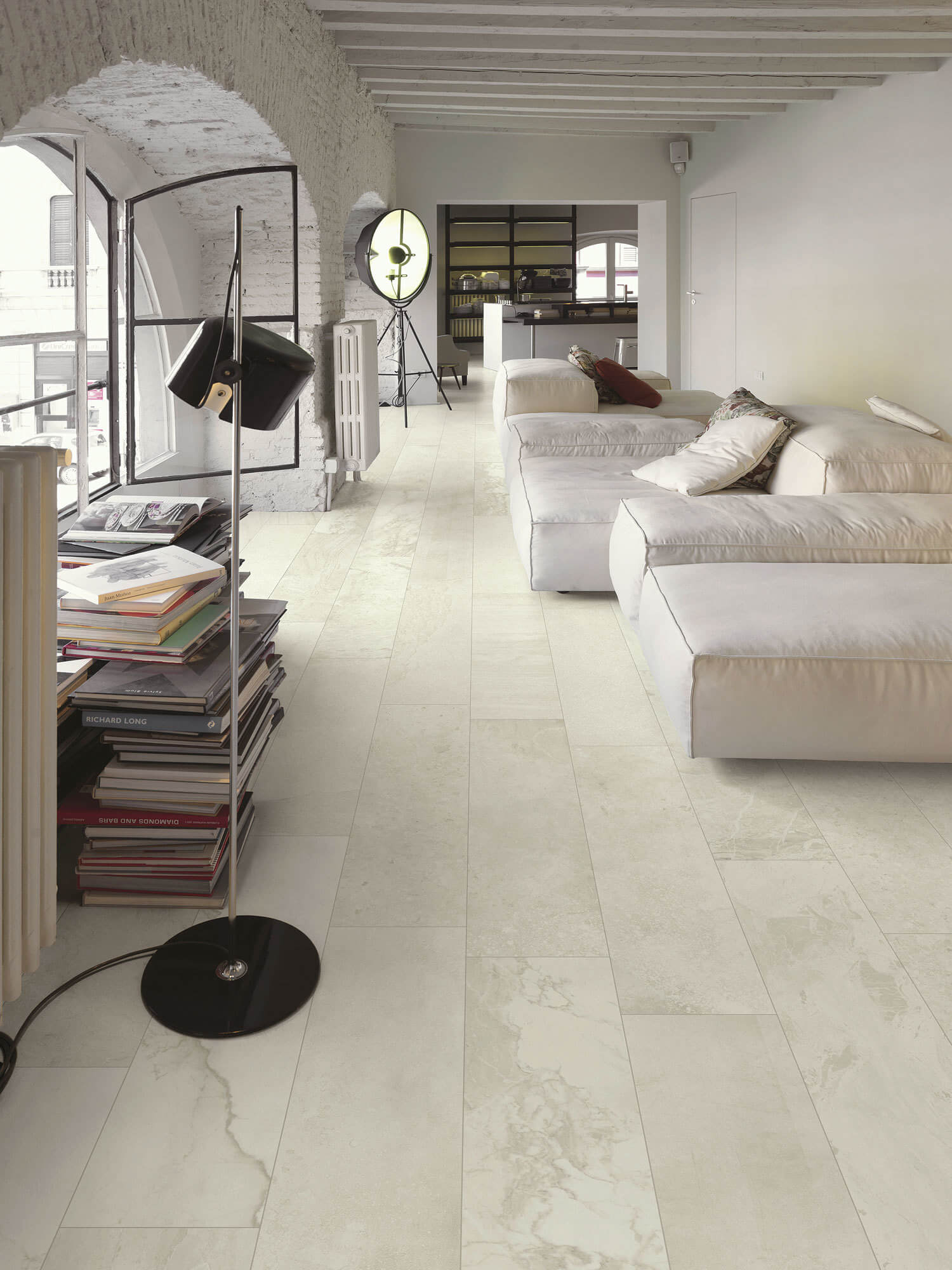
What’s the biggest maintenance challenge with concrete floor tiles?
The biggest challenge I’ve found is staying consistent with sealing. It’s easy to forget until you notice the surface becoming more porous. I now mark my calendar every 18 months as a reminder. Beyond that, avoiding acidic cleaners is important, but once you establish the right cleaning routine, maintenance becomes second nature.
Do concrete floor tiles work with underfloor heating systems?
Yes, they work excellently with radiant heating! I installed electric radiant heating in my bathroom, and the concrete tiles conduct heat beautifully. They heat up relatively quickly and retain warmth well. The thermal mass helps create more even, consistent heating than some other flooring options I’ve tried in the past.

Best Concrete Floor Ideas – Smooth Flooring Interior Designs
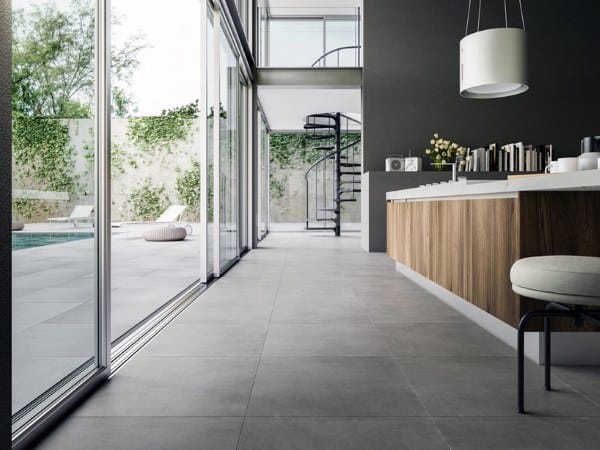
Porcelain Floor Tiles with Concrete Effect
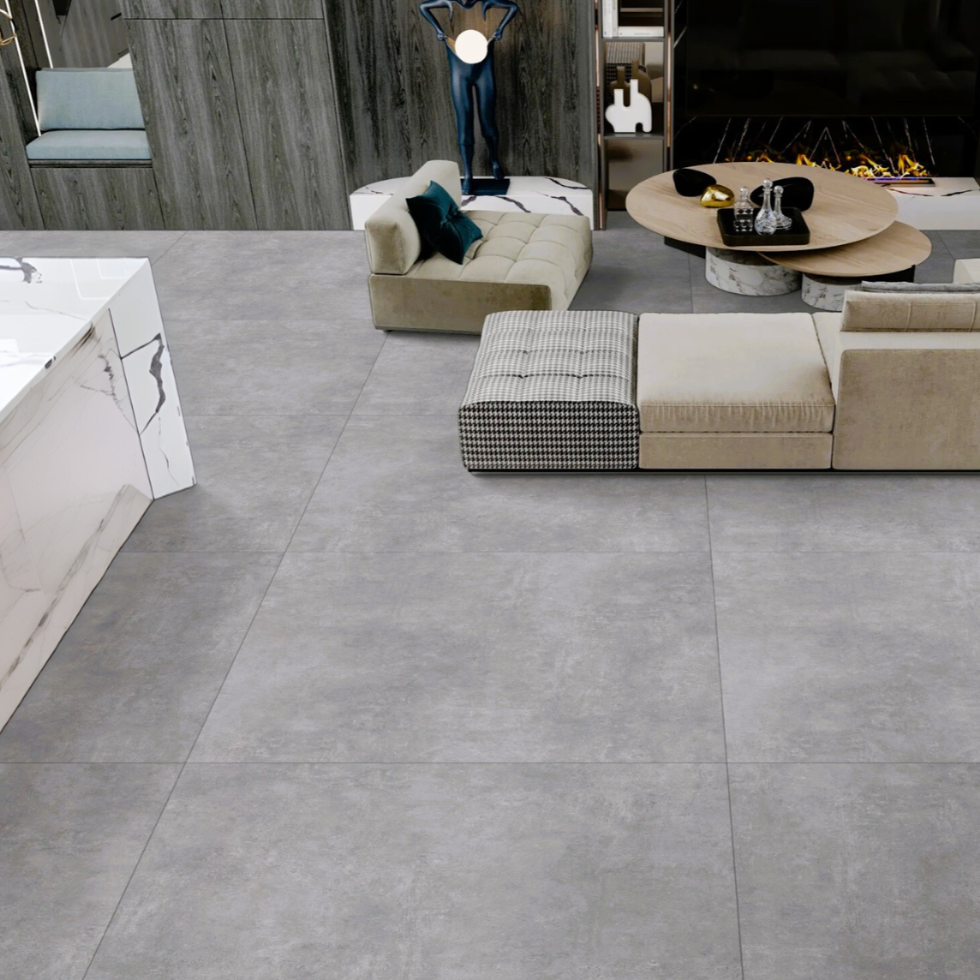
Best Concrete Floor Ideas – Smooth Flooring Interior Designs
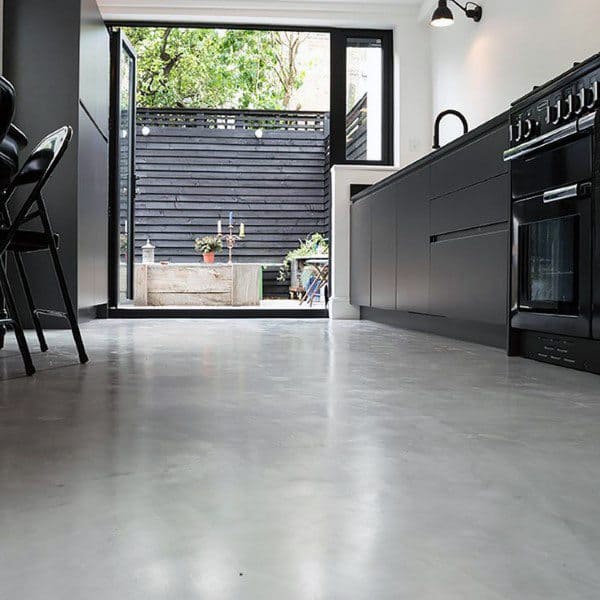
White concrete floor tiles – Full body porcelain stoneware – matt
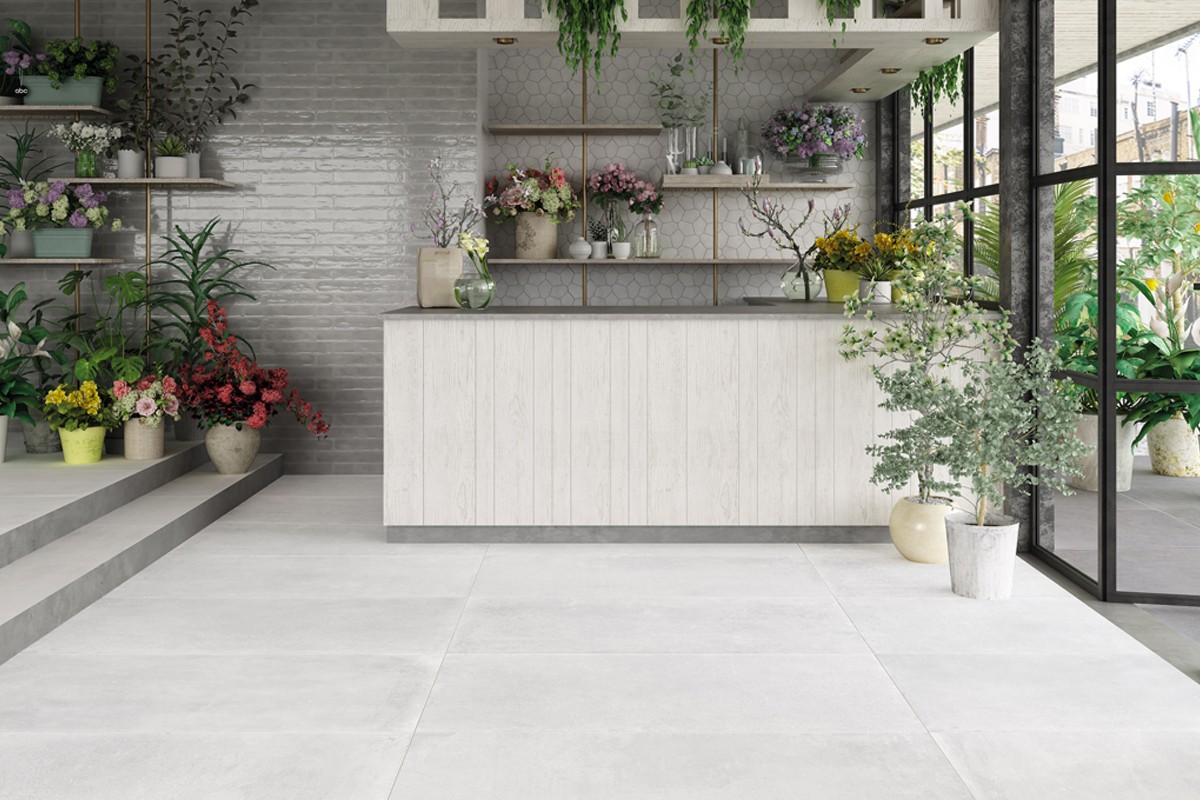
Concrete floors ideas concrete floors, house design, concrete
 Related Posts: