When I first decided to finish my basement three years ago, I had visions of a cozy family room where we could relax and entertain. What I didn’t anticipate was the nightmare of choosing flooring that could handle moisture, temperature changes, and the occasional small flood from our water heater. After researching extensively and making a few costly mistakes, I’ve learned what truly works in below-grade spaces. Let me share the waterproof basement flooring ideas that transformed my damp, concrete cave into a comfortable living space my family enjoys.
Luxury Vinyl Plank: My Game-Changing Discovery
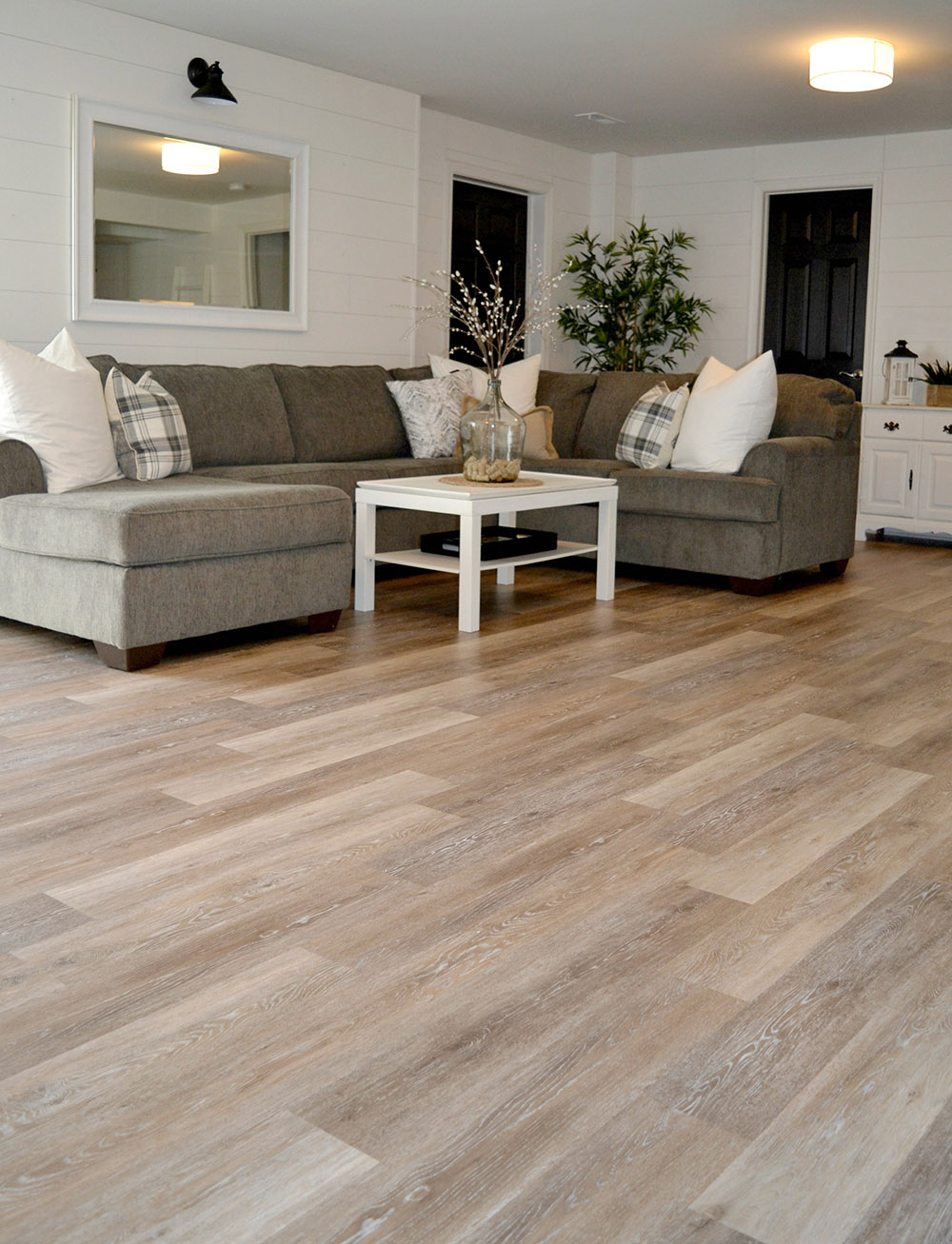
I’ll be honest, when my contractor first suggested luxury vinyl plank (LVP), I wrinkled my nose. In my mind, vinyl meant cheap and plasticky. But after seeing samples of modern LVP, I was amazed by how realistic the wood grain looked and felt. The waterproof core technology was exactly what my moisture-prone basement needed. I chose a rustic oak pattern that perfectly mimicked hardwood but could handle anything my basement threw at it.
The installation process was surprisingly straightforward. We installed it as a floating floor over our existing concrete slab, using a moisture barrier underneath for extra protection. The click-lock system meant no messy adhesives, which was perfect since we discovered a small leak during installation. I watched in amazement as water beaded up on the surface and wiped away easily, leaving no damage or warping.
Two years later, my LVP floors still look brand new despite surviving a minor basement flood when our sump pump failed during a heavy storm. The water sat for several hours before we discovered it, but the floors were completely unaffected. Friends who visit can’t believe it’s not real hardwood, and the comfort underfoot is remarkable for a basement space.
Polished Concrete: Industrial Chic That Works
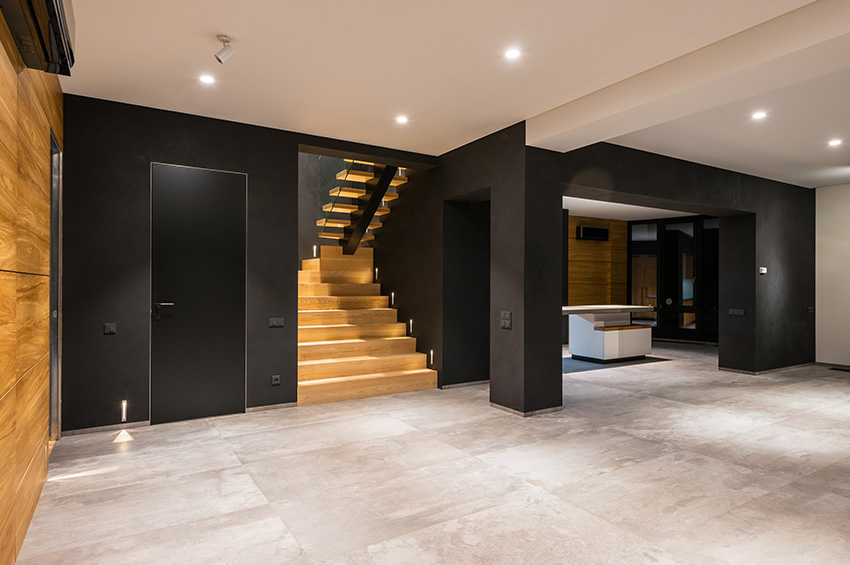
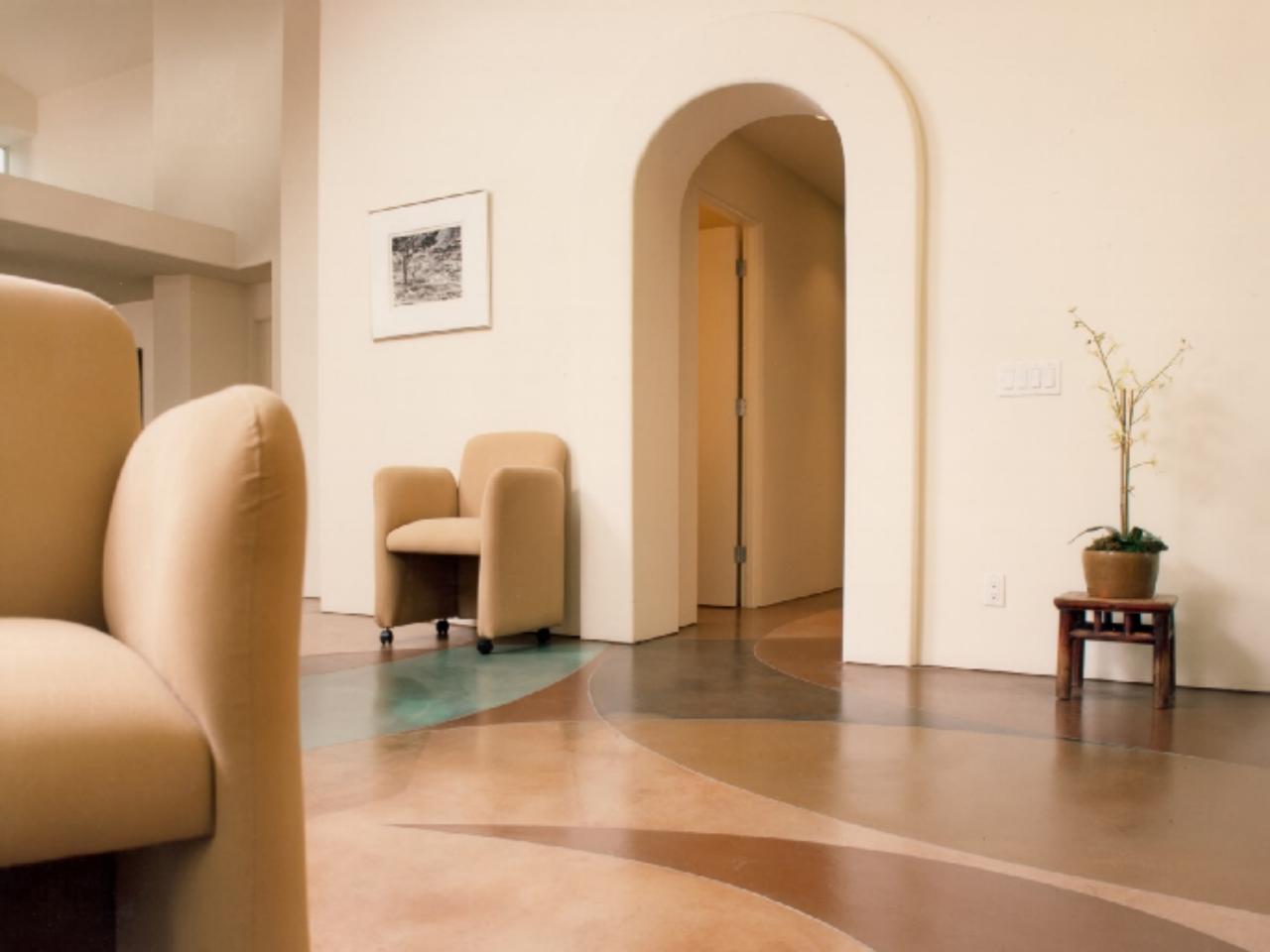
Initially, I was hesitant about leaving our concrete floor exposed, but after seeing a neighbor’s polished concrete basement, I became intrigued by the modern, industrial aesthetic. The process involved grinding down the existing concrete and applying multiple coats of sealer to create a smooth, glossy surface. What sold me was learning that properly sealed concrete is completely waterproof and incredibly durable.
The transformation was dramatic. Our dull, gray concrete became a sleek, sophisticated surface that reflects light beautifully, making the basement feel larger and brighter. I chose to add decorative scoring patterns that mimic large tiles, which broke up the expanse and added visual interest. The radiant heating system we installed underneath makes the floors surprisingly comfortable, even in winter.
Maintenance has been incredibly easy. I simply sweep and mop with a neutral cleaner, and the floors always look pristine. Spills, including a red wine incident during a party, clean up effortlessly. The only downside I’ve found is that dropped items can break more easily on the hard surface, but the benefits far outweigh this minor inconvenience.

Ceramic and Porcelain Tile: Classic Reliability with Modern Style
When I renovated my basement bathroom and kitchenette area, I knew tile was the obvious choice for ultimate water resistance. However, I quickly learned that not all tiles are created equal for basement applications. I discovered that porcelain tile with a low absorption rate (less than 0.5%) was crucial for below-grade installations. The variety of styles is available amazed me, from realistic wood-look planks to stunning stone patterns.
The installation required careful attention to moisture management. We used a waterproof membrane system under the tiles and sealed all grout lines with a high-quality sealer. I chose larger format tiles (12×24 inches) to minimize grout lines, which not only looks more modern but also reduces maintenance. The heating cables we installed underneath make walking barefoot comfortable even on the coldest days.
Living with tile in my basement has been fantastic. The surface is completely impervious to water, stains, and odors. When our teenage son spilled paint during an art project, it cleaned up completely with no lasting damage. The durability means I don’t worry about furniture legs, pet claws, or heavy foot traffic. My only regret is not extending the tile throughout the entire basement instead of just the wet areas.

Epoxy Flooring: The Garage Floor Solution That Works Everywhere
I first encountered epoxy flooring in my friend’s garage and was impressed by its seamless, glossy appearance. When I researched its applications, I discovered that high-quality epoxy systems are perfect for basements because they create a completely waterproof barrier that bonds directly to concrete. The variety of colors and finishes available meant I could create a custom look that matched my design vision.
The preparation process was intensive, requiring thorough concrete cleaning and etching to ensure proper adhesion. I hired professionals for this step because proper prep work is crucial for long-term success. The application took three days: primer, base coat, decorative flakes, and topcoat. Watching the transformation happen was fascinating as our plain concrete became a beautiful, durable surface with subtle color variation.
The performance has exceeded my expectations. The seamless surface means no grout lines to clean or gaps where moisture can penetrate. It’s incredibly easy to maintain, requiring only occasional sweeping and mopping. The slip-resistant finish provides good traction even when wet. My kids love the slight bounce it has underfoot, and I appreciate that it’s completely resistant to chemicals, stains, and moisture.

Rubber Flooring: Comfort and Safety Combined
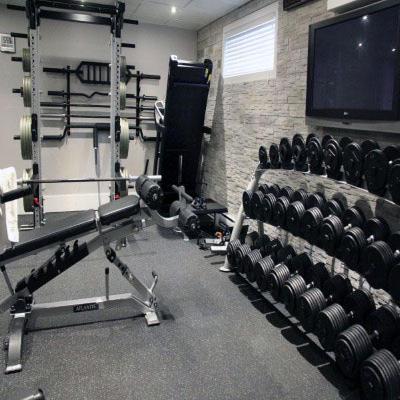
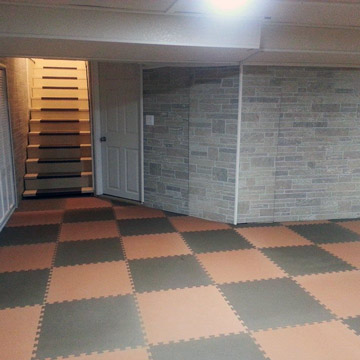
After slipping on wet concrete stairs in my previous home, safety became a major concern when designing my new basement space. I discovered rubber flooring tiles and was intrigued by their slip-resistant properties and comfort underfoot. The interlocking tiles made installation a weekend DIY project, and the cushioned surface was perfect for our exercise area and kids’ play space.
The variety of rubber flooring options surprised me. I chose textured tiles that look almost like stone but provide the safety and comfort benefits of rubber. The installation was incredibly simple; each tile just snapped together like a puzzle. No adhesives or special tools were required, which meant I could easily replace individual tiles if needed. The flexibility also meant the flooring could accommodate minor settling or movement in the concrete slab.
Maintenance has been minimal. The non-porous surface resists moisture, bacteria, and odors naturally. Spills wipe up easily, and the textured surface hides minor scuffs and dirt. When my son’s friend had an accident with chocolate milk, it cleaned up completely without staining. The cushioned surface has been perfect for exercise routines and provides a safe, comfortable surface for the kids to play on.
Engineered Vinyl Tile: Budget-Friendly Waterproof Luxury
When budget constraints threatened to derail my basement renovation, I discovered engineered vinyl tile (EVT) as a cost-effective alternative to natural stone or ceramic. Modern EVT products offer incredible realism in stone and ceramic patterns while providing complete waterproof protection. The self-adhesive backing made installation a manageable DIY project that saved thousands in labor costs.
I chose a travertine pattern that perfectly mimicked natural stone but cost a fraction of the price. The installation process was straightforward: clean the concrete, apply primer, and stick down the tiles. The key was taking time to ensure straight lines and tight seams. Working in small sections allowed me to maintain quality while managing the project around my work schedule.
The results have been impressive for the price point. Guests regularly compliment the “stone” floors, never guessing they’re vinyl. The surface is completely waterproof and easy to clean. While it’s not as durable as porcelain tile or LVP, it has held up well to normal basement use. For a budget-conscious homeowner, EVT provided the waterproof protection and aesthetic appeal I needed without breaking the bank.

What’s the most important factor when choosing waterproof basement flooring?
Moisture resistance is crucial, but proper installation matters more than the flooring type. I learned this the hard way when my first attempt failed due to poor moisture barriers. Ensure your concrete is properly sealed, use appropriate underlayments, and address any existing moisture issues before installing any flooring.
Can I install waterproof flooring directly over concrete?
It depends on the flooring type and concrete condition. I installed LVP directly over sealed concrete with great results, but tile required additional moisture barriers. Always test for moisture levels first. I use a simple plastic sheet test, taping it to the concrete for 24 hours to check for condensation underneath.
How do I handle basement flooding with waterproof flooring?
True waterproof flooring makes cleanup much easier. During my basement flood, I simply squeegeed water toward the drain and mopped up residual moisture. The floors were unaffected. However, floating floors like LVP might need removal if water gets underneath, so proper perimeter sealing is essential.
What’s the most comfortable waterproof flooring for bare feet?
Rubber flooring wins for pure comfort, followed by LVP with good underlayment. My polished concrete becomes comfortable with radiant heating, while ceramic tile needs heating to avoid the cold shock. I always recommend considering your family’s usage patterns when making this decision.
:strip_icc()/101865201-d7f56602255046fbbbbb7695973be0eb.jpg)
How long do these waterproof flooring options typically last?
Properly installed, porcelain tile and polished concrete can last decades. My LVP has a 20-year warranty and looks new after two years. Rubber flooring typically lasts 10-15 years in residential settings. EVT varies by quality, but expect 5-10 years with proper care and maintenance.
What’s the best waterproof flooring for a basement workshop or utility area?
For heavy-duty use, I recommend epoxy or polished concrete. Both resist chemicals, oil, and heavy impacts. In my workshop area, epoxy has handled paint spills, dropped tools, and heavy equipment without damage. The seamless surface makes cleanup incredibly easy compared to textured surfaces.
DIY Basement Flooring Ideas – Affordable DIY Flooring Options
Waterproof Flooring for Basements: Pictures, Ideas & Expert Tips
Budget Basement Flooring Ideas: Foam, Rubber u0026 Carpet Tiles u0026 Rolls
Basement Floor Ideas basement flooring, flooring, finishing

Related Posts: