Selecting the right paint color for a basement floor can significantly impact the atmosphere and functionality of the space. While basements often serve practical purposes, they also have the potential to be transformed into inviting areas for relaxation, entertainment, or work. Paint colors play a vital role in this transformation, as they set the tone, brighten dark spaces, and create a cohesive look. From neutral tones to bold shades, the options are vast, allowing homeowners to tailor their choice to their specific needs and aesthetic preferences.
Neutral Tones for a Timeless Look
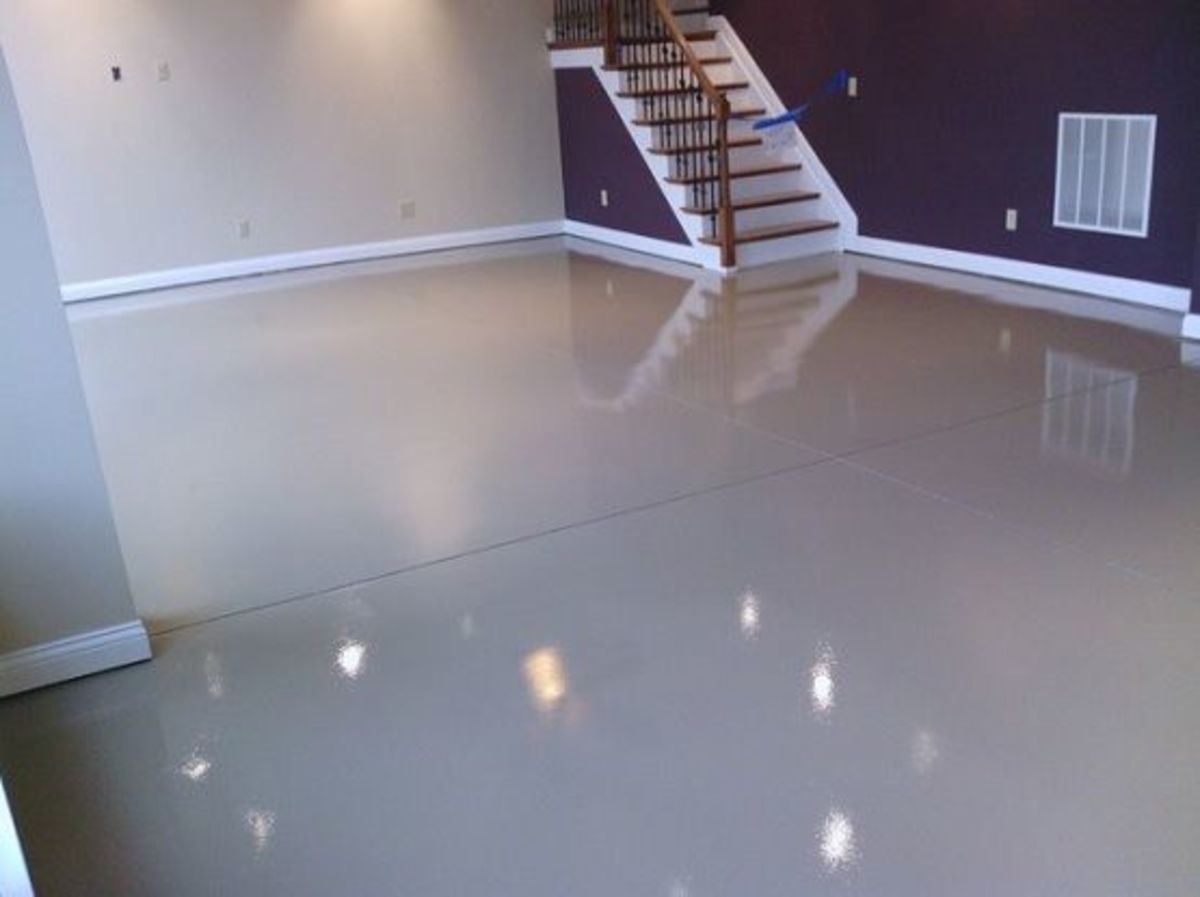
Neutral tones are a classic choice for basement floors, providing a timeless and versatile foundation for any decor style. Shades like gray, beige, or taupe blend seamlessly with various design elements, making them ideal for spaces that may evolve. These colors also help to create a sense of warmth and openness, combating the often dim nature of basements.
Apart from their aesthetic appeal, neutral tones are practical in hiding dust and minor imperfections that can appear on floors. They are especially suitable for high-traffic areas, maintaining their polished look with minimal upkeep. The muted nature of these colors makes them a safe choice for shared spaces like family rooms or home gyms.
Neutral colors also serve as a blank canvas, allowing homeowners to experiment with accent pieces and wall colors. By choosing a subdued shade for the floor, it becomes easier to change the overall look of the basement without repainting. This adaptability makes neutral tones a favorite among those seeking both simplicity and flexibility in design.
Bold Colors for Statement Floors
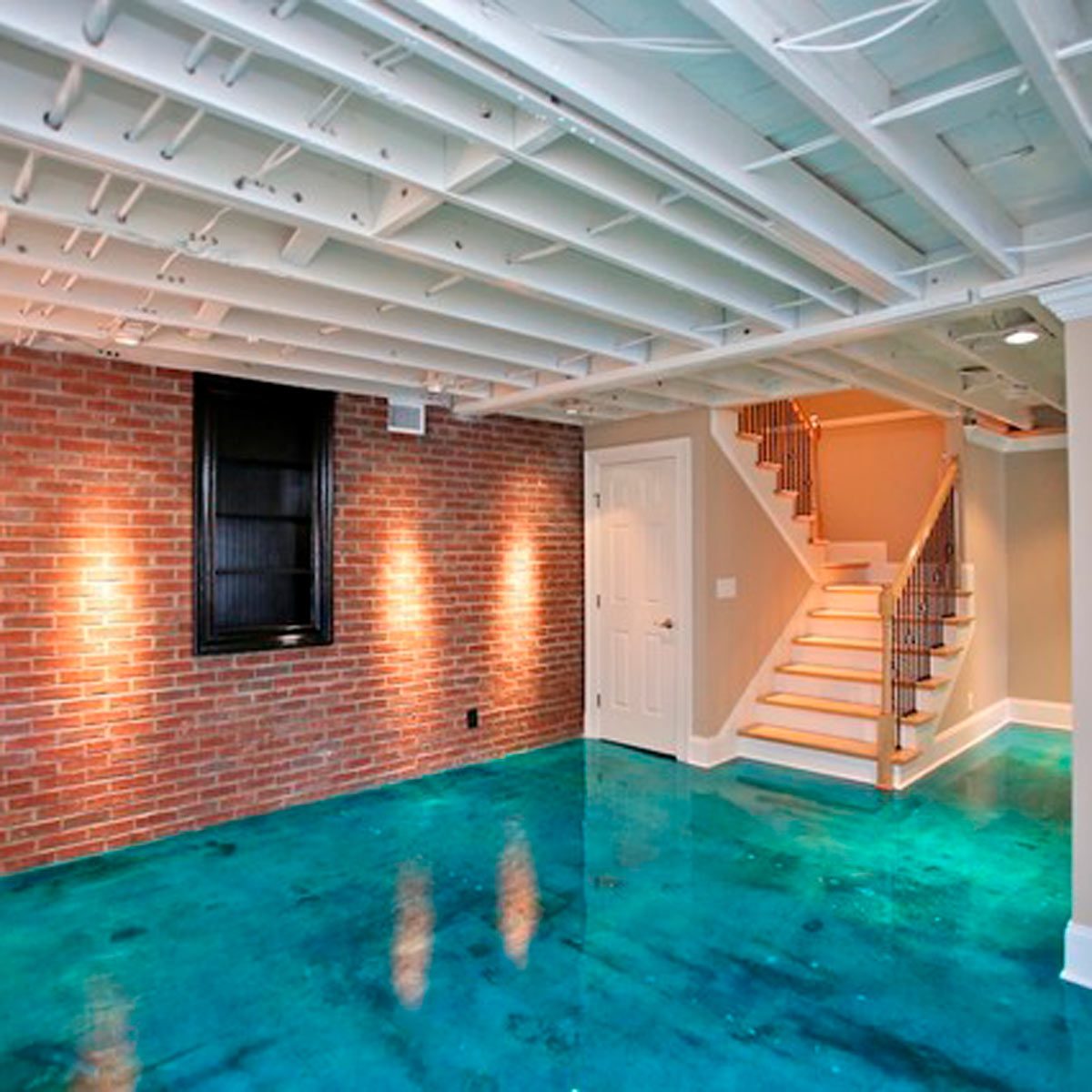
Bold paint colors can turn basement floors into standout design elements, adding character and energy to the space. Colors like deep blue, terra cotta, or even forest green can create a unique visual impact while enhancing the room’s personality. These hues work particularly well in basements that serve as entertainment areas or creative spaces.
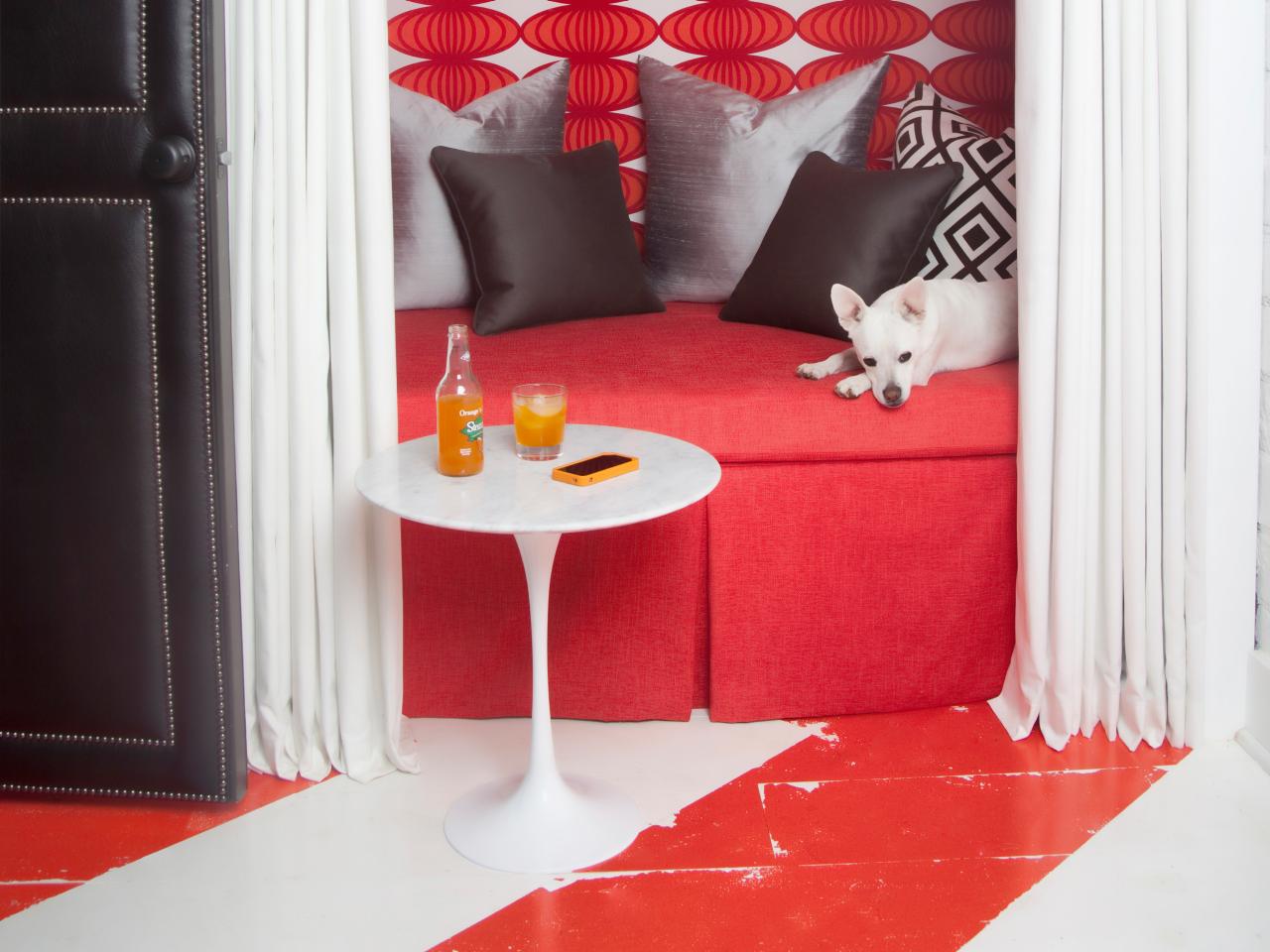
Choosing a bold color can be an opportunity to express individuality and experiment with trends. For instance, a vibrant red or orange floor can evoke a retro aesthetic, while metallic finishes can introduce a modern edge. These choices cater to homeowners looking for something beyond conventional designs.
However, bold colors require careful planning to ensure they complement the rest of the room’s decor. Proper lighting and thoughtful furniture selection play a key role in achieving a cohesive look. When done right, statement floors become a defining feature, elevating the basement from utilitarian to extraordinary.
Light Colors to Brighten Spaces
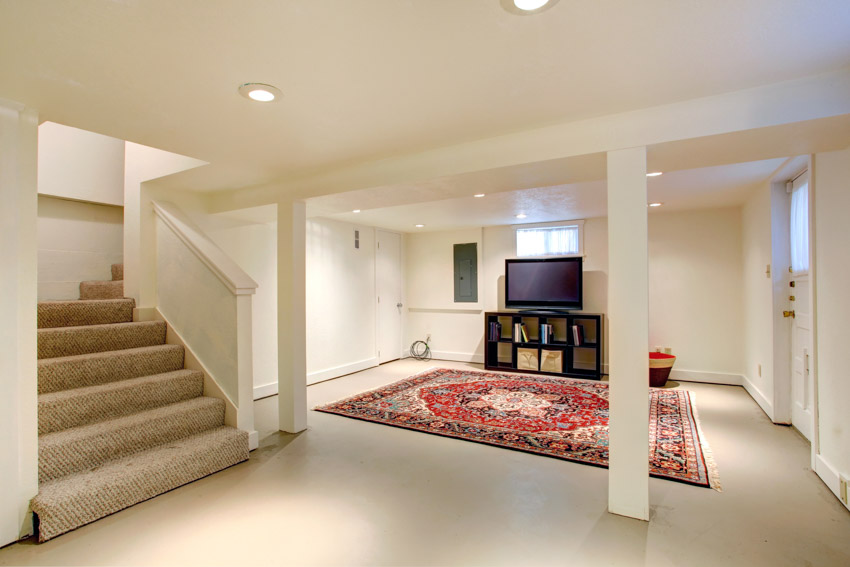
Light paint colors are a practical solution for basement floors, as they help brighten the often dimly-lit environment. Shades like pale blue, cream, or light gray can reflect natural and artificial light, creating an illusion of spaciousness. This choice is particularly effective for basements with limited window access.
These colors not only enhance brightness but also evoke a sense of cleanliness and tranquility. A light-colored floor can make the space feel airy, ideal for settings like home offices or yoga studios. The soft tones blend well with a wide range of furniture styles, from rustic to contemporary.
Additionally, light paint colors can help highlight architectural details or design features in the basement. For instance, light gray floors may complement exposed beams or brick walls, adding depth to the room. This versatility ensures that light colors remain a popular choice among homeowners aiming to maximize their basement’s potential.
Earthy Tones for Natural Inspiration
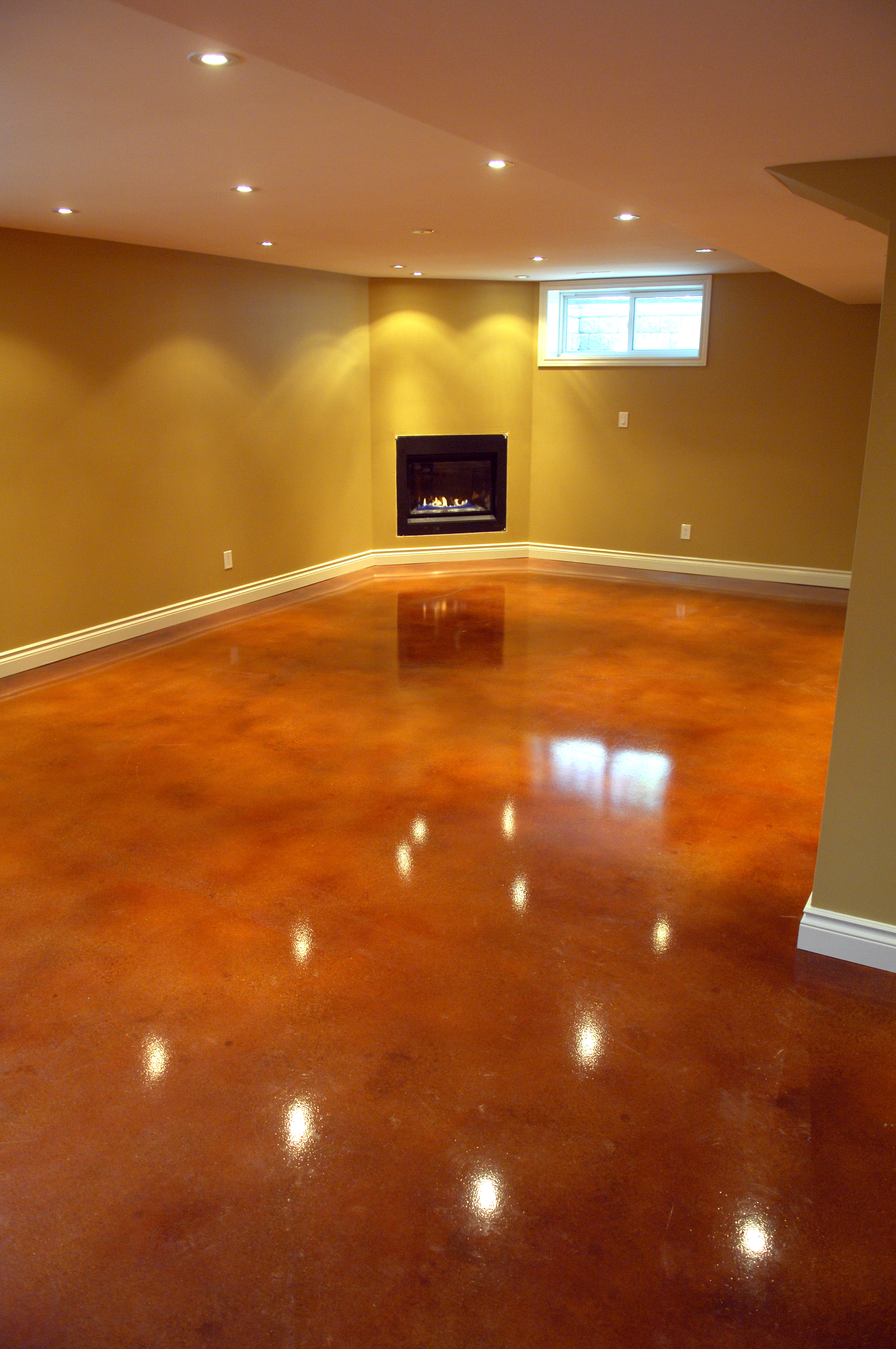
Earthy tones like olive green, terracotta brown, or sandy beige create a connection to nature, bringing a grounded feel to basement floors. These colors are ideal for basements that double as hobby rooms, art studios, or even small indoor gardens. Their organic appeal resonates with those who favor rustic or eco-inspired aesthetics.
These shades offer warmth and texture, making them particularly suitable for creating cozy environments. For example, terracotta floors can mimic the charm of a Mediterranean-inspired design, while olive green provides a serene backdrop for creative pursuits. The rich tones contribute to a harmonious and inviting atmosphere.
Moreover, earthy tones pair beautifully with natural materials like wood or stone. By incorporating these elements into the decor, homeowners can create an integrated design that feels both modern and timeless. This approach turns a functional basement into a retreat that reflects personal style and appreciation for nature.

Monochromatic Schemes for Modern Simplicity
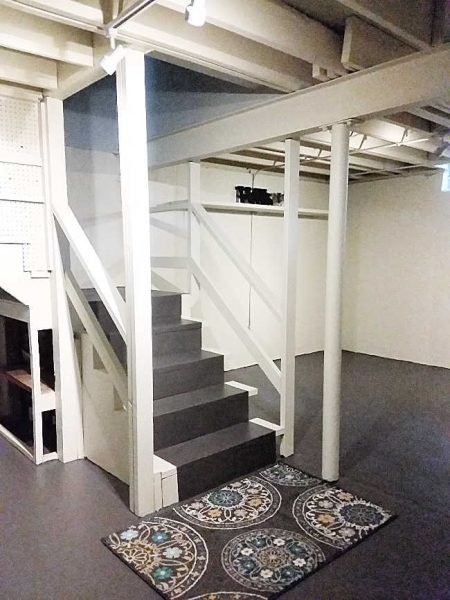
A monochromatic approach to basement floor paint involves using varying shades of a single color to create a cohesive and minimalist look. Popular choices include shades of gray, black, or white, each offering a sleek and sophisticated aesthetic. This design strategy works well for basements that serve as home theaters, offices, or workout spaces.
Monochromatic schemes emphasize clean lines and simplicity, reducing visual clutter and creating a calm environment. For instance, a gradient effect using darker tones at the edges and lighter tones in the center can add depth and dimension to the floor. This subtle variation adds interest without overwhelming the overall decor.
In addition to their modern appeal, monochromatic floors are incredibly versatile. They complement a wide range of furniture styles and decor accents, ensuring adaptability for future design changes. This approach is perfect for homeowners who value understated elegance and long-lasting practicality.
Playful Patterns for Creative Spaces
Incorporating playful patterns or designs into basement floors allows for unique and personalized aesthetics. From geometric shapes to stenciled motifs, these patterns add energy and visual interest to spaces like game rooms or kids’ play areas. Patterns can be applied using contrasting colors to make them pop.
Playful designs encourage creativity, making the basement feel less like a utility space and more like an integral part of the home. For instance, checkerboard floors using bold and neutral colors can bring a retro vibe, while mosaic patterns can lend an artistic touch. This choice offers endless possibilities for customization.
Practicality also comes into play when selecting patterned floors. High-quality paints and finishes ensure durability, allowing the designs to withstand wear and tear. Whether simple or elaborate, these patterns transform the basement floor into a functional and artistic canvas, showcasing the homeowner’s creativity.

Basement Concrete Floor Paint Color Ideas

Concrete Basement Floor Ideas
Perfect Basement Concrete Floor Paint Color Ideas Painted

Tips on Choosing Basement Floor Paint
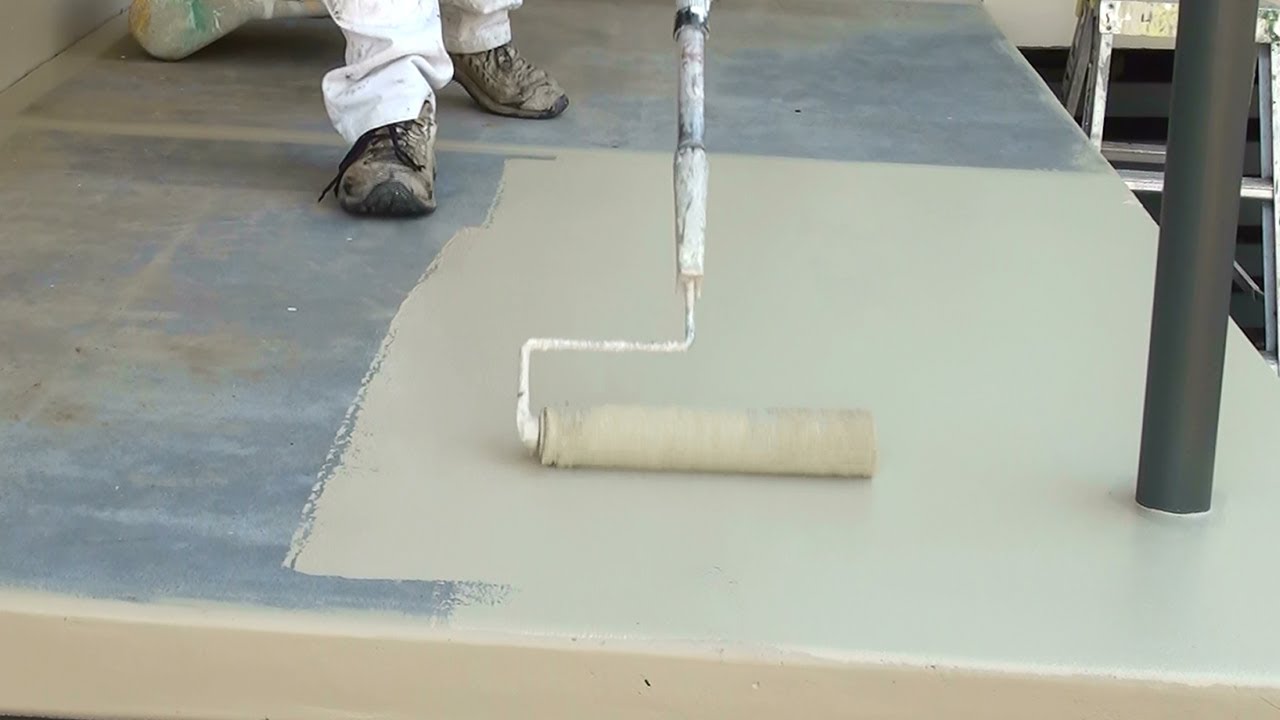
How to paint a concrete floor – Step by step guide on how to paint concrete floors.
Painted Floor Ideas to Inspire Your Next DIY Project Family
Basement Floor Paint Options
Related Posts: