I’ll be honest, my basement floor was a disaster. Years of dust, old paint splatters, mystery stains, and that weird damp smell that seems to haunt every concrete basement in existence. When I finally decided to tackle it, I didn’t know where to start. But after a lot of trial and error, I figured out a system that actually works, and I’m sharing everything I learned so you don’t have to make the same messy mistakes I did.
Start With a Dry Sweep and Debris Removal
Before you touch a mop or a drop of water, you need to get the dry stuff up first. I learned this the hard way when I wet-mopped over a dusty floor and just created a muddy paste that smeared everywhere. Grab a stiff-bristle push broom and sweep everything toward one corner. Don’t rush this part.
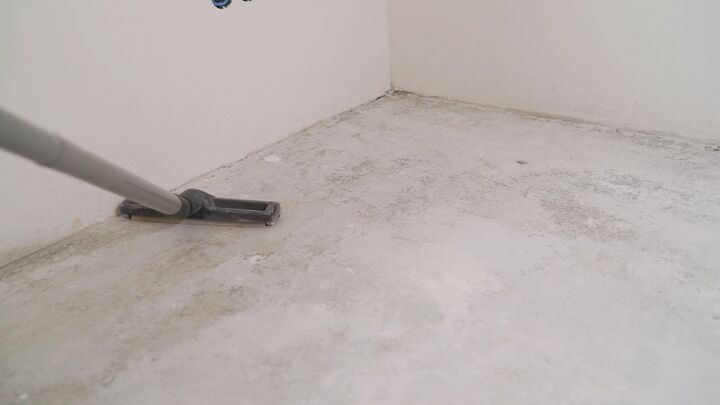
After sweeping, I always run a shop vac along the edges and corners where the broom can’t reach. Concrete floors have tiny pores, and dust settles into them. A vacuum pulls up what a broom leaves behind. It takes an extra ten minutes, but it makes every step after this one much easier.
Once the floor is clear of loose debris, I take a look at what kind of stains I’m dealing with. Oil spots, rust, mildew, and old paint each need a different approach. Doing this assessment before you wet anything helps you plan your attack and gather the right products before you’re knee-deep in the project.
How to Tackle Oil and Grease Stains
Oil stains on concrete are stubborn, but they’re not impossible. My go-to method is applying a generous layer of cat litter or baking soda directly onto the stain and letting it sit overnight. The absorbent material pulls the oil up from inside the pores. Sweep it up in the morning and you’ll already see a difference.
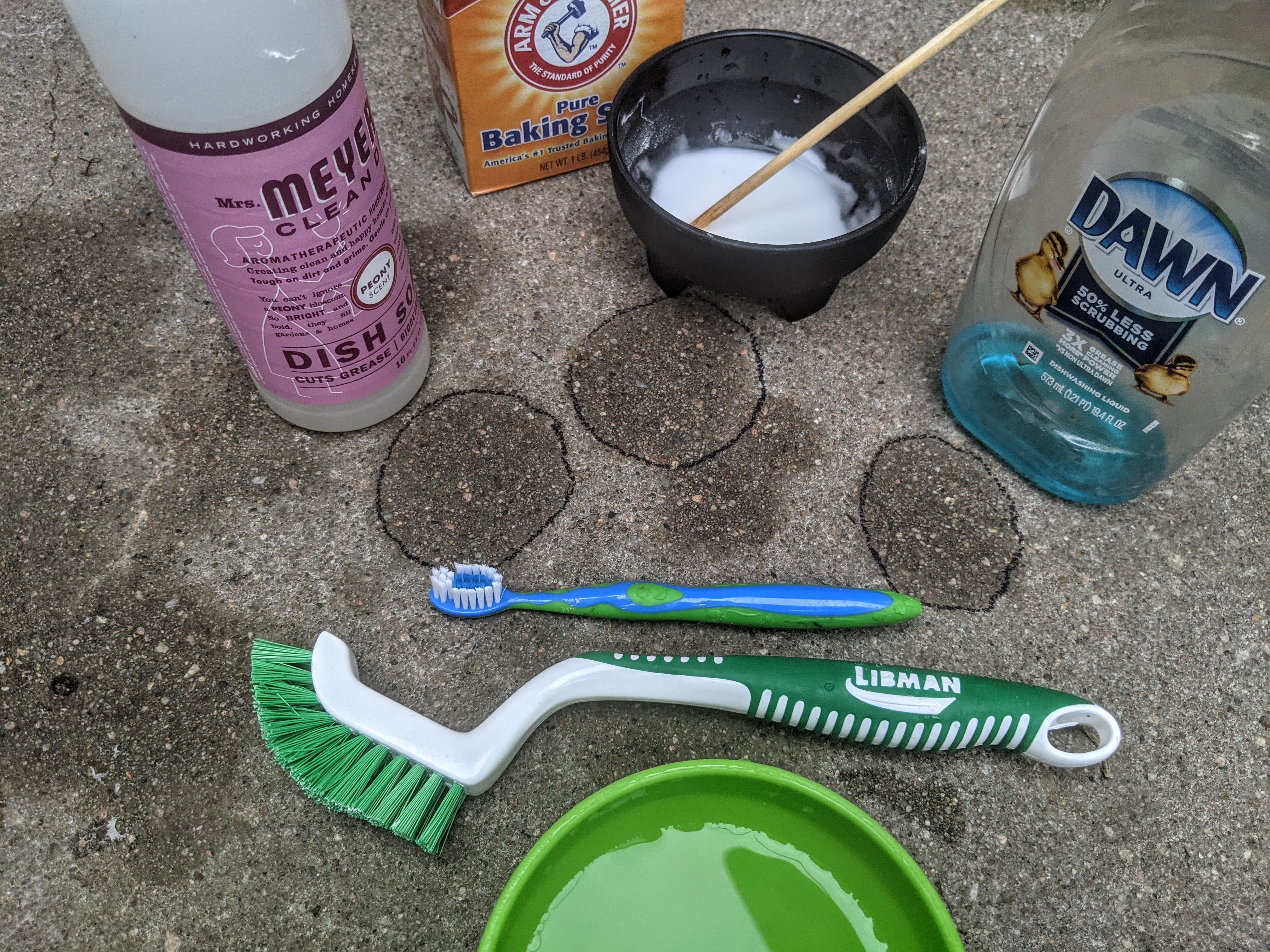
After that, I scrub the spot with a mixture of dish soap and warm water using a stiff brush. Dish soap is a degreaser, which is exactly what you need here. I’ve tried fancy concrete cleaners, and honestly, plain dish soap holds its own against most garage-style grease stains with a little elbow grease.
For really set-in stains, I’ve had great luck with a product called TSP, or trisodium phosphate. You mix it with water, scrub it in, and let it sit for a few minutes before rinsing. Wear gloves because it’s strong stuff. But when that stain has been sitting there for five years like mine was, sometimes you need to bring out the big guns.
Dealing With Mildew and Musty Smells
That musty basement smell almost always comes from mildew growing on or just beneath the concrete surface. When I first noticed it, I thought cleaning the floor would fix it. But the smell kept coming back until I addressed the moisture problem at the source. Ventilation and a dehumidifier made a huge difference before I even started scrubbing.
For the mildew itself, I mix one cup of white vinegar with one gallon of warm water and mop the entire floor. Vinegar is a natural antifungal, and it neutralizes odors instead of just masking them. I let it sit for about ten minutes before mopping it up with clean water. The vinegar smell fades within a few hours.
In really bad cases, I’ve used a diluted bleach solution, about one cup of bleach per gallon of water. I apply it carefully, let it sit, then rinse thoroughly. I always open the windows and run a fan when using bleach in an enclosed space. It’s not the most pleasant afternoon, but the results are worth it.

Removing Rust Stains From Concrete
Rust stains are some of the most stubborn stains I’ve encountered on concrete. They usually come from metal shelving, old appliances, or water pipes. When I first saw that orange-brown ring on my floor, I scrubbed it with regular cleaner and got nowhere. That’s when I learned you need an acid-based solution to break rust down.
White vinegar works on lighter rust stains. I pour it directly onto the stain, let it sit for about thirty minutes, then scrub with a stiff brush. For older or darker stains, I use a product that contains oxalic acid, which is specifically designed to dissolve rust. You can find it at most hardware stores in the cleaning aisle.
After treating rust stains, I always rinse the area really well and neutralize the acid with a light baking soda and water paste. This protects the concrete from any lingering acidity. I’ve also found that sealing the floor afterward helps prevent future rust rings from embedding as deeply into the surface.
Deep Cleaning With a Pressure Washer or Scrubber
Once I’ve pre-treated all the individual stains, I do a full deep clean of the entire floor. If your basement has a floor drain, a pressure washer is incredibly satisfying and effective. The high-pressure water blasts grime out of the concrete’s pores in a way that mopping just can’t match.
If you don’t have a drain, a floor scrubber machine is a great alternative. I rented one from my local hardware store for about forty dollars for the day. You pour your cleaning solution in, and the machine scrubs the whole floor while you guide it around. It cut my cleaning time in half and did a more thorough job than I ever could by hand.
After the deep clean, I use a wet vac to pull up as much of the dirty water as possible, then let the floor air dry completely with fans running. This step is important because sealing or painting a damp concrete floor leads to peeling and bubbling. I usually wait a full twenty-four hours before doing anything else to the surface.
Sealing the Floor to Keep It Clean Longer
Sealing the floor after cleaning is the step I wish someone had told me about years ago. Bare concrete is porous, which means it soaks up every spill, stain, and bit of grime that lands on it. A concrete sealer fills those pores and creates a surface that’s much easier to wipe clean going forward.
I used a penetrating concrete sealer the first time, and it didn’t change the look of the floor at all, which I liked. It just soaked in and hardened the surface. Application is straightforward, you roll it on like paint and let it cure. Read the label for dry times because they vary by product and temperature.
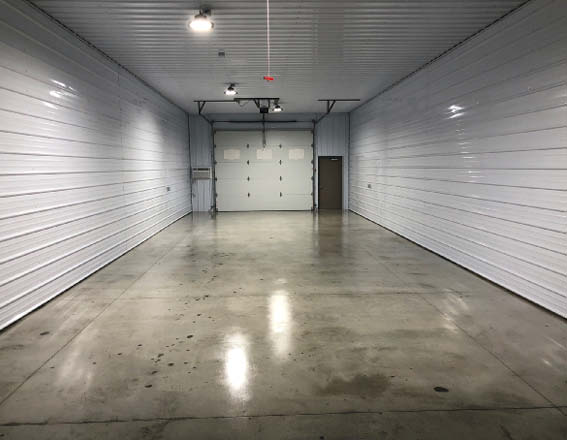
If you want something more decorative, an epoxy coating is a step up. It creates a glossy, almost garage-floor look that’s very durable and stain resistant. I did epoxy in one section of my basement and regular sealer in the storage area. Both hold up well, but the epoxy is noticeably easier to mop. Either way, sealing is the best investment you can make after all that hard cleaning work.

How often should I deep clean my concrete basement floor?
I do a full deep clean about twice a year, usually in spring and fall. In between, I sweep weekly and spot-clean any stains as soon as they happen. The quicker you address a fresh stain, the easier it is to remove. Staying on top of small messes means your big cleaning sessions are much less overwhelming.
Can I use a regular mop on a concrete basement floor?
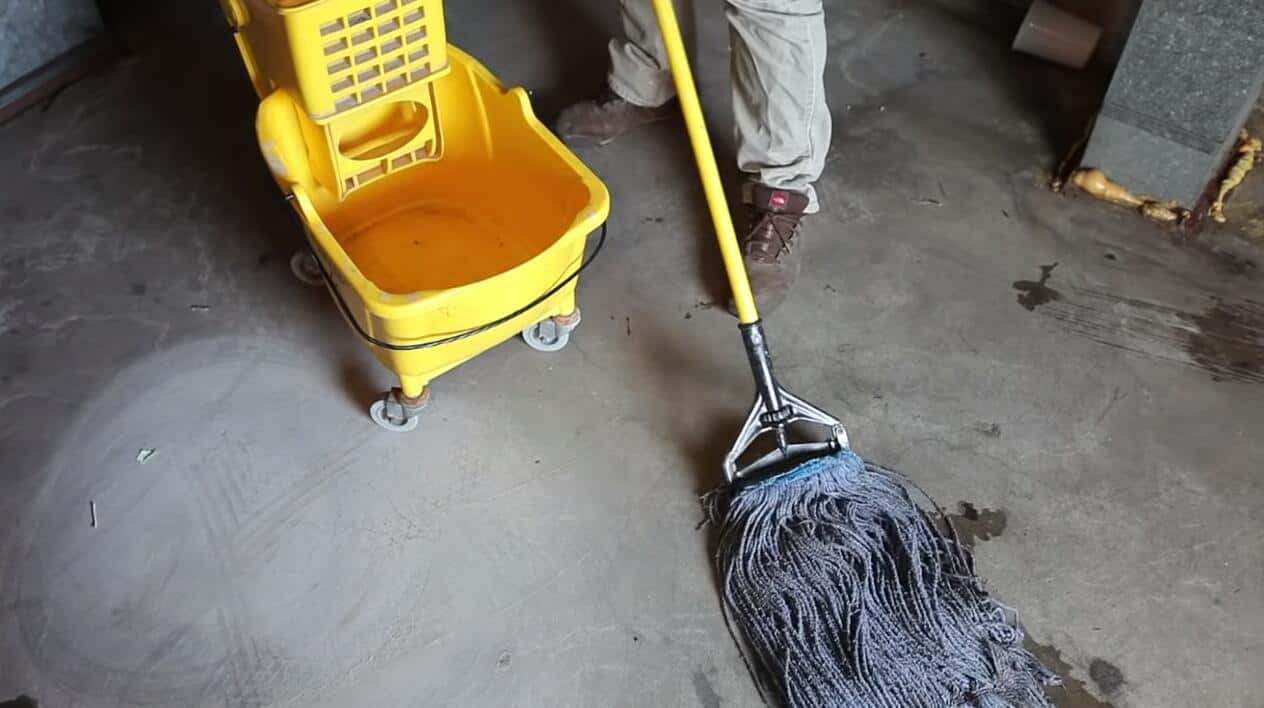
Yes, but a regular mop works best after the floor has been swept and vacuumed. I use a microfiber mop with a cleaning solution for routine maintenance. For deep cleaning, I prefer a stiff-bristle scrub brush or a rented floor scrubber. A standard string mop tends to push dirty water around more than it actually picks things up.
What’s the best cleaner for concrete basement floors?
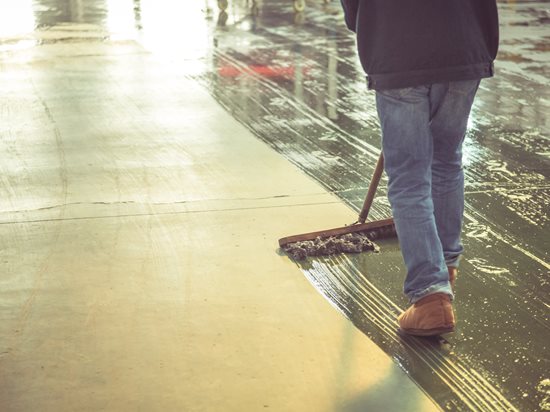
For general cleaning, a mix of dish soap and warm water works really well. For mildew, white vinegar diluted in water is my first choice. For grease, TSP is very effective. For rust, look for an oxalic acid-based cleaner. There’s no single product that handles everything, so I keep a few options on hand depending on what I’m dealing with.
Will cleaning remove the musty smell permanently?
Cleaning helps a lot, but the smell will return if you don’t address the moisture causing it. I run a dehumidifier in my basement year-round and made sure gutters and grading around the house direct water away from the foundation. Sealing the floor also helps reduce moisture absorption. Cleaning treats the symptom, but controlling humidity treats the cause.
Is it safe to use bleach on a concrete basement floor?
Yes, diluted bleach is safe for concrete and is effective against mold and mildew. I use one cup per gallon of water and always wear gloves and open windows for ventilation. Never mix bleach with vinegar or ammonia-based cleaners. Rinse the floor thoroughly after using bleach to prevent residue buildup, and let the floor dry completely before sealing or painting.
How long does it take for a concrete floor to dry after cleaning?
It depends on ventilation and humidity, but I typically wait at least twenty-four hours before sealing or applying any coating. Running fans and a dehumidifier speeds up the process significantly. If the floor still feels cool to the touch or looks slightly dark in spots, it’s still holding moisture. Patience here really pays off because sealing a damp floor leads to problems down the road.
What is the Best Natural Concrete Floor Cleaner?
How to Actually Clean Your Dirty Basement
Alternative Finishes for Interior Concrete Floors
Alternative Finishes for Interior Concrete Floors – Concrete Decor
Basics Of The Plumbing Beneath Your Basement Floor

Related Posts: