Standing in my bland, white-tiled bathroom, I realized how much the floor color affected the entire space’s mood and functionality. After renovating three bathrooms over the past decade, I’ve learned that floor color choices can make or break a bathroom’s design. From bold statement tiles to subtle neutral tones, each color decision taught me valuable lessons about light reflection, maintenance, and personal style preferences that I never expected when I started my first renovation project.
Classic Whites and Light Neutrals That Never Disappoint
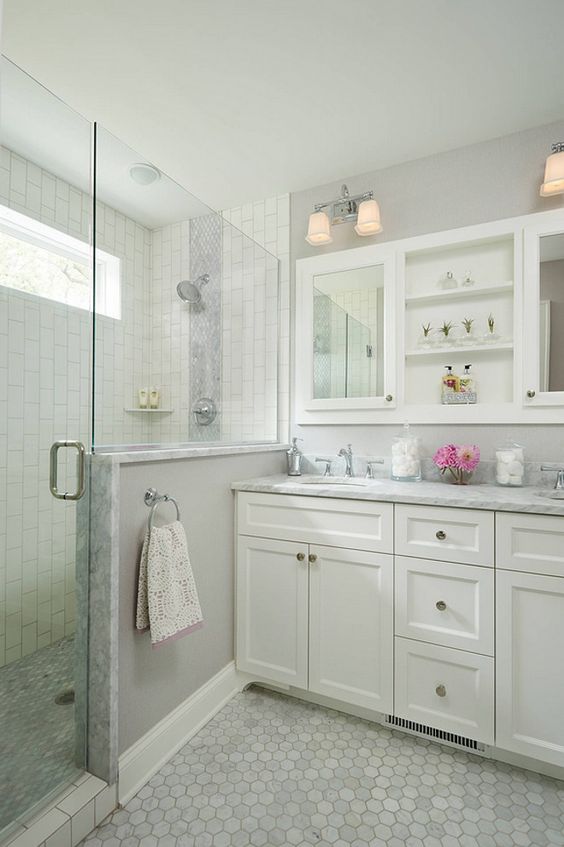
Pure white bathroom floors create an instant sense of cleanliness and spaciousness that I find irresistible. My master bathroom features crisp white subway tiles that reflect natural light beautifully, making the small space feel twice its actual size. The timeless appeal means I won’t need to update the floor for decades, and white coordinates effortlessly with any wall color or fixture choice I might want to change later.
Cream and off-white tones offer the brightness benefits of white with added warmth and character. I chose warm ivory porcelain tiles for my guest bathroom, creating a welcoming atmosphere that feels more inviting than stark white. These softer neutrals hide minor imperfections and daily wear better than pure white, reducing the frequency of deep cleaning sessions while maintaining that fresh, clean appearance guests expect.
Light gray has become my go-to neutral for modern bathroom designs because of its sophisticated versatility. The pale gray marble-look tiles in my powder room complement both chrome and brass fixtures beautifully. This color choice works particularly well in bathrooms with limited natural light, providing brightness without the sterile feeling that pure white sometimes creates in windowless spaces.
Bold Dark Colors That Make Dramatic Statements
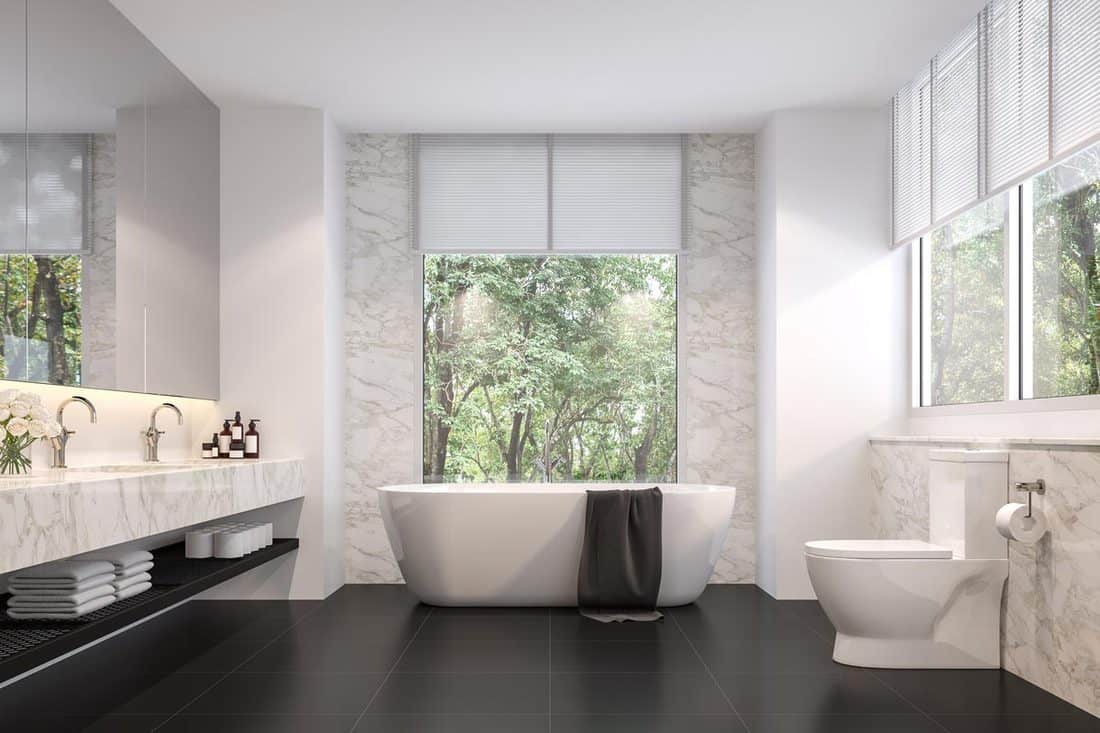
Charcoal and deep gray floors transformed my basement bathroom from boring to luxurious with minimal effort. The dark tiles create a spa-like atmosphere that feels expensive and sophisticated, especially when paired with white fixtures and warm lighting. I discovered that dark floors hide water spots and soap residue better than light colors, making maintenance surprisingly easier than I initially expected.
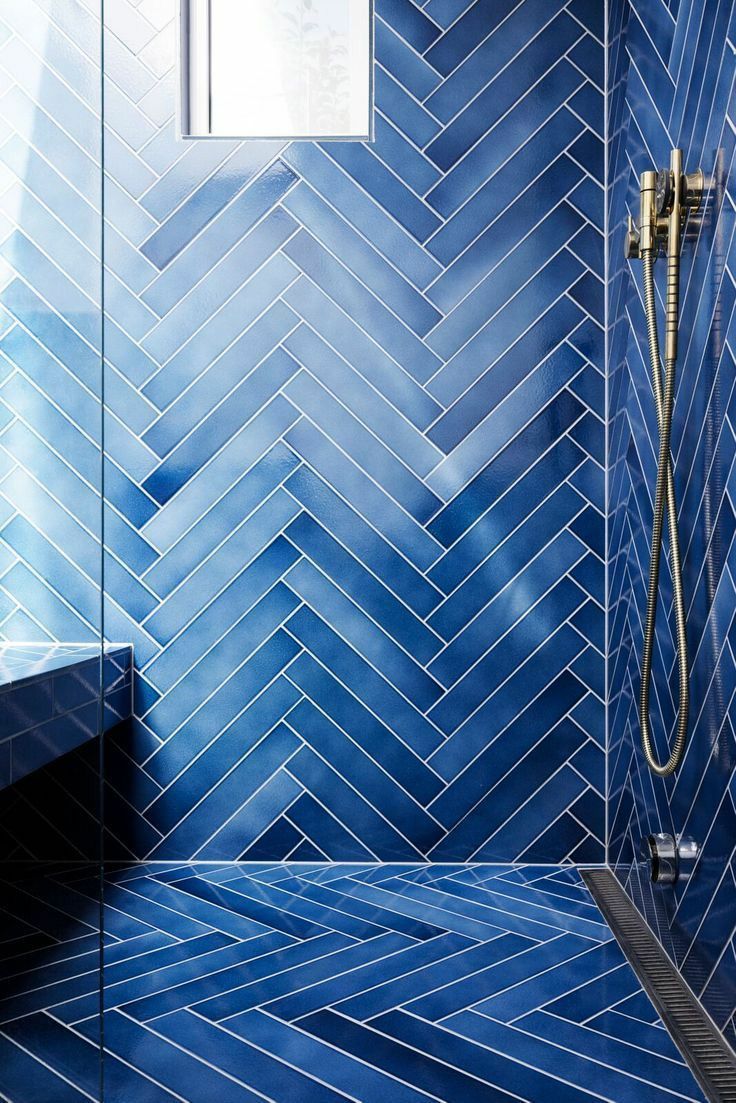
Rich navy blue flooring became the centerpiece of my coastal-themed bathroom renovation project last year. The deep blue hexagon tiles create visual interest while maintaining a calming, oceanic vibe that makes bath time feel like a mini vacation. This bold color choice required careful coordination with other elements, but the dramatic result exceeded my expectations and received compliments from every visitor.
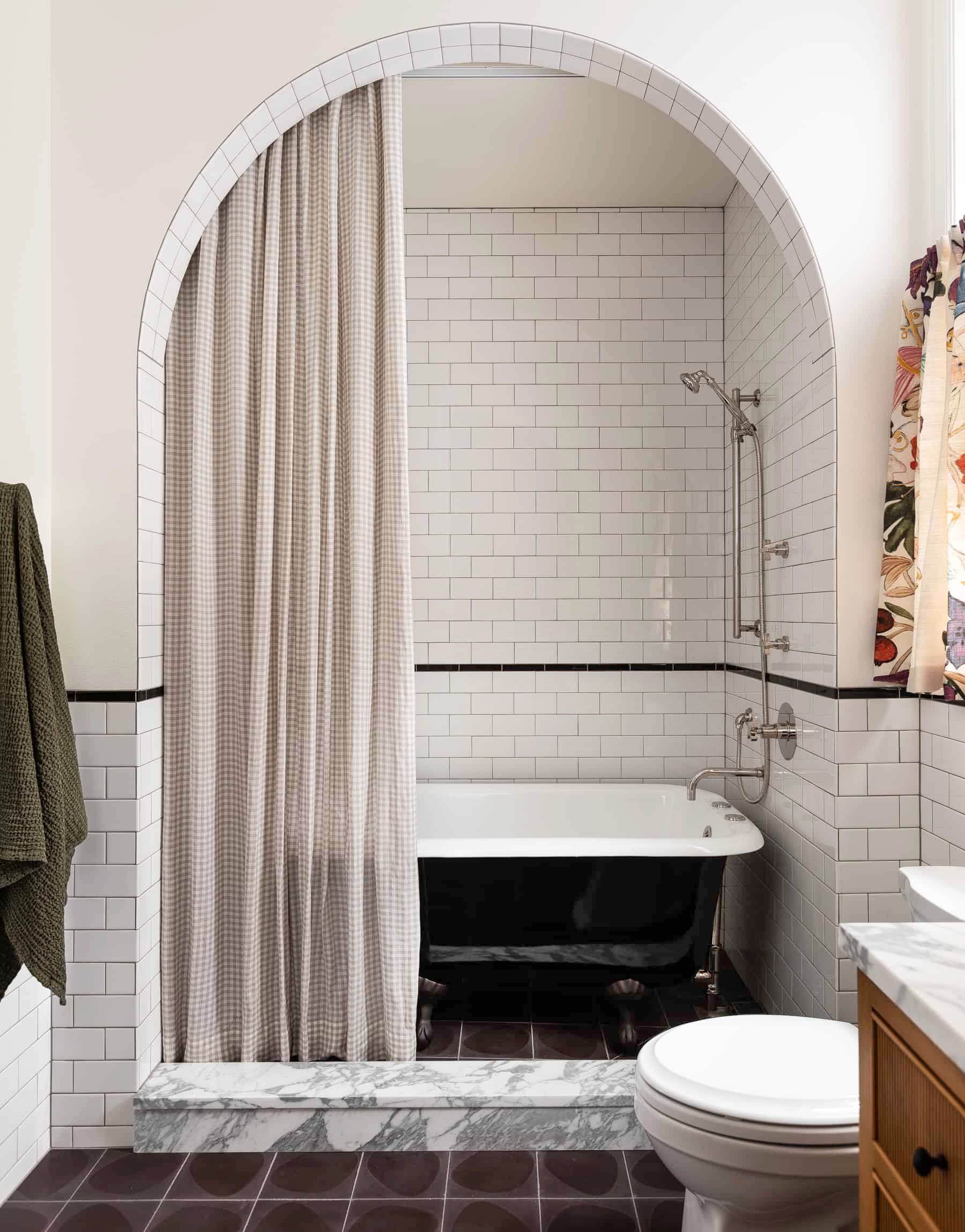
Black bathroom floors initially seemed too risky, but my sleek black marble tiles create an undeniably elegant and modern aesthetic. The high-contrast look with white walls and fixtures creates a timeless sophistication that photographs beautifully. However, I learned that black shows every water drop and requires daily maintenance to maintain its stunning appearance, so consider your cleaning commitment before choosing this dramatic option.
Warm Earth Tones for Cozy Comfort
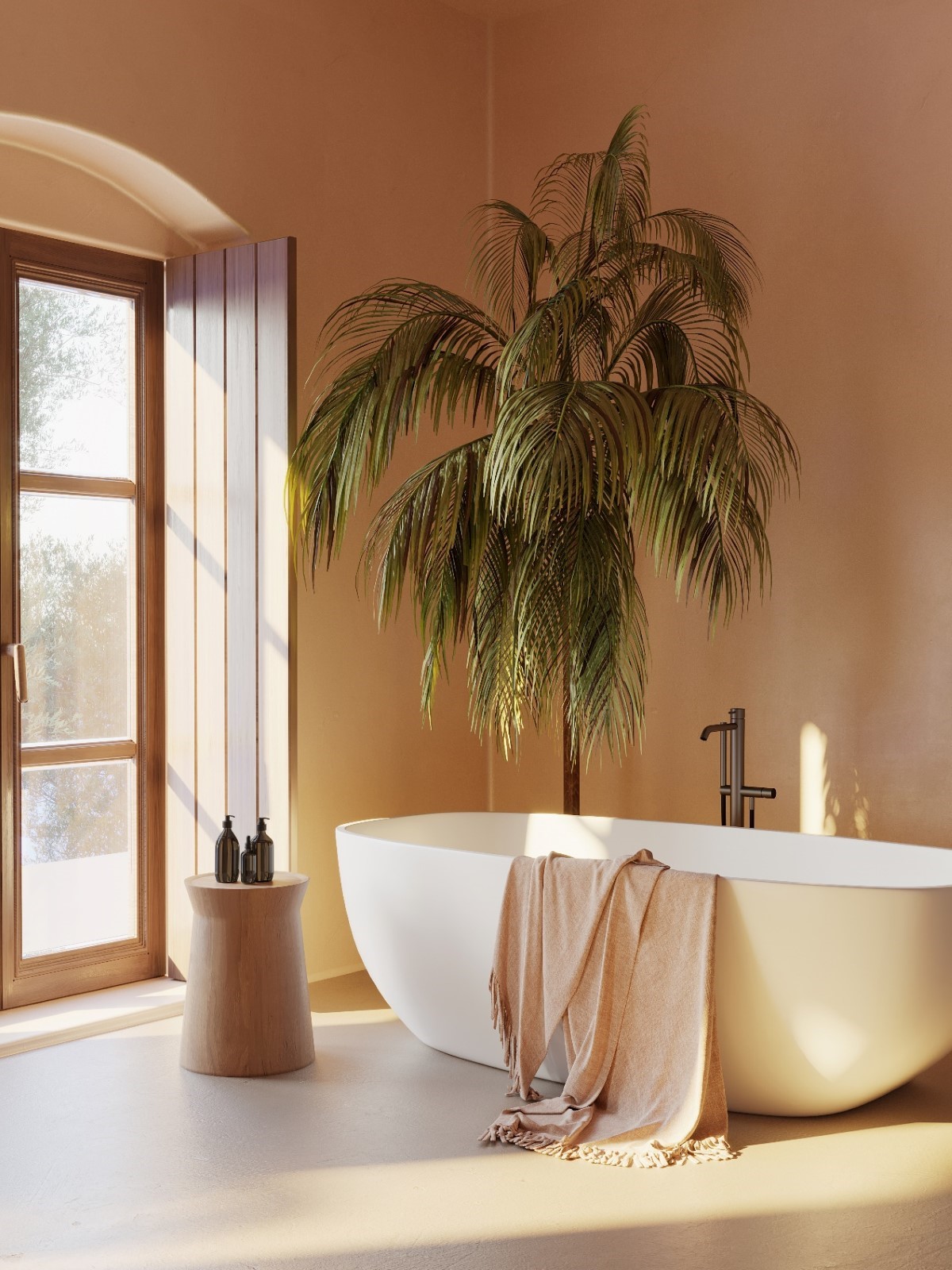
Terracotta and rust-colored tiles bring Mediterranean warmth to bathroom spaces in ways I never anticipated. My guest bathroom features beautiful clay-colored ceramic tiles that create an instantly cozy atmosphere reminiscent of European spas. These earthy tones pair wonderfully with natural wood vanities and brass fixtures, creating a warm, inviting space that feels like a retreat from daily stress and responsibilities.
Rich brown floors provide grounding warmth while maintaining sophisticated appeal in bathroom design. I selected chocolate brown porcelain planks for my family bathroom, creating a space that feels both luxurious and practical for daily use. The darker color hides dirt and wear exceptionally well, making it perfect for high-traffic bathrooms where children and pets create frequent cleaning challenges.
Warm beige tones offer the perfect compromise between light and dark flooring options. My kitchen bathroom features sandy beige tiles that complement the adjacent room while creating a seamless flow throughout the first floor. This neutral choice works with virtually any decor style and provides enough color interest to avoid the bland appearance that pure neutrals sometimes create in smaller spaces.
Cool Blues and Greens for Spa-Like Serenity
Soft sage green flooring creates an instantly calming atmosphere that transforms ordinary bathrooms into peaceful retreats. I installed muted green ceramic tiles in my master bathroom, creating a nature-inspired sanctuary that reduces morning stress and evening tension. The subtle color adds personality without overwhelming the space, and it coordinates beautifully with white fixtures and natural wood accents throughout the room.
Powder blue floors bring a fresh, airy quality to bathroom spaces that I find delightful. My daughter’s bathroom features light blue subway tiles that create a cheerful, optimistic mood perfect for starting busy school days. This gentle color choice works particularly well in bathrooms with good natural light, where it can showcase its full beauty without appearing too cool or uninviting.
Seafoam and aqua tones capture the essence of tropical waters in bathroom floor design. I chose soft aqua hexagon tiles for my powder room, creating an unexpected pop of color that guests always notice and admire. These blue-green shades work especially well in smaller bathrooms where you want to create visual interest without overwhelming the limited space with overly bold color choices.
Patterns and Multi-Color Options That Add Character
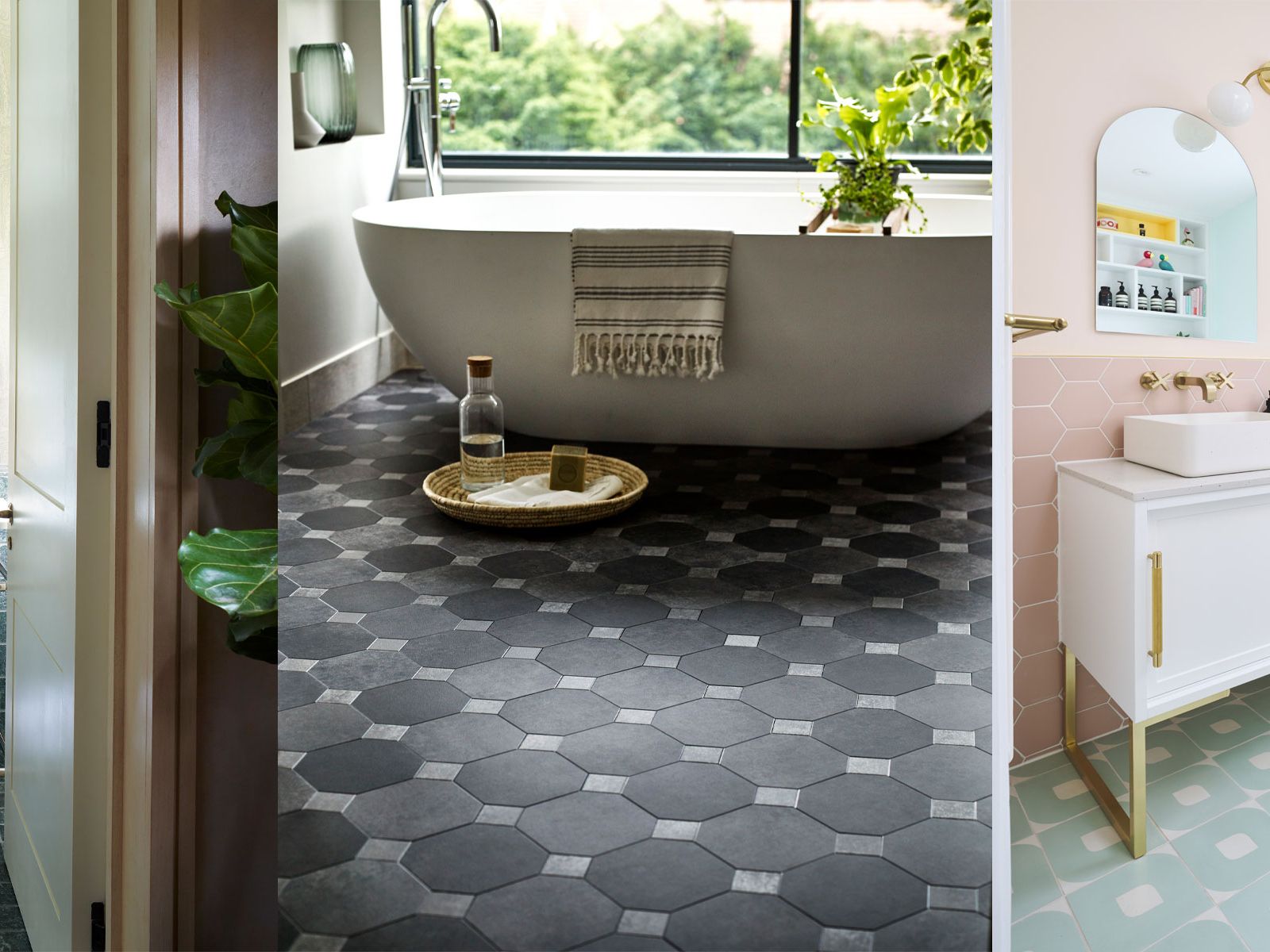
Geometric patterns using contrasting colors create visual excitement in bathroom floors beyond single-color options. My entryway bathroom features black and white checkerboard tiles that add vintage charm while maintaining classic appeal. The pattern draws the eye and creates movement in the small space, making it feel larger and more dynamic than solid color floors would accomplish in the same area.
Mosaic tiles combining multiple complementary colors allow for creative expression in bathroom design. I installed blue and gray glass mosaic tiles in my shower area, creating a stunning focal point that catches light beautifully. The varied colors hide water spots and soap residue while providing enough visual interest to make the bathroom feel custom-designed rather than cookie-cutter generic.
Wood-look tiles in varied tones bring natural warmth with practical benefits for bathroom environments. My basement bathroom features planks in multiple brown shades that mimic real hardwood flooring perfectly. This option provides the cozy appeal of wood floors without moisture concerns, and the color variation helps disguise daily wear and minor imperfections that develop over time with regular use.

Factors That Influenced My Color Decisions
Natural light availability significantly impacts how bathroom floor colors appear throughout different times of day. I learned this lesson the hard way when my first renovation’s gray tiles looked completely different under artificial lighting than in the showroom’s bright fluorescent lights. Now I always test tile samples in my actual bathroom lighting conditions before making final purchasing decisions for any renovation project.
Maintenance requirements vary dramatically between different floor color choices, affecting long-term satisfaction with renovation results. Light colors show every speck of dirt but make spaces feel larger, while dark colors hide daily mess but require frequent cleaning to prevent water spots. I now consider my family’s lifestyle and cleaning habits as carefully as aesthetic preferences when selecting bathroom floor colors.
Room size and layout constraints influence which colors work best for specific bathroom configurations and usage patterns. Small powder rooms can handle bold, dramatic colors that might overwhelm larger family bathrooms with multiple users. I’ve learned to match color intensity to room function, using subtle tones in busy family spaces and saving statement colors for guest bathrooms that receive lighter, less frequent use.
What bathroom floor colors make small spaces appear larger and more open?
Light colors, especially whites, creams, and pale grays, reflect more light and create the illusion of expanded space in small bathrooms. I’ve used this technique in several tight powder rooms with excellent results. Cool tones like soft blues and greens also help spaces feel more open than warm colors. Large-format tiles in light colors minimize grout lines, creating a more seamless, spacious appearance. However, avoid pure white if maintenance is a concern, as it shows every mark and requires frequent cleaning.
How do I choose bathroom floor colors that coordinate with existing fixtures and vanities?
Start by identifying the undertones in your existing fixtures, whether they lean warm (gold, brass) or cool (chrome, nickel). I always bring samples of my fixtures when selecting floor tiles to ensure compatibility. Neutral floors like grays and beiges work with most fixture finishes, while bold colors require more careful coordination. Consider the vanity material and wall colors as well, aiming for a cohesive palette rather than competing elements that create visual chaos in the space.
Which bathroom floor colors are easiest to maintain and keep looking clean?
Medium-toned colors in grays, beiges, and earth tones hide dirt and water spots most effectively in my experience. Very light colors show every speck of debris, while very dark colors reveal water spots and soap residue immediately after use. Patterned or textured tiles camouflage daily wear better than solid, smooth surfaces. I’ve found that slightly variegated tiles with subtle color variation require less frequent deep cleaning than uniform, solid-colored options while still maintaining an attractive appearance.
Can I use bold, bright colors for bathroom floors without dating the space quickly?
Bold colors can work if you’re prepared to update other elements as trends change, but I recommend using them strategically rather than throughout the entire floor. Consider bold colors in powder rooms or accent areas where replacement costs are minimal. Classic bold colors like navy blue or forest green have more longevity than trendy shades. If you love bright colors, try incorporating them through removable elements like rugs or wall paint while keeping floor colors more neutral and timeless.
How do bathroom floor colors affect the overall mood and atmosphere of the space?
Cool colors like blues and greens create calming, spa-like atmospheres that promote relaxation during baths and morning routines. Warm colors like terracotta and browns provide cozy, welcoming feelings that work well in family bathrooms. Neutral colors offer flexibility to change the mood through accessories and lighting. I’ve noticed that darker floors create more intimate, luxurious feelings, while lighter floors feel fresh and energizing. Consider your bathroom’s primary function when selecting colors that support your desired atmosphere.
What’s the best approach for testing bathroom floor colors before making final decisions?
Always order large samples and view them in your actual bathroom under different lighting conditions throughout the day. I tape samples to the floor and live with them for at least a week, observing how they look with morning natural light, evening artificial light, and nighttime lighting. Take photos with your phone to see how colors appear in pictures, as this often reveals undertones invisible to the naked eye. Consider how the colors look when wet, as bathroom floors frequently have water on them.

Stylish Bathroom Floor Tile Ideas for Small Bathrooms Hometalk
Black & White Bathroom Design and Tile Ideas

Related Posts: