When my contractor suggested cork flooring for my basement renovation, I thought he was joking. Cork belonged in wine bottles, not on floors, especially not in damp basement environments. However, after three years of living with cork floors in my finished basement, I’ve discovered this natural material offers surprising benefits that traditional flooring options simply can’t match. My journey with cork has been filled with unexpected discoveries about comfort, durability, and environmental responsibility.
Why I Initially Hesitated About Cork in My Basement
Moisture concerns dominated my thoughts when first considering cork flooring for below-grade installation. Basements naturally have higher humidity levels, and I worried that organic cork material would absorb moisture and develop mold or mildew problems. My research revealed that quality cork flooring actually resists moisture better than many traditional options. Modern cork tiles come with protective finishes that create barriers against water penetration while maintaining breathability.
Durability questions made me second-guess cork’s ability to withstand basement activities and furniture weight. I imagined soft cork material denting under heavy storage items or developing permanent impressions from exercise equipment. However, I learned that cork’s cellular structure actually provides excellent resilience, bouncing back from compression better than hardwood or laminate floors. The natural elasticity means fewer permanent marks from dropped items or furniture placement.
Cost considerations initially seemed prohibitive compared to budget basement flooring options like vinyl or basic carpet. Cork flooring prices appeared significantly higher than alternatives I was considering for the space. Yet when I calculated long-term value including durability, comfort benefits, and potential health advantages, cork’s initial investment seemed more reasonable. The unique properties justified the premium price for a space where I planned to spend considerable time.
Installation Challenges I Overcame in My Basement
Subfloor preparation required more attention than typical basement flooring installations due to cork’s specific requirements. I needed to ensure completely level surfaces since cork tiles show even minor imperfections through their natural texture. Moisture barriers became essential, requiring careful installation of vapor barriers between concrete and cork. This extra preparation time added days to my project timeline but proved crucial for long-term performance and preventing future problems.
Acclimation proved critical for successful cork installation in my basement environment. The tiles needed to adjust to basement temperature and humidity levels for at least 48 hours before installation began. I spread boxes throughout the space, allowing natural expansion and contraction to stabilize before cutting or fitting pieces. This patience prevented gaps or buckling that could have developed if I had rushed the installation process.
Cutting techniques required learning new approaches specific to cork’s unique material properties. Standard wood-cutting tools worked, but cork’s texture demanded sharp blades and careful handling to prevent tearing or chipping edges. I discovered that scoring and snapping worked better than sawing for straight cuts, while curved cuts needed fine-toothed blades and steady pressure. These techniques ensured clean joints and professional-looking results throughout the installation.
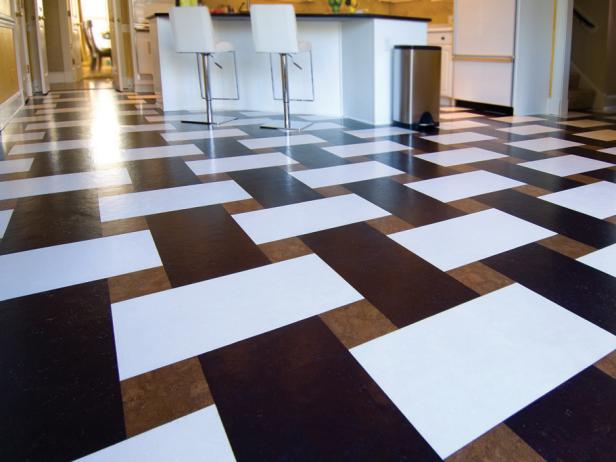
Comfort Benefits That Surprised Me Daily
Temperature regulation became immediately noticeable once I started spending time on my new cork floors. Unlike cold concrete or tile surfaces, cork maintains comfortable temperatures that feel warm underfoot even during winter months. The natural insulation properties reduce heat loss through the floor, making my basement space more energy-efficient and comfortable for extended periods. This warmth encourages barefoot walking and floor activities that weren’t pleasant before.
Sound absorption qualities transformed my basement into a quieter, more peaceful environment for various activities. Cork naturally dampens footstep noise, reducing the hollow echoes common in basement spaces with hard flooring surfaces. Music practice, exercise routines, and children’s play generate less disruptive noise that travels to upper floors. This acoustic improvement made the basement more usable without disturbing family members above.
Joint comfort improved significantly during extended periods spent working or exercising on the basement floor. Cork’s natural cushioning reduces stress on knees, ankles, and back during floor-based activities like yoga, stretching, or home workouts. The slight give in the surface provides ergonomic benefits that rigid floors can’t match. Standing for long periods during workshop projects feels less fatiguing on cork compared to concrete or tile surfaces.

Maintenance Routines That Keep My Cork Looking Great
Daily cleaning became surprisingly simple once I established effective routines for cork floor care. Sweeping with soft-bristled brooms removes dust and debris without scratching the protective finish surface. I avoid wet mopping in favor of barely damp microfiber cloths that clean without introducing excess moisture. Regular vacuuming with soft brush attachments handles pet hair and fine particles that settle into cork’s natural texture patterns.
Monthly deep cleaning involves specialized cork floor cleaners that maintain the protective finish while removing accumulated dirt. I learned that standard floor cleaners can damage cork’s finish, so investing in appropriate products became essential for long-term maintenance. pH-neutral formulations clean effectively without dulling the natural luster or compromising the moisture-resistant properties that protect the underlying cork material.
Preventive care includes prompt cleanup of spills and regular application of protective finishes as recommended by manufacturers. I reapply polyurethane coating every two years to maintain moisture resistance and surface durability. Furniture pads prevent indentations, while area rugs protect high-traffic zones from excessive wear. These simple maintenance steps preserve the cork’s appearance and extend its lifespan significantly beyond cheaper flooring alternatives.

Environmental Benefits That Align With My Values
Sustainability attracted me to cork flooring due to its renewable harvesting process that doesn’t harm cork oak trees. The bark regenerates every nine years, allowing repeated harvests from the same trees throughout their century-long lifespans. This renewable cycle means my flooring choice supports forest conservation rather than deforestation. Choosing cork felt like a meaningful contribution to environmental protection while improving my living space aesthetics and functionality.
Carbon footprint reduction became an unexpected benefit of selecting cork over synthetic flooring materials. Cork processing requires less energy than vinyl or laminate manufacturing, and the natural material absorbs carbon dioxide during growth. Transportation impacts remain minimal since cork comes from established European forests with efficient distribution networks. These environmental advantages made me feel good about my flooring investment beyond personal comfort considerations.
Indoor air quality improvements resulted from cork’s natural properties that resist mold, mildew, and dust mite accumulation. Unlike carpet or some synthetic materials, cork doesn’t harbor allergens or require chemical treatments for pest resistance. The natural antimicrobial properties create healthier indoor environments, particularly important in basements where air circulation can be limited. This health benefit became especially valuable for family members with allergies or respiratory sensitivities.
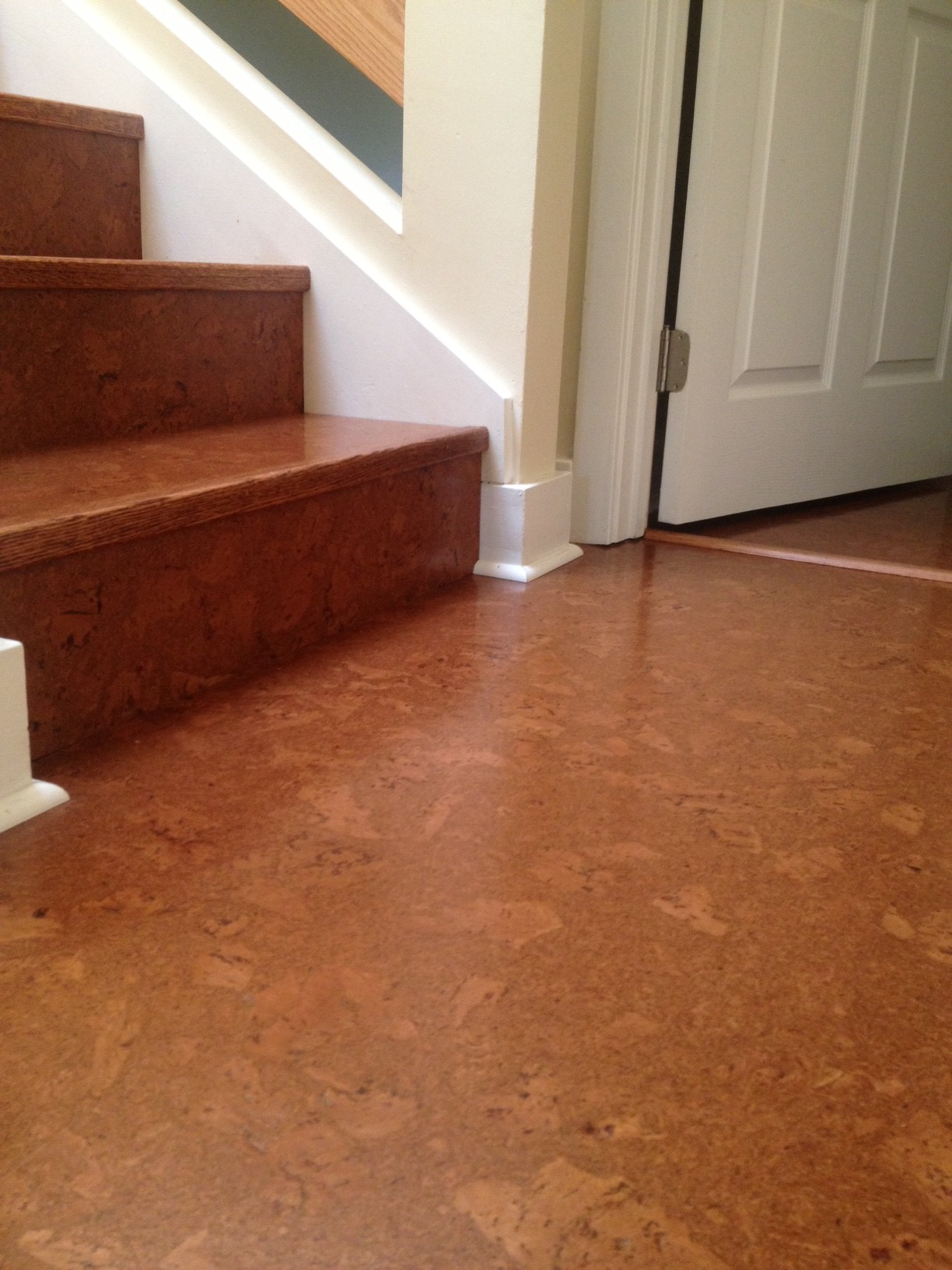
Long-Term Performance After Three Years
Durability exceeded my expectations despite initial concerns about cork’s softness and basement environment challenges. High-traffic areas show minimal wear after three years of regular family use, including children’s activities and exercise routines. The natural resilience allows cork to bounce back from compression, maintaining its original appearance and texture. Minor scratches blend naturally with cork’s grain pattern, making them virtually invisible during normal use.
Moisture resistance proved effective throughout seasonal humidity changes and occasional basement dampness events. The protective finish successfully prevents water penetration during minor spills or humidity spikes. I’ve experienced no mold, mildew, or swelling issues that I initially feared might develop over time. Regular maintenance of the protective coating maintains this moisture resistance, ensuring continued performance in challenging basement conditions.
Aesthetic appeal remains consistent with minimal fading or discoloration after three years of basement lighting exposure. The natural cork texture continues providing visual interest and warmth that synthetic alternatives can’t match. Color variations within individual tiles create organic patterns that hide minor wear or soil better than solid-colored flooring materials. This enduring beauty justifies the initial investment and installation effort required for successful cork flooring installation.
Is cork flooring suitable for basements with occasional moisture issues?
Cork flooring can work in basements with proper moisture management and quality installation techniques. I’ve successfully used cork in my basement by addressing underlying moisture sources, installing proper vapor barriers, and maintaining protective finishes. Modern cork flooring includes moisture-resistant treatments that handle normal basement humidity levels effectively. However, areas with standing water or severe moisture problems need resolution before cork installation. Regular maintenance of protective coatings ensures continued moisture resistance over time.
How does cork flooring compare to other basement flooring options in terms of cost?
Cork flooring costs more initially than vinyl, laminate, or basic carpet but offers better long-term value through durability and comfort benefits. My cork installation cost approximately 30% more than mid-grade alternatives but provides superior insulation, comfort, and environmental benefits. When considering lifespan, maintenance requirements, and comfort improvements, cork’s total cost of ownership becomes competitive with other quality flooring options. The unique benefits justify the premium price for spaces where comfort and air quality matter significantly.

Can cork flooring handle heavy furniture and exercise equipment in basement spaces?
Cork flooring supports heavy furniture and equipment remarkably well due to its natural resilience and recovery properties. I have exercise equipment, storage shelving, and workshop tools on my cork floors without permanent damage or indentations. The key is using furniture pads to distribute weight and prevent point loading that could cause compression marks. Cork’s cellular structure allows it to bounce back from compression better than many hardwood or laminate options, making it suitable for multi-purpose basement spaces.
What maintenance schedule should I follow to keep basement cork flooring in good condition?
Daily sweeping and weekly damp mopping with cork-specific cleaners maintain optimal appearance and protection. I reapply protective polyurethane finish every two years to maintain moisture resistance and surface durability in basement conditions. Monthly deep cleaning with specialized products removes accumulated dirt without damaging the protective finish. Prompt spill cleanup and furniture pad usage prevent most damage, while seasonal humidity monitoring ensures environmental conditions remain within cork’s optimal range for basement installations.

Does cork flooring provide adequate insulation for cold basement concrete floors?
Cork flooring significantly improves basement floor insulation compared to tile, vinyl, or bare concrete surfaces. The natural cellular structure provides excellent thermal barrier properties that keep floors comfortable for barefoot walking year-round. I notice substantial temperature differences between cork areas and adjacent tile surfaces in my basement. Combined with proper underlayment, cork creates comfortable environments that encourage basement use during cold months. The insulation benefits also contribute to overall basement energy efficiency and comfort levels.
How do I handle repairs or replacement of damaged cork tiles in basement installations?
Individual cork tiles can be replaced relatively easily when damage occurs, making repairs straightforward compared to sheet flooring materials. I keep extra tiles from my original installation for future repair needs, ensuring perfect color and texture matching. Damaged tiles lift out with careful prying, and new tiles fit into existing spaces with minimal preparation. Blending repair areas requires matching the protective finish application to surrounding tiles. This repairability makes cork practical for basement spaces where occasional damage might occur from activities or equipment.
75 Cork Floor Basement Ideas Youu0027ll Love – June, 2022 Houzz
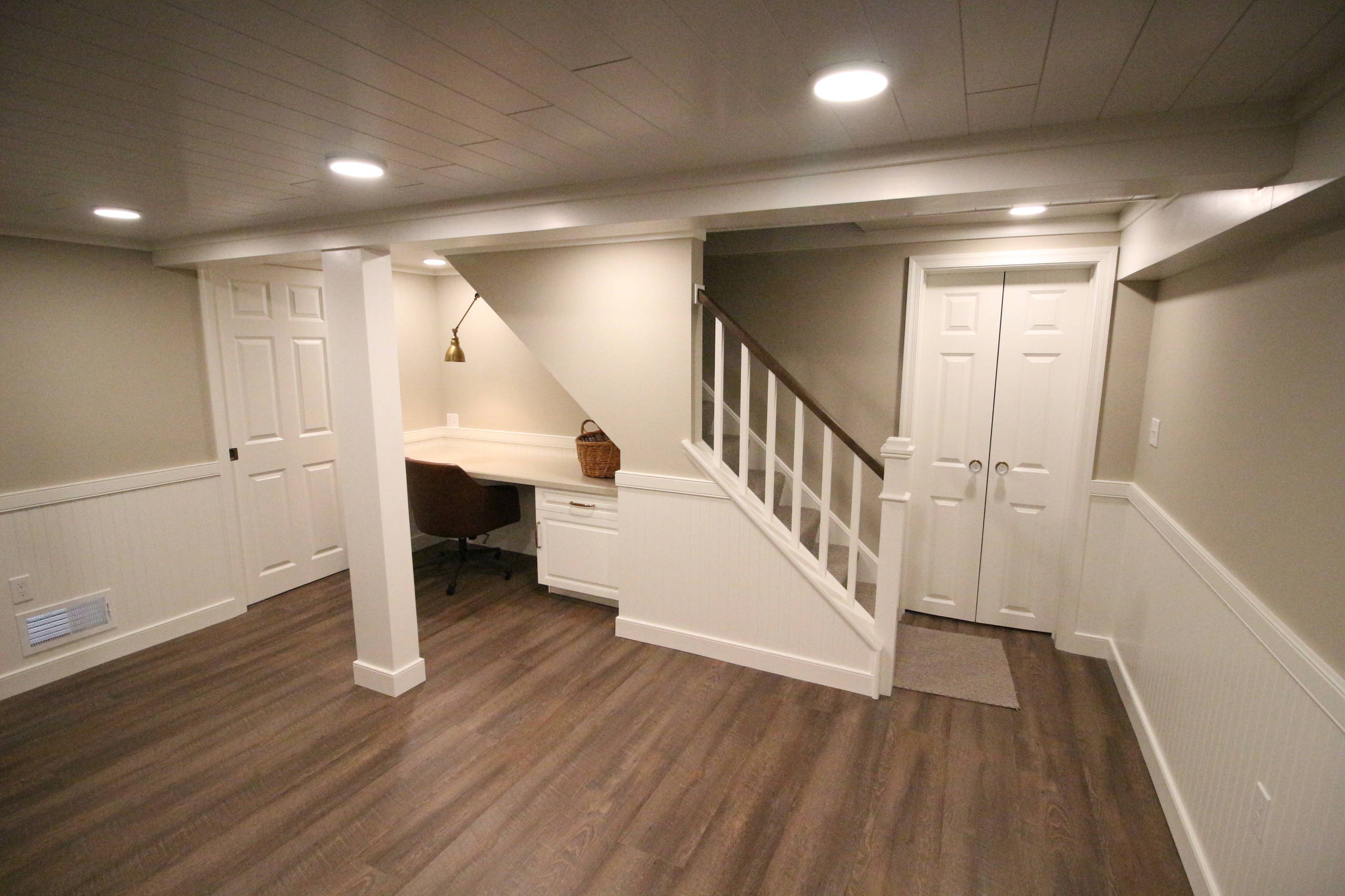
Cork Floor Basement Ideas
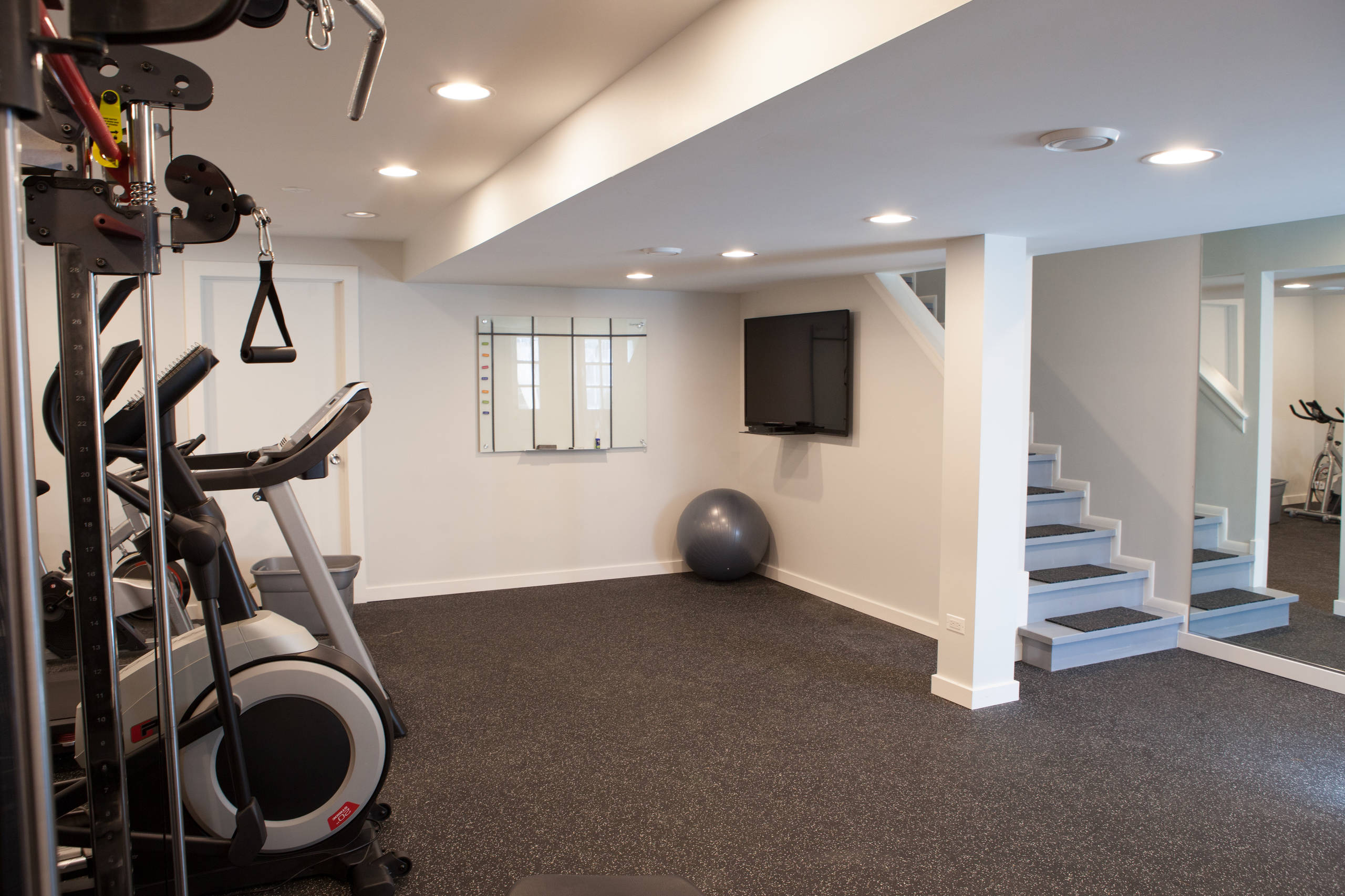
Cork Soundproofing Does Cork Have Acoustic Properties?

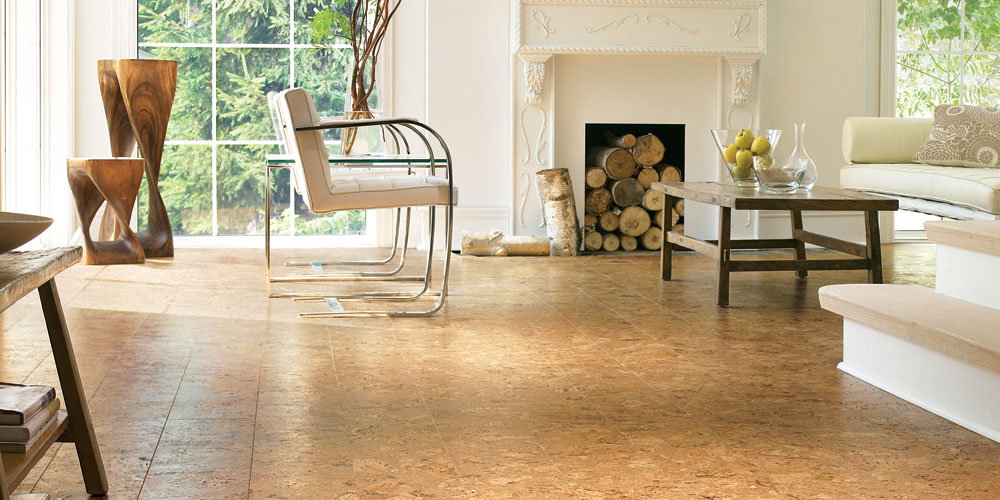
BENEFITS OF CORK FLOORING – Outer Banks Floor Covering
Related Posts: