When I first considered installing wood laminate flooring in my guest bathroom three years ago, I received numerous warnings from friends and family about potential moisture damage and warping issues. Traditional thinking said that any wood-based product in a bathroom was asking for trouble, but I was determined to achieve that warm, spa-like aesthetic without the cost of real hardwood or the coldness of tile. After extensive research and careful product selection, I made the decision to invest in waterproof laminate flooring, specifically designed for use in moisture-prone areas. The results have been mixed, and I’ve learned valuable lessons about when laminate works in bathrooms and when it doesn’t. Let me share my honest experience to help you decide if this flooring option makes sense for your bathroom renovation.
Understanding Waterproof vs Water-Resistant Laminate
The biggest lesson I learned is that not all laminate flooring is suitable for bathrooms, even if it claims to be water-resistant. I made the mistake initially of choosing regular laminate with moisture protection, thinking it would be adequate for my powder room. Within six months, I noticed slight swelling around the toilet base where occasional splashes occurred. This taught me the crucial difference between water-resistant and truly waterproof laminate flooring options.
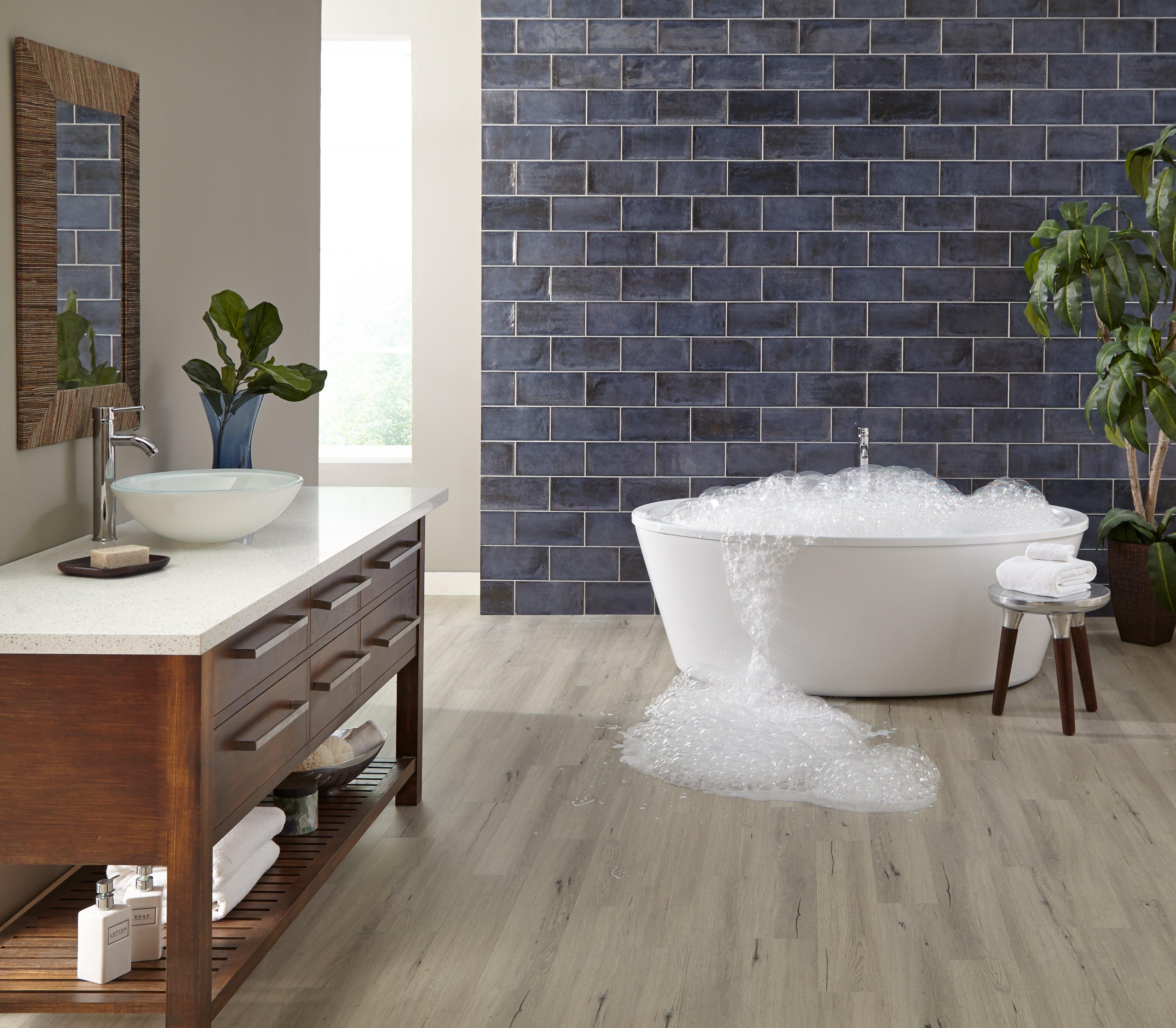
When I replaced that failed installation, I invested in genuine waterproof laminate with a rigid core construction. This newer technology uses stone plastic composite or wood plastic composite cores that won’t absorb moisture at all. The planks have completely sealed edges and waterproof click-lock systems that prevent water from seeping through joints. The difference in performance has been remarkable, with no swelling or damage after two years in a high-humidity environment.
The key is understanding the construction differences. Traditional laminate has a wood fiber core that will eventually absorb moisture, even with protective coatings. Waterproof versions use synthetic cores that are completely impervious to water. While they cost about 30% more than standard laminate, the peace of mind and durability make the extra investment worthwhile for bathroom applications. I wish I’d understood this distinction before my first installation attempt.
Installation Challenges in Bathroom Spaces
Installing laminate flooring in a bathroom presents unique challenges that I didn’t fully appreciate until I was in the middle of the project. The irregular shapes around toilets, vanities, and doorways require precise measuring and cutting that’s more complex than typical room installations. I spent considerable time creating cardboard templates for complicated cuts, which saved me from wasting expensive planks on measurement errors.
Moisture barriers become critical in bathroom installations, even with waterproof laminate. I learned to install a vapor barrier beneath the subfloor and ensure all seams were properly sealed. The bathroom’s concrete slab had some moisture issues that weren’t apparent until after my first failed installation. Now I always test for moisture levels and address any subfloor problems before laying new flooring, regardless of the material’s waterproof claims.
The expansion gaps required around the perimeter need special attention in bathrooms. I had to be creative with transitions at doorways and careful about maintaining proper spacing around fixtures. Using color-matched caulk instead of traditional trim pieces worked better in tight spaces around toilets and vanities. The finished appearance looks seamless while still allowing the necessary room for seasonal expansion and contraction of the laminate planks.

Daily Maintenance and Cleaning Routines
Living with laminate flooring in a bathroom requires developing good cleaning habits that protect the surface while maintaining its appearance. I quickly learned that standing water, even on waterproof laminate, can leave spots and affect the finish if left too long. My daily routine includes wiping up splashes immediately and using bath mats strategically to prevent water from reaching the floor in the first place.
Weekly deep cleaning involves more than just mopping. I use a pH-neutral cleaner specifically designed for laminate floors, avoiding harsh chemicals that can dull the protective coating. Steam cleaning seemed like a good idea initially, but I discovered that excessive heat can damage the printed surface layer even on waterproof products. A damp mop with a proper cleaner gives better results and protects the floor’s longevity.
The textured surface of my wood-look laminate does an excellent job of hiding everyday dust and minor water spots, but it requires different cleaning techniques than smooth surfaces. I use a microfiber mop that gets into the texture grooves without scratching the surface. Monthly maintenance includes checking all seams and edges for any signs of moisture penetration, which allows me to address small issues before they become major problems.
Comfort and Temperature Benefits
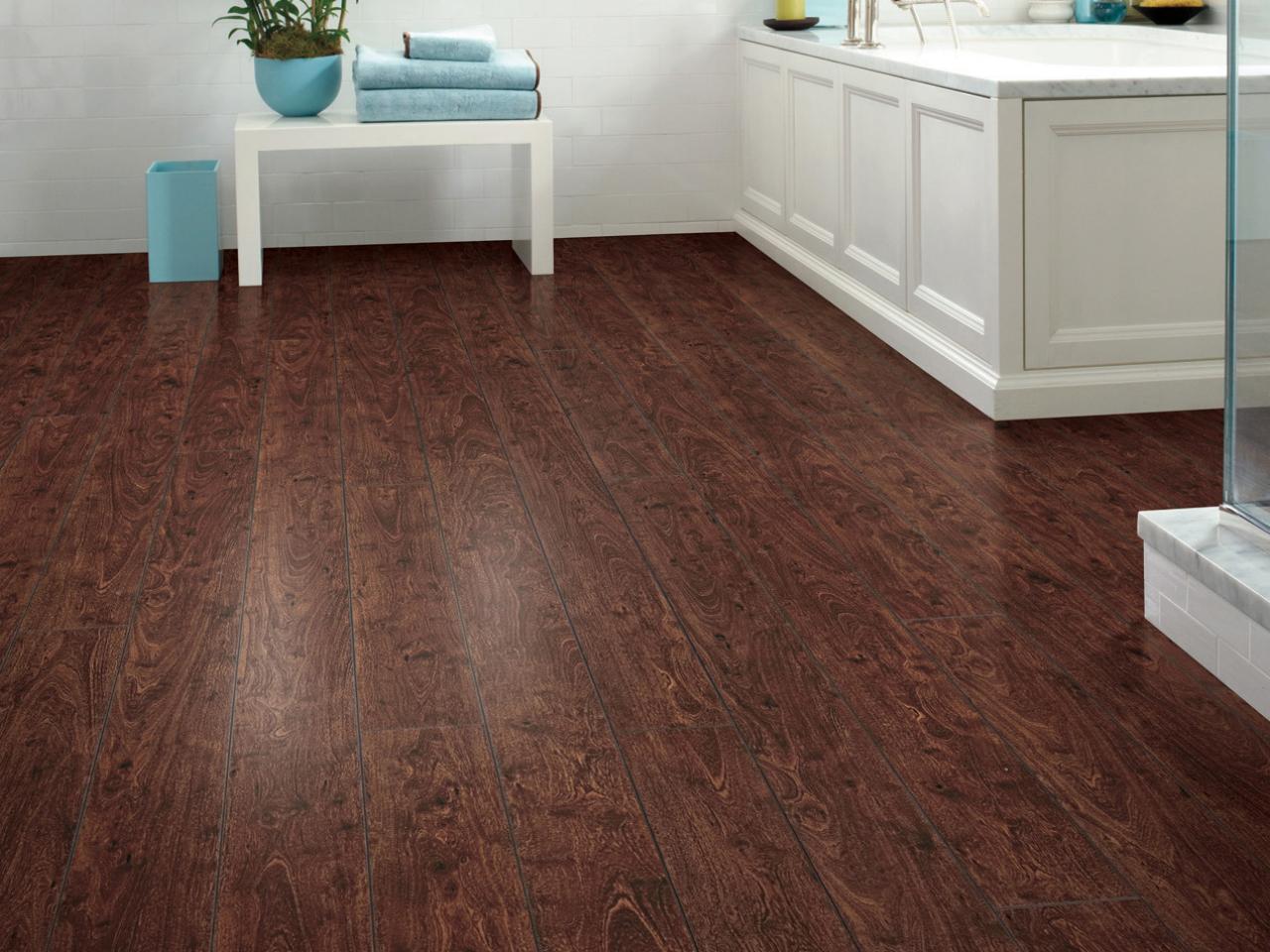
One of the biggest advantages of laminate flooring in bathrooms is the comfort factor compared to traditional tile surfaces. The synthetic core provides some insulation value, making barefoot walking much more pleasant, especially during the winter months. Unlike ceramic tile, laminate doesn’t feel shockingly cold first thing in the morning, which has been a daily comfort improvement I didn’t anticipate.
The surface texture of wood-look laminate also provides better traction than smooth tiles when wet. I chose a variant with subtle grain texture that looks authentic while providing slip resistance. This has been particularly important in my kids’ bathroom, where wet feet and rushing are common combinations. The grip is noticeable without being rough or uncomfortable for bare feet.
Sound absorption is another unexpected benefit. The laminate flooring significantly reduced the hollow, echoing sounds that came from the previous tile installation. Footsteps are much quieter, and dropped items don’t create the sharp sounds that used to wake up family members during nighttime bathroom visits. This acoustic improvement has enhanced the overall comfort and privacy of the bathroom space.
Cost Comparison and Long-term Value
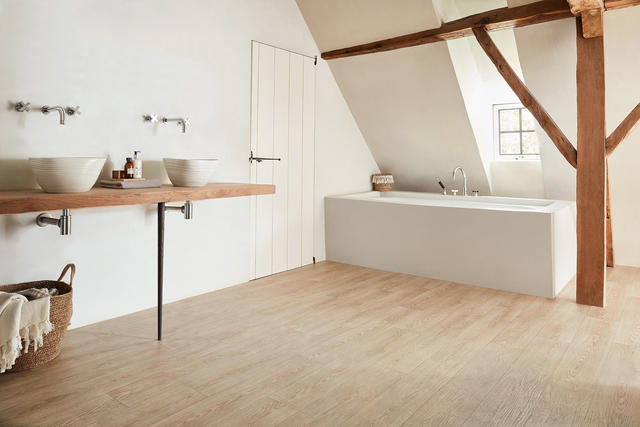
The financial aspect of bathroom laminate flooring presents interesting considerations when compared to traditional bathroom flooring options. High-quality waterproof laminate costs significantly less than ceramic or porcelain tile when you factor in installation labor. I paid about $4 per square foot for premium waterproof laminate versus estimates of $8-12 per square foot for comparable tile work, including professional installation costs.
However, the long-term value equation is more complex. While my laminate has performed well for two years, ceramic tile would likely last decades with minimal maintenance. Laminate flooring, even waterproof versions, will eventually need replacement as the surface wear layer shows signs of aging. I estimate getting 10-15 years from this installation with proper care, compared to 20-30 years from quality tile work.
The replacement factor actually works in the laminate’s favor for those who like updating their home’s appearance. When I’m ready for a change, removing and replacing laminate flooring is much easier and less expensive than tile replacement. This flexibility allows for more frequent updates without major renovation costs. For bathrooms that might be remodeled periodically, laminate provides good performance without the permanent commitment of tile installation.
Moisture Management and Ventilation Needs
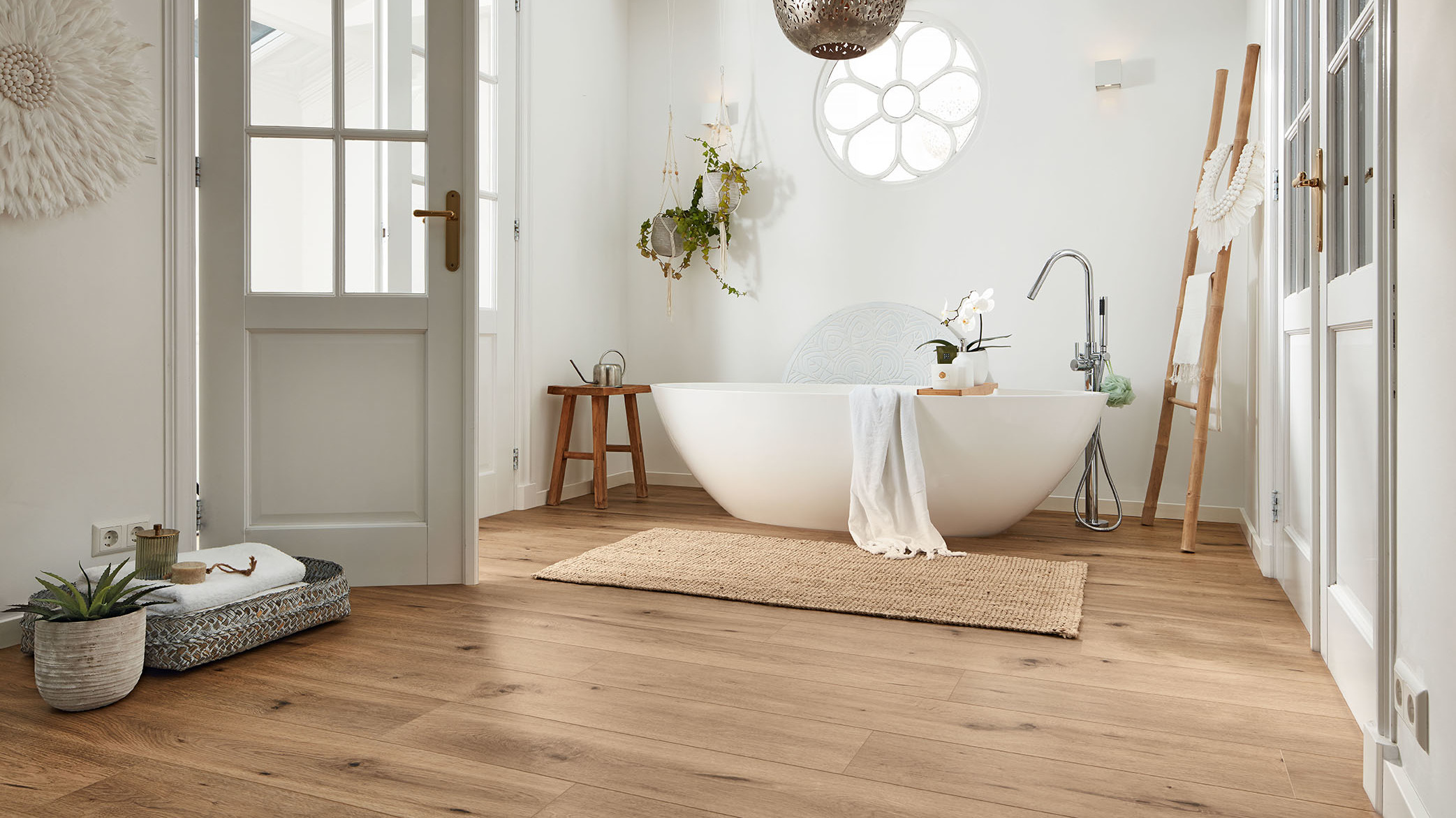
Proper ventilation became even more critical with laminate flooring than it was with my previous tile installation. While the flooring itself is waterproof, the surrounding materials and subfloor still need protection from excessive humidity. I upgraded my exhaust fan to a more powerful model and added a timer switch to ensure adequate air circulation after showers and baths.
Monitoring humidity levels has become part of my routine maintenance. I use a simple hygrometer to track bathroom humidity and make sure it returns to normal levels within an hour of shower use. Consistently high humidity can cause problems with trim pieces, wall materials, and even affect the laminate’s expansion and contraction patterns. Good ventilation protects the entire bathroom, not just the flooring.
I’ve also learned to be more mindful about water management around the floor edges. Caulking around the toilet base, vanity, and doorway transitions requires periodic inspection and maintenance. Any gaps or cracks can allow moisture to reach the subfloor, potentially causing problems even with waterproof surface materials. This ongoing maintenance is minimal but essential for long-term success with bathroom laminate installations.

Is waterproof laminate flooring really safe for bathrooms?
In my experience, genuine waterproof laminate with rigid cores works well in bathrooms when properly installed. The key is choosing products specifically designed for wet areas, not just water-resistant options. I’ve had success for over two years with no moisture damage, but proper ventilation is still essential.
How does the cost of bathroom laminate compare to tile?
I paid about half the cost of ceramic tile installation. Quality waterproof laminate runs $3-5 per square foot installed, while comparable tile work costs $7-12 per square foot. However, tile lasts longer, so the long-term value depends on how often you plan to update your bathroom.

Can I install laminate flooring around a toilet myself?
Yes, but it requires patience and precise measuring. I created cardboard templates for complex cuts and took my time getting the fit right. The waterproof caulk around the toilet base is crucial for preventing moisture issues. Consider professional help if you’re not comfortable with detailed cutting work.
What maintenance does bathroom laminate flooring require?
Daily wiping of splashes, weekly mopping with laminate-specific cleaners, and monthly inspection of seams and edges. Avoid steam cleaners and harsh chemicals. Good ventilation is essential to prevent humidity buildup. Overall, it’s less maintenance than I expected, but consistency is important.

How long will laminate flooring last in a bathroom?
Based on manufacturer warranties and my research, I expect 10-15 years with proper care. This is less than ceramic tile but allows for easier updates. The surface wear layer will show signs of aging before moisture becomes an issue if you choose quality waterproof products and maintain them properly.
Does laminate flooring feel cold like tile in bathrooms?
Not at all, which was a pleasant surprise. Laminate feels much warmer underfoot than ceramic tile, especially in winter. The synthetic core provides some insulation value, making barefoot walking comfortable year-round. This comfort factor has been one of my favorite aspects of the installation.

Is Laminate Flooring a Good Choice for Your Bathroom?

Exclusive Water Resistant and Waterproof Floors
Can Laminate Flooring Be Installed in A Bathroom?
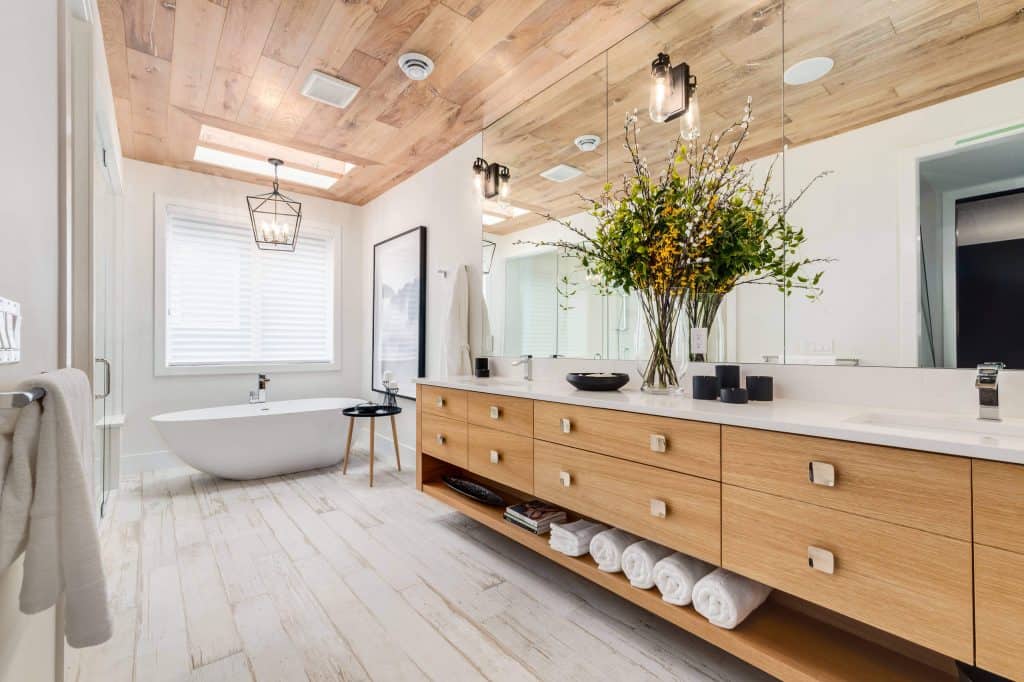
Beautiful Bathrooms With Wood Laminate Flooring
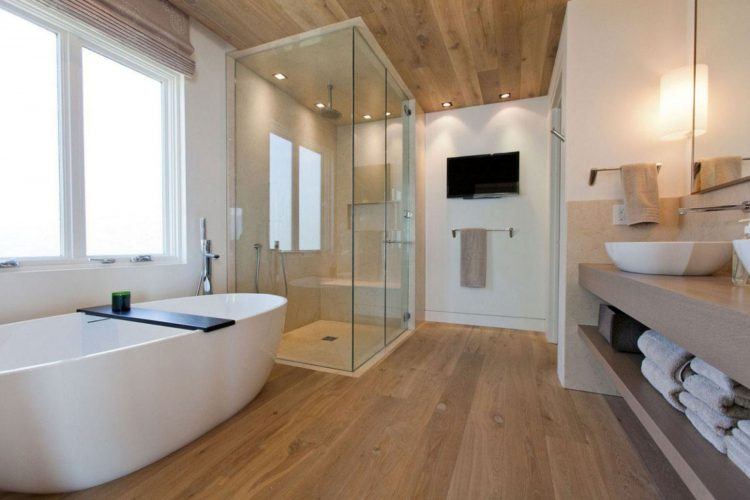
Choose the perfect bathroom floor

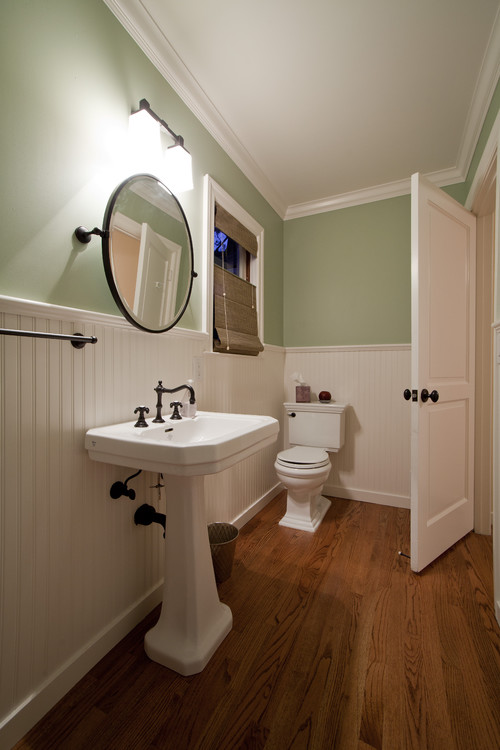
Can I Install Laminate Under A Bathroom Toilet and Sink?
Related Posts: