When I was renovating my living room on a budget, I kept falling in love with walnut hardwood floors I couldn’t afford. That’s when a flooring store employee pointed me toward walnut laminate, and honestly, it changed everything. The rich, dark tones and realistic wood grain looked so close to the real thing that even my most opinionated family members were fooled. If you’re weighing your options and walnut is calling your name, let me share what I’ve learned from choosing it, installing it, and living with it every day.
Why Walnut Laminate Looks So Good These Days
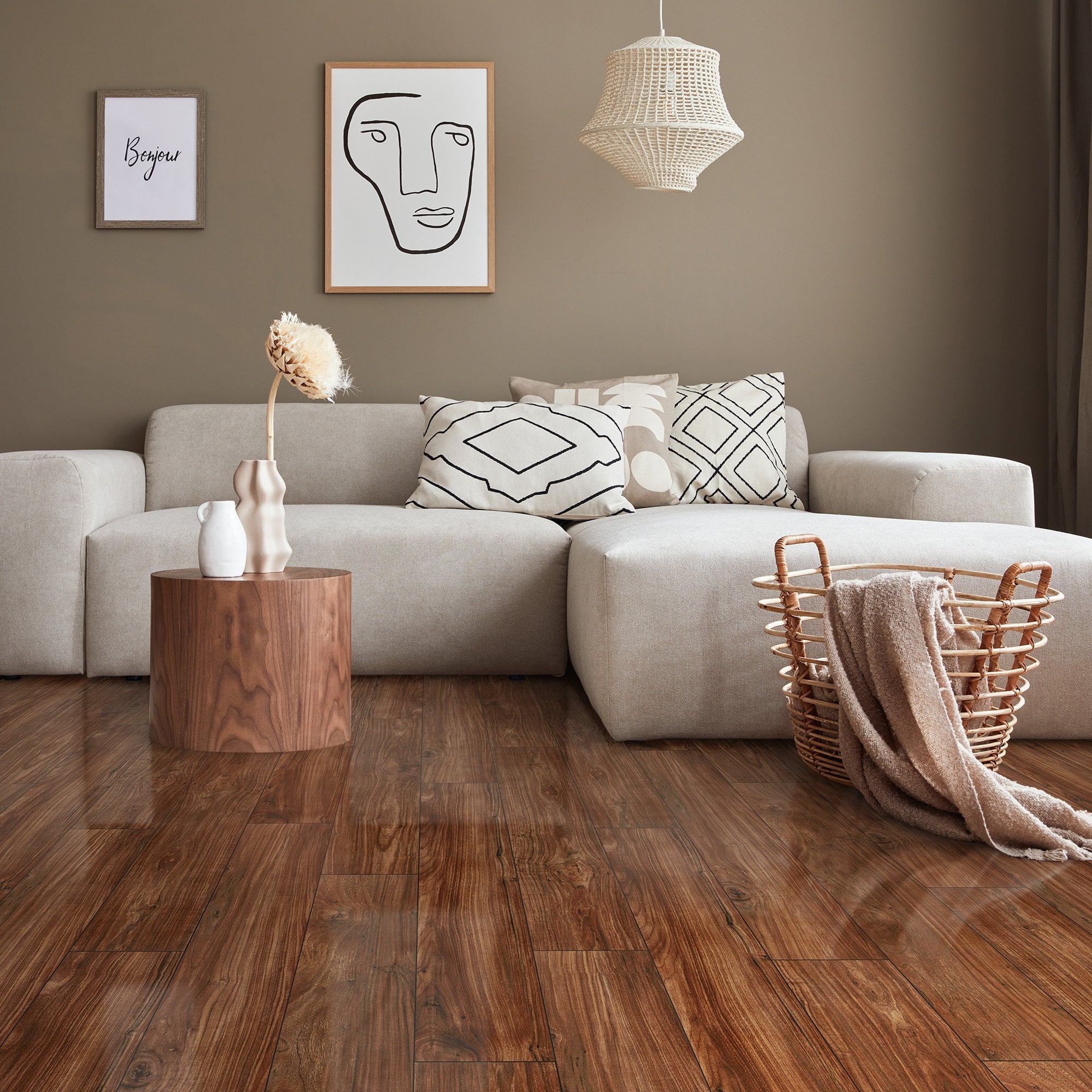
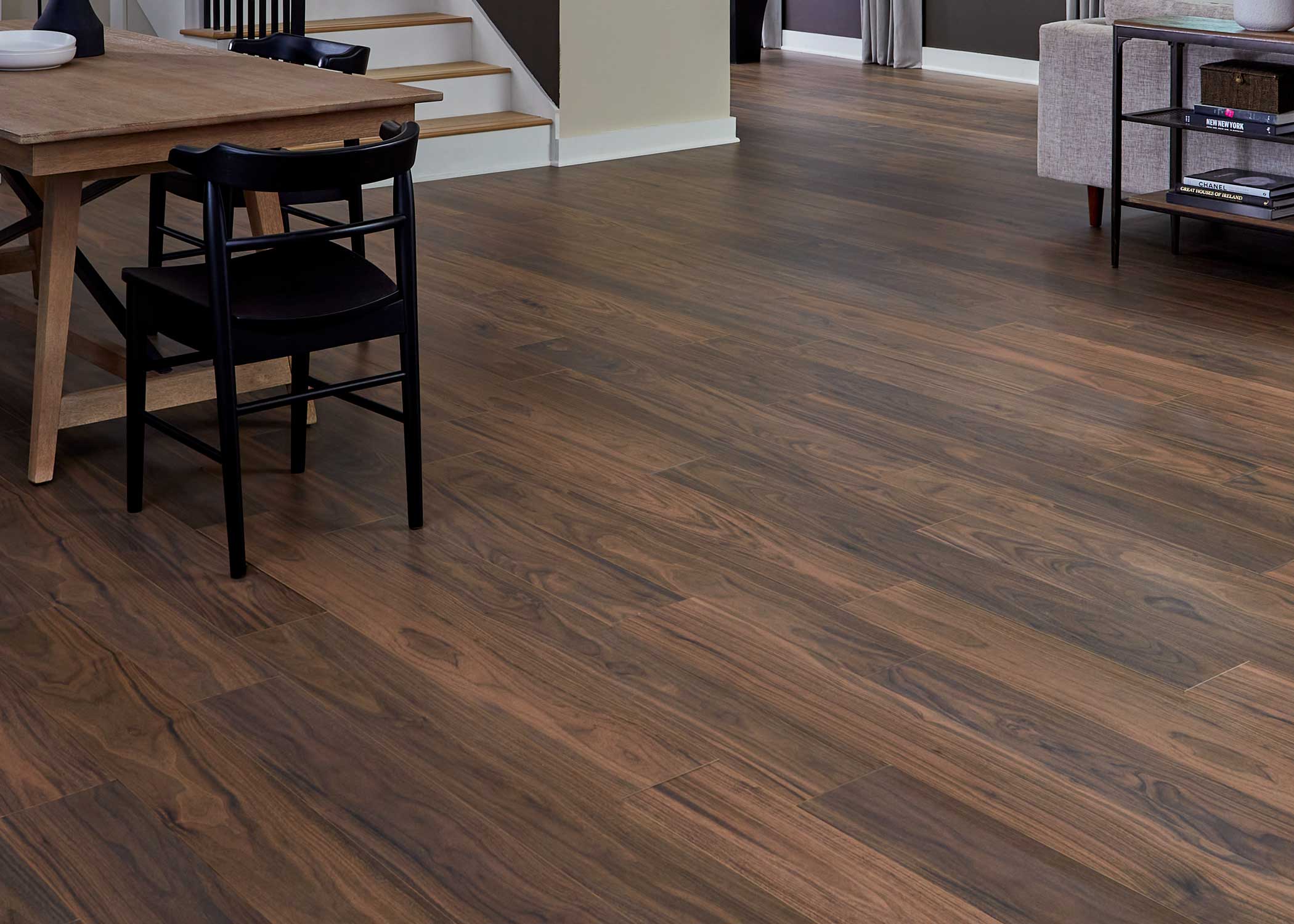
When most people picture laminate flooring, they think of the cheap, plasticky stuff from the 1990s that fooled nobody. Modern walnut laminate is a completely different product. High-definition printing technology now reproduces the deep, chocolatey grain patterns of real walnut with impressive accuracy, and embossed textures make the surface feel closer to actual wood underfoot.
What really sold me was the variation between planks. The walnut laminate I chose had enough color and grain differences from board to board that it looked natural rather than repetitive. Cheaper options tend to repeat the same few patterns too frequently, which is a dead giveaway. Spending a little more on a quality product with a larger pattern repeat is absolutely worth it.
The finish matters too. Matte and satin finishes read as far more realistic than high-gloss options, which tend to look artificial under direct light. I went with a low-sheen finish and the difference compared to the glossy samples I considered was dramatic. If you want walnut laminate to pass for the real thing, always go matte.
Understanding AC Ratings and Wear Layer Thickness
One thing I wish someone had explained to me earlier is the AC rating system for laminate flooring. AC stands for Abrasion Class, and it rates how much wear and traffic a floor can handle. Ratings go from AC1 to AC5, and for a residential living area, AC3 is the minimum I’d recommend. For high-traffic areas or households with pets, AC4 gives you more peace of mind.
The wear layer is the clear protective coating over the printed design, and its thickness directly affects how long your floor stays looking new. Thinner wear layers scratch and dull faster. I made sure the walnut laminate I installed had a solid AC4 rating, and after two years of kids, a dog, and regular furniture dragging, the surface still looks great.
Don’t confuse overall plank thickness with wear layer thickness. A 12mm plank feels more solid underfoot and reduces noise, but that measurement includes the core and backing, not just the protective layer. Always ask specifically about the wear layer and AC rating when comparing products, because those numbers tell you far more than thickness alone.
The Color Palette of Walnut Laminate and How to Choose
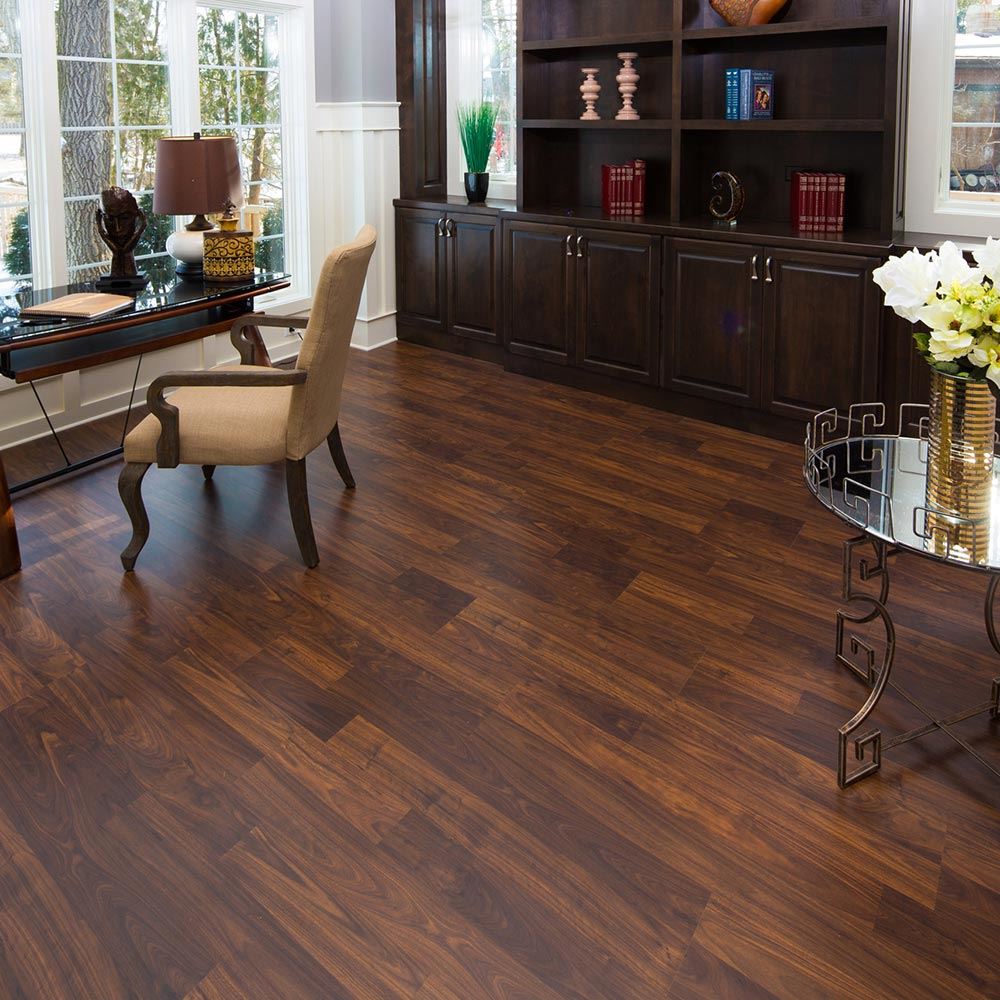
Walnut laminate comes in a wider range of tones than you might expect. True walnut ranges from pale golden brown to deep espresso, and laminate manufacturers have leaned into that variety. When I was shopping, I found everything from light, ashy walnut tones to nearly black options, plus plenty of warm mid-range browns in between.
Lighting plays a huge role in how walnut laminate reads in your space. I brought home four samples and laid them on my actual floor in different corners of the room at different times of day. The sample that looked perfect in the store looked almost orange in my south-facing living room by afternoon. Natural light changes everything, so always test samples at home before committing.
Consider your existing furniture and wall colors before deciding. Walnut’s warm undertones pair beautifully with creamy whites, warm grays, and earthy greens. I had cool gray walls when I installed mine and had to repaint because the contrast felt harsh. Once I shifted to a warmer greige, the whole room came together. The floor itself was perfect, I just needed the rest of the room to catch up.
Installing Walnut Laminate Yourself: What You Need to Know
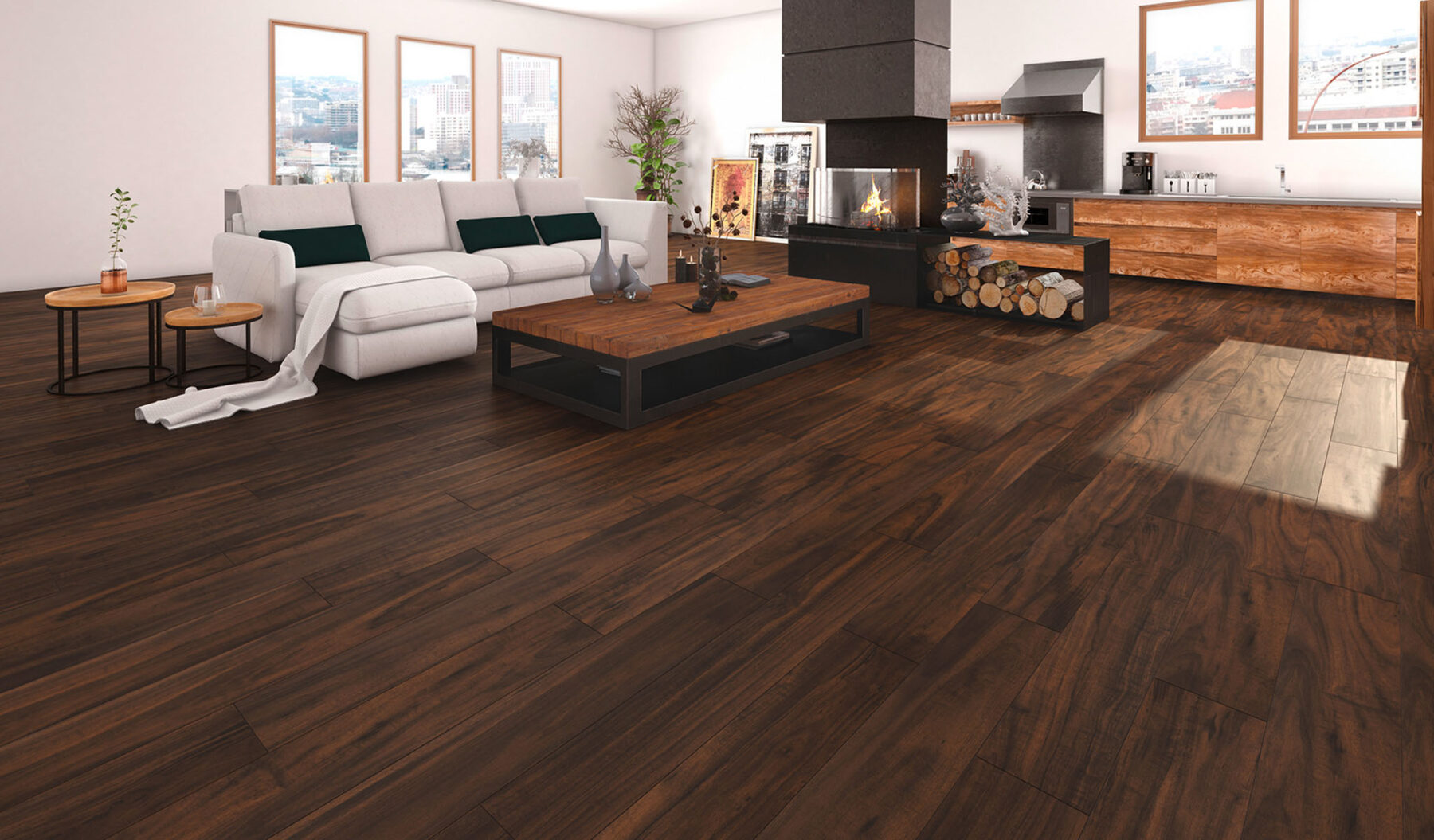
One of the biggest advantages of laminate over real hardwood is how DIY-friendly installation is. Most walnut laminate uses a click-lock system that snaps planks together without glue or nails. I installed my living room floor solo over a weekend with basic tools, and the result looked completely professional.
Acclimation is still important even with laminate. I left my boxes flat in the room for 48 hours before opening them, then let the planks breathe for another day. Laminate expands and contracts with humidity changes, and skipping this step can cause buckling or gapping after installation. It feels like an unnecessary delay when you’re excited to get started, but trust me on this one.
Underlayment is something first-timers often overlook. A quality underlayment cushions the floor, reduces noise, and adds a slight insulating effect. Some walnut laminate comes with underlayment pre-attached, which is convenient but doesn’t always offer the best performance. I used a separate 3mm foam underlayment with a moisture barrier, and the floor feels noticeably softer and quieter than laminate I’ve walked on without it.
How Walnut Laminate Holds Up to Real Life
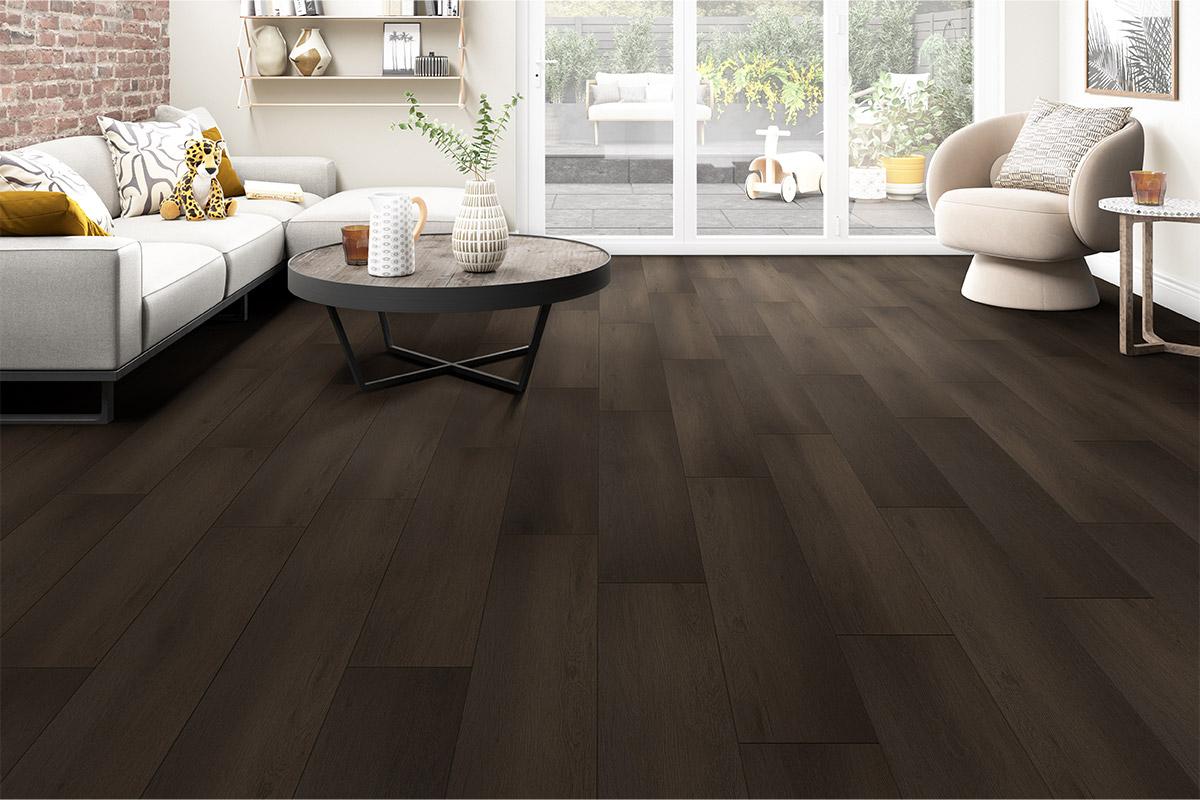
I was genuinely nervous about how my walnut laminate would handle daily life with two young kids and a medium-sized dog. Two years in, I can honestly say it has performed better than I expected. The dark walnut tone is forgiving with dirt and the textured surface doesn’t show every scuff the way a smooth, light floor would.
Scratches are the most common complaint with laminate, and walnut is no exception. Deep scratches are difficult to repair without replacing the plank entirely. That said, the AC4 rating has kept surface scratches minimal for us. I keep felt pads under all furniture legs and trim my dog’s nails regularly, and those two habits alone have made a real difference.
Moisture is where laminate has its limits. I had a slow leak under my kitchen sink that went unnoticed for a few days, and the planks near the cabinet swelled slightly. They never fully recovered. Laminate is water-resistant on the surface but not waterproof at the edges or underneath. For kitchens and bathrooms, I’d look at waterproof core laminate or a quality luxury vinyl plank instead.
Long-Term Care and Getting the Most Out of Your Floor
Caring for walnut laminate is genuinely easy, which is one of the things I appreciate most about it. A dry microfiber mop handles daily dust and pet hair beautifully. For deeper cleaning, a lightly dampened mop with a laminate-specific cleaner is all you need. I clean mine thoroughly once a week and it consistently looks fresh.
Avoid wet mopping at all costs. Standing water on laminate seeps into the joints and causes swelling over time. I learned this the hard way when I got overly enthusiastic with a mop bucket early on. Now I wring out the mop until it’s barely damp and always dry any wet spots immediately. The floor has looked great since I adjusted my habits.
Laminate can’t be refinished the way hardwood can, so protecting the surface from day one is important. Area rugs in high-traffic zones help a lot, and I use a doormat at every entry point to cut down on grit being tracked across the floor. Grit and small debris act like sandpaper underfoot, and regular sweeping keeps that damage to a minimum. With basic care, walnut laminate can look beautiful for 15 to 25 years without much fuss.

Is walnut laminate flooring a good option for families with kids and pets?
In my experience, yes. The dark tones and textured surface hide everyday dirt and light scuffs far better than lighter or high-gloss floors. Kids and pets are tough on any floor, but a solid AC4-rated walnut laminate handles the daily chaos well. Just keep felt pads under furniture and clean up spills quickly, and you’ll be in great shape.
Can walnut laminate be installed in kitchens or bathrooms?
Standard laminate isn’t ideal for bathrooms, and I’d be cautious in kitchens too. It resists surface moisture well, but water that gets into the seams causes swelling and warping. If you love the walnut look and need it in a wet area, look specifically for waterproof core laminate products. They offer the same aesthetic with a core that handles moisture much better.
How does walnut laminate compare in cost to real walnut hardwood?
It’s significantly more affordable. Real walnut hardwood is one of the pricier domestic wood species, and installation adds considerably to that cost. Walnut laminate gave me the same rich look at a fraction of the price. For large areas or tight budgets, the savings are substantial enough to make a real difference in what you can afford to do with the rest of the room.
Can I install walnut laminate over existing flooring?
Often yes, as long as the existing floor is flat, firm, and not too thick. I installed mine over old vinyl tile and it worked perfectly after I checked for level spots. Avoid installing over carpet or any surface with flex or give. The click-lock system needs a solid base to perform well. Always check the manufacturer’s guidelines, since recommendations vary by product.
How long does walnut laminate flooring last?
With proper care, quality walnut laminate lasts 15 to 25 years. The wear layer and AC rating are the biggest factors in longevity. I’ve had mine for two years and it still looks nearly new. Regular sweeping, avoiding excess moisture, and using furniture pads go a long way. Unlike hardwood, it can’t be refinished, so protecting the surface from day one really matters.
Does walnut laminate feel different underfoot than real hardwood?
It does feel slightly different, especially without good underlayment. Laminate over a thin or missing underlayment can sound hollow and feel less substantial. With a quality 3mm foam underlayment, the difference narrows considerably. It won’t feel identical to solid hardwood, but most guests in my home have no idea what they’re walking on, and that’s good enough for me.
Related Posts: