When I started researching flooring options for my dining room, bamboo laminate kept coming up as this exciting middle ground between affordability and style. It looked like real bamboo, cost a fraction of solid bamboo flooring, and promised durability that traditional laminate couldn’t always deliver. I was intrigued but cautious, so I did a deep research run before committing. Now, after living with bamboo laminate for nearly three years, I have plenty of honest thoughts to share, the good, the practical, and the things I’d want a friend to tell me before I started.
What Bamboo Laminate Flooring Actually Is
I’ll be honest, I was a little confused about what bamboo laminate actually meant when I first started shopping. True bamboo flooring is made from compressed bamboo stalks and is technically a grass, not a wood. Bamboo laminate, on the other hand, is a standard laminate construction with a photographic bamboo print layer on top, sealed under a protective wear layer. It looks like bamboo but isn’t made from it.
That distinction matters because it affects performance expectations. Bamboo laminate behaves like all other laminate flooring. The core is typically high-density fiberboard, which means it can be vulnerable to moisture if not properly managed. The bamboo appearance is printed and laminated, so it can’t be sanded or refinished the way solid bamboo can. What you install is what you have for the life of the floor.
Knowing this actually made me more comfortable with my purchase, not less. I wasn’t expecting solid bamboo performance from a laminate product, and I could evaluate it fairly on its own merits. Once I understood what I was buying, I could focus on finding a high-quality version of it rather than comparing it unfairly to something it was never meant to be.
The Visual Appeal of Bamboo Laminate Styles
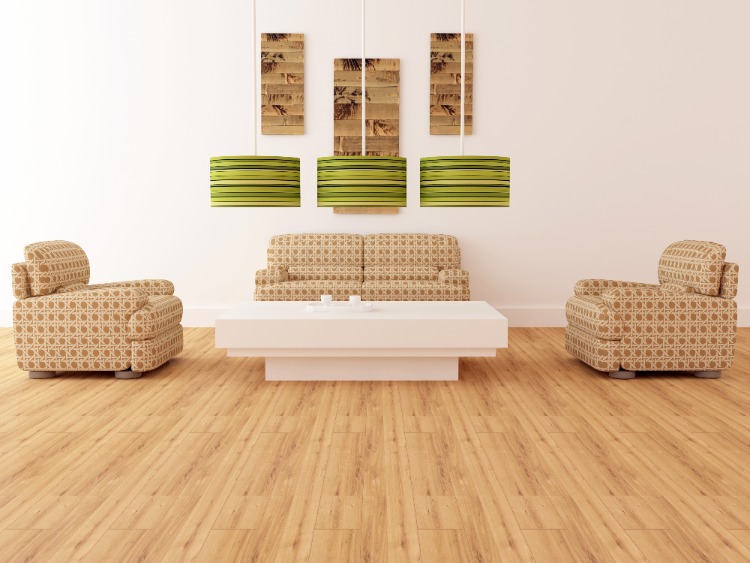
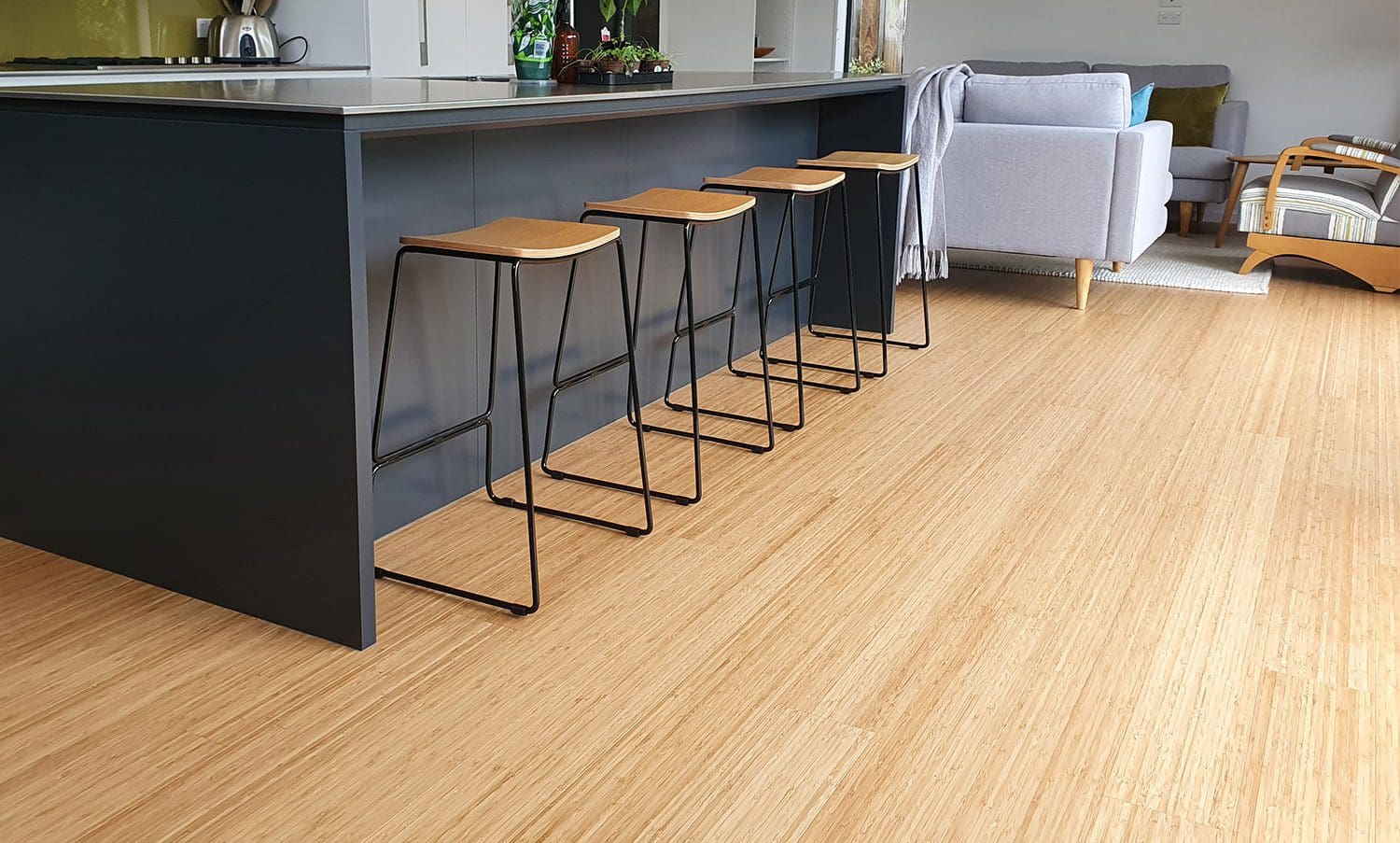
The reason bamboo laminate caught my eye in the first place was purely aesthetic. The bamboo print has this clean, linear grain pattern that looks more modern and minimalist than traditional wood grains. In my dining room, which has white walls and simple furniture, the bamboo laminate gave the space a calm, contemporary feel that oak or walnut wouldn’t have delivered in quite the same way.
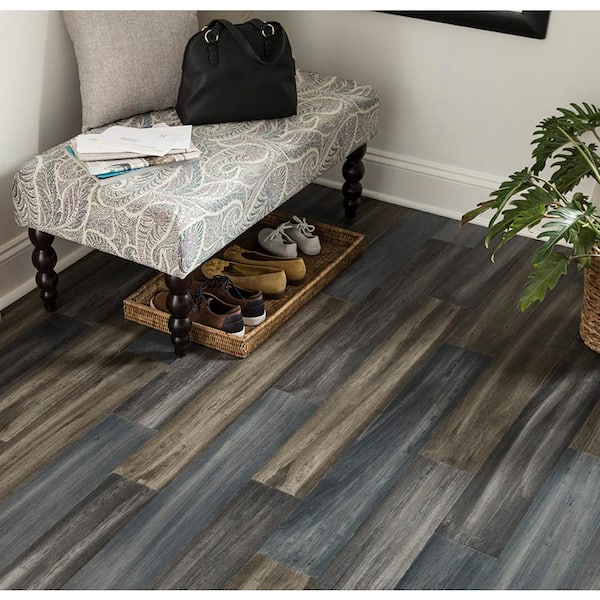
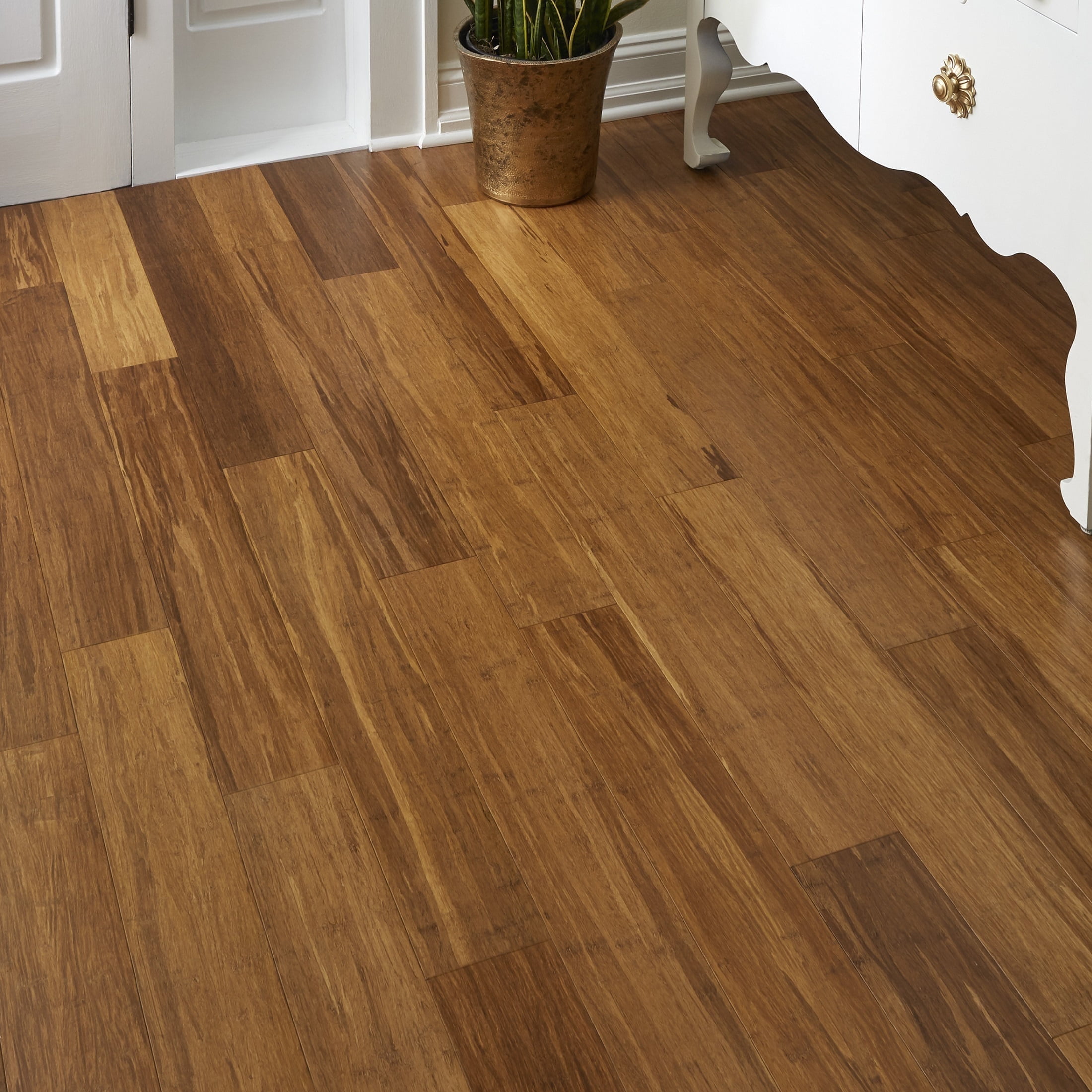
There’s a nice range of tones available. I went with a natural blonde tone that keeps things light and open. You can also find carbonized options that have been heat-treated for a darker, more caramel appearance, and there are gray-washed versions for a more coastal or Scandinavian look. I laid out samples in my room at different times of day before choosing, and that extra step saved me from picking the wrong tone for my lighting.
The plank width and length also vary by product, and wider planks tend to look more premium and modern. I chose a wider format because my dining room is a decent size and narrow planks would have made the floor look busy. In a smaller room or hallway, narrower planks can actually work really well and feel more proportionate. Take measurements and look at scaled photos of your space if you can before deciding on plank dimensions.
Durability and Wear Layer Thickness
One of the first things I learned when comparing laminate products is that wear layer thickness is the most important spec to check. It’s measured in AC ratings from AC1 to AC5, with AC3 being the minimum I’d recommend for a residential living or dining space. I went with AC4, which is rated for light commercial use and handles everyday household traffic very comfortably.
The wear layer on my bamboo laminate has held up through three years of regular dining room use, including chairs scraping daily and occasional spills. I haven’t seen any significant scratches or worn patches in the print layer, which I attribute partly to the AC4 rating and partly to using felt pads under all my chair legs. That combination has kept things looking great without much effort.
One realistic limitation is that laminate surfaces can’t be refinished when they eventually do show wear. When the wear layer is gone, the floor needs replacing. That’s the core tradeoff with laminate versus solid flooring. Given the lower upfront cost, I think of it as a ten to twenty year floor rather than a lifetime floor, and I budgeted and planned for it accordingly. That framing made the investment feel right for my situation.

Moisture Sensitivity and Where to Install It
Moisture is the conversation you have to have with yourself honestly before installing any laminate, bamboo-look or otherwise. The HDF core at the center of most laminate planks swells when it gets wet. I’ve seen forums full of horror stories from people who installed laminate in bathrooms or laundry rooms and ended up with bubbling, warped floors within a year. Don’t let that be you.
For my dining room, moisture risk is manageable. Spills happen at the table, but I wipe them up quickly and haven’t had any issues with the floor swelling. The key is response time. A spill left sitting for an hour is a very different situation than one wiped up within a few minutes. I keep a small towel nearby during meals with kids present, and it’s become second nature.
I wouldn’t install bamboo laminate in a bathroom, laundry room, or any space with regular water exposure. For kitchens it can work if you’re disciplined about spills and avoid installing right against a dishwasher or sink where slow leaks could go unnoticed for days. If moisture is a significant concern in the space you’re planning to floor, waterproof luxury vinyl plank is a much safer choice. Know your space before you commit.

Installing Bamboo Laminate as a DIY Project
Installing bamboo laminate myself was one of the more satisfying home projects I’ve done. The click-lock system used by most modern laminate products snaps together intuitively, and you don’t need specialized tools. A pull bar, tapping block, spacers for expansion gaps, and a miter saw for cuts are really all you need. I had my dining room done in a single Saturday with help from one friend.
Acclimation is a step I take very seriously after learning from past mistakes on another project. I left the unopened boxes of bamboo laminate in the room for forty-eight hours before starting. This lets the planks adjust to the temperature and humidity of your specific space. Skipping it risks gaps forming in dry winter air or buckling in humid summer months, both of which are painful to fix after the fact.
The subfloor prep took me longer than the actual installation. I checked for levelness with a long straightedge and used floor leveling compound on a couple of low spots. Bamboo laminate, like all floating floors, needs a flat subfloor to lay properly. High spots can cause plank edges to flex and click joints to stress over time. Forty-five minutes of prep saved me from potential problems down the road, and the finished floor feels rock solid underfoot.

Cleaning and Long-Term Maintenance
Routine maintenance for bamboo laminate is refreshingly simple. I dry mop or vacuum with a soft floor attachment three or four times a week to catch grit and dust before it can scratch the surface. That regular sweeping is honestly the single most effective thing you can do to keep any laminate floor looking new for years. Grit tracked in from shoes acts like fine sandpaper over time.
For deeper cleaning, I use a spray bottle with a diluted laminate-safe cleaner and a microfiber mop. I spray lightly directly on the mop head rather than on the floor, which keeps the amount of moisture minimal. I’ve never used a steam mop on it and wouldn’t recommend one. The heat and moisture from steam cleaners can damage laminate surfaces and swell the core over time, even on products that seem to handle it initially.
One thing I appreciate about bamboo laminate is how little specialized care it needs. There are no oils or waxes to apply, no seasonal refinishing, and no complicated product regimens. Keep it swept, clean spills immediately, and use a gentle cleaner occasionally. That’s genuinely all there is to it. For a busy household that doesn’t want to spend weekends maintaining floors, that simplicity is a real selling point worth appreciating.
Is bamboo laminate flooring waterproof?
No, bamboo laminate is not waterproof. The HDF core is vulnerable to moisture and will swell if water gets into the seams. Wipe up spills immediately and avoid wet mopping. It’s fine for dining rooms, living rooms, and bedrooms where moisture exposure is minimal and manageable. For bathrooms or kitchens with high spill risk, I’d recommend waterproof luxury vinyl plank instead for peace of mind.
How long does bamboo laminate flooring last?
With proper care, bamboo laminate typically lasts fifteen to twenty-five years in a residential setting. The wear layer thickness, measured by AC rating, is the biggest factor in longevity. I chose AC4 for my dining room and it’s held up beautifully for three years with no visible wear. High traffic areas may show wear sooner. Unlike solid flooring, laminate can’t be refinished, so replacement is the end-of-life option.
Is bamboo laminate flooring good for homes with kids and pets?
It works well with reasonable care. I have kids and a dog and my floor still looks great after three years. Use felt pads under furniture, keep pet nails trimmed, and clean spills quickly. The AC4 wear layer handles daily life well. Very large or energetic dogs may scratch the surface over time. Entry mats at doors help significantly by catching dirt and moisture before it reaches your floor.
How much does bamboo laminate flooring cost?
Bamboo laminate is one of the more affordable flooring options, typically ranging from one to four dollars per square foot for materials. Higher AC-rated products with thicker cores sit at the upper end. Add another one to three dollars per square foot for professional installation if you’re not going DIY. Compared to solid bamboo or hardwood, the savings are significant while still delivering an attractive, durable surface for most residential spaces.
Can bamboo laminate be installed over radiant heat?
Some bamboo laminate products are compatible with radiant heat systems, but not all. Check the manufacturer’s specifications carefully before purchasing. When compatible, keep floor temperatures at or below eighty-two degrees Fahrenheit and maintain stable humidity levels. Excessive heat dries out the HDF core over time and can cause gaps or warping. I’d also recommend acclimating the flooring in the heated room before installation for best results.
Does bamboo laminate look realistic compared to solid bamboo?
Modern bamboo laminate has improved dramatically and the better products look quite convincing from a normal standing height. Up close or in direct raking light, a trained eye can spot that it’s printed rather than natural. For most everyday living situations the look is attractive and cohesive. I’ve had guests compliment my floor without realizing it wasn’t solid material. Choose a product with texture embossed into the surface for the most realistic appearance.
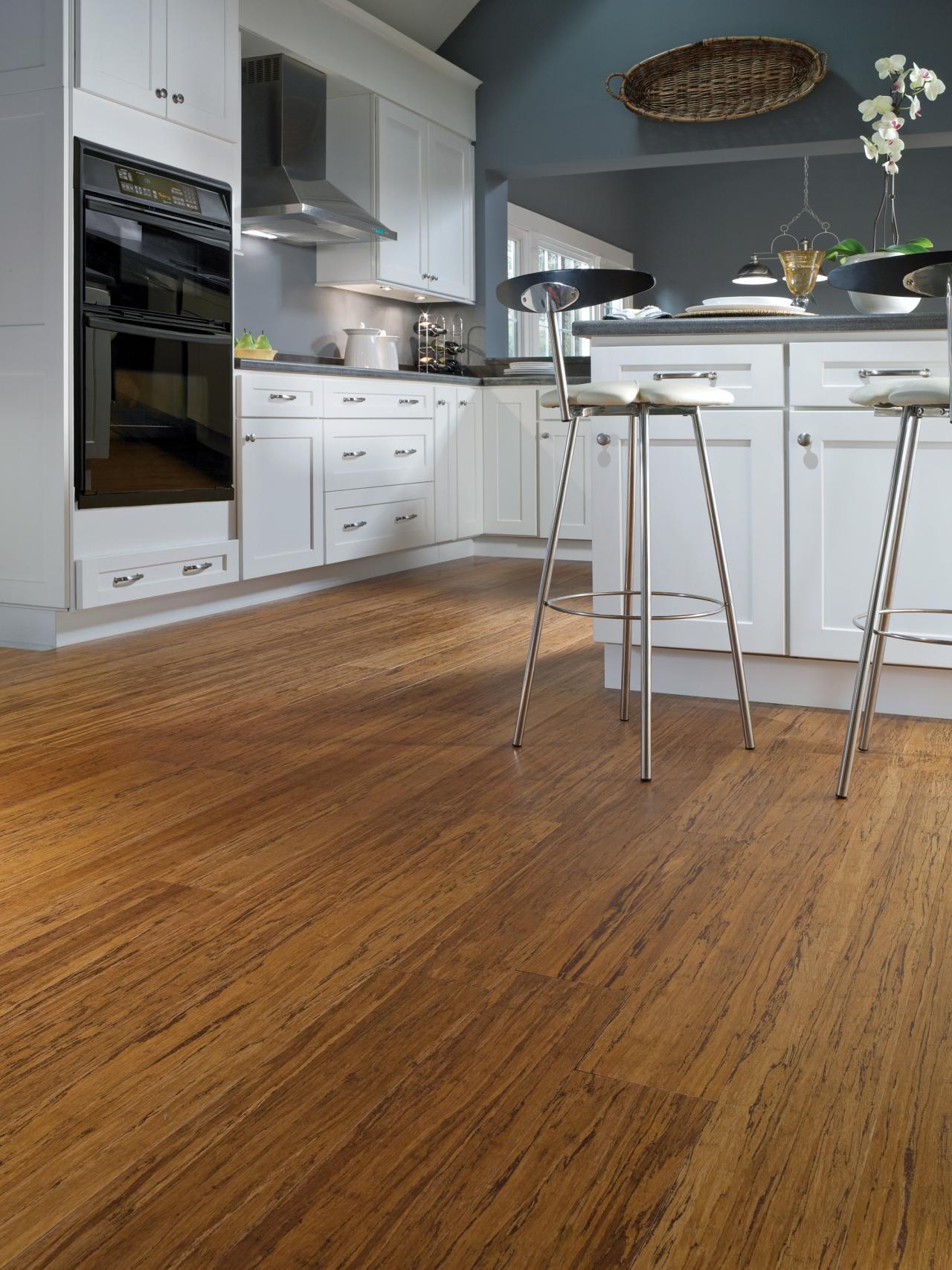
Bamboo Wood Laminate Flooring
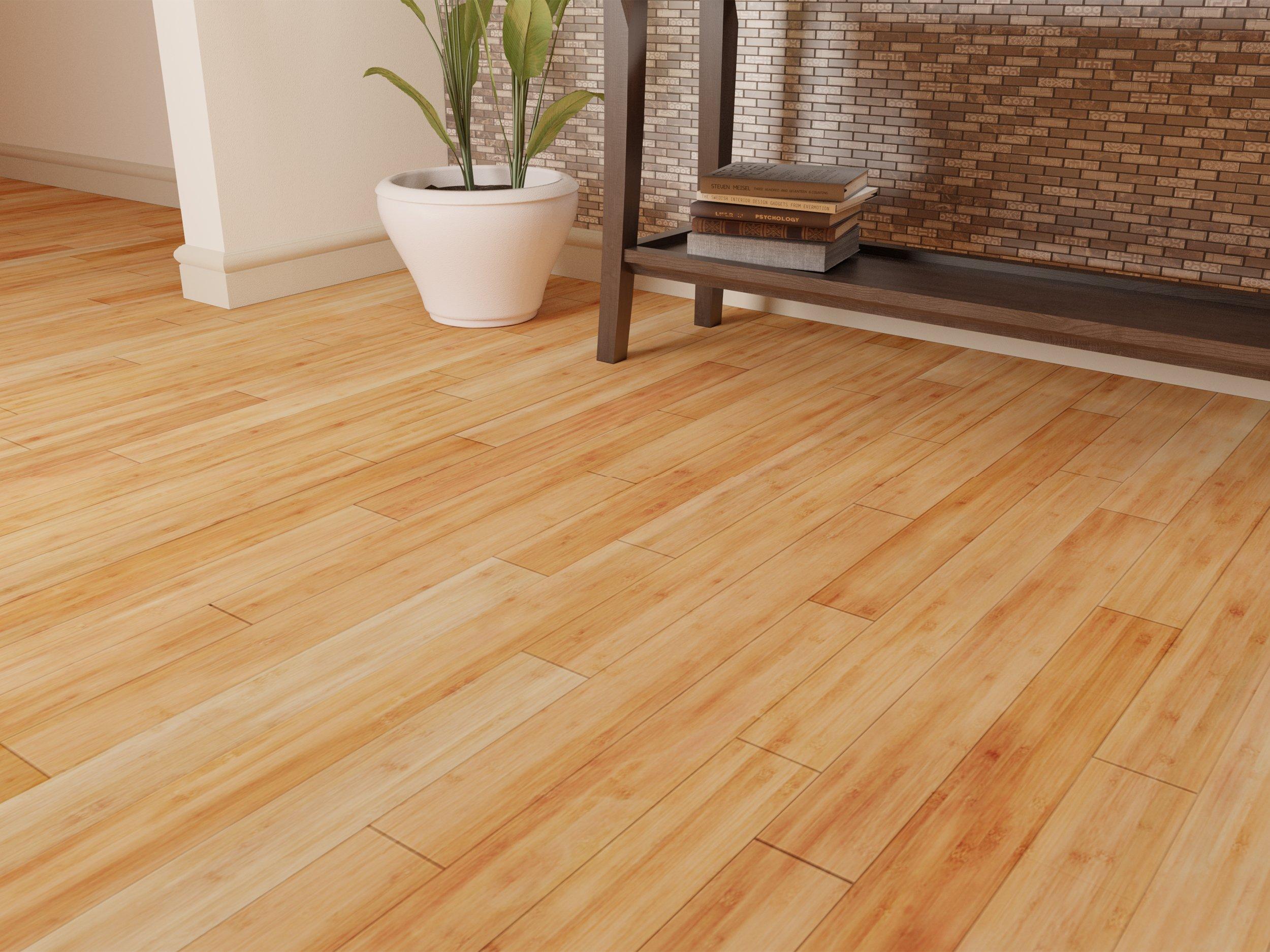
Bamboo laminate Flooring
Related Posts: