I’ll admit that when I first saw high gloss laminate flooring in a showroom, I was completely captivated. The mirror-like sheen, the way it reflected light across the room, and the sleek, contemporary feel it created made it feel like a premium upgrade I could actually afford.
After installing it in my home office and later my living room, I’ve developed a nuanced, honest view of what high gloss laminate truly delivers, where it performs beautifully, and what daily realities come with that stunning surface. If you’re drawn to the look, let me share everything I’ve figured out the real way.
What High Gloss Laminate Actually Is and How It Differs From Matte
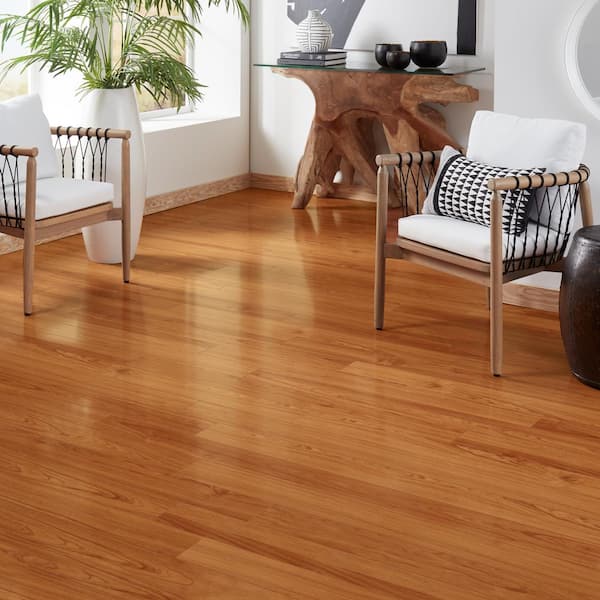
When I started researching, I wanted to understand what technically separates high gloss laminate from standard laminate beyond the obvious visual difference. The gloss level in laminate flooring comes from the wear layer applied over the decorative print layer during manufacturing. High gloss products use a highly polished, smooth wear layer that reflects light at a nearly mirror-like level, typically measuring 60 to 80 or higher on a gloss scale.
Standard and matte laminate use a textured or embossed wear layer that scatters light rather than reflecting it cleanly. This is why matte laminate looks more like natural wood from most angles, while high gloss creates that distinctly polished, contemporary appearance. The underlying construction, the HDF core, the decorative layer, and the click-lock system, is the same across both finish types.
What surprised me was learning that the smooth surface of high gloss laminate actually makes certain kinds of surface damage more visible rather than less. On a textured matte floor, small scratches hide within the grain.
On a mirror-smooth gloss surface, those same scratches catch light and become very apparent. Understanding this tradeoff before purchasing helped me make smarter decisions about where to install it and how to protect it.
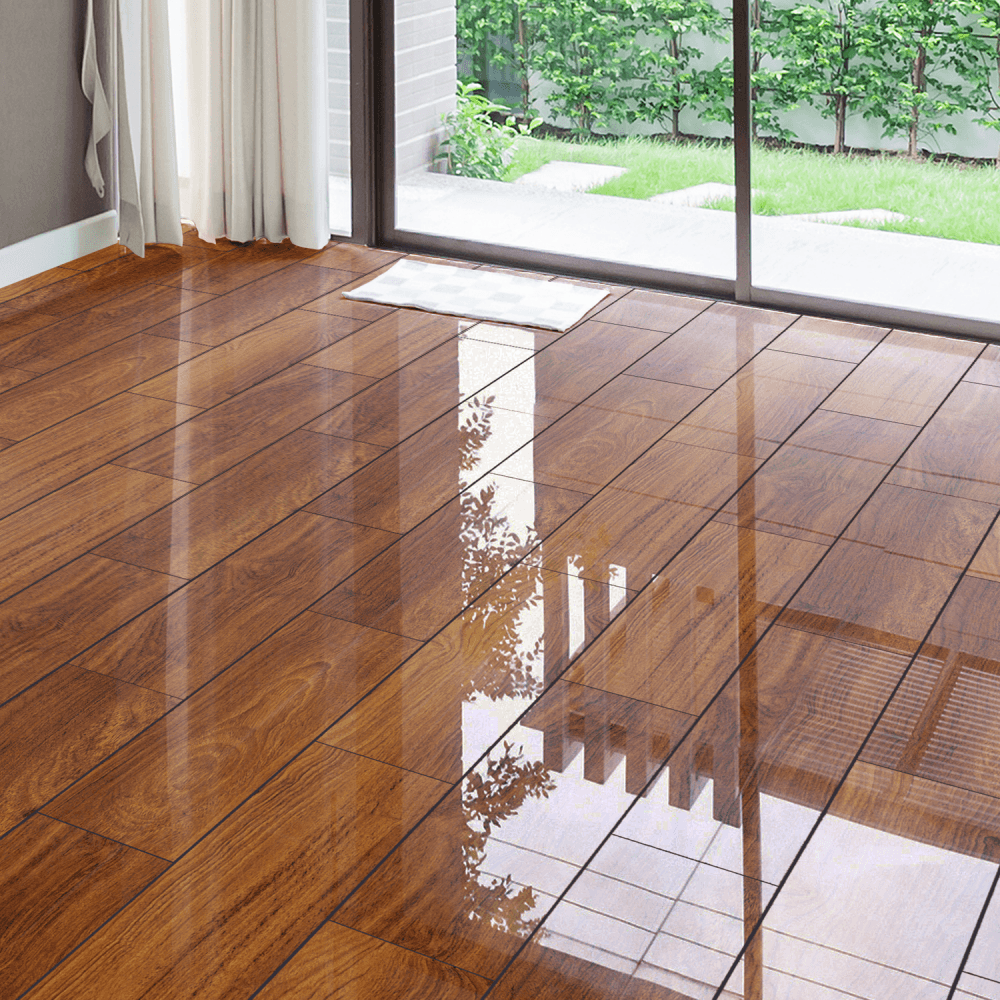
The Spaces Where High Gloss Laminate Looks Its Absolute Best
After living with high gloss laminate in multiple rooms, I have a clear sense of the environments where it shines most convincingly, both literally and figuratively. Spaces with controlled foot traffic and good artificial lighting are where high gloss laminate creates its most impressive effect. My home office was the perfect candidate, a room I use consistently but that doesn’t see the heavy daily traffic of a main living area.
Large open-plan spaces with modern or minimalist furnishings are another environment where high gloss laminate truly delivers. The reflective surface amplifies light and creates a sense of expansive, seamless flow across the floor that matte surfaces can’t replicate. I’ve seen it used brilliantly in open kitchen and living room combinations where the continuous gloss surface visually unifies a large space in a very compelling way.
Rooms with large windows and good natural light show high gloss laminate at its most spectacular during daytime hours. The floor essentially becomes part of the room’s light source, bouncing daylight deep into the space and reducing the need for supplemental artificial lighting. My home office faces east, and in morning hours the floor does something genuinely beautiful with the light that I still enjoy seeing every single day.
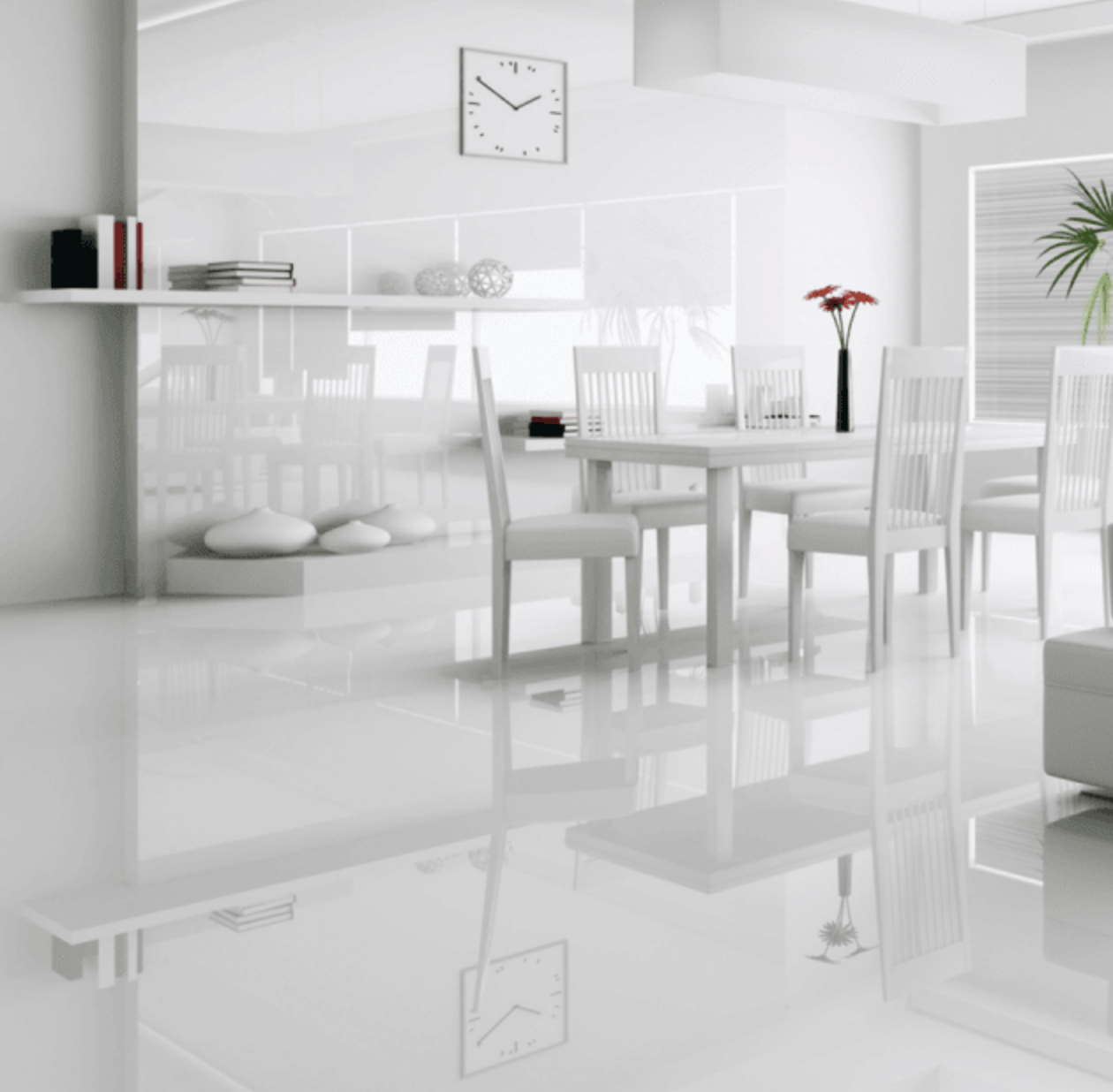
The Honest Maintenance Reality of a High Gloss Surface
Here’s where I want to be completely straightforward, because the maintenance demands of high gloss laminate are real and significant. Every single footprint, dust particle, pet hair strand, and water droplet is visible on a high gloss surface in a way it simply isn’t on matte flooring. My first week with the floor, I cleaned it three times a day because I couldn’t stop noticing every mark.
I eventually found a sustainable routine, a dry electrostatic mop every morning and a barely damp microfiber mop with a laminate-safe cleaner every few days, but I won’t pretend it’s low-maintenance. If the idea of wiping your floor regularly feels burdensome, high gloss laminate will frustrate you quickly. It demands more consistent attention than any other flooring surface I’ve lived with.
The tools you use for cleaning matter more with high gloss than with any other finish type. Anything abrasive, including rough mop pads, paper towels, or cleaning products with micro-scrubbing agents, will gradually dull the surface over time. I switched to purpose-made microfiber pads and a pH-neutral laminate cleaner, and that combination keeps the gloss looking as close to new as possible without causing micro-scratches that accumulate into visible dullness.

Scratch Visibility and How I’ve Protected My High Gloss Floors
Scratch visibility on high gloss laminate is the topic I wish someone had covered more candidly before I installed it. Because the surface is smooth and light-reflecting, scratches that would be invisible on a matte or textured floor catch the light at certain angles and announce themselves very clearly. My first visible scratch, from a chair leg I forgot to pad, genuinely bothered me for a week.
I’ve since implemented every protective measure I could find. Felt pads under every single piece of furniture, including items that rarely move, became non-negotiable. I placed a large area rug under my desk and office chair because rolling chair castors are particularly harsh on gloss surfaces. I also added a boot tray near my entrance to prevent grit from being tracked directly across the floor, since fine particles underfoot act like sandpaper on the glossy surface.
Over time, I’ve mentally reframed the occasional scratch as the price of having a beautiful surface that I genuinely love. The floor still looks exceptional from normal viewing distance and under typical lighting conditions. It’s only at very specific angles in raking light that the scratches I’ve accumulated become noticeable. Setting that realistic expectation upfront makes the decision to choose high gloss much more sustainable as a long-term choice.
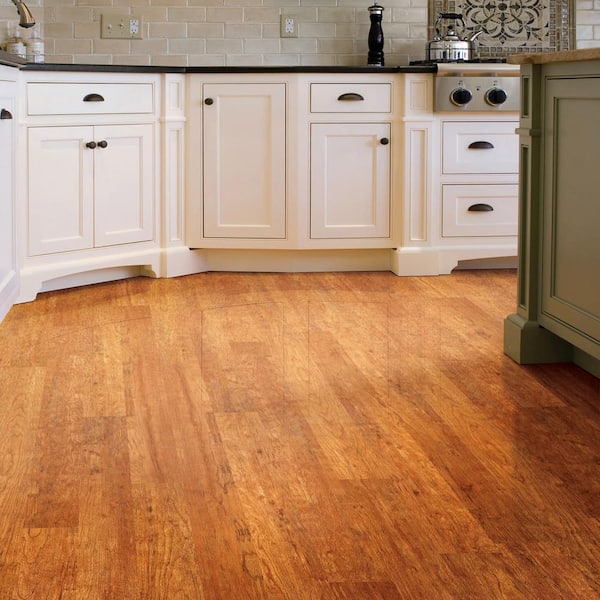
Comparing High Gloss Laminate to High Gloss Vinyl and Tile
Once I became interested in gloss flooring as a category, I naturally compared high gloss laminate to similar-looking alternatives like high gloss luxury vinyl plank and polished porcelain tile. Each has distinct characteristics that make it better suited to certain situations than others, and understanding those differences helped me use the right material in the right place.
High gloss LVP shares the same visual appeal as gloss laminate but adds the waterproof benefits of vinyl construction. For any room with moisture exposure, high gloss LVP is the smarter choice because laminate, even water-resistant versions, remains vulnerable to moisture at the seams and edges. I used high gloss LVP in a bathroom renovation and the result was just as visually satisfying as my laminate with far less anxiety about water.
Polished porcelain tile delivers the most genuine and durable gloss of all three options, virtually indestructible and completely waterproof, but it’s cold underfoot, hard on joints during long periods of standing, and significantly more expensive to install. For a dry living area where budget matters, high gloss laminate delivers 80 percent of the visual impact of polished tile at a fraction of the cost, which was ultimately the calculation that led me to choose it for my living space.

Choosing the Right Color and Style of High Gloss Laminate
Color selection in high gloss laminate carries more weight than in matte flooring because the reflective surface amplifies every shade, both the floor color itself and the colors of everything around it. Light-colored high gloss laminate in whites, pale grays, or light beige tones creates an extremely bright, airy, almost futuristic aesthetic that I find very appealing in contemporary spaces.
I chose a light stone-effect high gloss laminate for my living room after testing several samples under my actual room lighting. Stone and concrete effects work beautifully in high gloss because the smooth surface makes visual sense for those materials in a way it doesn’t always for wood grain. A highly polished wood-look floor can sometimes read as slightly artificial, while a polished stone-look feels inherently natural and appropriate.
Darker high gloss colors create dramatic, glamorous effects but amplify the maintenance challenges considerably. Every dust particle and footprint is even more visible against a deep charcoal or near-black gloss surface than on a light one. If you fall in love with a dark high gloss option, go in knowing you’ll need a daily cleaning habit that you can genuinely sustain long term, because the visual payoff is only there when the surface is consistently clean and smear-free.

Is high gloss laminate flooring hard to keep clean?
Honestly, yes, it requires more consistent attention than matte flooring. Every footprint, dust particle, and water spot shows clearly on the reflective surface. I dry mop daily and damp mop every few days with a pH-neutral cleaner. Using microfiber tools only and avoiding any abrasive products keeps the gloss intact. Once the routine becomes habit it’s manageable, but going in with realistic expectations about the maintenance commitment makes the experience much more enjoyable.
Does high gloss laminate scratch easily?
The wear layer is reasonably tough, but scratches are more visible on gloss than on matte surfaces because light catches them clearly. I protect my floors with felt pads under all furniture, an area rug under my rolling chair, and a grit-trapping mat at the entrance. With those precautions in place, scratches have been minimal over several years. The surface isn’t fragile, but the high visibility of any damage means protection habits matter more than with textured alternatives.
Where is high gloss laminate flooring best used in a home?
It works best in lower-traffic, drier rooms where its visual impact can shine without constant abuse. Home offices, formal living rooms, dining rooms, and bedrooms are ideal. I’d avoid it in hallways, kitchens, and family rooms with kids and pets where traffic and mess are relentless. Anywhere you can control foot traffic and commit to regular cleaning is a good candidate. The reflective quality also works beautifully in rooms with good natural or artificial lighting where the floor can really perform visually.
How does high gloss laminate compare in cost to matte laminate?
High gloss laminate typically costs slightly more than comparable matte products, usually a $0.50 to $1.50 per square foot premium for the polished wear layer. Quality high gloss laminate runs roughly $3 to $7 per square foot for material. Installation costs are the same as any other laminate since the format and click-lock system are identical. The price difference between gloss and matte is modest compared to the dramatic visual difference it creates, making it a reasonable upgrade for the right space.
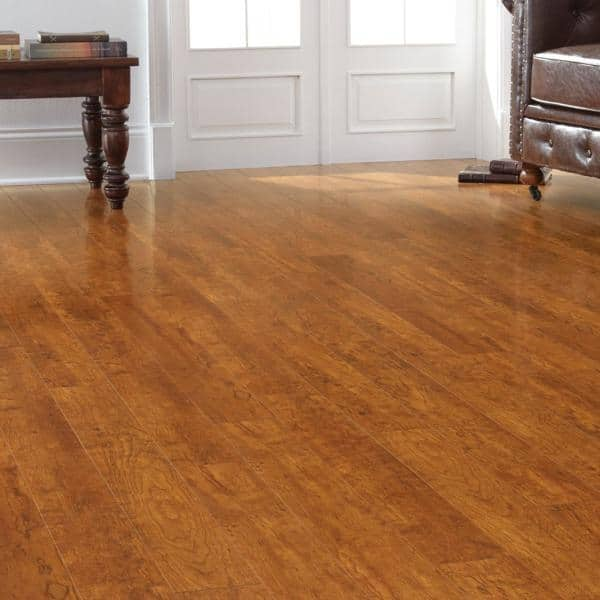
Can high gloss laminate be used in bathrooms or kitchens?
Standard high gloss laminate is not recommended for bathrooms due to moisture vulnerability at the seams. In kitchens it can work if you’re very diligent about wiping spills immediately, but I’d still suggest high gloss LVP as a safer alternative for any space with regular moisture exposure. The gloss look is achievable in wet areas through waterproof vinyl or polished tile, both of which handle moisture far more reliably than laminate products regardless of finish type.
How long does high gloss laminate flooring last?
Quality high gloss laminate with a proper wear layer rating should last 15 to 20 years under normal residential use. The gloss finish can gradually show micro-scratches and dullness over time in high-traffic zones, which is the main aesthetic limitation before the floor itself structurally wears out. Using the right cleaning products, protecting against scratches consistently, and avoiding excess moisture extends the life significantly. Unlike hardwood, it cannot be refinished, so surface protection from day one determines the long-term appearance.
Related Posts: