Choosing a laminate flooring color felt surprisingly overwhelming when I started renovating my home. There were hundreds of options, and every sample looked different once I got it home and held it against my walls. After going through this process in three different rooms, I finally figured out how to navigate the choices with confidence. Whether you’re drawn to light and airy tones or rich, dramatic shades, there’s a laminate color out there that will make your space feel exactly the way you want it to. Let me walk you through the ideas and considerations that made the biggest difference for me.
Light and Airy Colors for a Bigger, Brighter Feel
When I renovated my guest bedroom, it was a small space with one north-facing window, and I desperately needed it to feel larger. Choosing a pale, whitewashed oak laminate was one of the best decisions I made. Light flooring reflects natural and artificial light around the room, which visually opens up the space in a way that darker options simply can’t.
Blonde, cream, and whitewashed tones are incredibly versatile. They pair beautifully with cool gray walls, warm white trim, and even bold accent colors without clashing. In my guest room, I paired the pale laminate with soft blue-gray walls and the space went from feeling cramped to feeling calm and open. Visitors always comment on how much bigger it looks than they expected.
The one consideration with very light laminate is that dust and fine debris can show more readily than on mid-tone floors. I keep a microfiber dust mop nearby and do a quick pass every couple of days. It’s a small trade-off for how much the color does for the room’s overall feel, and I’d make the same choice again without hesitation.
Warm Honey and Golden Oak Tones for Classic Comfort
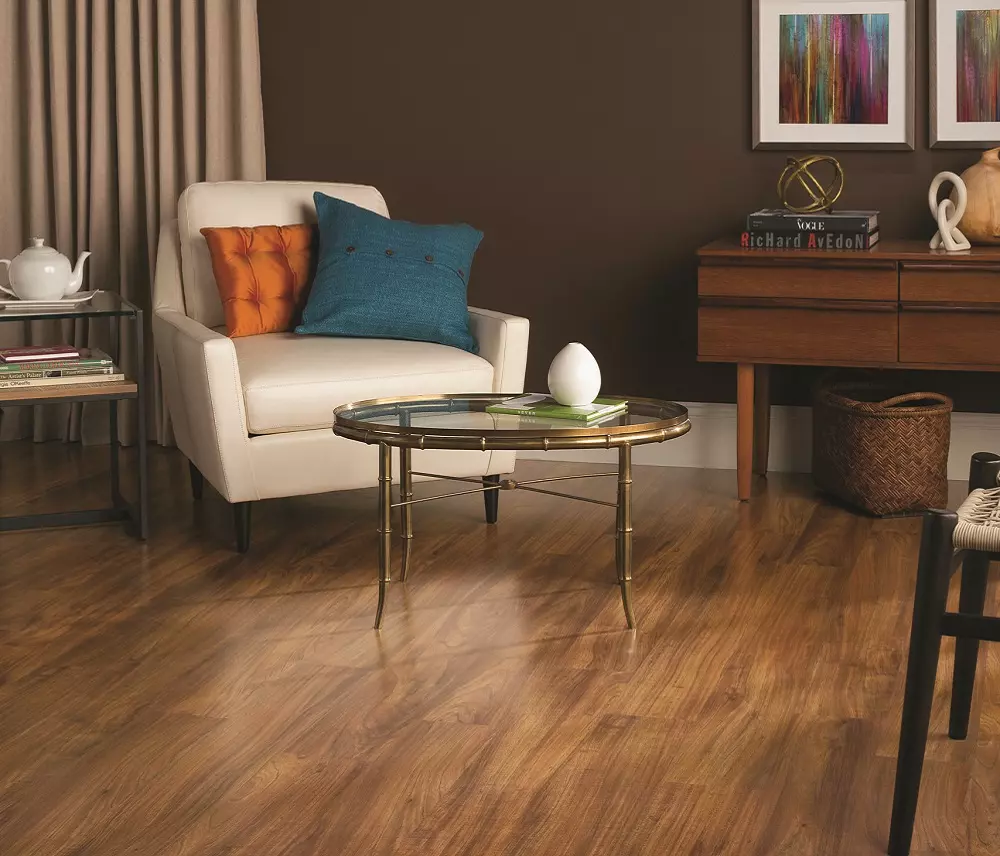
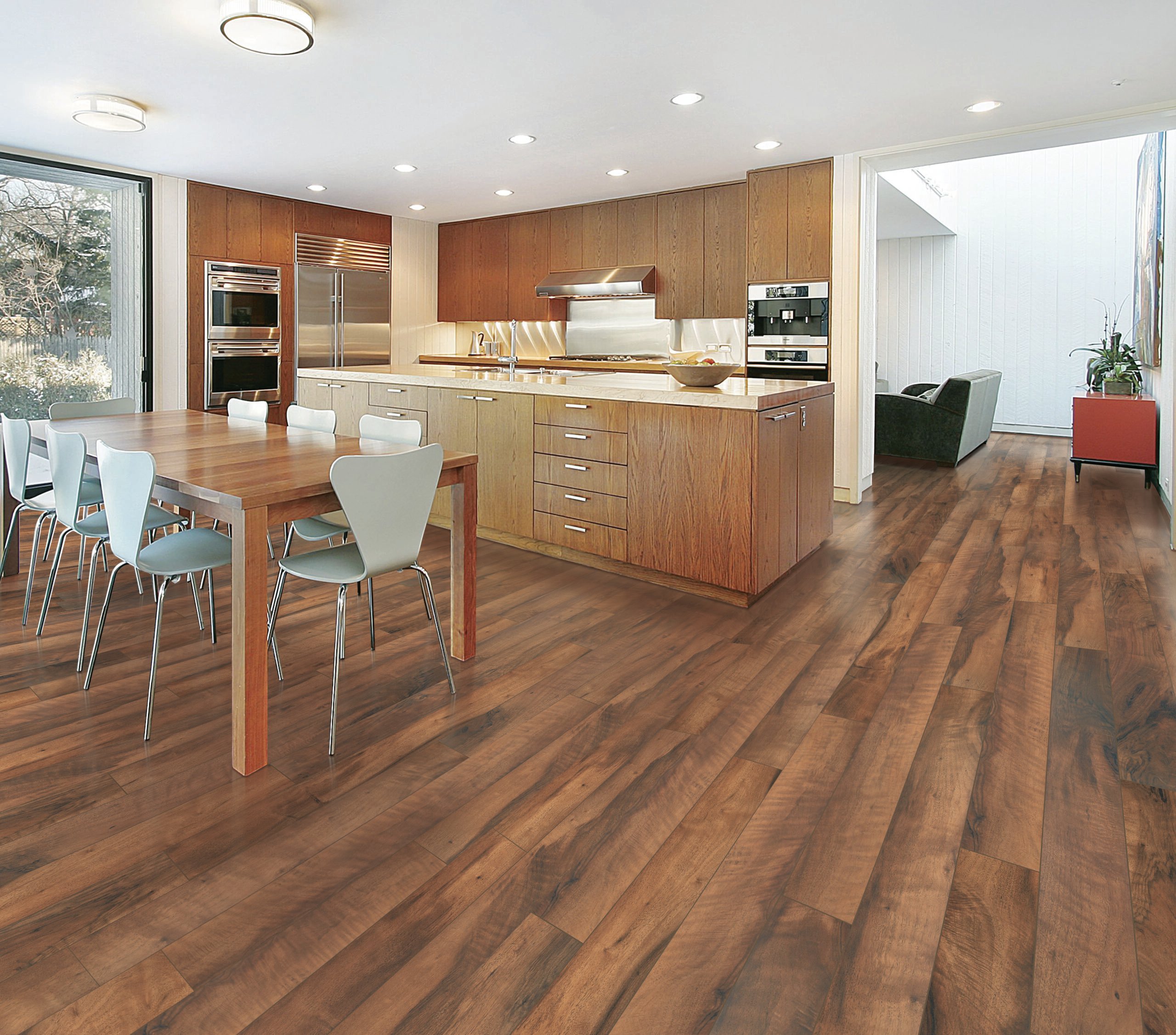
There’s a reason warm honey and golden oak laminate never really goes out of style. When I installed it in my living room, it immediately made the space feel cozy and lived-in without looking dated. These tones bring a natural warmth that cooler colors and grays simply can’t replicate, and they work with a huge range of furniture styles and wall colors.
Golden and amber-toned laminates tend to look especially good in rooms that get warm afternoon light. The sunlight plays off the golden undertones beautifully, making the floor look richer as the day progresses. I positioned my sofa to face the windows and every evening the floor practically glows. It’s the kind of detail that makes a home feel genuinely welcoming.
These tones also hide everyday dirt and light scratches better than very pale or very dark options, which was a practical consideration for me with a dog in the house. The natural variation in the grain pattern disguises minor wear and debris between cleanings. For high-traffic living areas where real life happens, warm honey tones are a reliable and forgiving choice.
Gray and Greige Laminate for a Modern, Sophisticated Look
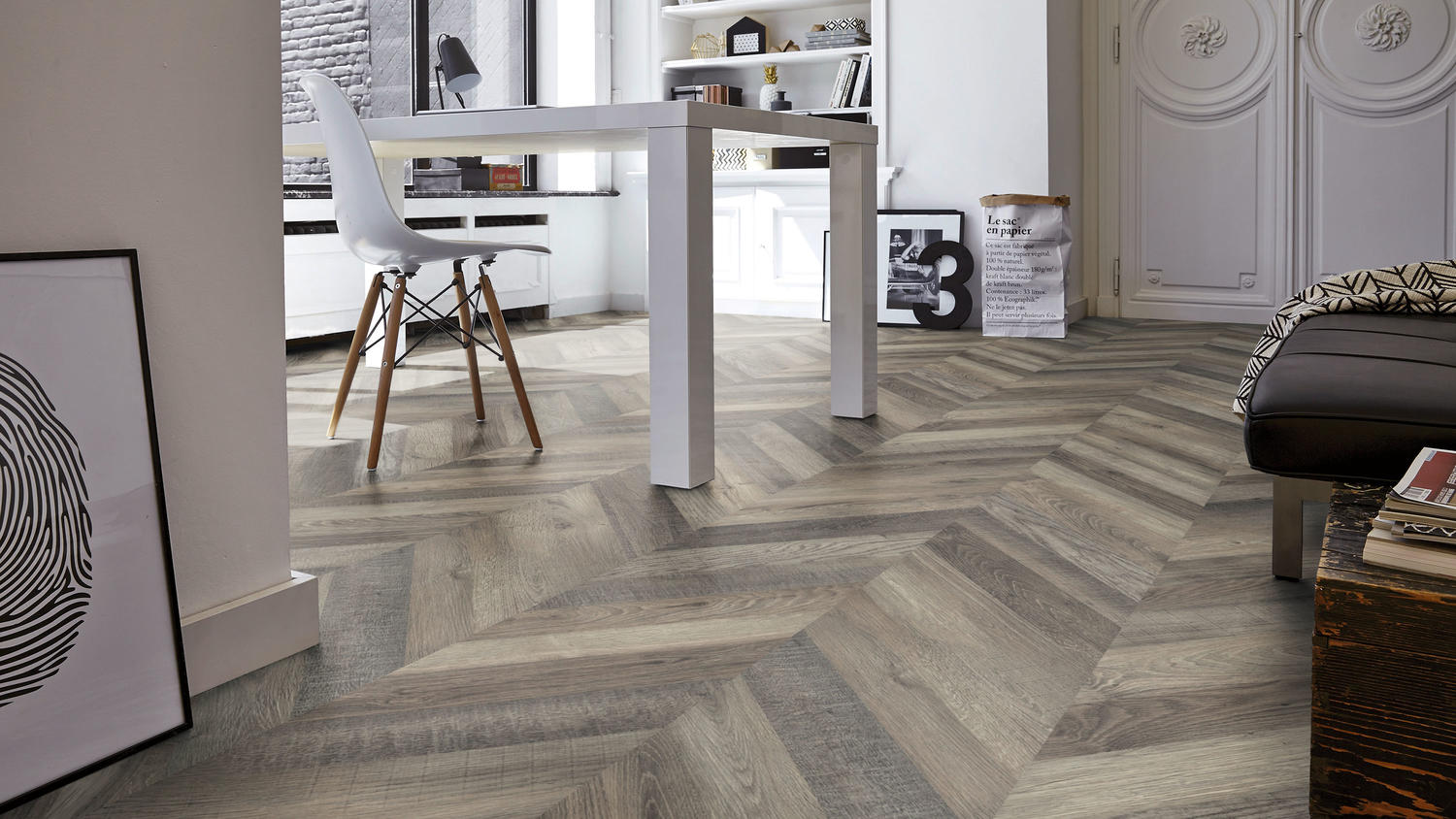
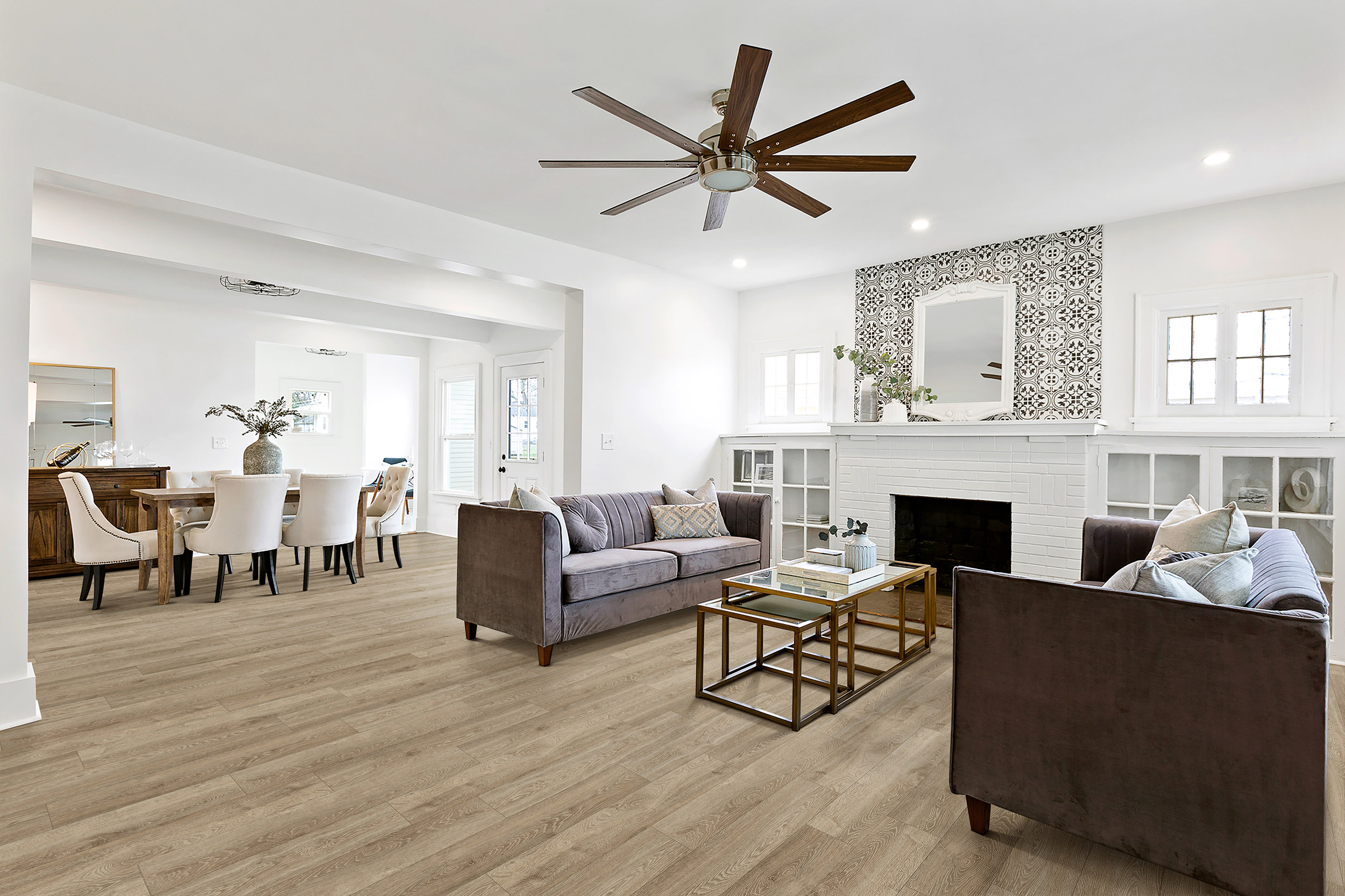
When I was designing my home office, I wanted something that felt current and professional without being cold. Gray laminate was the answer, and it’s been one of the most popular flooring color choices for good reason. It pairs effortlessly with modern furniture, white walls, and metal accents without competing with anything else in the room.
Greige, which sits between gray and beige, is a particularly useful tone because it bridges the gap between cool and warm. My office has a greige laminate that looks almost gray on overcast days and shifts slightly warmer when sunlight comes through. This chameleon quality means it adapts well to changing light conditions and works with both warm and cool decor elements.
One thing I’ve noticed with gray laminate is that it shows dust more than warmer tones do. The lighter gray varieties in particular seem to attract visible footprints and fine debris. A quick daily dust mop addresses this easily, and the trade-off in style is worth it for me. If low maintenance is your top priority, a mid-tone greige with some texture will hide everyday life much better than a smooth pale gray.
Deep and Dark Laminate for Drama and Elegance
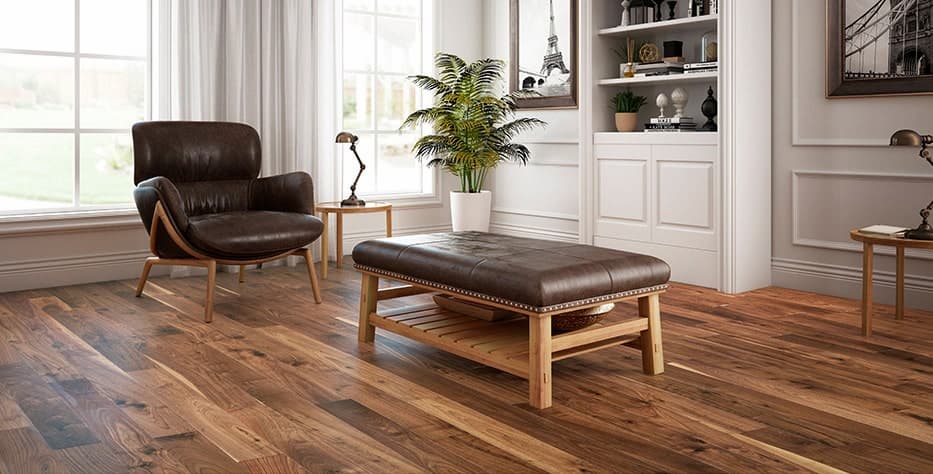
I almost went with a dark walnut laminate in my dining room, and after seeing it installed in a friend’s home, I genuinely wish I had. Dark flooring creates a sense of richness and formality that works beautifully in dining and entertaining spaces. When paired with lighter walls and furniture, it grounds the room and makes everything above it feel intentional and curated.
Deep espresso, dark walnut, and charcoal laminate tones are having a real moment right now, and I think they’re going to have long staying power because they feel timeless rather than trendy. They work particularly well in rooms with good lighting, whether natural or layered artificial light, because that contrast between the dark floor and a bright room creates a dramatic and beautiful effect.
The honest trade-off is that dark laminate shows dust, pet hair, and footprints more than any other color. My friend with the dark walnut floor does a quick sweep every day and keeps a microfiber mop handy for smudges. She says it’s absolutely worth the extra attention for how stunning the floor looks. If you’re someone who enjoys keeping a tidy space, dark laminate rewards that effort with a genuinely luxurious appearance.

Two-Tone and Mixed Color Approaches for Defined Spaces
When I renovated an open-plan kitchen and living area, I faced an interesting challenge: the two zones needed to feel connected but also distinct. Using two complementary laminate colors, a warm medium oak in the living area and a cooler greige in the kitchen zone, created exactly the visual separation I needed without walls or hard transitions.
This approach works especially well in open-plan homes where you want different areas to have their own character. You can use a transition strip between the two colors, or in some cases the change in direction of the planks alone creates a natural visual border. I chose a subtle transition strip in a brushed nickel finish that tied into my kitchen hardware, and it looked like a planned design detail rather than an afterthought.
Mixing colors across floors of the same home also works well when the tones share an undertone. I kept all my laminate choices within the warm brown family so they feel cohesive as you move through the house, even though the shades vary by room. Picking a consistent undertone across different rooms is the trick that makes a multi-color approach look deliberate and designed rather than mismatched.

How Room Size, Light, and Wall Color Should Guide Your Choice
Before I committed to any laminate color, the most useful thing I did was bring large samples home and live with them for a few days. Colors look completely different in the store versus in your actual space with your lighting and wall colors. I taped samples to the floor and looked at them at different times of day, and in more than one case my showroom favorite became my least favorite option at home.
Smaller rooms generally benefit from lighter flooring because it visually expands the space. Larger rooms can handle darker tones without feeling closed in. But these are guidelines rather than rules. My large living room has a medium-warm tone rather than dark or light, and it works beautifully because the ceiling height and wall color balance it out. Always look at the full picture rather than following formulas rigidly.
Wall color has more influence on how your laminate reads than almost anything else. Cool gray walls make warm laminate look even warmer, while warm cream walls can soften a gray floor considerably. I like to finalize my wall color and laminate color together rather than choosing one first and trying to match the other. When both choices are made in conversation with each other, the result almost always feels more intentional and cohesive.
Will my laminate color show scratches and wear over time?
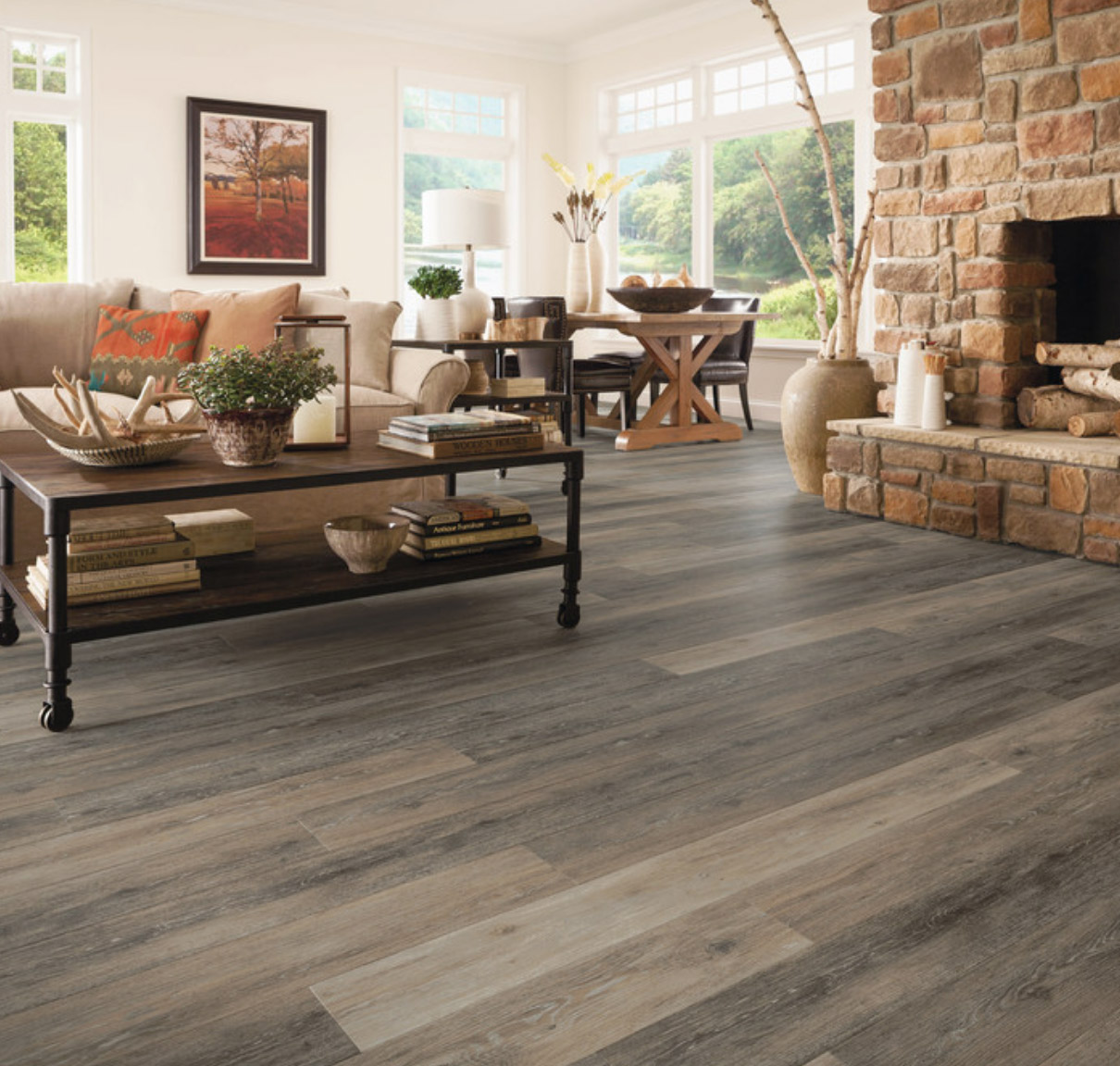
Yes, all laminate eventually shows wear, but color plays a role in how visible it is. Mid-tone colors with visible grain patterns hide surface scratches and light scuffs much better than very dark or very pale options. I’ve found that choosing a laminate with an embossed texture also helps disguise minor damage between deeper cleanings or eventual replacement.
Can I use dark laminate in a small room without it feeling cramped?
It depends on the lighting and wall color. I’ve seen dark laminate look stunning in smaller rooms when the walls are kept light and the lighting is warm and layered. The contrast actually creates a cozy, intentional feel rather than a cramped one. If you love dark floors, don’t let room size alone talk you out of it. Bring a large sample home first and test it properly.
How do I choose between warm and cool laminate tones?
I always start by looking at my existing furniture and wall colors for undertones. If your furniture leans toward brown, cream, or orange, warm laminate tones will feel harmonious. If your space has a lot of gray, white, or blue, cooler tones will integrate more naturally. Mixing warm and cool sometimes works beautifully, but it takes a confident eye to pull it off successfully.
Does laminate color affect how much cleaning it requires?
Absolutely, and this was something I wish I had thought about earlier. Very light and very dark laminates both show debris and footprints more readily than mid-tone options. If low-maintenance is important to you, a medium warm or greige tone with some grain variation will be the most forgiving day-to-day. These tones essentially camouflage the realities of daily life between cleanings.
How long will my laminate color stay in style?
Classic tones like warm oak, walnut, and greige have decades of staying power and rarely feel dated. Trendy colors like very cool gray or ultra-pale whitewash may shift with design trends. Since laminate is a more affordable flooring option, I tend to worry less about timelessness than I would with hardwood. Pick what makes you happy now and enjoy it fully for the life of the floor.
Should I use the same laminate color throughout my whole home?
Not necessarily, though consistency does create a clean, flowing look. I used complementary tones in different rooms and it worked well because I kept the undertones consistent. Using the exact same color throughout reads as seamless and can make a home feel larger, which is great for resale. Using varied but coordinated tones allows each room to have its own personality while still feeling cohesive overall.
Related Posts: