When I first considered black tiles for my kitchen floor, friends warned me about the potential for maintenance nightmares and design risks. Yet something about the bold elegance drew me in. After living with various black tile designs for years, I’ve discovered they offer unmatched sophistication when chosen thoughtfully. Let me share what I’ve learned about creating stunning black tile kitchen floors that work in real life.
The Psychology Behind Choosing Black Kitchen Floors
I never expected how dramatically black floors would change my cooking experience. The first morning I walked barefoot across my new obsidian tiles, I felt grounded in a way that surprised me. Black naturally anchors a space, creating visual weight that makes even modest kitchens feel substantial and intentional.
My guests consistently comment on how the dark floors make my white cabinets appear brighter and crisper. It’s like having a photographer’s backdrop that enhances everything placed upon it. Colors pop more vibrantly, textures seem more defined, and even simple ingredients look more appetizing when prepped on counters above black foundations.
The psychological impact extends beyond aesthetics, too. I find myself maintaining higher cleanliness standards, not from necessity but from respect for the sophisticated atmosphere. Black floors command a certain reverence that elevates daily routines into something more mindful and purposeful.
Practical Maintenance Lessons I’ve Learned
Initially, I worried about every speck showing on my black tiles. Reality proved different than my fears. While light-colored debris like flour or salt stands out immediately, darker particles like coffee grounds or herb clippings virtually disappear. Daily sweeping became second nature, taking just minutes each evening.
Water spots were my biggest challenge until I discovered the right cleaning rhythm. I now squeegee after major cooking sessions and use microfiber mops for weekly deep cleaning. The key is working with the tiles’ natural properties rather than fighting them. Quality sealant applied annually keeps maintenance minimal.
Surprisingly, my black floors hide certain stains better than my previous beige ones did. Grease splatters and wine spills clean up easily without leaving ghostly marks. The uniform dark surface creates a forgiving backdrop that doesn’t broadcast every minor imperfection like lighter floors inevitably do.

Design Combinations That Work
Pairing black floors with white or cream cabinets creates my favorite high-contrast look. The combination feels timeless rather than trendy, sophisticated without being sterile. I’ve added warm wood accents and brass hardware to prevent the space from feeling too stark or cold in the winter months.
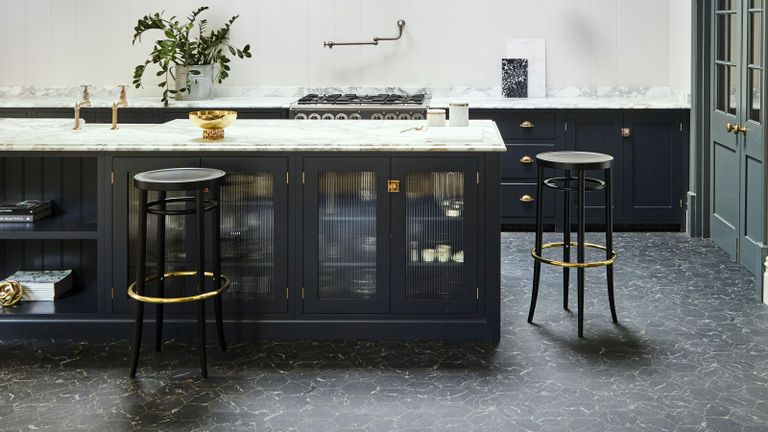
For a more dramatic approach, I experimented with charcoal cabinets over black floors in my renovation. This monochromatic scheme required careful lighting and metallic accents to prevent visual heaviness. The result feels cozy and enveloping, perfect for intimate dinner preparations and quiet morning coffee rituals.
Natural elements work beautifully against black foundations. My potted herbs, wooden cutting boards, and stone countertops all gain visual prominence when displayed above dark tiles. The neutral backdrop allows textures and colors to truly shine without competing for attention or creating visual chaos.

Lighting Strategies for Dark Floors
Under-cabinet LED strips became essential after installing black floors. They create pools of warm light that prevent the space from feeling cavernous while highlighting the tiles’ subtle texture variations. I positioned them to cast gentle illumination downward, creating ambient warmth throughout cooking tasks.
Pendant lights over my island needed repositioning to compensate for reduced light reflection. Black surfaces absorb rather than bounce illumination, requiring more strategic placement of fixtures. I added dimmer switches everywhere to adjust brightness based on time of day and activity level.
Natural light takes on new importance with dark floors. I replaced heavy window treatments with sheer panels that maximize daylight penetration. During cloudy days, the contrast between bright windows and dark floors creates a dramatic interplay that enhances the space’s architectural character.
Texture and Pattern Variations I’ve Tried
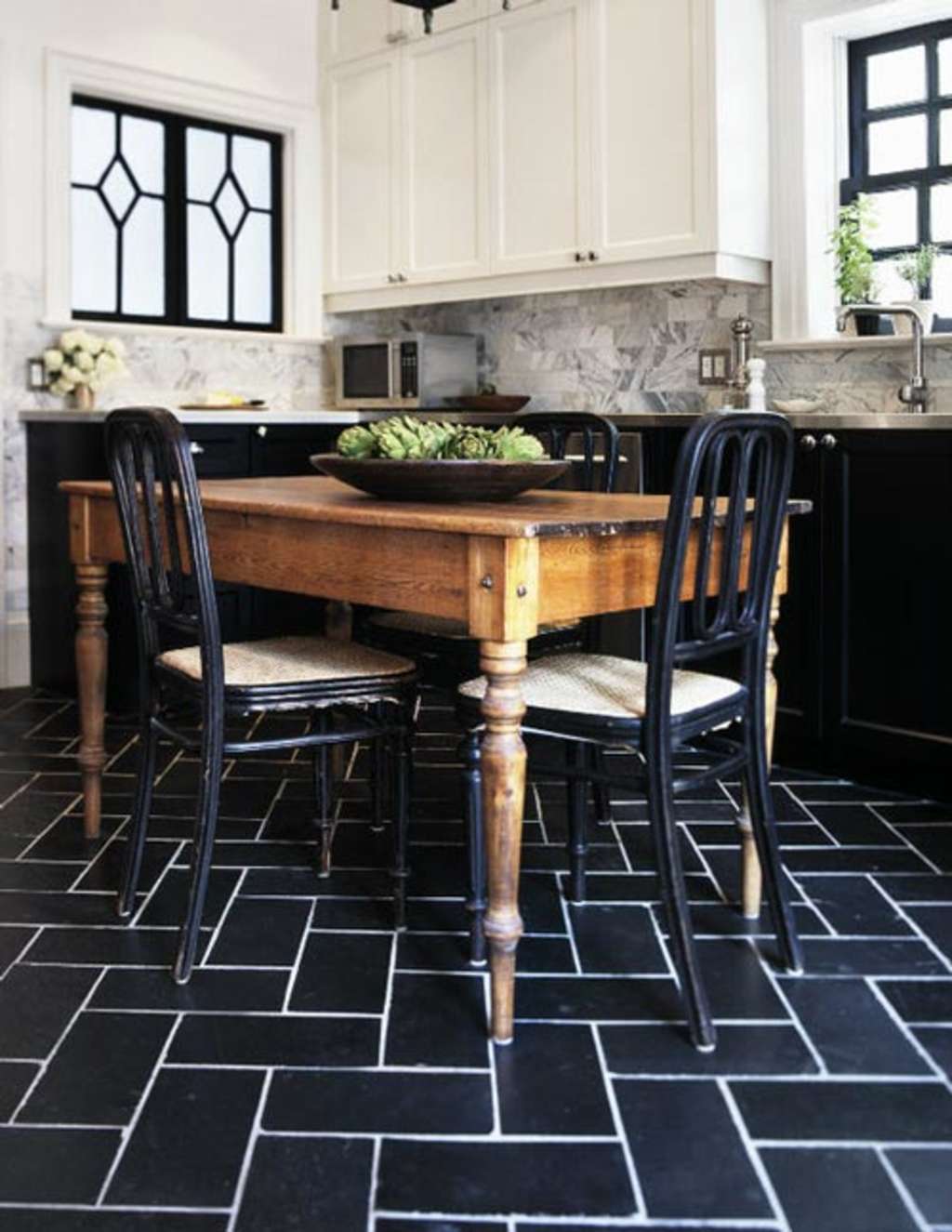
Matte black tiles proved more practical than glossy ones in my experience. The subtle texture hides minor scratches and provides better traction when wet. Glossy surfaces looked stunning initially but required constant buffing to maintain their mirror-like finish, especially in high-traffic areas near the sink and stove.
I experimented with geometric patterns using different black tile sizes. Large format tiles create seamless, modern expanses that make small kitchens appear larger. Smaller mosaic patterns add visual interest but require more grout maintenance. My current favorite combines both approaches in thoughtful zones.
Textured surfaces like slate-look porcelain or brushed stone finishes add depth without overwhelming the design. These variations catch light differently throughout the day, creating subtle shifts in appearance that keep the floor visually engaging. The texture also provides natural slip resistance for safety.
Long-Term Satisfaction and Surprising Benefits
Three years later, I remain completely satisfied with my black tile choice. The floors have aged gracefully, developing a patina that adds character rather than showing wear. Unlike lighter surfaces that gradually look dingy, black maintains its crisp appearance with proper care and occasional professional cleaning.
Resale concerns proved unfounded when neighbors with similar renovations received positive feedback from potential buyers. Black floors signal quality and design confidence to many people, adding perceived value rather than limiting appeal. Real estate agents consistently praise the sophisticated, restaurant-quality appearance.
The biggest surprise has been how the floors influence my cooking style. I find myself plating more carefully, choosing serving dishes more thoughtfully, and generally approaching food preparation with greater intentionality. The sophisticated foundation encourages elevated culinary experiences that bring joy to everyday meals.

How do black kitchen floors show dirt and dust compared to lighter colors?
Contrary to popular belief, black floors hide many types of dirt better than light surfaces. Dark particles like soil, coffee grounds, and food debris blend seamlessly. However, light-colored materials like flour, salt, and pet hair become immediately visible. Daily sweeping takes just minutes and prevents accumulation. The key advantage is that stains and discoloration rarely show on quality black tiles, unlike beige or white surfaces that develop permanent marks over time.
What’s the best way to clean and maintain black tile kitchen floors?
I use a two-step approach that keeps my floors pristine. Daily dry sweeping removes loose debris, while weekly damp mopping with pH-neutral cleaner maintains the finish. For stubborn spots, I apply specialized tile cleaner and let it sit before gentle scrubbing. Annual professional sealing protects against stains and makes regular cleaning easier. Avoid harsh chemicals or abrasive tools that can damage the surface or create dull patches.

Do black floors make kitchens look smaller or darker?
Properly lit black floors enhance space perception through high contrast with walls and cabinets. The key is adequate lighting, including under-cabinet strips and strategically placed pendants. Black creates visual weight that grounds the design, making rooms feel substantial rather than cramped. Large-format tiles minimize grout lines, creating seamless expanses that trick the eye into perceiving greater square footage than exists.
What cabinet colors work best with black tile floors?
White and cream cabinets create classic, timeless combinations that never go out of style. Natural wood tones add warmth while maintaining sophistication. For drama, charcoal or deep navy cabinets create monochromatic schemes that feel luxurious when balanced with metallic accents and proper lighting. Avoid medium-toned cabinets that neither contrast nor complement the dark floors, creating muddy, indecisive appearances.

Are black floors practical for families with children and pets?
Black floors are surprisingly family-friendly when you understand their characteristics. Pet hair shows more than on patterned surfaces, but daily sweeping easily manages this. Sticky spills from children clean up without leaving permanent stains, unlike lighter floors that develop ghostly marks. The sophisticated appearance encourages better habits from family members. Choose matte finishes over glossy ones for better traction and scratch resistance in high-traffic areas.
How do black tile floors affect kitchen lighting requirements?
Black surfaces absorb rather than reflect light, requiring approximately 20% more illumination than standard kitchens. Layer lighting with under-cabinet strips, pendant fixtures, and recessed ceiling lights. Install dimmer switches for flexibility throughout the day. Position task lighting strategically over work areas where you need maximum visibility. The dramatic contrast between dark floors and bright lighting creates a sophisticated ambiance while maintaining functionality for cooking tasks.
Practical And Cool-Looking Kitchen Flooring Ideas
Related Posts: