Basement floors often suffer from wear, moisture damage, and a dull industrial appearance, but cement refinishing offers an affordable way to revitalize these spaces. Whether your basement serves as a laundry area, home gym, or entertainment zone, refinishing the concrete floor improves both aesthetics and functionality. Modern techniques allow homeowners to achieve polished, stained, or epoxy-coated finishes that resist moisture, hide imperfections, and create a more inviting atmosphere. This process can also address common issues like cracking, dusting, and uneven surfaces. Below, we explore six essential aspects of cement basement floor refinishing to help you plan your project effectively.
Assessing Your Basement Floor Condition
Before refinishing, evaluate your basement floor for cracks, moisture problems, and surface damage. Hairline cracks are common in concrete and can often be repaired during refinishing, while larger structural cracks may require professional attention. Look for signs of efflorescence (white powder deposits), which indicate moisture moving through the concrete.
Moisture testing is critical—tape a plastic sheet to the floor for 24 hours. Condensation underneath suggests high humidity, while dark spots indicate active moisture penetration. These issues must be addressed before refinishing to prevent coating failures. Floors with severe pitting or unevenness might need grinding or leveling compounds to create a smooth surface.
Consider how you use the space when planning your refinishing approach. High-traffic areas benefit from more durable coatings, while decorative finishes work well in entertainment spaces. Identifying existing problems early helps determine whether you need simple cosmetic updates or more extensive repairs before applying new finishes.
Popular Refinishing Options and Their Benefits
Concrete staining creates rich, variegated colors that enhance the natural texture of cement. Acid stains produce earthy tones through chemical reactions, while water-based stains offer broader color options. Both penetrate deeply for long-lasting results but require sealing for protection. Stained floors work well in rustic or industrial-style basements.
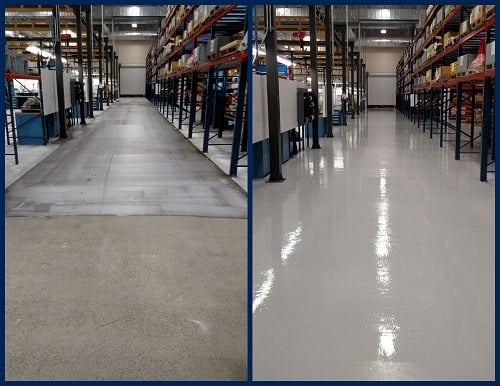
Epoxy coatings provide a thick, glossy surface that resists stains, chemicals, and heavy wear. They come in solid colors or with decorative flakes for added texture. Epoxy bonds tightly to properly prepared concrete, creating a seamless, waterproof barrier ideal for damp basements. This option suits utility spaces, workshops, or modern finished basements.
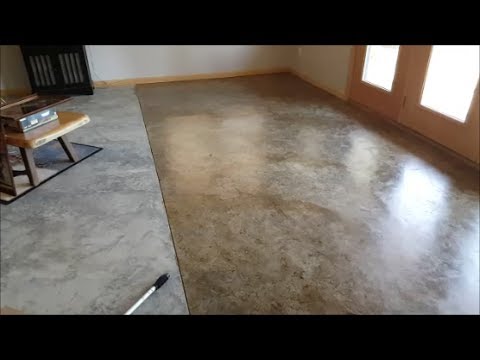
Polished concrete offers a sleek, low-maintenance finish that reflects light to brighten basement spaces. Grinding the surface exposes aggregate for a terrazzo-like appearance in various sheen levels. Polishing enhances durability without adding coatings, making it perfect for minimalist designs or radiant-heated floors.
Preparation Steps for Successful Refinishing
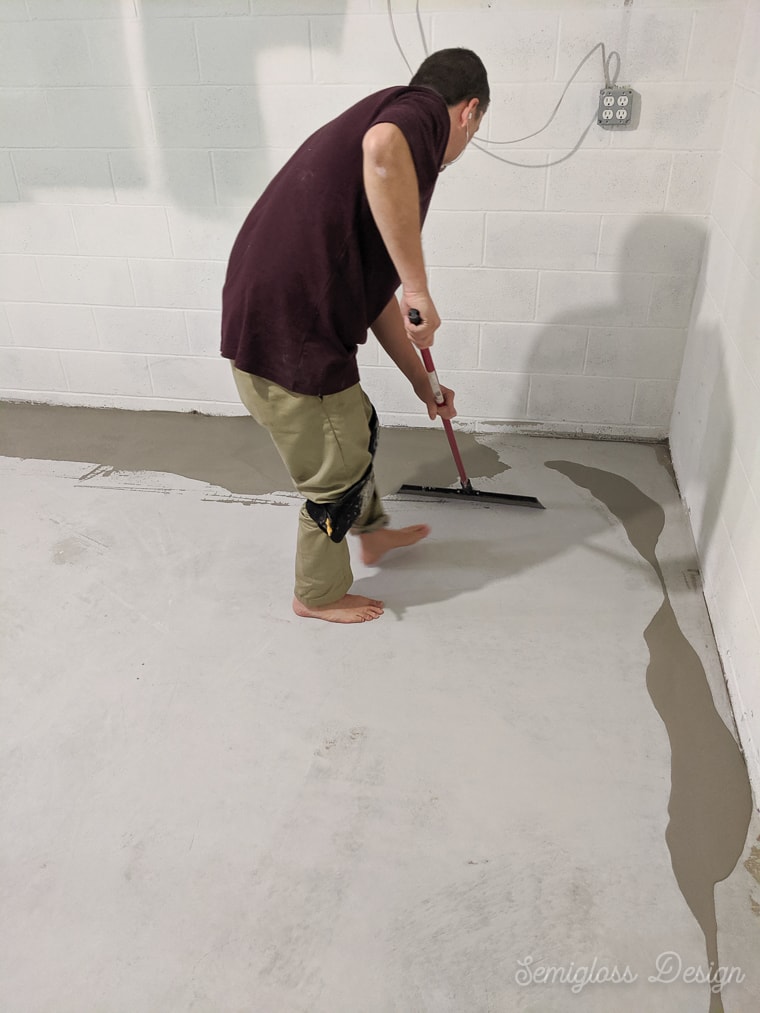
Proper surface preparation ensures refinishing materials adhere correctly and last longer. Start by thoroughly cleaning the floor to remove dirt, grease, and old coatings. A degreaser and stiff brush work for most stains, while paint strippers may be needed for existing sealants. Pressure washing helps, but requires complete drying before proceeding.
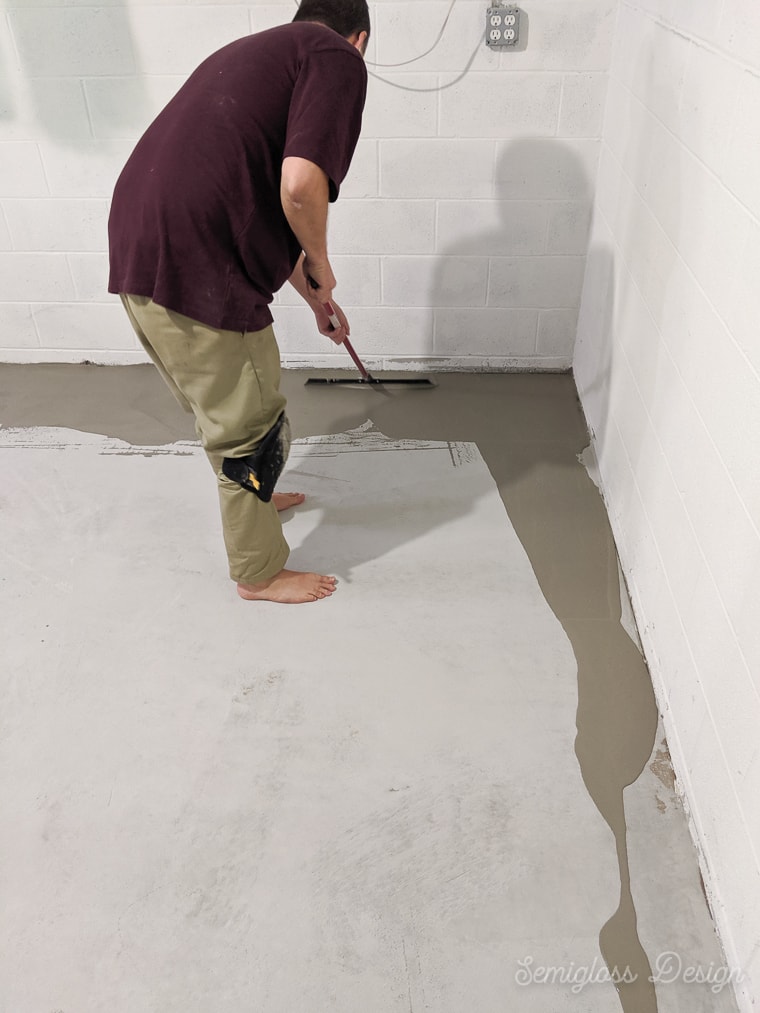
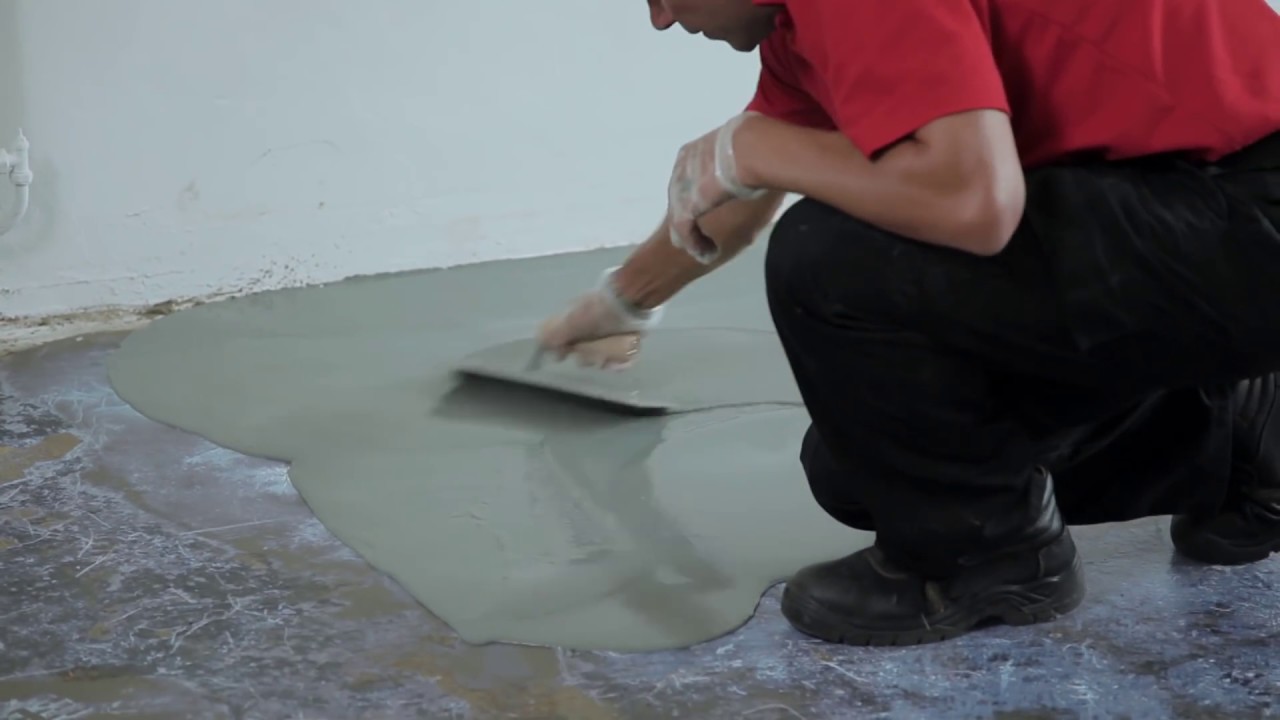
Repair all cracks and holes with hydraulic cement or epoxy fillers designed for concrete. Larger imperfections may require self-leveling underlayment to create an even base. Grinding or shot blasting opens the concrete’s pores for better coating absorption, especially important for stains and thin sealers.
Moisture barriers become essential in basements prone to dampness. Apply a penetrating sealer or epoxy moisture blocker if tests reveal vapor transmission. These products prevent water damage to new finishes while allowing the concrete to breathe. Proper prep might take several days, butit prevents costly redos later.
DIY vs. Professional Installation Considerations
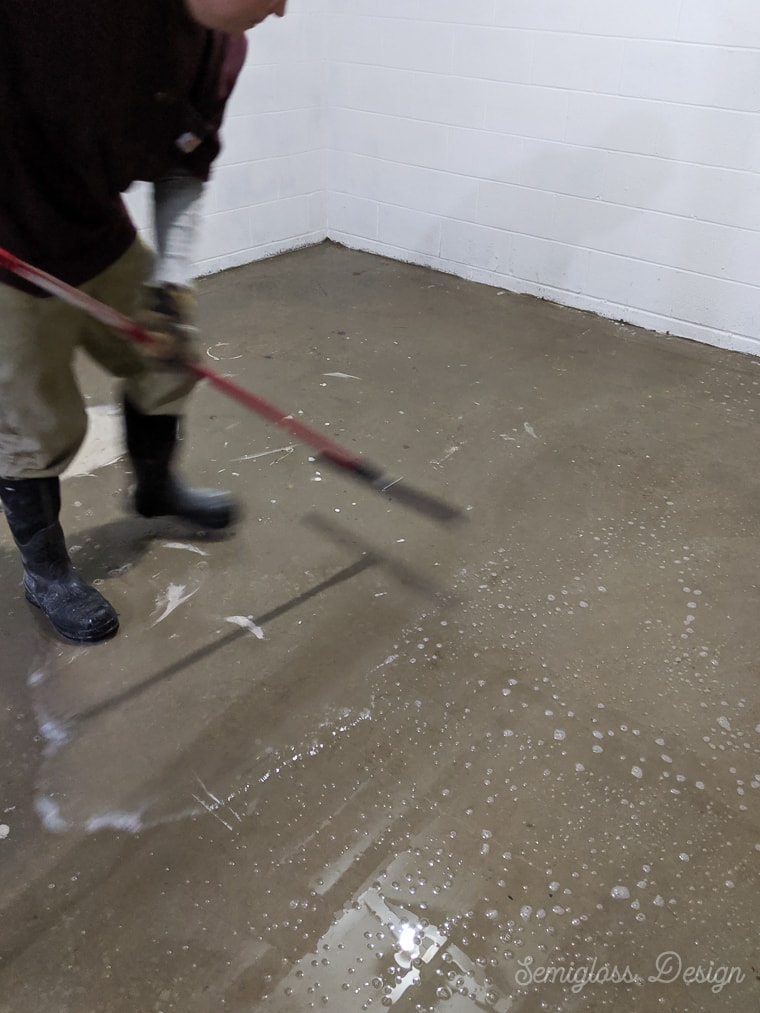
DIY refinishing works for small basements using products like concrete paints, simple stains, or peel-and-stick tiles. These budget-friendly options require minimal tools and allow weekend completion. However, results may lack the durability and professional appearance of more advanced treatments.
Professional installation becomes worthwhile for complex techniques like epoxy coatings or polishing. Experts have industrial equipment for proper surface preparation and application consistency. They can also handle moisture mitigation and custom decorative effects beyond typical DIY capabilities. Warranties on labor and materials add value.
Cost differences vary widely—DIY staining might cost 1−3 per square foot, while professional epoxy jobs range 5−15. Consider your skill level, time availability, and desired longevity. Some homeowners compromise by doing prep work themselves while hiring pros for the final coating application.
Maintenance and Long-Term Care Tips
Refinished basement floors need regular sweeping and occasional damp mopping with pH-neutral cleaners. Avoid abrasive tools or harsh chemicals that could damage coatings. Place mats at entryways to reduce dirt and moisture tracked onto the floor, especially important in basement settings.
Reapply protective sealants every 2-3 years for stained or polished floors, or when water no longer beads on the surface. Epoxy floors last longer but may develop scratches over time—use furniture pads and avoid dragging heavy items. Touch-up kits help address minor damage before it worsens.
Control basement humidity with dehumidifiers or proper ventilation to prevent moisture-related issues. Address any new cracks promptly to maintain the floor’s integrity. With proper care, most refinished cement floors last 10-15 years before needing significant renewal.
Cost Factors and Budget Planning
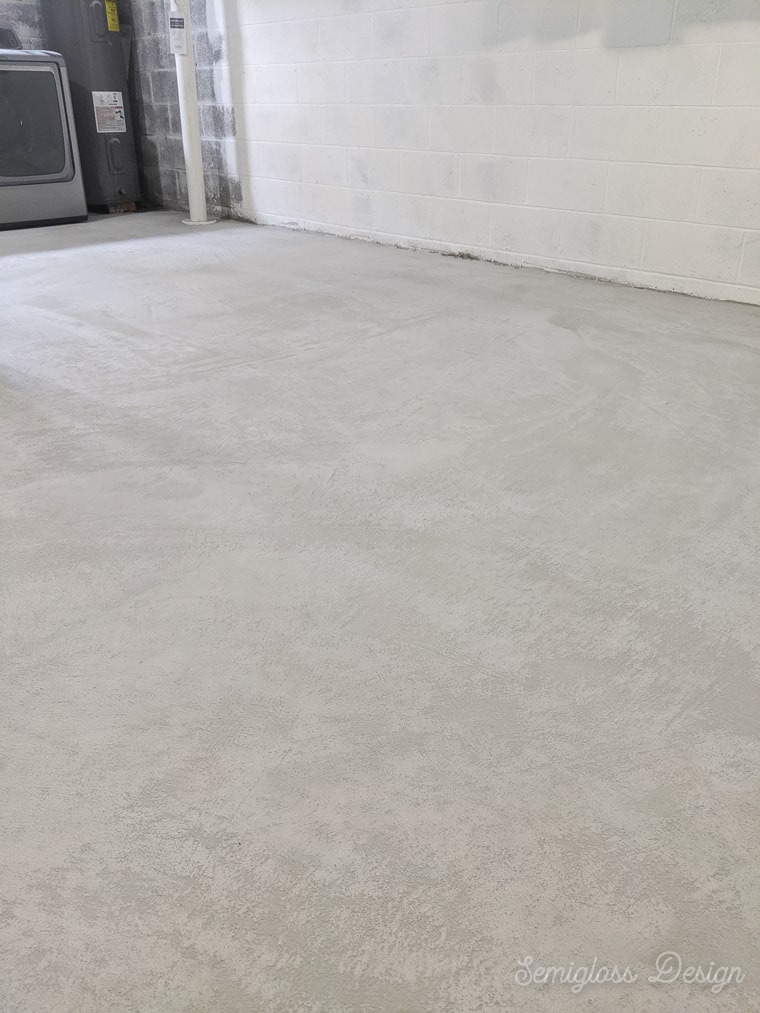
Project costs depend heavily on floor condition and chosen refinishing method. Basic concrete paints start under 0.50 per square foot, while decorative epoxy systems can exceed 10. Larger spaces benefit from economies of scale, reducing per-square-foot pricing.
Additional expenses include repair materials, rental equipment (like grinders), and moisture barriers. Professional labor typically doubles material costs but ensures proper execution. Obtain multiple quotes if hiring contractors, as pricing varies by region and job complexity.
Budget for unexpected repairs—older basements often reveal hidden issues during preparation. Setting aside 15-20% above estimated costs prevents financial strain. Remember that quality refinishing increases home value and usability, offering a strong return on investment for frequently used basement areas.
By understanding these refinishing fundamentals, you can transform your basement floor from a cold, utilitarian surface into an attractive, functional part of your home. Proper planning and execution yield results that withstand basement conditions while creating a more comfortable living environment. Whether tackling the project yourself or hiring professionals, refinishing delivers noticeable improvements without the cost of full replacement.
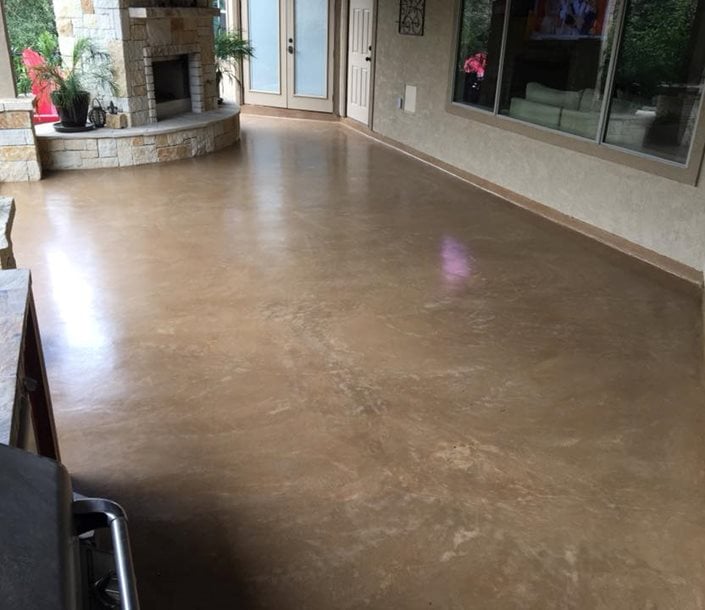
Refinishing Options for Older Concrete Floors
How to Refinish Concrete Floors in a Basement
Before and After Gallery – Concrete Coatings and Repair
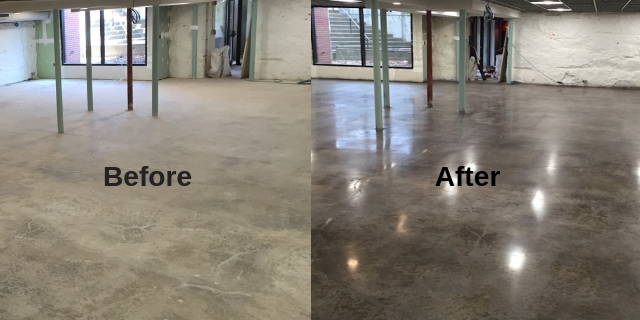
Concrete Floor Refinishing- 100% solid Epoxy application before

How to easily resurface a concrete floor
The Best Concrete Stain Designs for Your Basement

Related Posts: