Renovating four bathrooms over the past eight years taught me that classic tile designs never go out of style, while trendy options quickly look dated and decrease home value. My first bathroom featured bold geometric patterns that seemed exciting initially but became overwhelming within two years. Through trial and error, I discovered that timeless tile choices create lasting beauty while providing flexibility for future décor changes. Classic patterns like subway, hexagon, and checkerboard layouts have proven their staying power through decades of design evolution, making them safe investments for any bathroom renovation project.
Timeless Black and White Checkerboard Patterns
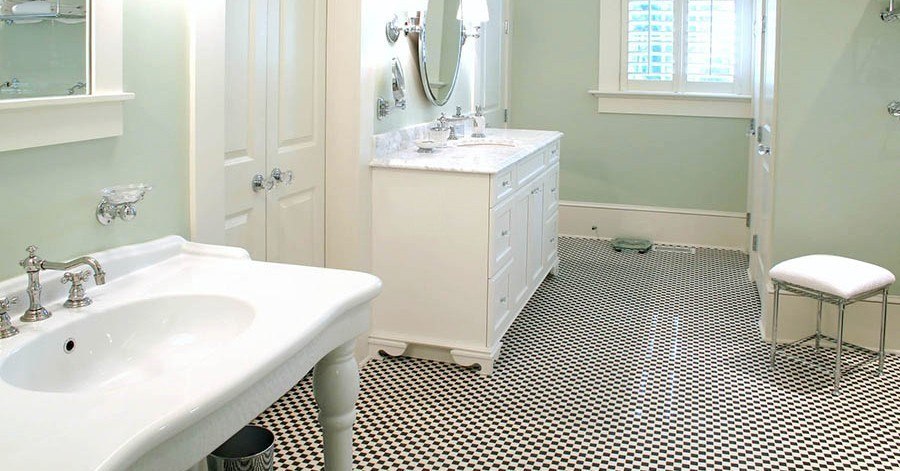
My guest bathroom transformation began with classic black and white checkerboard tiles that immediately created vintage charm reminiscent of 1920s design aesthetics. The high contrast pattern works beautifully in both small powder rooms and larger master bathrooms, creating visual interest without overwhelming the space. I chose 12-inch tiles for dramatic impact, though smaller 6-inch versions work equally well for more subtle applications. The geometric pattern draws the eye and makes even compact bathrooms feel larger through its structured, organized appearance.
Installation challenges surprised me when I discovered how critical precise layout becomes with checkerboard patterns where any irregularities are immediately visible. I spent extra time planning the starting point to ensure balanced borders and avoid awkward partial tiles along walls. The pattern requires perfect alignment and consistent spacing to maintain its clean, classic appearance. Professional installation proved worthwhile for this design because even minor imperfections become magnified in such a structured, high-contrast pattern.
Maintenance considerations for black and white checkerboard floors taught me valuable lessons about grout selection and cleaning routines. I chose dark grout to minimize visible soil accumulation while maintaining the pattern’s crisp contrast. Light-colored grout shows every speck of dirt and requires frequent cleaning to maintain appearance. The smooth ceramic surface cleans easily with standard bathroom cleaners, but the multiple grout lines need regular attention to prevent discoloration and maintain the pattern’s sharp definition over time.
Elegant Subway Tile Layouts in Traditional and Modern Applications
Subway tiles transformed my master bathroom with their clean lines and versatile layout possibilities that complement both traditional and contemporary design schemes. I experimented with the classic running bond pattern first, then tried herringbone and vertical stack layouts in different areas to create visual zones within the large space. The 3×6 inch rectangular format provides timeless appeal while offering creative installation options. Each layout creates different visual effects, from the traditional horizontal movement of running bond to the sophisticated complexity of herringbone patterns.
Color variations in subway tiles opened unexpected design possibilities beyond the classic white ceramic options I initially considered. I selected soft gray subway tiles with subtle variation for my shower area, creating depth and interest while maintaining the classic aesthetic. Cream and off-white variations provide warmth without sacrificing the timeless appeal. The beauty of subway tiles lies in their adaptability to different color schemes and décor styles while maintaining their fundamental classic character that never looks outdated.
Grout selection became crucial for achieving the desired aesthetic impact with subway tile installations throughout my bathroom projects. Wide grout lines emphasize the individual tiles and create a more rustic, handcrafted appearance, while narrow grout lines produce sleek, contemporary looks. I learned that grout color dramatically affects the overall appearance, with contrasting grout highlighting the pattern and matching grout creating seamless, unified surfaces. This flexibility allows subway tiles to work in various design contexts from farmhouse to modern minimalist styles.

Sophisticated Hexagon and Honeycomb Designs
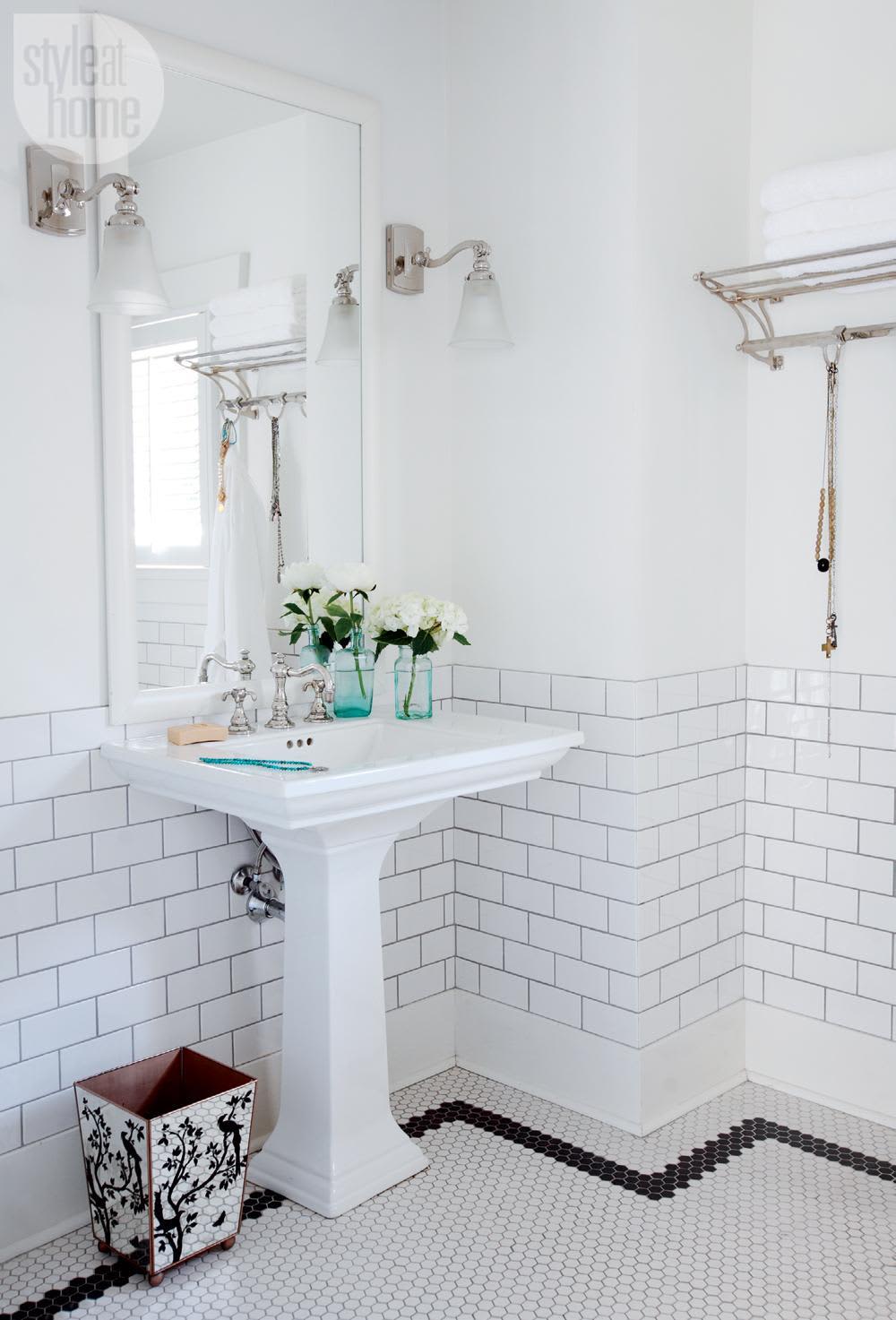
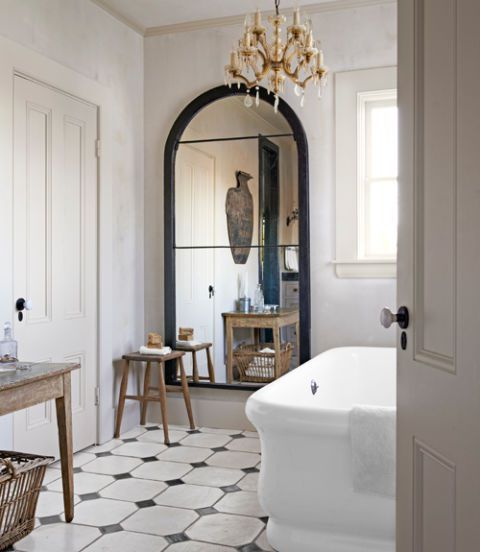
Hexagon tiles captured my attention during my second bathroom renovation because of their organic geometry that creates movement and visual interest without overwhelming small spaces. The six-sided shape offers more design flexibility than square tiles while maintaining classic appeal that works with various décor styles. I installed 2-inch white hexagon tiles in my hall bathroom, creating a sophisticated foundation that complements both vintage and contemporary fixtures. The pattern creates subtle texture and visual depth that makes the space feel larger and more dynamic.
Scale considerations became important when selecting hexagon tile sizes for different bathroom applications in my home. Large 6-inch hexagons work beautifully in spacious master bathrooms, creating bold geometric statements, while smaller 1-inch penny tiles provide delicate texture perfect for powder rooms. Medium 2-3 inch hexagons offer versatility for most standard bathroom sizes. The key is matching tile scale to room proportions to achieve balanced, harmonious design that enhances rather than overwhelms the space.
Color combinations with hexagon tiles opened creative possibilities I hadn’t considered with traditional square formats. I created custom patterns using white hexagons with occasional black accent tiles scattered randomly throughout the field for subtle visual interest. Gradient effects using different shades of the same color family create sophisticated depth. The hexagon format naturally accommodates these variations better than rigid square grids, allowing for organic, flowing patterns that feel natural rather than forced or overly designed.

Classic Marble and Natural Stone Options
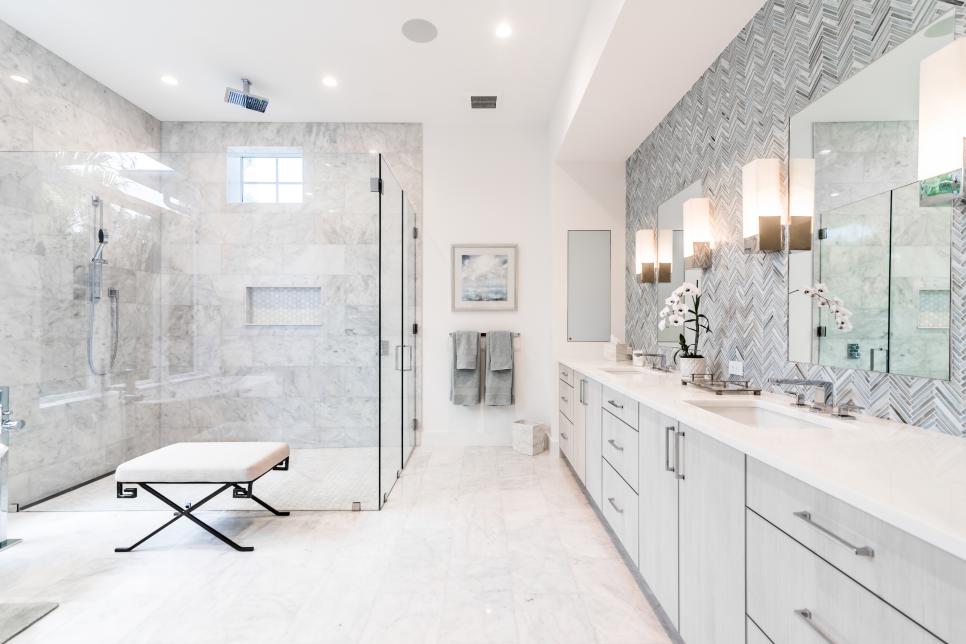
Natural marble tiles elevated my master bathroom renovation with luxurious materials that provide timeless elegance unmatched by synthetic alternatives. I chose Carrara marble with its distinctive gray veining for the main floor area, creating a spa-like atmosphere that feels both classic and contemporary. The natural variation in each tile ensures no two installations look identical, providing unique character that ceramic reproductions cannot replicate. However, I learned that marble requires specific maintenance protocols to preserve its beauty and prevent damage from bathroom chemicals and moisture exposure.
Stone selection processes taught me about different marble types and their suitability for bathroom applications through visits to multiple stone yards. Carrara offers subtle veining perfect for classic designs, while Calacatta provides dramatic veining for statement applications. I discovered that honed finishes work better than polished surfaces in bathrooms because they provide better slip resistance when wet. The natural texture and color variations create visual warmth that makes bathrooms feel more inviting and luxurious than ceramic alternatives.
Sealing requirements for natural marble floors became part of my regular maintenance routine after learning about the stone’s porous nature and susceptibility to staining. I apply penetrating sealer annually to protect against moisture infiltration and common bathroom stains from soap, shampoo, and cosmetics. The maintenance investment preserves the marble’s appearance and prevents costly restoration procedures. Despite the additional care requirements, the natural beauty and lasting value of marble flooring justify the maintenance effort for creating truly classic bathroom spaces.
Mosaic Patterns and Penny Tile Applications
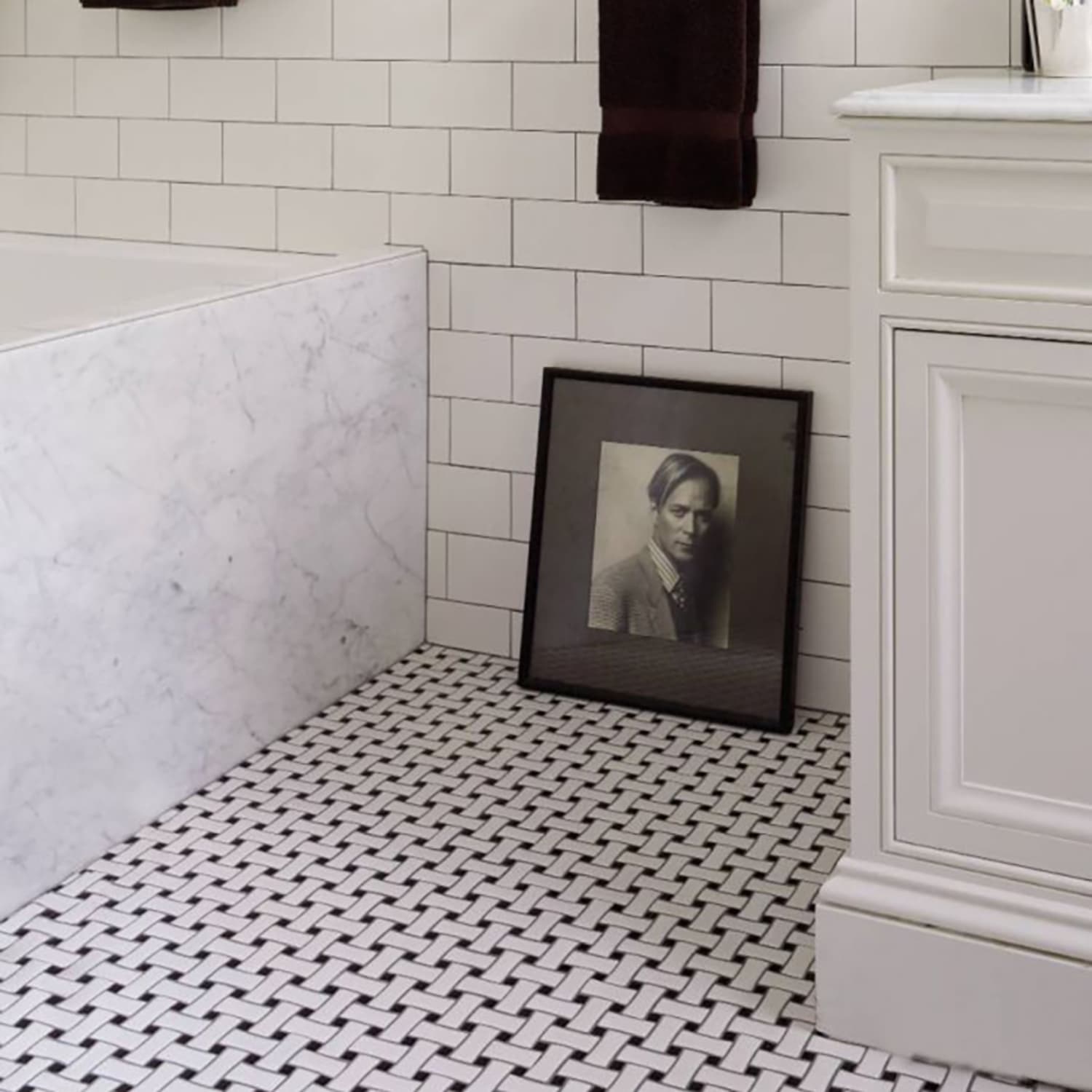
Penny tiles created charming vintage character in my 1940s home’s bathroom renovation, perfectly complementing the house’s architectural period and original fixtures. The small round tiles provide excellent slip resistance when wet while creating subtle texture that adds visual interest without overwhelming the compact space. I selected classic white penny tiles with dark grout to emphasize the individual circles and create definition. The small scale works particularly well in vintage-style bathrooms where larger tiles would feel out of proportion with original architectural details.
Installation complexity for penny tile projects exceeded my expectations due to the numerous individual pieces requiring precise alignment and consistent spacing. Each sheet contains hundreds of small tiles that must be carefully positioned to maintain straight lines and even spacing. I hired professionals for this installation because the detail work requires patience and expertise to achieve professional results. The labor-intensive process justifies higher installation costs, but the finished appearance provides unique texture and character impossible to achieve with larger tile formats.
Maintenance routines for penny tile floors require more attention to grout cleaning because of the extensive grout network created by numerous small tiles. I use a soft brush and pH-neutral cleaner weekly to prevent soap scum buildup in the many grout lines. The textured surface provides excellent traction but can harbor debris in the small crevices between tiles. Regular cleaning prevents buildup that becomes difficult to remove over time. Despite the additional maintenance requirements, penny tiles create distinctive vintage charm that enhances period-appropriate bathroom designs.
Layout Planning and Design Considerations for Lasting Appeal
Room proportions significantly influence tile selection and layout decisions in my bathroom projects, with smaller tiles generally working better in compact spaces and larger tiles suiting spacious bathrooms. I learned to create scaled drawings before purchasing materials to visualize how different tile sizes and patterns would appear in each specific space. The layout planning process prevents costly mistakes and ensures balanced, proportional designs. Critical measurements include identifying centerlines, planning border treatments, and calculating partial tile requirements along walls and fixtures.
Fixture integration requires careful planning to ensure tile patterns flow naturally around toilets, vanities, and bathtubs without creating awkward interruptions or difficult cuts. I plan tile layouts to minimize partial tiles in visible areas while accommodating plumbing penetrations cleanly. Professional templates help ensure accurate cuts around curved fixtures and complex shapes. The goal is creating seamless integration between flooring and fixtures that looks intentional rather than compromised by poor planning or execution.
Border treatments and transition details complete classic bathroom floor designs by providing finished edges and smooth connections to adjacent flooring materials. I use matching bullnose trim pieces to create clean edges along walls and thresholds. Transition strips accommodate height differences between bathroom tile and hallway flooring while preventing water migration. These finishing details often determine whether installations look professional or obviously DIY. Investing in quality trim pieces and proper installation techniques creates polished results that enhance the overall classic design aesthetic.

Which classic bathroom floor tile patterns work best in small spaces?
Small hexagon tiles and penny tiles work exceptionally well in compact bathrooms because their scale complements the space proportionally. I’ve found that subway tiles in running bond pattern also create the illusion of larger space through horizontal movement. Light colors reflect more light and make small bathrooms feel more open. Avoid large tiles or busy patterns that can overwhelm compact spaces. The key is choosing patterns that add interest without creating visual chaos in limited square footage.
How do I choose between ceramic and natural stone for classic bathroom designs?
Ceramic tiles offer consistent appearance, lower maintenance, and better stain resistance, making them practical for busy family bathrooms. Natural stone provides unique character and luxury appeal but requires regular sealing and careful maintenance. I use ceramic for kids’ bathrooms and natural stone for master suites where the extra maintenance effort is worthwhile. Consider your maintenance preferences, budget, and desired aesthetic when making this decision for long-term satisfaction.

What grout colors work best with classic black and white tile patterns?
I recommend dark gray or charcoal grout for black and white patterns because it hides soil better than white grout while maintaining clean contrast. Pure white grout looks crisp initially but requires frequent cleaning to stay attractive. Black grout can look too harsh and overwhelming. The goal is finding a color that complements both tile colors while providing practical maintenance benefits. Test small areas first to ensure you’re happy with the overall appearance.
How much should I budget for professional installation of classic bathroom floor tiles?
Professional installation typically costs $8-15 per square foot depending on tile complexity and regional labor rates. Intricate patterns like herringbone or penny tiles require more labor and cost more than simple layouts. My projects averaged $12 per square foot including materials and labor for quality ceramic tiles. Natural stone installation costs 20-30% more due to specialized handling requirements. Always get multiple quotes and verify licensing and insurance before hiring contractors.
Are classic tile patterns suitable for modern bathroom designs, or do they look outdated?
Classic patterns like subway, hexagon, and checkerboard work beautifully in modern bathrooms when executed with contemporary colors and finishes. I’ve successfully used white subway tiles with minimal grout lines for sleek modern looks and large format hexagons for sophisticated geometric interest. The key is balancing classic patterns with modern fixtures, colors, and accessories. These timeless patterns provide foundation flexibility for evolving décor styles over time.
What maintenance routine keeps classic bathroom floor tiles looking their best long-term?
Weekly cleaning with pH-neutral cleaners prevents soap scum buildup, while monthly deep cleaning addresses grout lines and textured surfaces. I seal natural stone annually and re-caulk edges as needed to prevent water damage. Regular inspection catches small problems before they become expensive repairs. The maintenance routine varies by tile type, but consistent care preserves appearance and protects your investment. Proper maintenance makes classic tiles look beautiful for decades.
Best Bathroom Tile Ideas – Beautiful Floor and Wall Tile
Traditional Tile Designs to Get That Classic Look & Feel
Related Posts: