Converting my unfinished basement into a comfortable family room three years ago taught me everything about the challenges and rewards of carpeting below-grade spaces. The project began as a simple weekend installation but evolved into a comprehensive education about moisture control, subfloor preparation, and carpet selection for challenging environments. I made several costly mistakes along the way that I’m eager to help others avoid. Through research, professional consultations, and hands-on experience, I discovered that successful basement carpeting requires different approaches than standard above-grade installations.
Moisture Assessment and Control Strategies I Learned
My first basement carpet failure occurred because I ignored moisture issues that seemed minor during dry summer months. The concrete floor felt dry to touch, so I assumed no problems existed until winter brought humidity and visible condensation along the foundation walls. Within six months, my bargain carpet developed musty odors and visible mold growth that required complete removal and professional remediation. This expensive lesson taught me that moisture assessment must happen during worst-case seasonal conditions, not ideal weather periods.
Installing a proper moisture barrier became my obsession after the initial carpet disaster forced me to understand concrete’s porous nature. I learned that concrete slabs continuously release moisture through capillary action, even in seemingly dry basements. The solution involved applying epoxy moisture barrier coatings to seal the concrete surface completely. This process required thorough surface preparation including etching and cleaning to ensure proper adhesion of the barrier system that would protect my new carpet investment.
Dehumidification equipment transformed my basement environment from problematic to consistently comfortable for carpet installation. I invested in a quality dehumidifier rated for my square footage and maintained humidity levels between 30-45% year-round. The system runs continuously during humid months and cycles on demand during winter heating seasons. This controlled environment prevents the moisture-related problems that plague most basement carpet installations and creates comfortable living space for my family’s daily use.
Subfloor Preparation Techniques That Actually Work
Leveling my concrete basement floor revealed imperfections that would telegraph through carpet and padding over time. I used self-leveling compound to address low spots and slopes that weren’t visible but became apparent when rolling a straight board across the surface. The preparation process took three days longer than anticipated, but created a smooth foundation that supports carpet properly. Rushing this step in my first attempt created permanent ridges and dips that made the finished floor look unprofessional and wear unevenly.
Insulation installation between concrete and carpet became crucial for comfort and energy efficiency in my below-grade space. I chose rigid foam board insulation with sealed joints to create a thermal barrier that prevents cold transfer from concrete to living space. This system eliminates the cold floor sensation that makes basement carpet uncomfortable during winter months. The insulation also reduces heating costs by preventing heat loss through the foundation and creates a more comfortable environment year-round.
Subfloor ventilation requirements surprised me during research for my second carpet installation attempt. I learned that trapped moisture between concrete and carpet creates ideal conditions for mold growth even with proper moisture barriers. My solution involved installing a raised subfloor system with air channels that allow moisture vapor to escape rather than accumulate. This approach costs more initially but prevents the moisture problems that destroy carpet and create health hazards in enclosed basement spaces.
Choosing the Right Carpet Materials for Basement Conditions
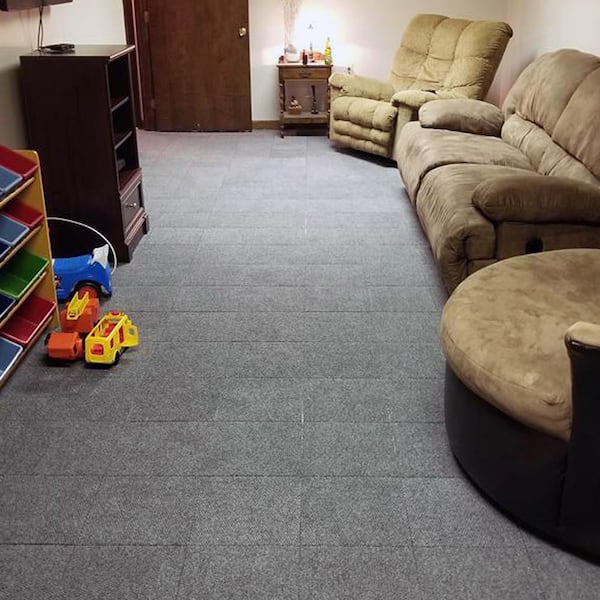
Synthetic carpet fibers proved essential for basement applications after my natural fiber experiment ended in disaster. Wool carpet looked beautiful initially but absorbed moisture readily and developed permanent odors despite professional cleaning attempts. I switched to solution-dyed nylon carpet that resists moisture absorption and maintains appearance even in challenging basement conditions. The synthetic materials clean easily and dry quickly when exposed to humidity or minor water incidents that inevitably occur in below-grade spaces.
Carpet backing selection became more important than I initially realized for basement installations where moisture exposure remains a constant threat. Traditional jute backing absorbs moisture and supports mold growth, while synthetic backings resist water absorption and dry quickly. I chose carpet with synthetic primary and secondary backing systems that won’t deteriorate when exposed to humidity. This backing choice costs slightly more but prevents the delamination problems that destroyed my first basement carpet installation within two years.
Pile height and density considerations differ significantly for basement applications compared to above-grade rooms in my experience. Low-profile carpet with dense construction performs better in basement conditions because it dries faster and resists crushing from furniture. I avoided plush, deep-pile carpets that trap moisture and debris while taking longer to dry after cleaning. The shorter pile also makes regular maintenance easier and prevents the matting problems that occur when basement humidity affects carpet fibers over extended periods.

Installation Methods for Long-lasting Results
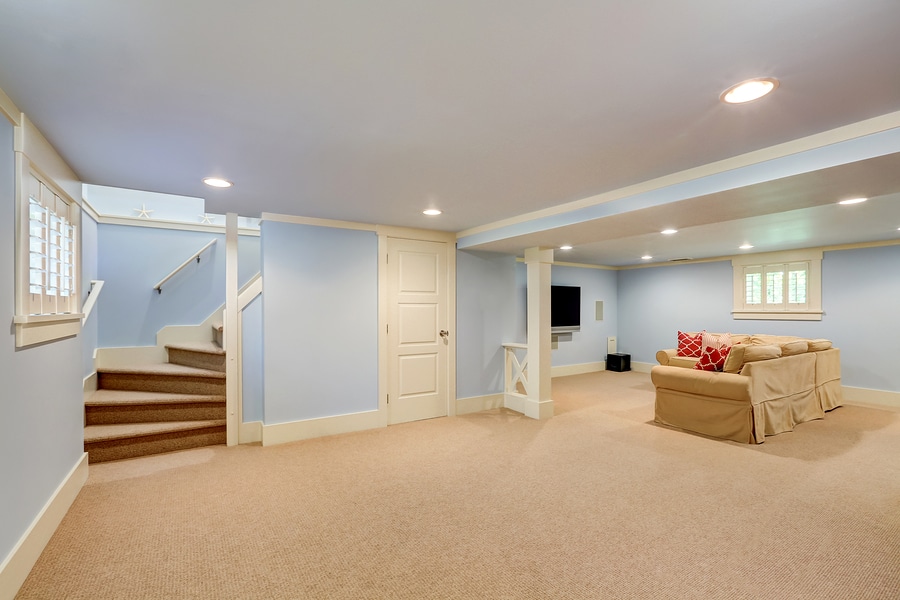
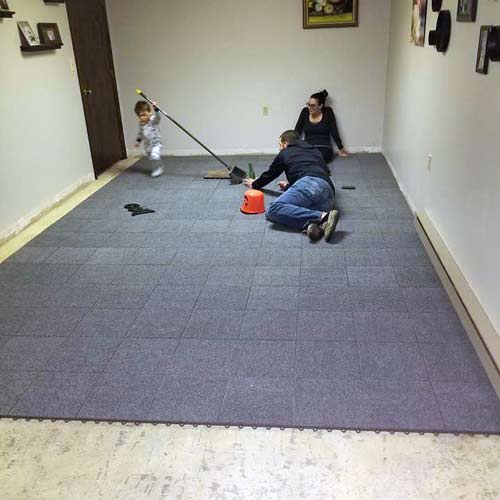
Professional installation became non-negotiable after my DIY attempt created problems that required expensive corrections. Basement carpet installation requires specialized techniques for moisture management and proper stretching over insulated subfloors. The professionals I hired understood vapor barrier integration and seaming requirements specific to below-grade conditions. Their expertise prevented the wrinkles, loose areas, and edge problems that plagued my first installation attempt and voided the carpet warranty coverage.
Seaming techniques require extra attention in basement applications where moisture exposure can weaken adhesives and cause separation over time. My installer used hot-melt seaming tape designed for challenging conditions rather than standard products that fail in high-humidity environments. The seams received additional sealing treatment to prevent moisture infiltration that could cause delamination. This attention to seaming details prevents the separation problems that create tripping hazards and professional repair expenses.
Transition strips and edge treatments needed special consideration where carpet meets concrete, stairs, or other flooring materials. I learned that standard transition strips don’t accommodate the thermal expansion differences between carpet systems and concrete foundations. My installer used flexible transition materials that move with seasonal temperature changes without creating gaps or raised edges. These specialized components cost more but prevent the edge problems that develop over time in basement installations.
Maintenance Routines That Prevent Common Problems
My cleaning schedule became more aggressive after learning how basement conditions affect carpet maintenance requirements. Weekly vacuuming removes moisture-laden debris before it can penetrate deep into carpet fibers where it supports bacterial growth. I use a vacuum with HEPA filtration to capture allergens and mold spores that concentrate in basement environments. The regular cleaning prevents soil buildup that becomes difficult to remove and creates permanent staining in carpet exposed to higher humidity levels.
Professional cleaning frequency increased from annual to semi-annual service after observing how basement carpets accumulate different types of soiling than above-grade installations. The cleaning service uses low-moisture extraction methods that minimize water introduction while effectively removing embedded soil and allergens. I schedule cleanings during low-humidity periods when drying conditions are optimal. This proactive maintenance prevents the deep soiling that requires harsh chemicals or replacement of basement carpet systems.
Immediate response to water incidents became critical for preventing permanent damage to basement carpet installations. I keep fans and dehumidifiers ready for deployment whenever water exposure occurs from plumbing leaks, surface condensation, or storm infiltration. The key is removing standing water immediately and creating airflow for rapid drying within 24-48 hours. This quick response has saved my carpet from several incidents that could have required section replacement or complete carpet removal.

Cost Analysis and Return on Investment Considerations
My basement carpet project costs exceeded initial estimates significantly once I factored in proper moisture control and subfloor preparation requirements. The total investment including moisture barriers, insulation, professional installation, and quality carpet reached $8,500 for 600 square feet. However, this investment created 600 square feet of comfortable living space that adds significant value to my home. The finished basement now serves as family room, home office, and entertainment space that we use daily.
Comparing basement carpet costs to alternative flooring options revealed surprising value propositions for properly installed systems. Luxury vinyl plank installation with proper subfloor preparation would have cost similar amounts while providing less comfort and warmth. Polished concrete looked appealing initially but required extensive prep work and still felt cold during winter months. The carpet provides comfort, sound absorption, and versatility that other options cannot match in basement applications.
Long-term maintenance costs remain reasonable when proper installation and care practices are followed consistently. My annual carpet care expenses including professional cleaning and dehumidifier operation total approximately $400 per year. This ongoing investment protects the initial installation and maintains healthy indoor air quality. The carpet has performed well for three years with minimal replacement needs, suggesting that proper installation techniques create durable systems that justify the initial investment over time.
Is it safe to install carpet in basements, or will mold always be a problem?
Properly installed basement carpet can be safe and mold-free with correct moisture control measures. I’ve had no mold issues for three years by using moisture barriers, dehumidification, and synthetic carpet materials. The key is addressing moisture sources before installation rather than hoping carpet will perform in wet conditions. Concrete sealing, proper ventilation, and humidity control create environments where carpet thrives safely in basement applications without health risks.
What type of carpet padding works best for basement concrete floors?
I recommend synthetic rubber padding specifically designed for moisture-prone areas rather than traditional foam padding that absorbs water. The padding should include moisture barriers and antimicrobial treatments to prevent mold growth. Avoid natural fiber padding materials that decompose when exposed to basement humidity. Quality synthetic padding costs more initially but lasts longer and maintains performance in challenging basement conditions while supporting carpet warranty requirements.
How much does professional basement carpet installation typically cost per square foot?
My installation cost $14 per square foot including moisture barriers, insulation, quality carpet, padding, and professional labor. Budget installations without proper prep work cost $6-8 per square foot but often fail within 2-3 years. The higher upfront investment in proper installation saves money long-term by preventing moisture damage and premature replacement. Geographic location and carpet quality significantly impact pricing, but proper basement preparation always costs more than standard installations.
Can I install basement carpet myself, or should I hire professionals?
I strongly recommend professional installation for basement carpet after my DIY disaster required expensive corrections. Basement installations require specialized moisture management techniques, subfloor preparation, and seaming methods that differ from standard carpet installation. Professionals understand vapor barrier integration, humidity control, and warranty requirements specific to below-grade conditions. The installation expertise prevents costly mistakes and ensures long-term performance that protects your investment.
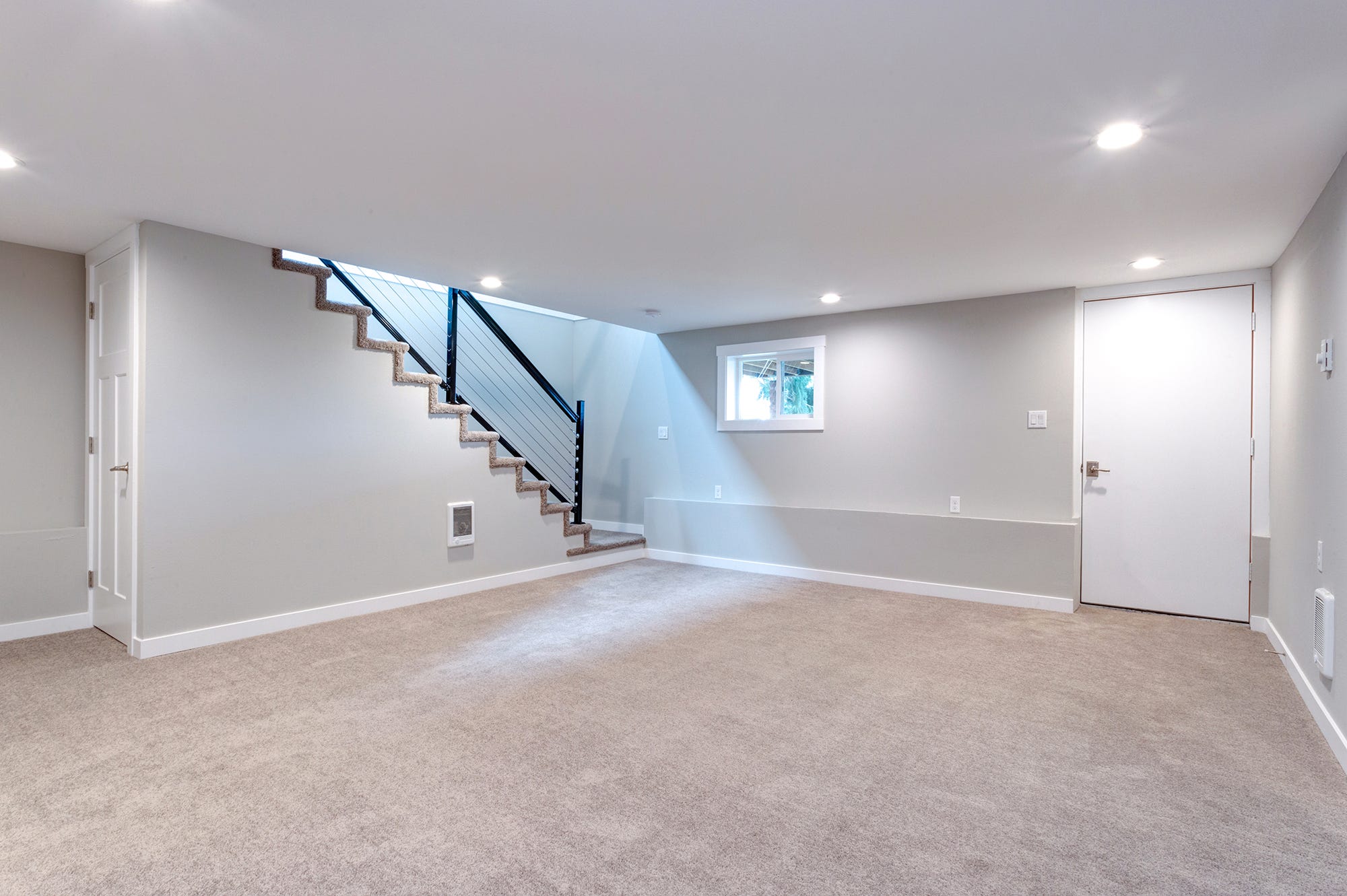
How do I know if my basement has too much moisture for carpet installation?
Test concrete moisture using plastic sheet method, taping plastic to floor for 24 hours and checking for condensation underneath. Relative humidity should stay below 60% consistently, measured with digital hygrometers over several weeks during humid seasons. I also check for water stains, efflorescence, or musty odors that indicate moisture problems. Address any moisture issues completely before carpet installation to prevent mold growth and material failure.
What maintenance routine keeps basement carpet healthy and prevents problems?
I vacuum weekly with HEPA filtration, maintain 30-45% humidity with dehumidifiers, and schedule professional cleaning twice yearly. Immediate water cleanup and fan drying prevent moisture damage from minor incidents. Monthly inspections check for odors, stains, or loose areas that need attention. This proactive maintenance schedule prevents most problems and extends carpet life significantly compared to neglected installations that fail prematurely from moisture exposure.
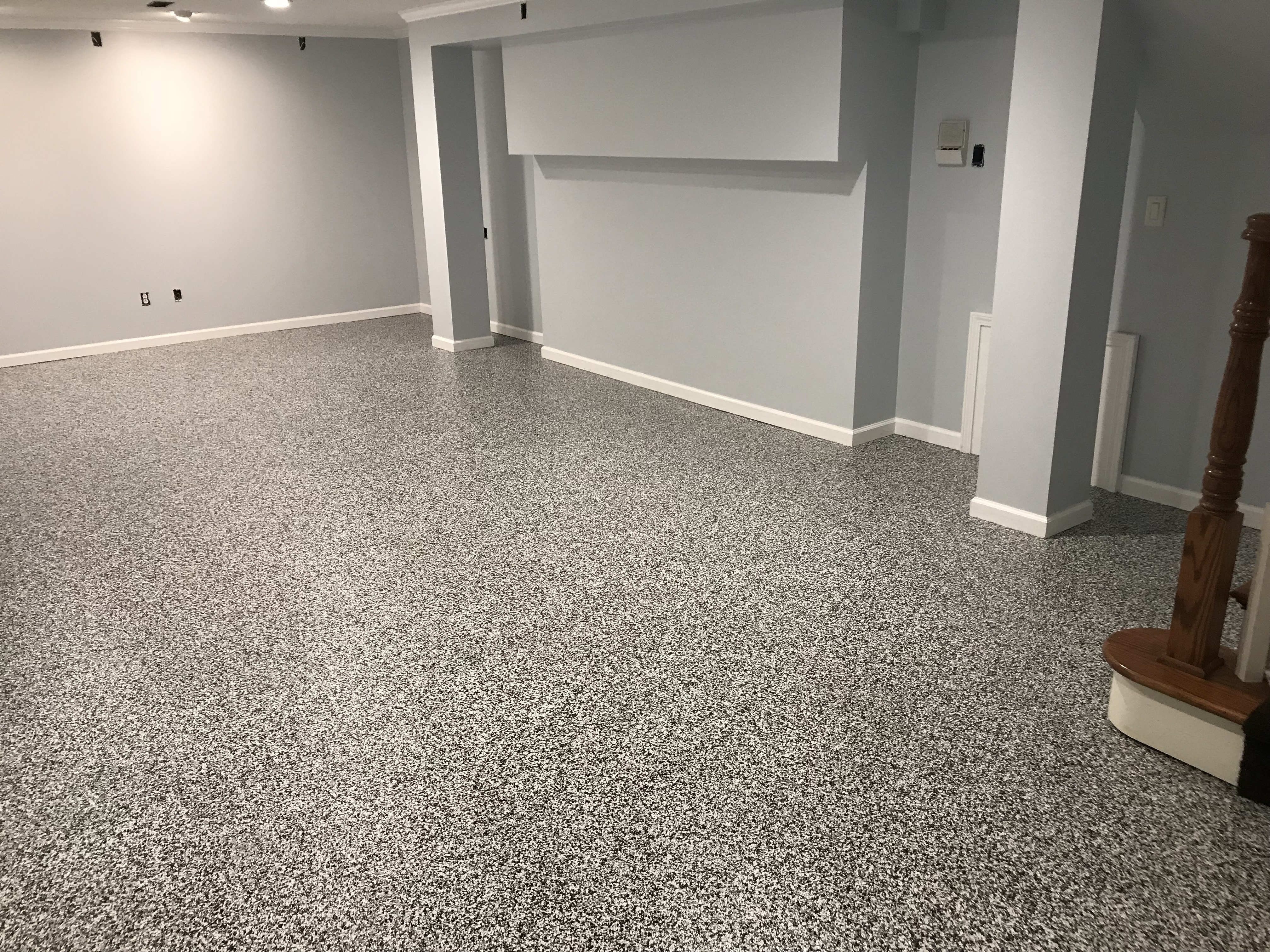
Carpet For Basement Floor
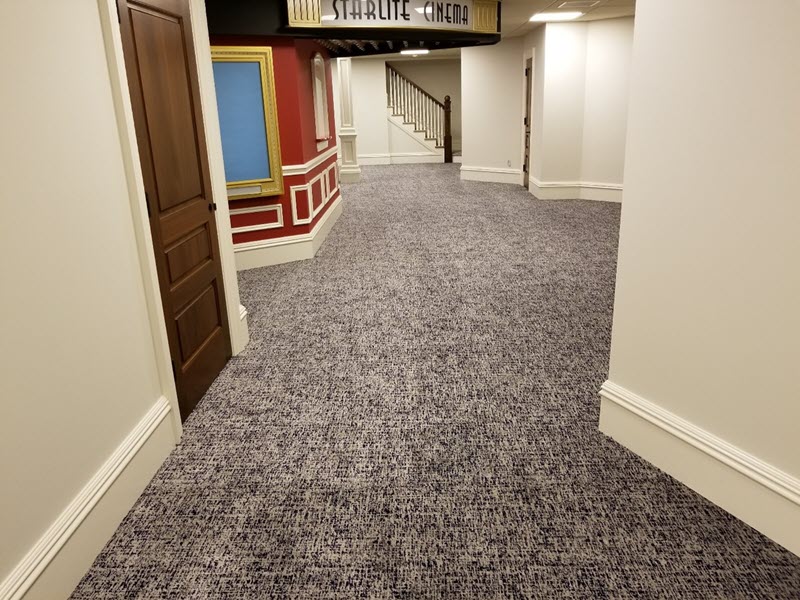
The Best Basement Paint Color and Carpet Choices This is our

Best Carpeting Ideas for Basements
Related Posts: