Vinyl flooring is a popular choice for homes and businesses due to its durability, affordability, and aesthetic appeal. However, keeping it clean and well-maintained requires the right techniques and products. Using the wrong cleaning solutions or methods can damage the surface, leaving it dull or scratched. This guide explores the best vinyl floor cleaning solutions, offering practical tips to ensure your floors stay spotless and in top condition for years.
Understanding Vinyl Flooring and Its Cleaning Needs
Vinyl flooring is a synthetic material made from layers of PVC, fiberglass, and a protective wear layer. Its waterproof nature makes it resistant to spills, but improper cleaning can strip away its shine or cause discoloration. Unlike hardwood or tile, vinyl requires gentle yet effective cleaning solutions to preserve its finish. Harsh chemicals like bleach or ammonia can break down the protective coating, leading to premature wear.
The key to maintaining vinyl floors lies in using pH-neutral cleaners specifically designed for this type of flooring. These solutions remove dirt and grime without leaving residue or causing damage. For daily upkeep, a simple mixture of warm water and a few drops of mild dish soap works well. Avoid abrasive tools like steel wool or stiff brushes, as they can scratch the surface. Instead, opt for microfiber mops or soft-bristle brooms for gentle cleaning.
Regular maintenance prevents the buildup of dirt and grime, which can make floors look dull over time. Sweeping or vacuuming with a soft brush attachment removes loose debris before mopping. For tougher stains, a specialized vinyl floor cleaner with gentle scrubbing action can restore the floor’s appearance without harming the material. By understanding the unique needs of vinyl flooring, you can keep it looking new for longer.
Choosing the Right Cleaning Solution for Vinyl Floors
Not all cleaning products are safe for vinyl floors, and selecting the wrong one can cause irreversible damage. Avoid cleaners containing wax, oil, or strong solvents, as they can leave a sticky residue or degrade the floor’s protective layer. Instead, look for products labeled as safe for vinyl or luxury vinyl plank (LVP) flooring. These are formulated to clean effectively without compromising the material’s integrity.
For a DIY approach, a mixture of white vinegar and water (one cup of vinegar per gallon of water) is a cost-effective and safe option. Vinegar’s mild acidity helps break down dirt without harming the floor. However, avoid using undiluted vinegar, as excessive acidity can weaken the adhesive layers over time. Another natural alternative is a solution of warm water with a few drops of castile soap, which cleans without leaving streaks or residue.
Commercial vinyl floor cleaners are also a reliable choice, as they are specifically designed to enhance shine and remove stubborn stains. Always follow the manufacturer’s instructions for dilution and application. Test any new cleaner in an inconspicuous area first to ensure compatibility. By choosing the right cleaning solution, you can maintain your vinyl floors’ beauty and longevity without risking damage.
Proper Techniques for Mopping Vinyl Floors
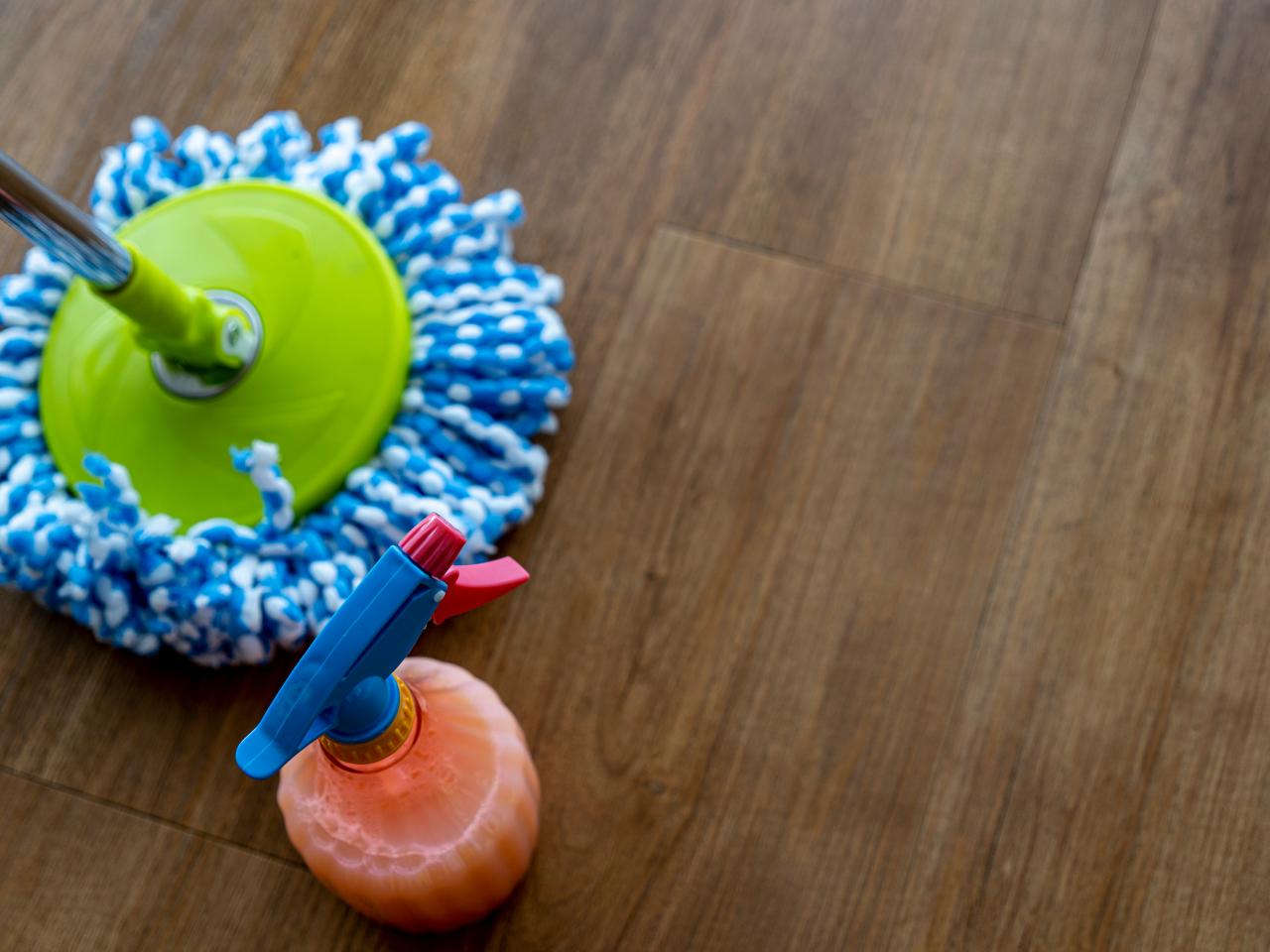
Mopping is essential for deep cleaning vinyl floors, but improper techniques can lead to streaks, water damage, or scratches. Always start by sweeping or vacuuming to remove loose dirt and debris. Excess particles can scratch the floor when mopping, so this step is crucial. Use a well-wrung mop to avoid excessive moisture, as standing water can seep into seams and cause warping or mold growth.
When mopping, work in small sections and move in the direction of the floor’s grain or pattern to prevent streaking. Change the cleaning solution frequently to avoid spreading dirt around. For stubborn spots, apply a small amount of cleaner directly to the area and gently scrub with a soft cloth or sponge. Avoid using steam mops, as high heat can loosen adhesives and damage the vinyl’s structural integrity.
After mopping, dry the floor with a clean, dry microfiber cloth to prevent water spots and ensure a streak-free finish. If using a commercial cleaner, buffing the floor lightly can enhance its shine. Consistent and proper mopping techniques will keep your vinyl floors looking pristine while preventing long-term damage from excess moisture or harsh scrubbing.
Removing Tough Stains from Vinyl Flooring
Despite its durability, vinyl flooring can still develop stubborn stains from spills like ink, grease, or food dyes. Acting quickly is crucial to prevent permanent discoloration. For oil-based stains, such as makeup or cooking grease, sprinkle baking soda or cornstarch to absorb the residue before wiping it away with a damp cloth. A small amount of rubbing alcohol can also help break down oily marks without damaging the floor.
For ink or dye stains, a mixture of hydrogen peroxide and water (equal parts) can lighten the discoloration. Apply the solution with a soft cloth, gently blotting the stain without rubbing too hard. Avoid using abrasive pads, as they can scratch the surface. For scuff marks, a magic eraser or a paste of baking soda and water can lift the marks without harming the vinyl’s finish.
Preventing stains is easier than removing them. Place mats at entryways to reduce dirt and debris, and clean spills immediately. Avoid dragging heavy furniture, as it can leave deep scratches that trap dirt. With the right stain-removal techniques, your vinyl floors can stay spotless and vibrant for years.
Maintaining Vinyl Floors for Longevity
Regular maintenance is the best way to extend the life of your vinyl flooring. Place protective pads under furniture legs to prevent scratches and dents. Use area rugs in high-traffic zones to minimize wear, but avoid rubber-backed mats, as they can discolor the floor over time. Rotate rugs occasionally to ensure even exposure to sunlight and foot traffic.
Periodic deep cleaning is essential, even if the floors appear clean. Every few months, use a specialized vinyl floor cleaner to remove embedded dirt and restore shine. Avoid waxing or polishing unless the manufacturer recommends it, as some vinyl floors have a no-wax finish that can become dull if treated with the wrong products.
Inspecting the floor for damage, such as peeling edges or cracks, allows for early repairs before issues worsen. If the protective wear layer becomes excessively worn, applying a vinyl floor polish can help rejuvenate its appearance. By following these maintenance tips, your vinyl floors will remain durable and attractive for many years.
Eco-Friendly Vinyl Floor Cleaning Solutions
For those who prefer environmentally friendly cleaning options, several natural solutions work well on vinyl floors. A mix of lemon juice and water not only cleans but also leaves a fresh scent. Lemon’s natural acidity helps break down grime without harsh chemicals. Alternatively, a few drops of essential oils like tea tree or lavender can add antibacterial properties to your cleaning solution.
Another green option is using soap nuts or plant-based detergents, which are biodegradable and non-toxic. These cleaners are gentle on vinyl floors while effectively removing dirt. Always rinse the floor with clean water after using natural solutions to prevent residue buildup.
Eco-friendly cleaning reduces exposure to harmful chemicals while keeping vinyl floors in excellent condition. By choosing sustainable products, you contribute to a healthier home environment without sacrificing cleanliness. Whether store-bought or homemade, green cleaning solutions offer a safe and effective way to maintain your vinyl flooring.
By following these guidelines, you can ensure your vinyl floors remain clean, shiny, and long-lasting. Proper care and the right cleaning solutions make all the difference in preserving their beauty and functionality.
How to Clean Vinyl Floors
Related Posts: