When I decided to replace the outdated carpet in my living room three years ago, I knew I wanted hardwood flooring that would look like it had been there for decades. After researching countless options, I fell in love with distressed hardwood flooring that offered all the character and charm of antique floors without the uncertainty of actual reclaimed wood. The hand-scraped textures, weathered edges, and subtle color variations created exactly the warm, lived-in atmosphere I was hoping to achieve. What started as a simple flooring upgrade transformed my entire home’s aesthetic and taught me valuable lessons about choosing and living with character-rich flooring.
Understanding Different Distressing Techniques and Styles
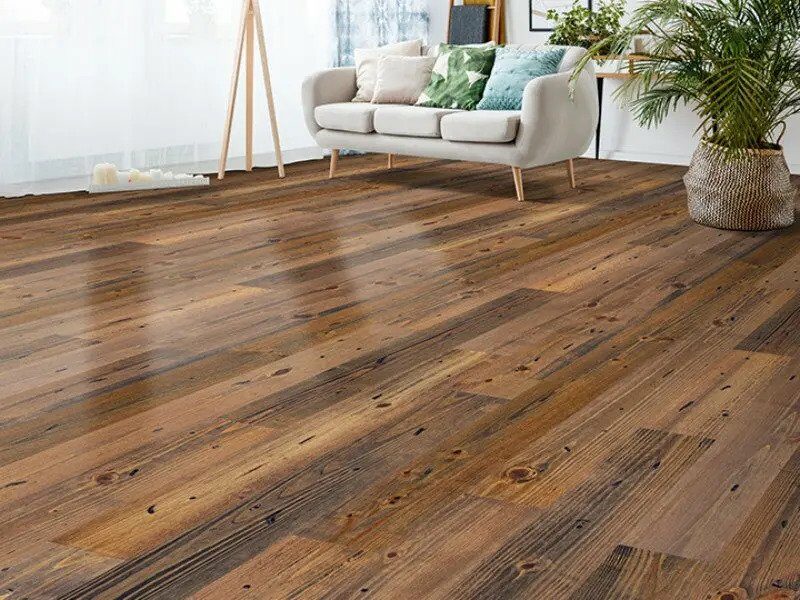
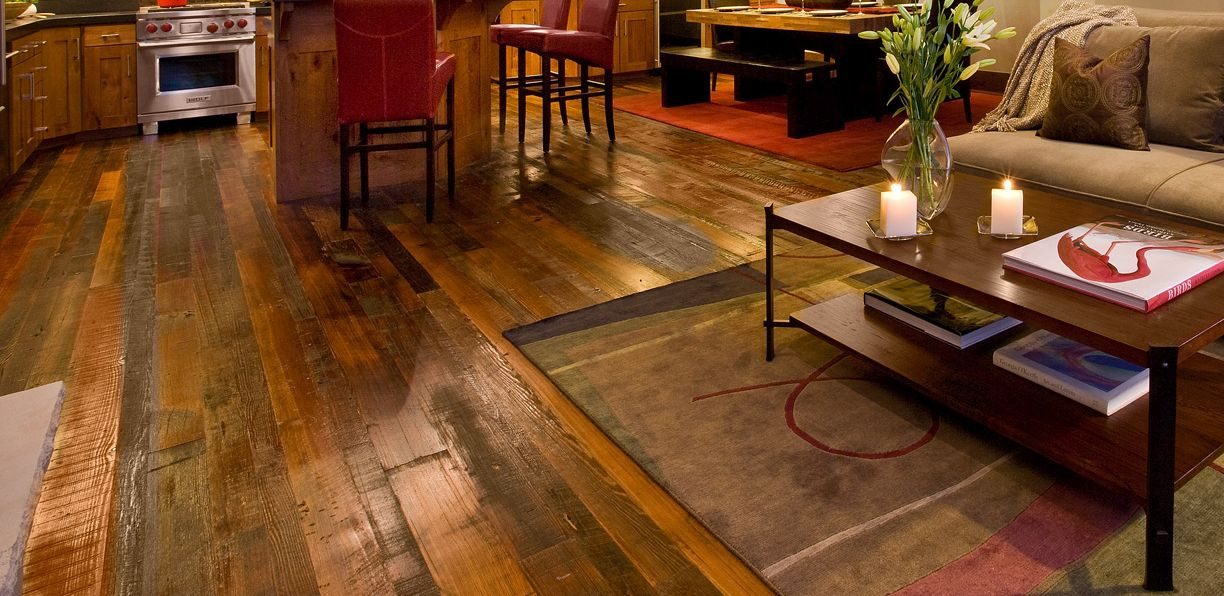
The variety of distressing techniques available surprised me when I first started shopping for hardwood flooring. Hand-scraped distressing became my top choice because it creates an authentic-looking texture that mimics floors worn smooth by generations of foot traffic. The irregular scrape marks and subtle undulations catch light beautifully, adding depth and visual interest that perfectly smooth floors simply can’t match.
Wire-brushed distressing offered another appealing option with its emphasis on highlighting the wood’s natural grain patterns. This technique removes the softer wood fibers while leaving the harder grain lines raised, creating texture that feels wonderful underfoot. I considered this approach for my bedroom, where the subtler texture would provide character without being too dramatic for a restful space.
Saw mark distressing caught my attention for its rustic, sawmill-fresh appearance that works beautifully in farmhouse or industrial-style homes. The parallel lines across each plank create rhythm and movement that draws the eye down hallways and across open spaces. Combined with edge beveling and corner rounding, these techniques work together to create flooring that looks authentically aged rather than artificially manufactured.
Selecting the Right Wood Species for Your Distressed Look
Choosing the right wood species became crucial for achieving the authentic distressed appearance I wanted. Oak emerged as my favorite choice because its pronounced grain pattern responds beautifully to distressing techniques. The contrast between the light sapwood and darker heartwood creates natural variation that becomes even more dramatic when enhanced with hand-scraping and wire-brushing treatments.
Hickory offered incredible durability along with dramatic grain patterns that showcase distressing techniques magnificently. The color variation within individual boards ranges from nearly white to deep chocolate brown, creating floors with tremendous character and visual interest. I used hickory in my kitchen, where the durability would handle heavy foot traffic while the dramatic appearance complemented my rustic cabinetry perfectly.
Pine and other softwoods provided budget-friendly options for achieving distressed looks, though they require more careful consideration for high-traffic areas. The softer wood accepts distressing readily but also continues to develop character through normal wear over time. I chose distressed pine for my home office, where moderate traffic allowed me to enjoy the warm, casual appearance without worrying about excessive wear patterns developing.
Installation Challenges and Solutions I Learned
Installing distressed hardwood flooring presented unique challenges I hadn’t anticipated from my previous flooring projects. The irregular surface textures made it crucial to ensure my subfloor was perfectly level before beginning installation. Even small imperfections that wouldn’t matter with smooth flooring became noticeable with hand-scraped surfaces, so I spent extra time with self-leveling compound to create the perfect foundation.
Acclimating the wood properly became even more important with distressed flooring because the surface treatments can affect how the wood responds to moisture changes. I stored the boxes in my living room for a full week, opening them to allow air circulation around individual boards. This extra attention to acclimation prevented the gaps and cupping issues that can be more noticeable with textured surfaces.
The installation process required adjustments to my technique, particularly around doorways and transitions. The distressed edges meant I couldn’t achieve perfectly tight joints in some areas, but I learned this actually enhanced the authentic, aged appearance I was seeking. Using a pneumatic nailer with adjustable depth settings prevented overdriving nails into the softer, distressed areas while ensuring secure attachment to the subfloor.

Finishing Options That Enhance Character
Selecting the right finish became critical for protecting my distressed hardwood while maintaining its authentic character. I chose a penetrating oil finish that soaks into the wood fibers rather than sitting on top like polyurethane. This approach allows the natural texture to remain tactile while providing excellent protection against moisture and wear. The oil finish also ages gracefully, developing a rich patina over time.
Stain selection required careful consideration because distressed surfaces accept stain differently from smooth wood. The scrape marks and wire-brushed areas absorb more stain, creating natural highlighting that emphasizes the texture beautifully. I tested multiple stain colors on sample pieces, discovering that medium-toned stains like golden oak and provincial provided the perfect balance between drama and versatility.
The application process differed significantly from finishing smooth hardwood floors. I had to work the stain into all the textured areas using brushes and rags, ensuring even penetration without creating blotchy areas. The oil finish required multiple thin coats rather than fewer thick ones, allowing each application to cure completely before adding the next layer. This patient approach created a finish that enhances rather than masks the beautiful distress.

Living with Distressed Floors: Maintenance and Care
Daily maintenance of my distressed hardwood floors proved easier than I expected once I learned the right techniques. The textured surfaces actually hide dust and small debris better than smooth floors, meaning I don’t need to sweep as frequently. When I do clean, I use a microfiber dust mop that conforms to the irregular surfaces, picking up dirt from the low areas that traditional brooms might miss.
Spill cleanup requires immediate attention, just like any hardwood floor, but the distressed texture helps disguise small water marks that might be obvious on smooth surfaces. I keep microfiber cloths handy for quick cleanups and have learned to blot rather than wipe, which prevents spreading liquids into the textured areas where they might be harder to remove completely.
The oil finish I chose requires recoating every few years, but this maintenance actually enhances the floor’s character over time. Each recoating deepens the color slightly and adds to the authentic aged appearance. I’ve found that high-traffic areas develop a beautiful patina that looks intentional rather than worn, making maintenance feel like an investment in the floor’s evolving character rather than a chore.

Decorating and Styling Around Distressed Hardwood
Decorating with distressed hardwood floors opened up design possibilities I hadn’t considered with smooth flooring. The rich textures and varied tones provide a perfect foundation for layering rugs that add color and softness without hiding the beautiful wood character. I chose area rugs with traditional patterns that complement rather than compete with the floor’s natural variation.
Furniture selection became more flexible because the distressed floors can handle pieces with character marks and imperfections that might look out of place on perfect surfaces. My antique dining table’s scratched legs and worn edges actually enhance the overall aesthetic rather than detracting from it. The floors provide enough visual interest to support both rustic and refined furniture pieces beautifully.
Lighting considerations became important for showcasing the floor’s texture and character properly. I installed dimmable fixtures that allow me to adjust the ambiance throughout the day, highlighting the beautiful scrape marks and grain patterns during evening hours. Natural light streaming through windows creates constantly changing patterns across the textured surfaces, making the floors feel alive and dynamic throughout the day.

Are distressed hardwood floors more difficult to clean than smooth floors?
Actually, I find them easier to maintain day-to-day because the texture hides dust and small debris better than smooth surfaces. For deep cleaning, I use a microfiber mop that gets into the grooves effectively. The key is using the right tools; a vacuum with a hardwood attachment works great for weekly cleaning.
Do distressed floors show scratches and dents more than regular hardwood?
The opposite is true! The existing texture and character marks camouflage new scratches and dents beautifully. My dog’s nails and furniture legs have left marks that blend seamlessly with the intentional distressing. This makes distressed floors perfect for busy families who want beautiful hardwood without worrying about every little scratch.
How much more do distressed hardwood floors cost compared to smooth options?
I paid about 15-20% more for distressed flooring compared to similar species in smooth finishes. The hand-scraping and wire-brushing processes add to manufacturing costs, but the investment pays off in character and durability. Consider that you’re getting a floor that already looks aged and won’t show normal wear as obviously.
Can I install distressed hardwood in kitchens and bathrooms?
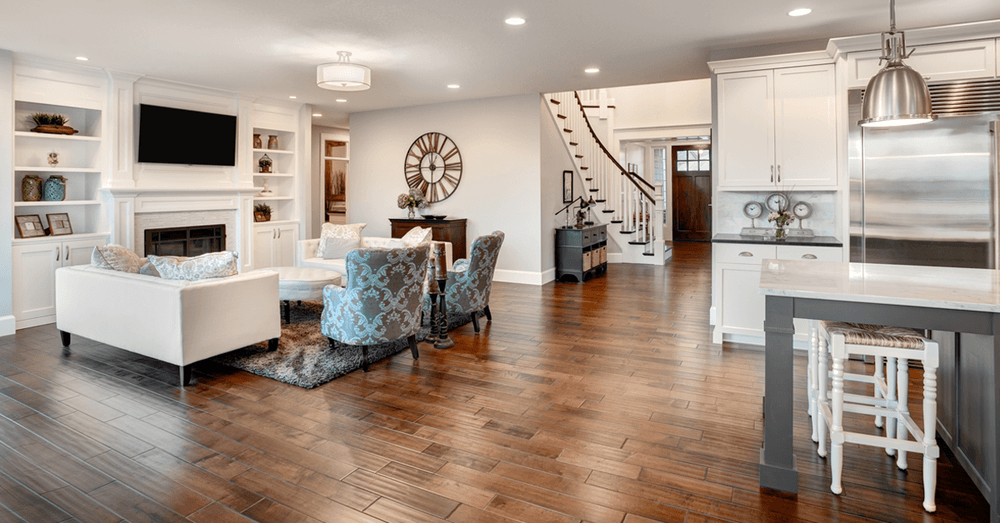
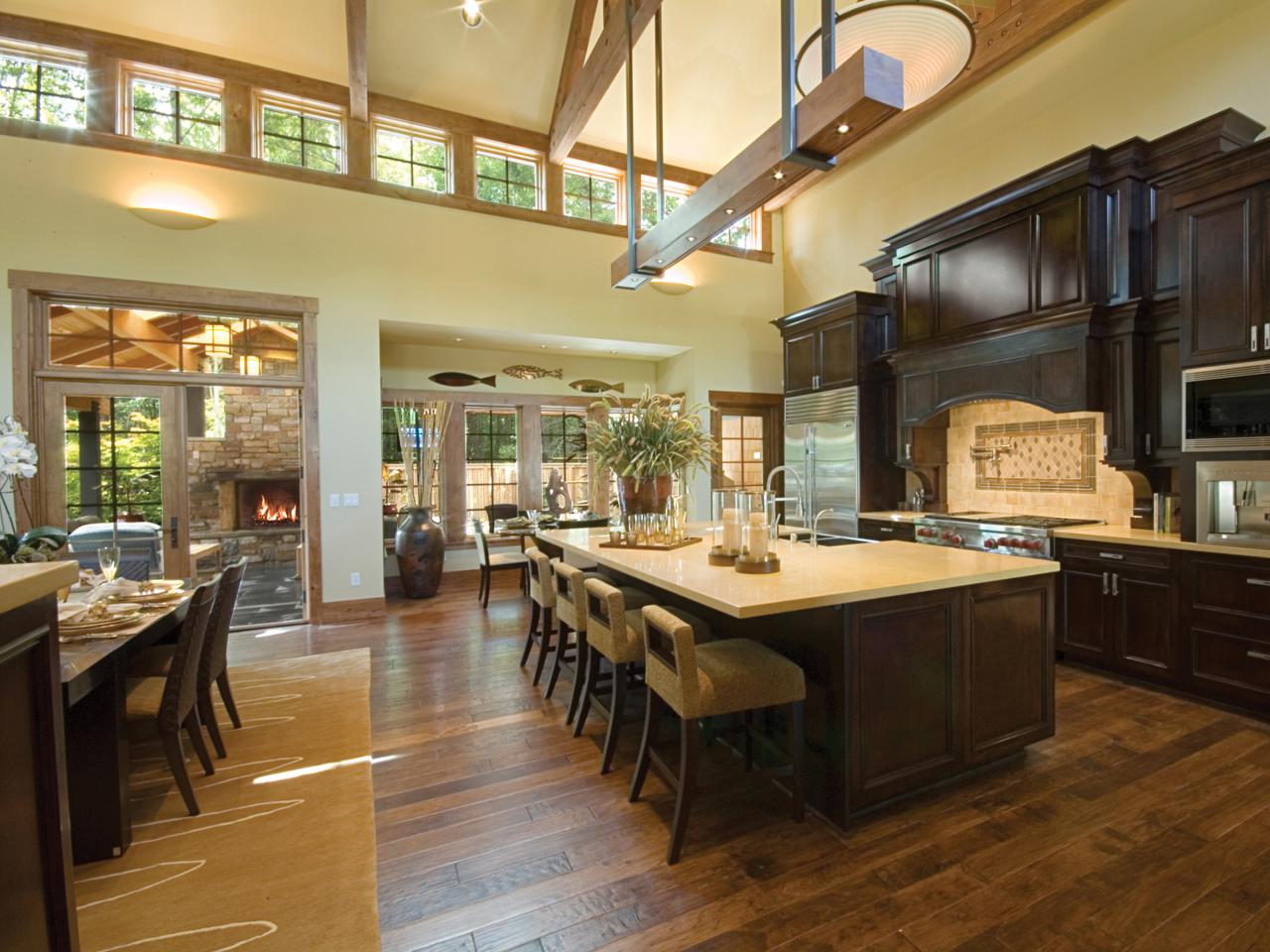
I installed mine in the kitchen with great success, but I avoid bathrooms due to moisture concerns. The distressed texture can trap moisture if not properly sealed. For kitchens, choose harder species like oak or hickory, and ensure excellent ventilation. I use rugs near the sink and clean spills immediately to protect the wood.

Will the distressed texture wear smooth over time with foot traffic?
Some softening occurs in high-traffic areas, but this actually enhances the authentic aged appearance rather than detracting from it. After three years, my floors look even better as they develop natural patina in walking paths. The original distress remains visible while gaining additional character from gentle wear patterns.
Can I refinish distressed hardwood floors if needed?
Yes, but it requires careful technique to preserve the character. I learned that light sanding maintains most of the texture while removing surface damage. A flooring professional experienced with distressed floors can re-scrape areas if needed. The oil finish I chose makes spot repairs much easier than polyurethane finishes would.

Why Do You Need Distressed Hardwood Flooring?
Hardwood Flooring in the Kitchen
Wood kitchen flooring: Is wood flooring suitable for kitchens? The
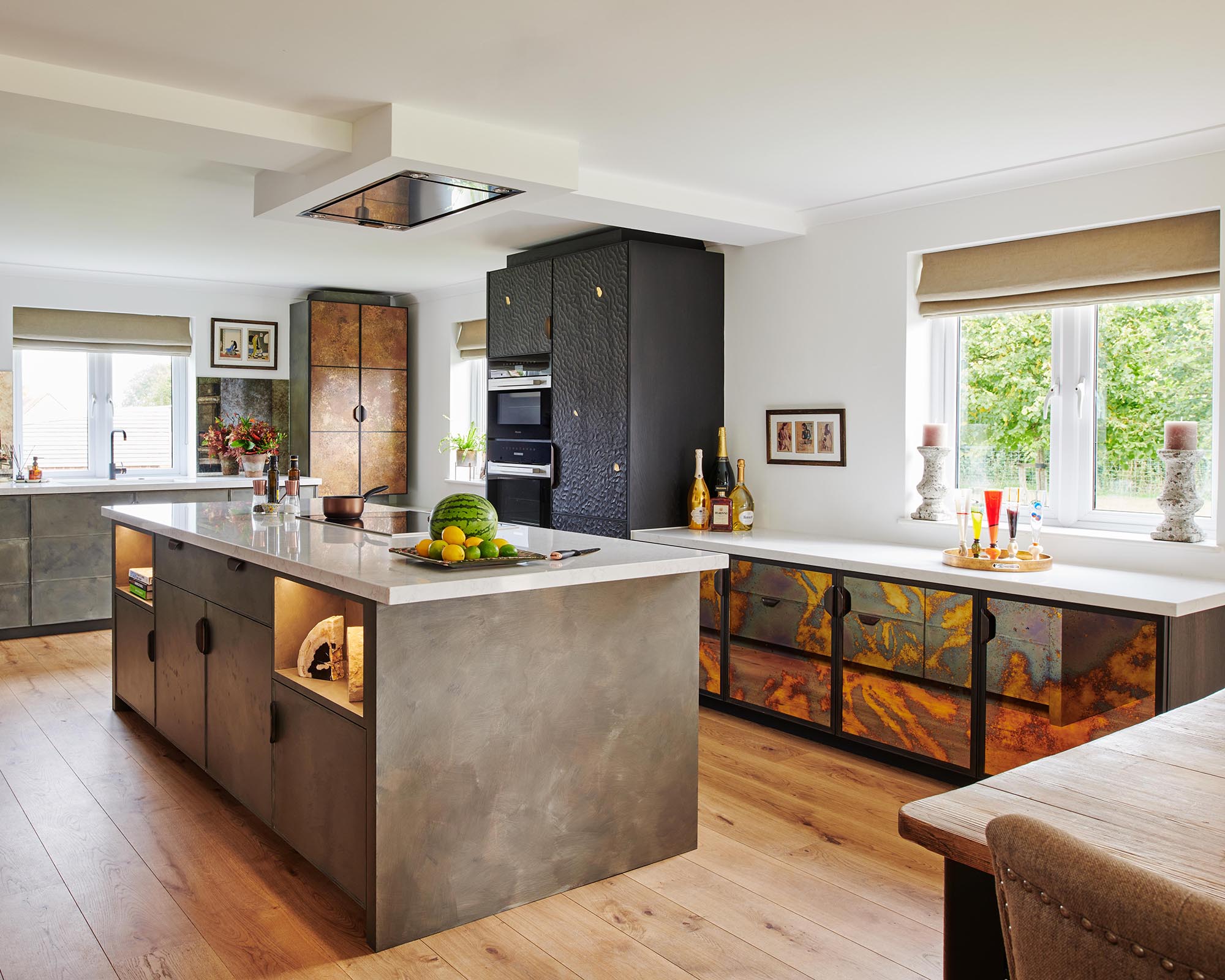
Distressed Hardwood Flooring

Related Posts: