Concrete floors are often overlooked, but with the right makeover, they can become a stunning focal point in any home or commercial space. Whether you’re aiming for an industrial look, a polished finish, or a decorative design, concrete offers durability and versatility. A well-executed makeover can improve aesthetics, increase property value, and provide a low-maintenance surface. From staining and polishing to epoxy coatings and decorative overlays, there are numerous ways to refresh concrete floors. This guide explores six key approaches to transforming your concrete floors into a stylish and functional feature.
Polished Concrete: Sleek and Modern
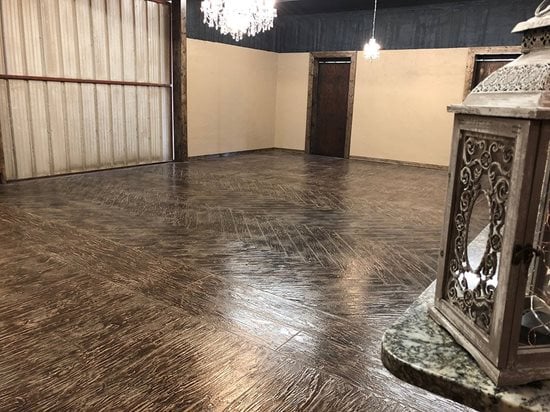
Polished concrete is a popular choice for those seeking a sleek, modern finish. The process involves grinding the surface with diamond abrasives to achieve a smooth, glossy look. This method enhances the natural beauty of concrete while making it more resistant to stains and wear. It’s ideal for high-traffic areas like retail spaces, offices, and modern homes.
The level of sheen can be customized, ranging from a satin finish to a high-gloss shine. Polished concrete also reflects light, brightening up interiors and reducing the need for additional lighting. Since it’s low-maintenance and long-lasting, this option is both cost-effective and visually appealing.
Additionally, polished concrete pairs well with radiant heating systems, making it a practical choice for colder climates. Unlike other flooring options, it doesn’t require waxing or harsh chemicals for upkeep. A simple sweep and occasional damp mop are enough to keep it looking pristine for years.
Stained Concrete: Rich Color and Depth
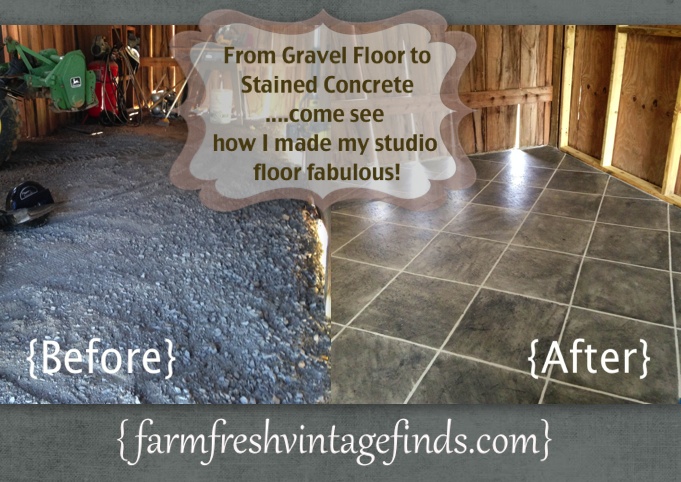
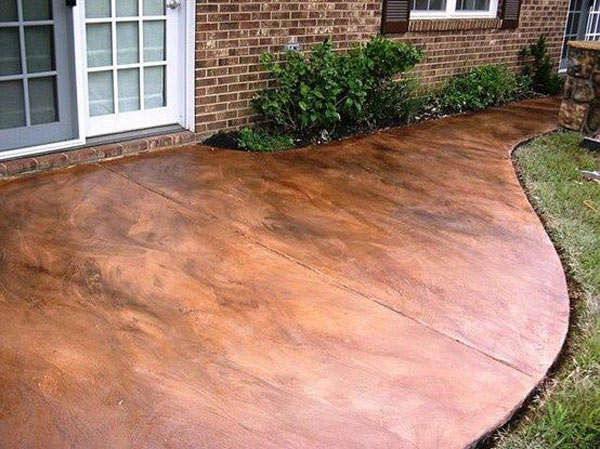
Stained concrete adds rich, vibrant colors that penetrate the surface for a long-lasting effect. Acid-based stains create unique, marbled patterns, while water-based stains offer more uniform hues. This technique works well for both indoor and outdoor spaces, allowing endless customization.
Unlike paint, stains don’t peel or chip, making them a durable option. They can mimic the look of natural stone, leather, or even wood grain. Homeowners often use stained concrete in living rooms, patios, and garages to achieve a high-end appearance without the cost of traditional materials.
Maintenance is straightforward—regular cleaning and occasional resealing keep the color vibrant. Stained concrete is also resistant to UV rays, making it suitable for sun-exposed areas. Whether you prefer earthy tones or bold shades, staining provides a cost-effective way to elevate your floors.
Epoxy Coatings: Durable and Versatile
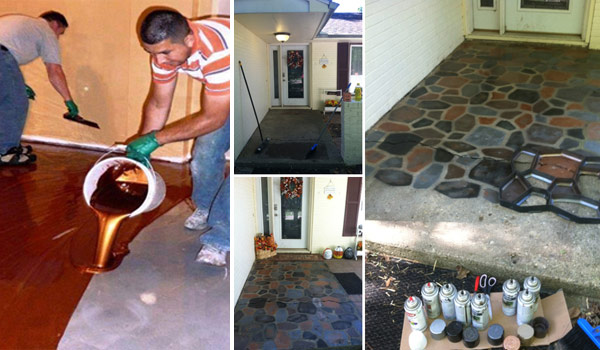
Epoxy coatings create a tough, seamless surface that resists chemicals, impacts, and heavy foot traffic. Commonly used in garages, warehouses, and industrial spaces, epoxy is also gaining popularity in residential settings. It’s available in various colors, flakes, and metallic finishes for a customized look.
The installation process involves applying multiple layers, including a primer, epoxy resin, and a protective topcoat. This results in a glossy, easy-to-clean surface that lasts for decades. Epoxy is also slip-resistant when textured additives are included, making it safe for kitchens and bathrooms.
Beyond durability, epoxy floors are hygienic, as they don’t harbor dust or allergens. They’re an excellent choice for those who want a low-maintenance, high-performance flooring solution. With proper preparation and application, epoxy can completely transform a dull concrete slab into a striking feature.
Concrete Overlays: Renew Worn Surfaces
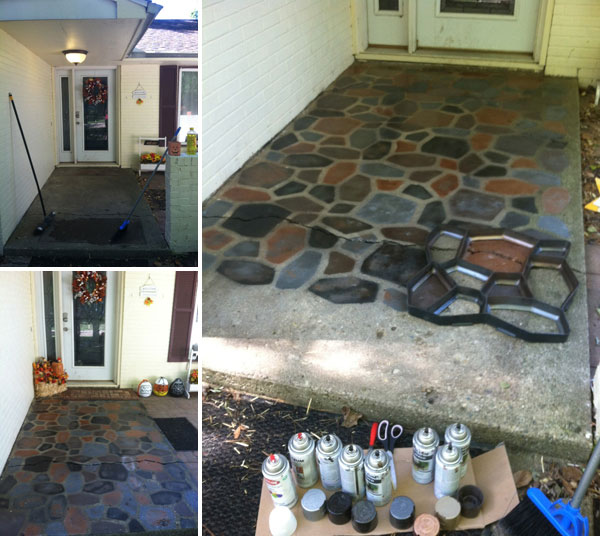
Concrete overlays are thin coatings applied over existing concrete to repair cracks, hide imperfections, and update the appearance. They come in various textures, from smooth troweled finishes to stamped patterns resembling brick or tile. Overlays are a budget-friendly alternative to full concrete replacement.
These systems can be customized with stains, dyes, or stenciled designs for a unique look. They’re particularly useful for outdated patios, driveways, and interior floors that need a fresh update. With proper installation, overlays can extend the life of old concrete by decades.
Maintenance involves routine cleaning and resealing every few years. Overlays are also resistant to weather and wear, making them a practical solution for both residential and commercial spaces. Whether you want a rustic or contemporary style, overlays offer flexibility in design.

Decorative Scoring and Stenciling
Scoring and stenciling allow for intricate patterns and designs on concrete floors. Geometric lines, faux tile layouts, and custom motifs can be etched into the surface for a high-end look. This technique works well in entryways, kitchens, and outdoor entertaining areas.
Stenciling uses templates to apply patterns with stains or paints, creating the illusion of expensive materials like marble or hardwood. It’s an affordable way to add artistic flair without the cost of real stone or wood. Scoring, on the other hand, involves cutting shallow grooves to mimic grout lines or tile layouts.
Both methods require professional precision but deliver stunning results. Since the designs are part of the concrete, they won’t fade or wear off like surface paint. This makes them a long-lasting option for those wanting a personalized touch.
Sealing and Protecting Your Concrete Floors
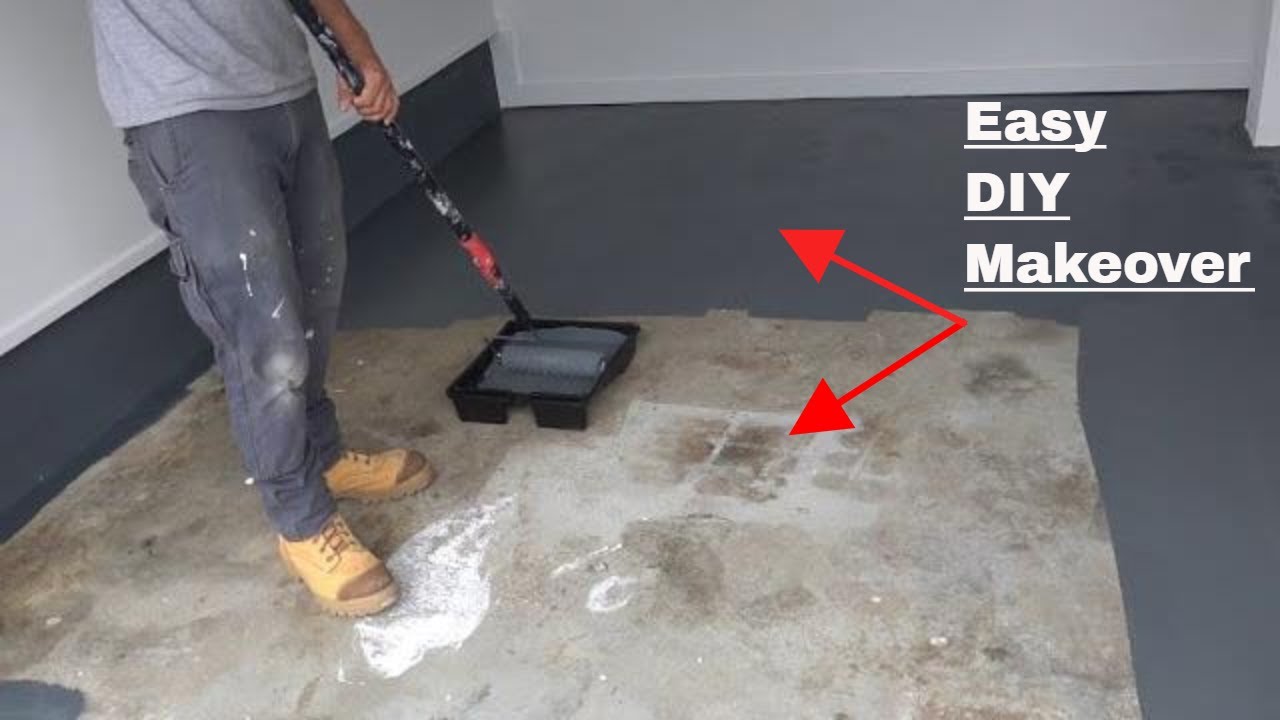
Sealing is essential for preserving any concrete floor makeover. A high-quality sealer prevents moisture damage, stains, and wear while enhancing color and shine. Penetrating sealers soak into the concrete, while topical sealers form a protective layer on top.
The right sealer depends on the floor’s use and exposure. Outdoor concrete benefits from UV-resistant sealers, while indoor floors may need non-slip additives. Reapplying sealant every few years ensures long-term protection and maintains the floor’s appearance.
Proper sealing also makes cleaning easier, as it repels dirt and spills. Whether you’ve polished, stained, or epoxied your floors, sealing is the final step to ensuring durability and beauty. Investing in a good sealer prolongs the life of your concrete makeover.
How long does a concrete floor makeover take?
The duration depends on the method chosen. Polishing or staining may take 2-5 days, including drying time. Epoxy coatings require 3-7 days due to multiple layers and curing. Overlays and decorative finishes can take a week or more, depending on complexity. Proper surface preparation, such as cleaning and repairs, adds to the timeline. Rushing the process can lead to poor adhesion or imperfections. Always consult a professional for an accurate estimate based on your project scope.
Can I DIY a concrete floor makeover?
Some methods, like staining or painting, are DIY-friendly with the right tools and preparation. However, polishing, epoxy, and overlays often require professional equipment and expertise. Mistakes can be costly to fix, so it’s best to assess your skill level before starting. Proper surface cleaning, crack repairs, and moisture testing are crucial steps that amateurs may overlook. For long-lasting results, hiring a contractor ensures quality and durability.
How much does a concrete floor makeover cost?
Costs vary widely based on the technique and square footage. Basic staining ranges from $2-$5 per sq. ft., while polishing costs $3-$12 per sq. ft. Epoxy coatings average $3-$12 per sq. ft., and decorative overlays can be $5-$15 per sq. ft. Additional factors like repairs, sealing, and design complexity affect pricing. While DIY options save money, professional work guarantees better longevity. Obtain multiple quotes to find the best value for your budget.
Will a concrete floor makeover increase home value?
Yes, a well-executed concrete makeover can boost property value. Polished and stained floors appeal to buyers seeking modern, low-maintenance surfaces. Epoxy coatings in garages add functionality, while decorative finishes enhance visual appeal. Unlike carpet or laminate, concrete lasts decades with minimal upkeep. Real estate experts note that upgraded flooring attracts higher offers. Investing in quality materials and professional installation maximizes return on investment.

How do I maintain my refinished concrete floors?
Regular sweeping and damp mopping keep floors clean. Avoid harsh chemicals that can damage sealers—pH-neutral cleaners are best. Resealing every 2-5 years maintains protection, especially in high-traffic areas. For epoxy floors, use non-abrasive pads to prevent scratches. Place mats at entryways to reduce dirt and grit. Immediate spill cleanup prevents staining. Proper care ensures your floors stay beautiful for years without extensive maintenance.
Are concrete floors cold and uncomfortable?
Concrete can feel cold, but area rugs or radiant heating systems add warmth. In warmer climates, the thermal mass helps regulate indoor temperatures. For added comfort, anti-fatigue mats work well in kitchens or workshops. Decorative finishes like stained or polished concrete don’t affect temperature but improve aesthetics. If comfort is a concern, consider overlays with textured finishes for better traction and insulation. Proper sealing also minimizes moisture-related coldness.
How to Paint Concrete Floor – Patio Makeover

Covered Patio Makeover With Painted Concrete Slab Your old

Finish My Ugly Concrete Floor u2013 DIYCONCRETE.COM

Stenciled Patio Makeover Tutorial – Jenna Sue Design Paint

Related Posts: