As a homeowner who loves to cook and spend time in the kitchen, I understand the importance of keeping this high-traffic area clean and well-maintained. Among the various kitchen flooring options, linoleum stands out for its durability, affordability, and eco-friendly properties. However, like any other flooring material, linoleum requires regular deep cleaning to maintain its appearance and integrity. I will share my personal experience and insights on how to effectively deep clean a linoleum kitchen floor, including step-by-step instructions, essential cleaning solutions, and helpful maintenance tips to keep your linoleum floor looking its best.
Gather the Right Cleaning Supplies
Before diving into the deep cleaning process, it’s essential to gather the necessary cleaning supplies to make the task more efficient and effective.
Cleaning Supplies:
Broom or vacuum cleaner with a soft brush attachment
Mop (microfiber or sponge)
Bucket
Warm water
Mild dish soap or linoleum-specific cleaner
White vinegar
Soft cloths or microfiber towels
Rubber gloves (optional)
Soft-bristled brush (for tough stains)
Remove Loose Dirt and Debris
Start the deep cleaning process by removing loose dirt, dust, and debris from the linoleum kitchen floor. This step prevents these particles from scratching the floor’s surface during the cleaning process.
Cleaning Steps:
Sweep the floor with a broom or use a vacuum cleaner with a soft brush attachment to pick up loose dirt and debris.
Pay attention to corners and crevices, as these areas tend to accumulate more dirt.
Prepare a Cleaning Solution
Linoleum is a resilient flooring material, but harsh chemicals can damage its surface. Instead, opt for a gentle and effective cleaning solution to preserve the linoleum’s appearance.
Cleaning Solution Options:
Mild Dish Soap Solution: Mix a few drops of mild dish soap with warm water in a bucket.
Linoleum-Specific Cleaner: If available, use a linoleum-specific cleaner following the manufacturer’s instructions.
Vinegar Solution: Create a natural cleaning solution by mixing equal parts of white vinegar and warm water.
Mop the Linoleum Floor
With the cleaning solution prepared, it’s time to mop the linoleum kitchen floor thoroughly. Mopping helps remove stains, spills, and grime while leaving the surface sparkling clean.
Mopping Technique:
Dip the mop into the cleaning solution and wring out excess liquid.
Mop the floor in small sections, working your way from one side of the room to the other.
For stubborn stains, let the cleaning solution sit for a few minutes before gently scrubbing with a soft-bristled brush.
Avoid using excessive water, as standing water can seep into the seams and damage the linoleum.
Rinse the Floor
After mopping, it’s essential to rinse the linoleum floor thoroughly to remove any soapy residue and maintain its shine.
Rinsing Steps:
Fill a bucket with clean, warm water.
Use a clean mop or sponge to dampen the floor with water, going over the entire surface.
Rinse the mop or sponge frequently to ensure you’re not spreading dirty water back onto the floor.
Dry the Floor
Linoleum is water-resistant, but excessive moisture can still cause damage over time. Drying the floor promptly is crucial to prevent potential issues.
Drying Tips:
Use soft cloths or microfiber towels to dry the floor manually, especially in high-traffic areas or around the sink.
Open windows or use fans to improve air circulation and speed up the drying process.
Apply Protective Coating (Optional)
To further enhance the linoleum floor’s protection and shine, consider applying a linoleum-specific floor polish or wax.
Applying Protective Coating:
Follow the manufacturer’s instructions for applying the floor polish or wax.
Use a clean mop or applicator to spread the coating evenly on the linoleum surface.
Allow the protective coating to dry completely before resuming normal use of the kitchen.
Maintain the Linoleum Kitchen Floor
To extend the life of your linoleum floor and keep it looking pristine, regular maintenance is key.
Maintenance Tips:
Sweep or vacuum the floor regularly to remove loose dirt and debris.
Clean up spills promptly to prevent stains and moisture damage.
Avoid using harsh chemicals or abrasive scrubbers that may damage the linoleum surface.
Deep cleaning a linoleum kitchen floor is a straightforward process that requires the right cleaning supplies and a gentle approach to protect this resilient flooring material. By following the step-by-step instructions and using a suitable cleaning solution, you can remove dirt, stains, and grime effectively, leaving your linoleum floor looking fresh and well-maintained. Remember to dry the floor thoroughly to prevent any potential damage and consider applying a protective coating to enhance its shine and durability. With proper maintenance, your linoleum kitchen floor will continue to be a beautiful and functional focal point of your home for years to come.
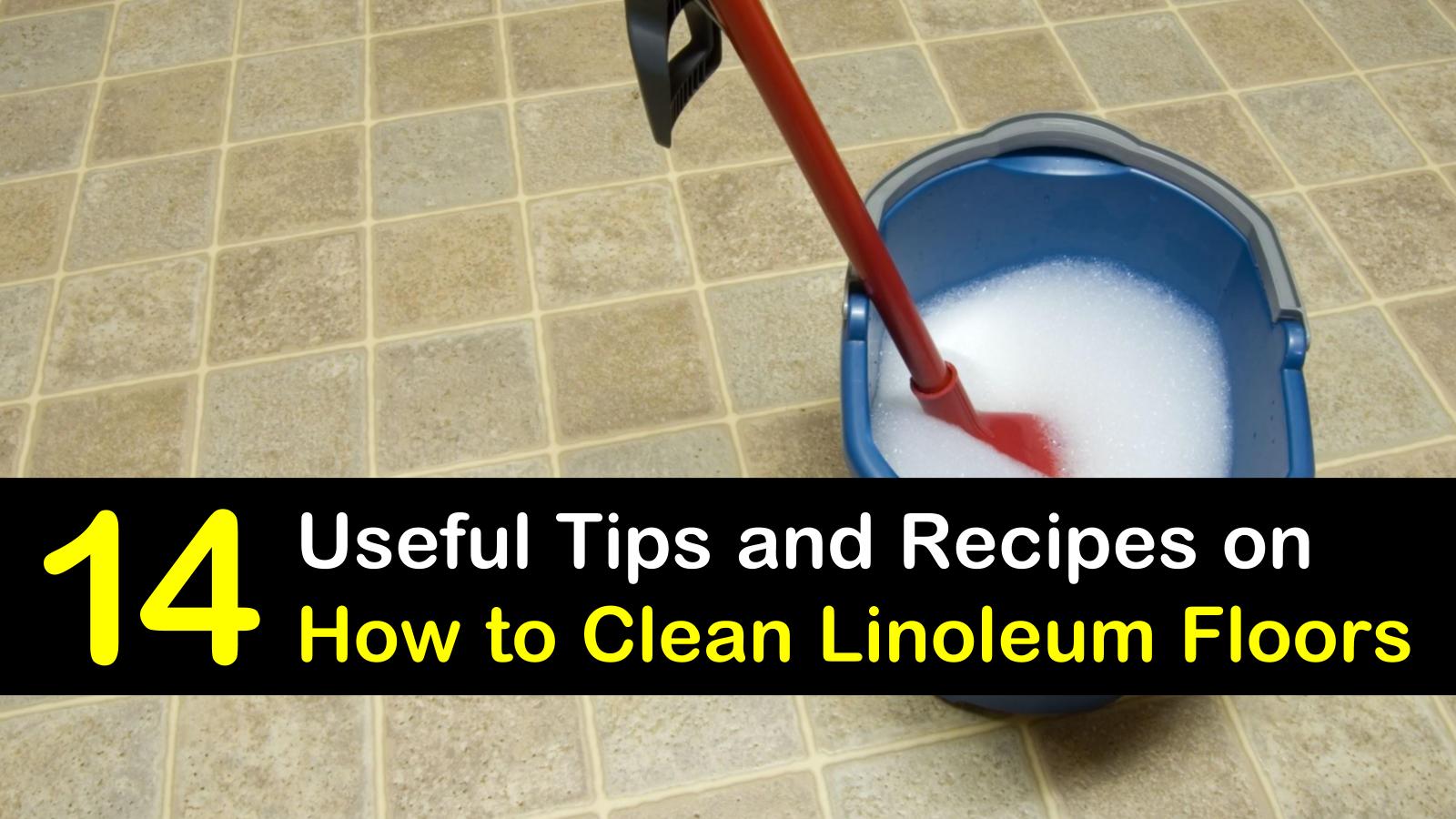
How to Clean Linoleum Floors: 9 Steps (with Pictures) – wikiHow
How To Clean Linoleum Floors – The Maids
How to clean old linoleum? Hometalk
Cleaning Old Scratched-Up Linoleum Floors Cleaning vinyl floors
How to Clean Linoleum Floors » How To Clean Stuff.net
We use cookies on our website to give you the most relevant experience by remembering your preferences and repeat visits. By clicking “Accept All”, you consent to the use of ALL the cookies. However, you may visit "Cookie Settings" to provide a controlled consent.
This website uses cookies to improve your experience while you navigate through the website. Out of these, the cookies that are categorized as necessary are stored on your browser as they are essential for the working of basic functionalities of the website. We also use third-party cookies that help us analyze and understand how you use this website. These cookies will be stored in your browser only with your consent. You also have the option to opt-out of these cookies. But opting out of some of these cookies may affect your browsing experience.
Necessary cookies are absolutely essential for the website to function properly. These cookies ensure basic functionalities and security features of the website, anonymously.
Cookie
Duration
Description
cookielawinfo-checkbox-analytics
11 months
This cookie is set by GDPR Cookie Consent plugin. The cookie is used to store the user consent for the cookies in the category "Analytics".
cookielawinfo-checkbox-functional
11 months
The cookie is set by GDPR cookie consent to record the user consent for the cookies in the category "Functional".
cookielawinfo-checkbox-necessary
11 months
This cookie is set by GDPR Cookie Consent plugin. The cookies is used to store the user consent for the cookies in the category "Necessary".
cookielawinfo-checkbox-others
11 months
This cookie is set by GDPR Cookie Consent plugin. The cookie is used to store the user consent for the cookies in the category "Other.
cookielawinfo-checkbox-performance
11 months
This cookie is set by GDPR Cookie Consent plugin. The cookie is used to store the user consent for the cookies in the category "Performance".
viewed_cookie_policy
11 months
The cookie is set by the GDPR Cookie Consent plugin and is used to store whether or not user has consented to the use of cookies. It does not store any personal data.
Functional cookies help to perform certain functionalities like sharing the content of the website on social media platforms, collect feedbacks, and other third-party features.
Performance cookies are used to understand and analyze the key performance indexes of the website which helps in delivering a better user experience for the visitors.
Analytical cookies are used to understand how visitors interact with the website. These cookies help provide information on metrics the number of visitors, bounce rate, traffic source, etc.
Advertisement cookies are used to provide visitors with relevant ads and marketing campaigns. These cookies track visitors across websites and collect information to provide customized ads.



 Related Posts: