Updating your kitchen flooring can dramatically improve both the look and functionality of your space. With the right materials and techniques, this is a project many homeowners can tackle themselves. From durable vinyl to classic tile, there are numerous options to suit different styles, budgets, and skill levels. This guide discusses several DIY-friendly kitchen flooring choices, covering installation tips, pros and cons, and maintenance considerations to help you make the best decision for your home.
Vinyl Plank Flooring
Vinyl plank flooring has become a top choice for DIY kitchen projects due to its affordability and ease of installation. These planks mimic the look of hardwood but are waterproof, making them ideal for kitchens. Most vinyl plank options feature a click-lock system, allowing them to snap together without glue or nails. Floating installations are common, meaning the planks rest on top of the subfloor rather than being secured down.
One major advantage is its resilience against spills and moisture, a must in kitchens. Unlike real wood, vinyl won’t warp or swell when exposed to water. It’s also softer underfoot compared to tile, reducing fatigue during long cooking sessions. Many varieties come with attached underlayment, which helps with sound absorption and minor subfloor imperfections.
Maintenance is simple, requiring only regular sweeping and occasional mopping with a mild cleaner. While highly durable, sharp objects can scratch the surface, so felt pads under furniture are recommended. Vinyl plank flooring is available in countless colors and patterns, from realistic wood grains to stone effects, making it easy to match any kitchen style.
Laminate Flooring
Laminate flooring offers a budget-friendly alternative to hardwood with a similar aesthetic appeal. Made from composite wood pressed together and topped with a photographic layer, laminate can replicate wood, tile, or even stone looks. It’s installed as a floating floor, with planks clicking together over an underlayment. This makes it a straightforward DIY project for those comfortable with basic tools.
Durability is a strong point, as the top wear layer resists scratches, stains, and fading. However, laminate is not waterproof, so spills should be wiped up quickly to prevent damage. Newer waterproof laminate options are available, but traditional laminate can swell if exposed to prolonged moisture. Using area rugs near sinks and dishwashers can help protect it.
Installation requires a clean, level subfloor to prevent uneven spots or gaps. A foam underlayment provides cushioning and soundproofing. While laminate is easy to clean with regular sweeping and damp mopping, it can’t be refinished like hardwood. Once worn, replacement is the only option, but its affordability makes this less of a concern for many homeowners.
Ceramic or Porcelain Tile
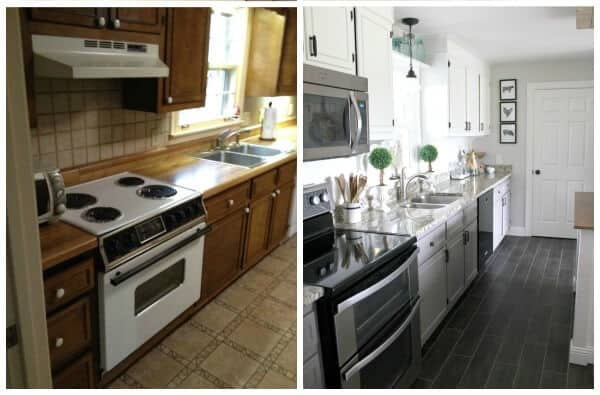
Tile flooring is a classic choice for kitchens, known for its durability and water resistance. Ceramic and porcelain tiles are the most common, with porcelain being denser and more resistant to moisture. Both come in endless colors, patterns, and textures, allowing for creative designs. Installation involves laying tiles in thin-set mortar, spacing them with grout lines, and sealing for protection.
Tile excels in high-moisture areas, making it perfect for kitchens prone to spills. It’s also heat-resistant, so hot pans won’t damage the surface. However, tile is hard underfoot, which can be tough on legs and backs during long cooking sessions. Using anti-fatigue mats in key areas can help. The grout lines require periodic sealing to prevent stains and moisture penetration.
DIY installation is possible but requires patience and precision. Cutting tiles to fit around cabinets and appliances takes practice, and uneven mortar application can lead to lippage. A leveling system can help beginners achieve a professional look. While tile is low-maintenance, cracked or chipped tiles can be replaced individually, extending the floor’s lifespan.
Engineered Hardwood
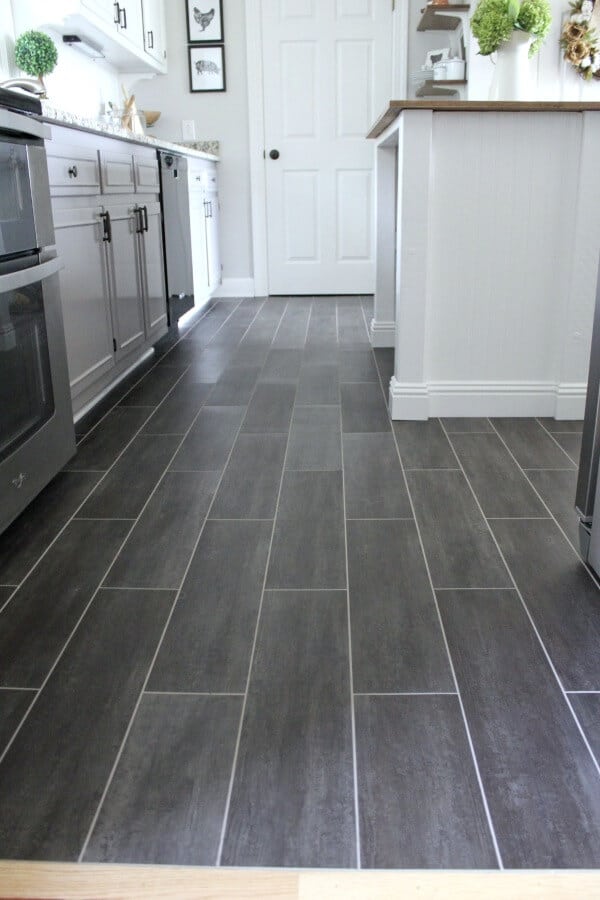
Engineered hardwood brings the warmth of real wood to kitchens while offering better moisture resistance than solid hardwood. Its layered construction, with a plywood base and real wood veneer, minimizes expansion and contraction. It can be glued down, nailed, or floated, depending on the product and subfloor.
This flooring adds timeless elegance to kitchens and can be refinished once or twice if the top layer is thick enough. However, standing water can still damage it, so rugs near sinks are advisable. Engineered wood is more stable than solid wood, making it suitable for kitchens with moderate humidity levels.
Installation requires acclimating the planks to the room’s humidity for at least 48 hours. A moisture barrier is essential when installing over concrete to prevent warping. While more expensive than laminate or vinyl, engineered hardwood adds significant resale value and can last decades with proper care. Regular sweeping and occasional damp mopping keep it looking its best.

Peel-and-Stick Vinyl Tile
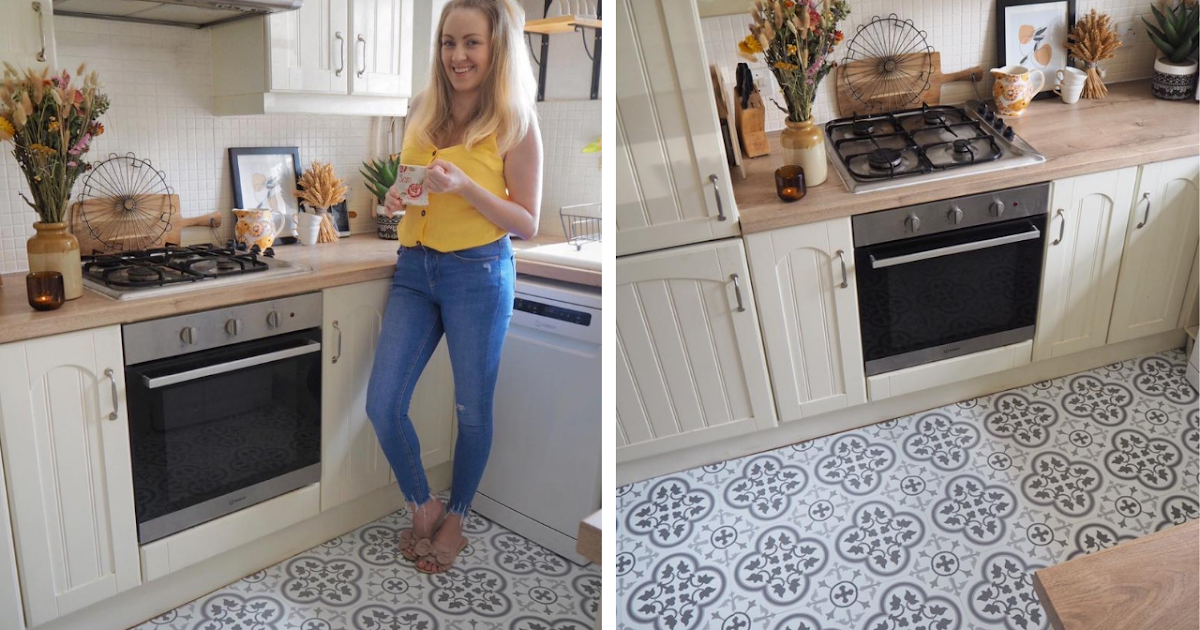
Peel-and-stick vinyl tiles are one of the easiest DIY flooring options, perfect for quick kitchen updates. These tiles have a self-adhesive backing, allowing them to stick directly to a clean, smooth subfloor. They come in various designs, including faux stone, wood, and geometric patterns.
This option is ideal for renters or those on a tight budget, as it’s affordable and can be installed in a day. However, durability is lower than other options, and heavy appliances can cause tiles to lift. Proper subfloor preparation is key, as any bumps or debris will show through.
Maintenance involves regular sweeping and occasional mopping with a vinyl-safe cleaner. While not as long-lasting as other materials, peel-and-stick tiles are easy to replace if damaged. They’re also a great temporary solution while saving for a more permanent floor.
Cork Flooring
Cork flooring is an eco-friendly option that provides comfort and warmth underfoot. Made from renewable cork bark, it’s naturally resistant to mold, mildew, and pests. Cork’s cushioning effect makes it comfortable for standing, and it offers good sound insulation.
Installation can be done with glue-down tiles or floating planks, both suitable for DIYers. Cork is somewhat water-resistant but not waterproof, so spills should be cleaned promptly. A polyurethane sealant can enhance moisture protection.
While soft, cork is durable and can last years with proper care. It’s susceptible to dents from heavy furniture, so protective pads are recommended. Regular sweeping and occasional damp mopping keep it clean. Cork’s unique texture and warmth make it a standout choice for eco-conscious homeowners.

What is the most waterproof DIY kitchen flooring option?
Vinyl plank flooring is the most waterproof option, ideal for kitchens with frequent spills. It’s made from synthetic materials that won’t warp or swell when wet. Porcelain tile is another excellent choice, as it’s impervious to water when properly sealed. Avoid laminate and solid hardwood, as they can be damaged by prolonged moisture exposure.
Can I install new flooring over my existing kitchen floor?
Yes, many flooring types can be installed over existing floors if the surface is clean, level, and structurally sound. Vinyl, laminate, and engineered hardwood often work well as floating floors over old tile or vinyl. However, removing old flooring ensures the best results, especially if there are uneven spots or damage.

How do I prepare my subfloor for DIY kitchen flooring?
Start by removing old flooring and ensuring the subfloor is clean, dry, and level. Fill cracks or holes with patching compound and sand high spots. For concrete subfloors, check for moisture and apply a barrier if needed. Wood subfloors should be sturdy, with squeaky areas screwed down. Proper prep prevents future issues.
Is tile flooring difficult to install for beginners?
Tile can be challenging due to cutting and mortar work, but beginners can succeed with patience. Use a leveling system to keep tiles even and practice cutting on spare tiles. Pre-spaced tile mats simplify layout. Porcelain tiles are harder to cut than ceramic, so consider starting with ceramic for an easier DIY project.
How do I maintain cork flooring in a kitchen?
Sweep regularly to prevent dirt from scratching the surface. Clean spills immediately to avoid moisture damage. Use a damp mop with a pH-neutral cleaner, avoiding excess water. Reapply sealant every few years to maintain water resistance. Place rugs in high-traffic areas to minimize wear.
Which kitchen flooring is best for resale value?
Hardwood and engineered hardwood offer the best resale value, as buyers appreciate their timeless appeal. Porcelain tile is also a strong contender for its durability and upscale look. Vinyl plank flooring can appeal to budget-conscious buyers but doesn’t add as much value as natural materials. Choose neutral colors for broad buyer appeal.
Best Kitchen Flooring Options
Best Kitchen Flooring Options Choose the Best Flooring for Your
Related Posts: