When I originally thought about redoing my floors, I wanted something sturdy, inexpensive, and visually appealing. That was when I discovered imitation stone laminate flooring. It provides the exquisite appearance of natural stone without the exorbitant expense or care. Whether you’re remodeling a living room, kitchen, or basement, this flooring option offers both versatility and style. Let’s look at why it could be the right fit for your home.
What is Faux Stone Laminate Flooring?
Faux stone laminate flooring resembles natural stone but is built of synthetic materials. The top layer contains a high-resolution image of stone textures such as slate, marble, or travertine, which is coated with a protective coating. A solid fiberboard core underneath this layer provides stability, while the bottom layer serves as a moisture barrier. This design makes it resistant to scratches, dents, and regular wear.
One of the most significant advantages is its price. Real stone flooring can be pricey due to material and installation expenses, but laminate provides a more affordable option. It’s also a lot lighter, making it easier to install, particularly in upper-level rooms where weight may be an issue. The range of designs offered allows you to get a high-end look without paying a premium price.
Installation is another significant advantage. Unlike actual stone, which frequently requires expert assistance, simulated stone laminate can be laid as a floating floor. The planks or tiles click together, eliminating the need for glue and grout. This makes it an excellent DIY project for homeowners looking to economize on labor costs. Furthermore, if a section is broken, individual sections can be replaced without resurfacing the entire floor.
Durability and Maintenance
Faux stone laminate is intended to endure high foot activity, making it suitable for busy households. The protective top layer resists stains, spills, and fading from sunlight, ensuring that the floor looks new for years. Unlike real stone, it does not require sealing or polishing, saving time and effort in maintenance. A quick sweep and the occasional damp mop are all that’s required to keep it clean.
Pets and children can be rough on floors, but laminate stands up well to scratches and scuffs. It is more forgiving than hardwood or natural stone when it comes to accidental drops or pet claws, in my experience. However, it is not fully indestructible—sharp items or excessive moisture can cause damage, so use furniture pads and clean up spills promptly.
Waterproof laminate alternatives are offered for high-moisture areas like as kitchens and bathrooms. These are more water resistant, which prevents humidity-induced warping and swelling. Even yet, standing water should be avoided because it can leak into the seams over time. Overall, fake stone laminate’s low-maintenance nature makes it an ideal choice for modern living.
Design Versatility
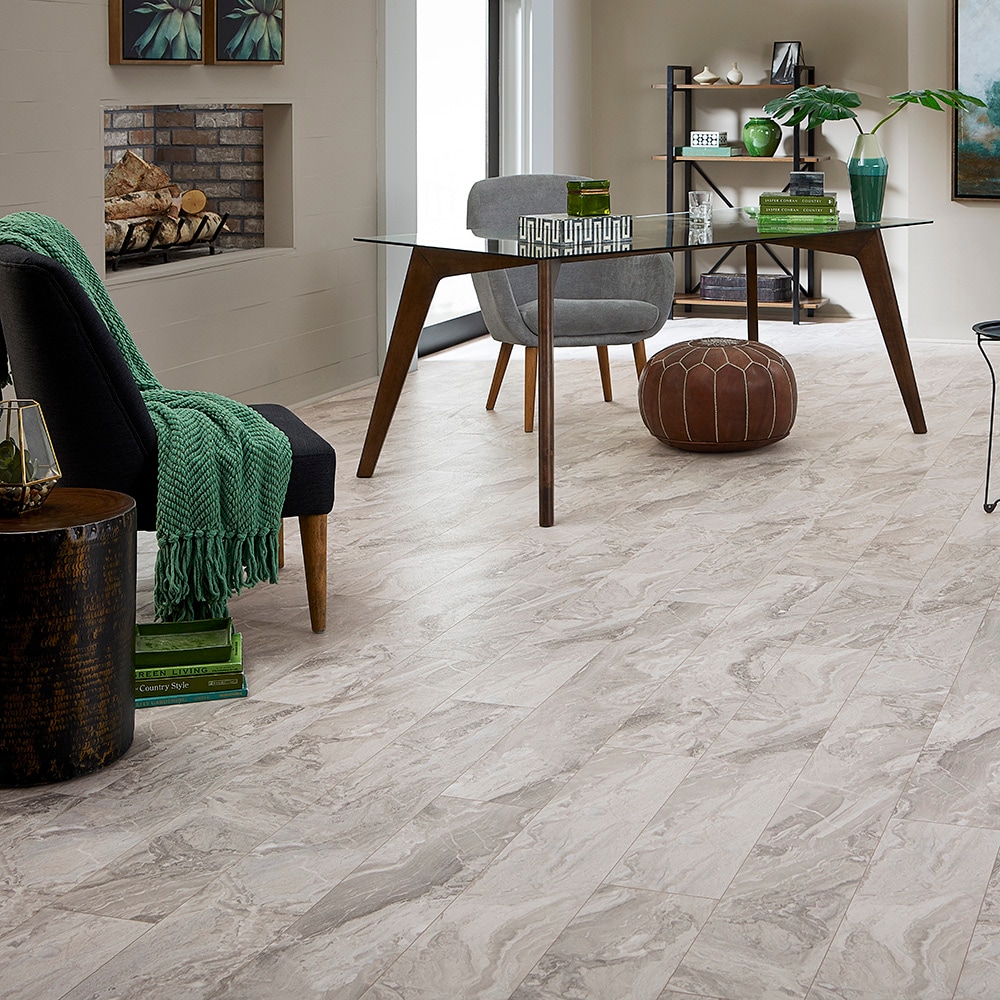
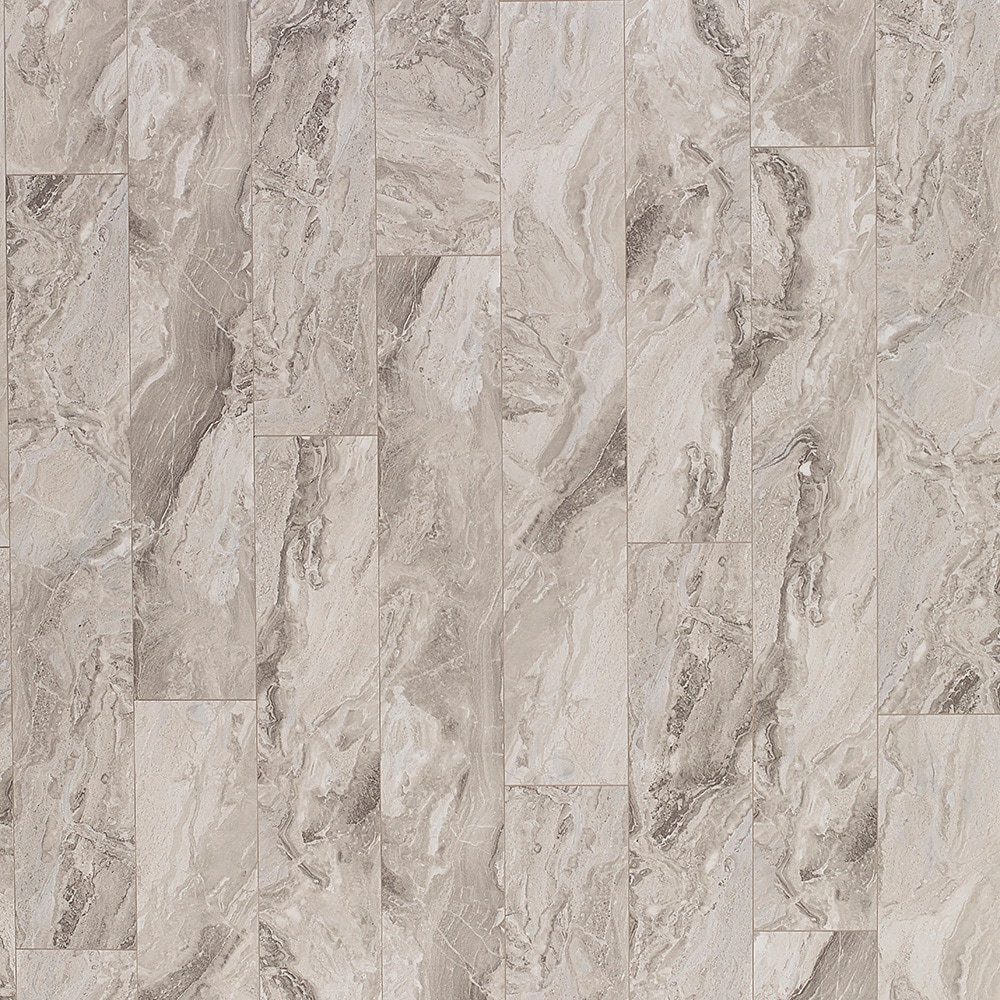
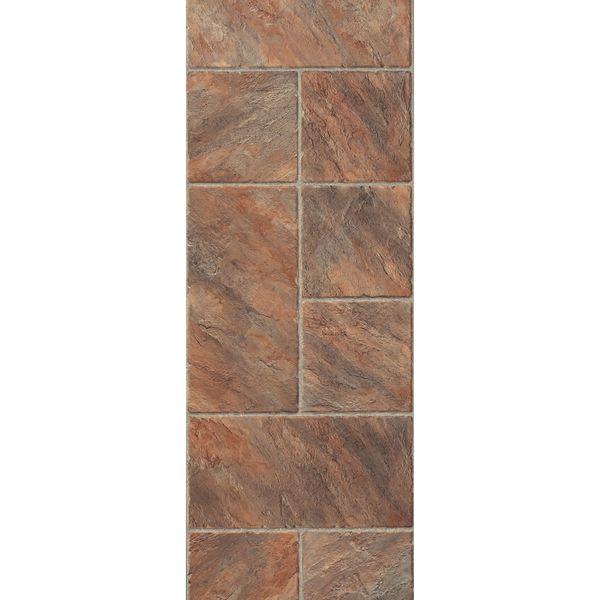
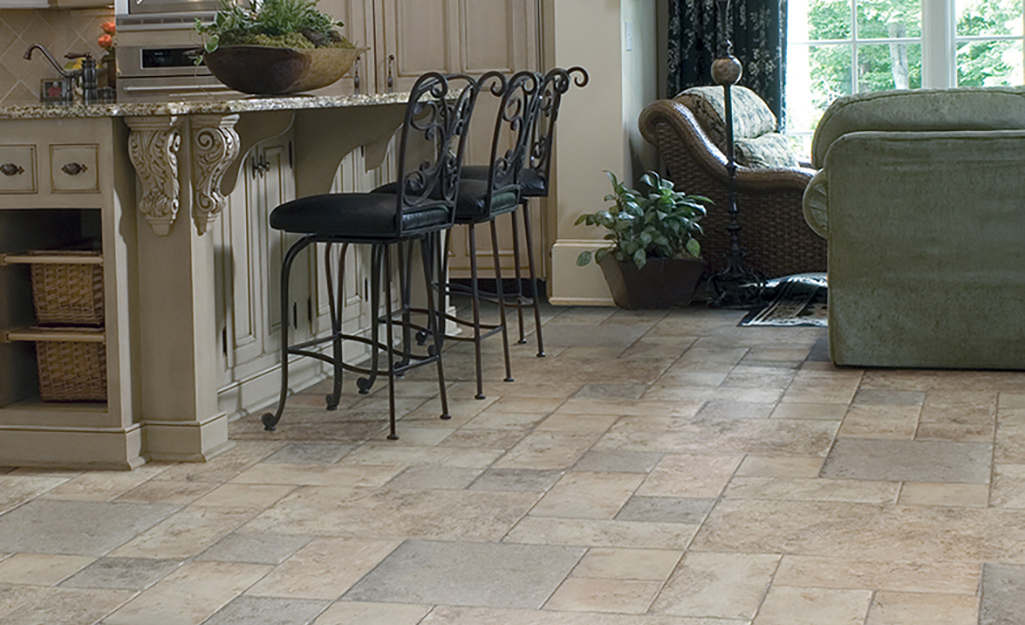
One of my favorite features of imitation stone laminate is the variety of styles offered. Whether you prefer the rustic appeal of slate or the sleek elegance of marble, there is a design to suit any style. The printing technique utilized today produces highly realistic textures and color changes, making them difficult to discern from the actual thing.
This flooring works well in both traditional and contemporary settings. In my home, I utilized a gray slate-look laminate in the living room to create a futuristic industrial vibe, and a warmer travertine-style laminate in the hallway to provide a comforting touch. You may even combine patterns to create unique borders or accents, giving your area a custom-designed look without the trouble of cutting real stone.
Another advantage is the flexibility to match it with a variety of decor designs. Whether your home is farmhouse, minimalist, or eclectic, imitation stone laminate compliments a wide range of color palettes and furnishings. It also pairs well with underfloor heating, providing comfort and style during the winter months. Its design versatility makes it an ideal choice for every area in the house.

Cost-Effectiveness
Compared to natural stone, imitation stone laminate is substantially less expensive. Material costs are lower, and labor charges are lower if you hire a professional installer. Even if you choose superior waterproof laminate, the cost is still a fraction of what you’d pay for natural stone tiles or slabs.
Long-term savings are another advantage. Natural stone requires regular sealing and special cleansers, which add up over time. Laminate, on the other hand, merely requires simple cleaning supplies. Because of its endurance, it requires less repairs or replacements over time, making it a cost-effective investment. It’s a great method for budget-conscious homeowners to create a premium look without breaking the bank.
I’ve discovered that laminate flooring adds value to a home. Potential buyers love the aesthetic appeal and little upkeep, which could be a selling point if you decide to relocate later. While it may not add as much value to your property as real stone, it is a useful update that appeals to a diverse spectrum of buyers.
Installation Tips
If you plan to install faux stone laminate yourself, appropriate preparation is essential. Start by making sure the subfloor is clean, dry, and level. Any bumps or debris might cause the planks to shift, resulting in uneven surfaces. Using an underlayment improves sound absorption and provides additional cushioning underfoot.
Before you begin, take precise measurements of the space and arrange the layout. To achieve a symmetrical effect, arrange the planks parallel to the longest wall. Leave a little gap around the perimeter for future growth, which can be covered with baseboards. A rubber mallet and draw bar are useful tools for firmly attaching the planks without breaking them.
A jigsaw or laminate cutter facilitates precise cuts in difficult areas such as entrances or corners. If you are apprehensive about taking on the project alone, numerous home improvement stores provide installation services at moderate prices. Even with professional assistance, the total cost is lower than real stone installation.

Environmental Considerations
Many fake stone laminate products are manufactured from sustainable materials, such as recycled wood fibers. Choose alternatives with minimal VOC emissions to improve indoor air quality. Some manufacturers also take part in eco-friendly certification programs, making it easy to select an environmentally responsible product.
While laminate is not biodegradable, its extended life eliminates the need for frequent replacements, reducing waste. If you decide to replace your flooring, several varieties can be recycled. For eco-conscious households, laminate is a greener option than quarrying natural stone, which has a higher environmental impact.
I admire how manufacturers are constantly upgrading their sustainable methods. The industry is adopting more environmentally friendly practices, such as employing water-based adhesives and minimizing energy use during production. If you prioritize sustainability, look for brands that share your values.
Is fake stone laminate flooring appropriate for bathrooms?
Yes, but only if you use a waterproof or water-resistant laminate. Standard laminate can distort when exposed to moisture, making it unsuitable for bathrooms. Waterproof alternatives have a tighter locking system and a moisture-resistant core, making them ideal for humid conditions. Always read the product specifications before installation in moist regions.
Can a faux stone laminate be placed over existing flooring?
In most circumstances, the answer is yes. It can be put on smooth, flat surfaces such as vinyl, hardwood, or tile. However, thick carpets and uneven flooring should be removed first. An underlayment is used to create a solid foundation and reduce noise.

How long do imitation stone laminate floors last?
With careful maintenance, it can last between 15 and 25 years. The longevity is determined by the laminate’s quality, foot traffic, and level of upkeep. Higher-end items with thicker wear layers typically last longer. Avoiding excessive moisture and placing protective mats under furniture will help it last longer.
Does the imitation stone laminate feel cold underfoot?
Like most hard surfaces, it might feel cooler than carpet, especially in the winter. However, it is less chilly than natural stone. In colder climates, using area rugs or underfloor heating can improve comfort.
Can imitation stone laminates be refinished?
No, unlike hardwood and natural stone, laminate cannot be sanded or restored. If the surface becomes severely worn or damaged, the affected boards must be replaced. This is why it’s critical to start with a high-quality product.
Is faux stone laminate pet friendly?
Yes, it is an excellent choice for pet owners because it is more scratch-resistant than hardwood. However, keeping pets’ nails clipped and placing rugs in high-traffic areas can help maintain its beauty. Waterproof laminate is very handy in houses with pets to prevent mishaps.

Flooring Stone flooring, Stone flooring

Stone-look laminate is striking. For a room with plenty of natural

Laminate Floors, Durable Flooring, Brooklyn, Queens NY

Related Posts: