Hardwood floors in the kitchen have always fascinated me. They offer a sense of warmth and timeless style that few other materials can match. Choosing the right color, however, can feel overwhelming with the numerous beautiful options available. Over the years, I’ve learned that the color of your kitchen floor can set the tone for the entire space, influencing everything from the mood to the perceived size of the room. Let me share my insights and experiences with hardwood floor colors in the kitchen, hoping to make your decision a little easier.
Light Hardwood Floors: Brightening Up the Kitchen
Light hardwood floors, such as natural oak, maple, or ash, have become a favorite for those who want a kitchen that feels open and airy. I love how these pale tones reflect natural light, making even smaller kitchens feel more spacious and inviting. Light floors are also forgiving when it comes to everyday dust, which is a huge plus in a busy household.
Pairing light floors with white or pastel cabinets creates a seamless, breezy effect. I’ve noticed that this combination works wonders in modern, Scandinavian, or farmhouse-inspired kitchens. Light wood also provides a neutral base, allowing colorful accents or bold appliances to become focal points without overwhelming the space.
Another advantage of light hardwood is its versatility. Whether you prefer a rustic look with visible grain or a sleek finish for a contemporary vibe, light floors adapt beautifully. They’re also a practical choice for high-traffic areas, as scratches and dents are less noticeable on lighter surfaces.
Medium-Toned Woods: The Perfect Balance
Medium-toned hardwoods, like honey oak or hickory, offer a wonderful balance between light and dark. I find these shades add warmth and character without making the kitchen feel too enclosed. They’re perfect for traditional or transitional kitchens, where a cozy, welcoming atmosphere is key.
Medium tones are especially good at hiding dirt and minor imperfections, making them ideal for families with kids or pets. The natural grain patterns in these woods bring a sense of movement and interest to the floor, which I appreciate when aiming for a lived-in, yet polished look.
Pairing medium-toned floors with cream, taupe, or muted green cabinets creates a harmonious palette. I often recommend these combinations for those who want a classic kitchen that stands the test of time, as medium woods rarely go out of style.

Dark Hardwood Floors: Dramatic and Sophisticated
For those who love a bit of drama, dark hardwood floors, such as walnut or espresso-stained oak, can make a bold statement. I’m drawn to the richness and depth these colors bring, especially in larger kitchens where there’s plenty of light to balance the darker tones.
Dark floors pair beautifully with light cabinets, creating a striking contrast that highlights both elements. This look feels luxurious and modern, especially when combined with stainless steel appliances and minimalist décor. I’ve found that dark hardwood also works well in open-plan homes, helping to anchor the kitchen visually within the larger space.
However, I always remind friends that dark floors can show dust and scratches more easily. Regular cleaning and a matte or satin finish can help minimize these issues, keeping the floor looking its best for years to come.

Gray and Washed Tones: Contemporary Cool
Gray hardwood floors have surged in popularity, and I can see why. Their subtle, cool undertones bring a contemporary edge to the kitchen, while still feeling warm and inviting. I’ve used gray floors in kitchens with white or navy cabinets for a fresh, sophisticated look that feels both current and timeless.
Gray works well in both small and large kitchens, as lighter shades can open up the space, while deeper grays add coziness. I love how gray floors camouflage dirt and minor scuffs, making them a practical choice for busy homes. Pairing gray with warmer wall colors or wood accents prevents the space from feeling too cold or sterile.
If you want a kitchen that stands out but remains versatile, gray or washed wood floors are a fantastic option. They blend seamlessly with a variety of styles, from industrial to coastal, and offer endless possibilities for creative combinations.
Matching Floors with Cabinets: Coordination Over Uniformity
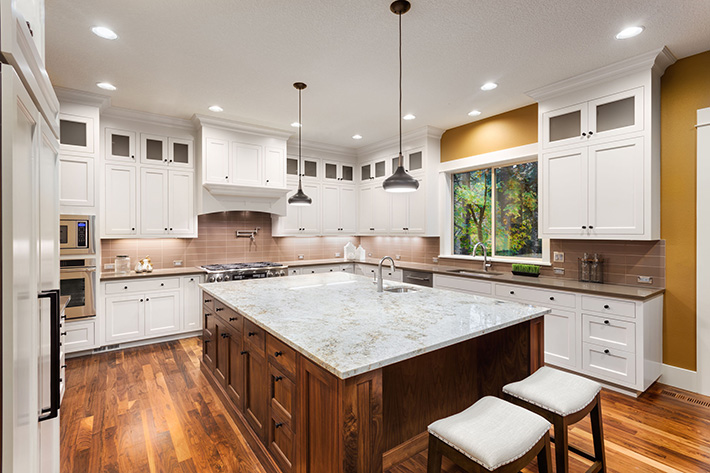
One of the most frequently asked questions I receive is whether hardwood floors should match the kitchen cabinets. My answer is always the same: coordination is key, not matching. Contrasting colors—like dark floors with light cabinets or vice versa—add depth and visual interest to the kitchen.
It’s important to consider the undertones of both the floor and the cabinets. Warm woods pair best with warm-toned cabinets, while cool woods look great with cool or neutral cabinets. I’ve seen beautiful kitchens where the floor and cabinets are in the same color family but different shades, creating a cohesive yet dynamic look.
Lighting and room size also play a role. In small or dimly lit kitchens, lighter floors can help brighten the space, while larger kitchens can handle darker or more varied hues without feeling cramped.
Practical Tips for Choosing Hardwood Floor Colors
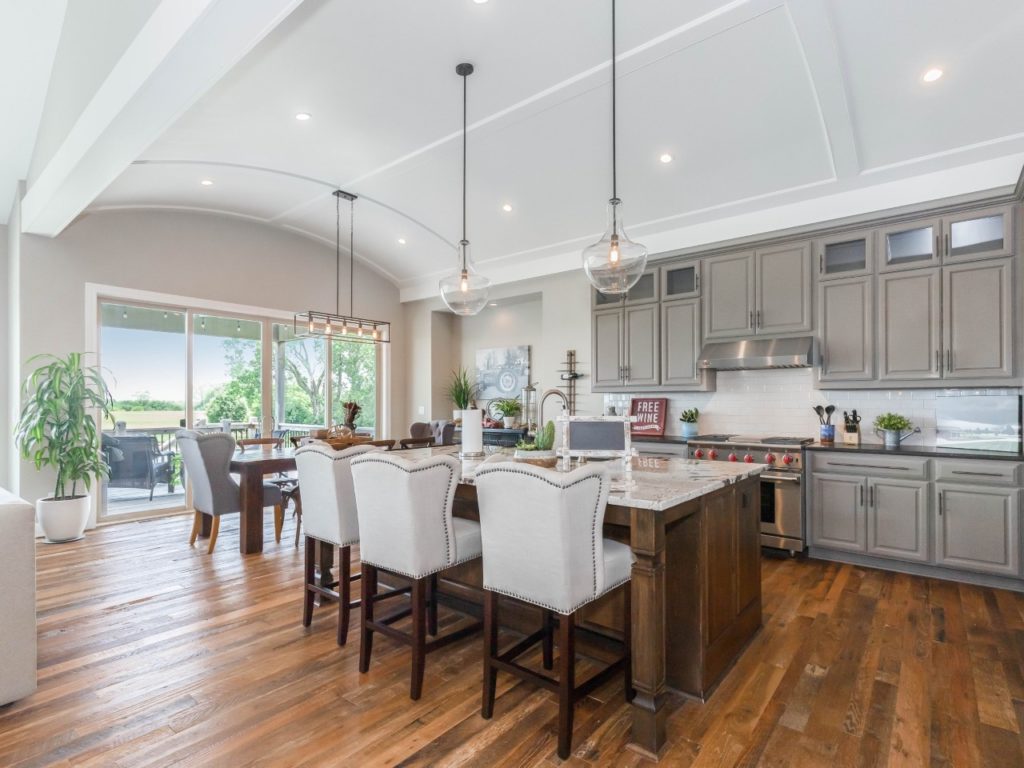
When choosing a hardwood floor color for your kitchen, I always start by considering the size and natural light in the room. Lighter floors can make a small kitchen feel bigger, while darker tones add coziness to a spacious kitchen. Think about your lifestyle, too—medium tones are great for hiding wear in high-traffic areas.
I recommend testing large samples in your kitchen at different times of day to see how the color looks in various lighting conditions. Also, consider the finish: matte and satin finishes hide scratches better than glossy ones, which is especially important in busy kitchens.
Finally, choose a wood species that fits your needs. Oak is versatile and takes stain well, while maple is lighter and has a subtle grain. Hickory and walnut offer unique character and durability. With so many options, there’s a perfect hardwood floor color for every kitchen style and need.
What are the most popular hardwood floor colors for kitchens?
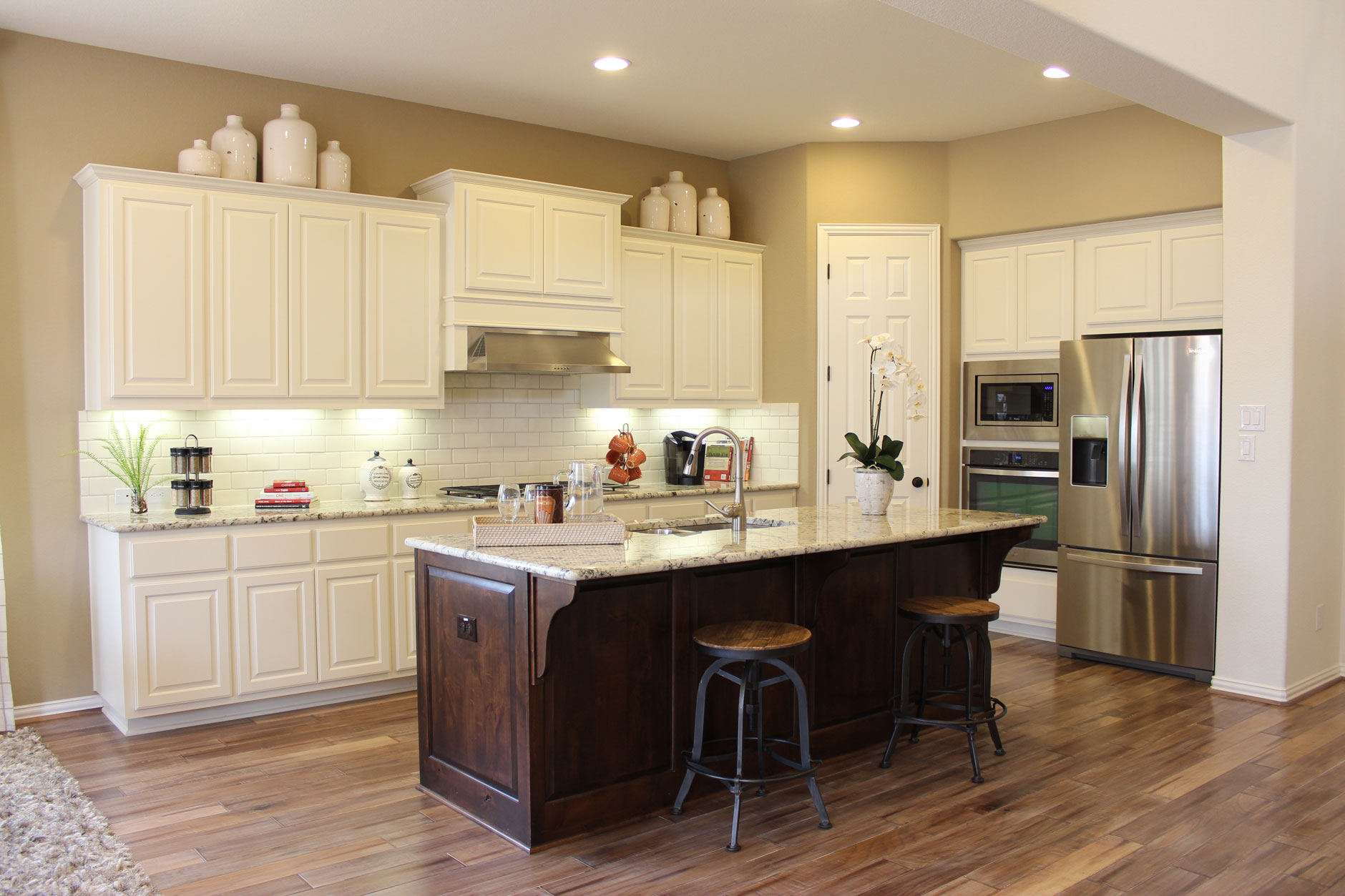
Recently, natural oak, warm walnut, and gray wash are among the most popular hardwood floor colors for kitchens. Light natural oak remains a favorite for its versatility and ability to brighten up spaces, while warm walnut adds richness and depth. Gray tones, both light and deep, are also trending for their modern appeal and ability to camouflage dirt, making them practical and stylish choices for busy kitchens.
Should kitchen floors be lighter or darker than cabinets?
There’s no strict rule, but many designers recommend creating contrast between floors and cabinets. Lighter floors with dark cabinets can make a kitchen feel more spacious and modern, while dark floors with light cabinets offer a cozy, dramatic look. The choice depends on your style, the amount of natural light, and the size of your kitchen. Ultimately, coordination and balance between the two elements are more important than matching exactly.

How do I choose the right hardwood floor color for a small kitchen?
For small kitchens, I suggest opting for lighter hardwood floor colors like natural oak, maple, or ash. These shades reflect more light, making the space appear larger and more open. Light floors also pair well with a range of cabinet colors and are less likely to show dust and scratches, which is helpful in a compact, high-traffic area.
What finish is best for hardwood kitchen floors?
A matte or satin finish is ideal for hardwood kitchen floors. These finishes hide scratches and scuffs better than high-gloss options, which is important in a high-traffic, spill-prone space like the kitchen. Matte and satin finishes also offer a more natural look, allowing the wood’s grain and color to shine through without excessive shine.
Can I mix different hardwood floor colors in an open-plan kitchen?
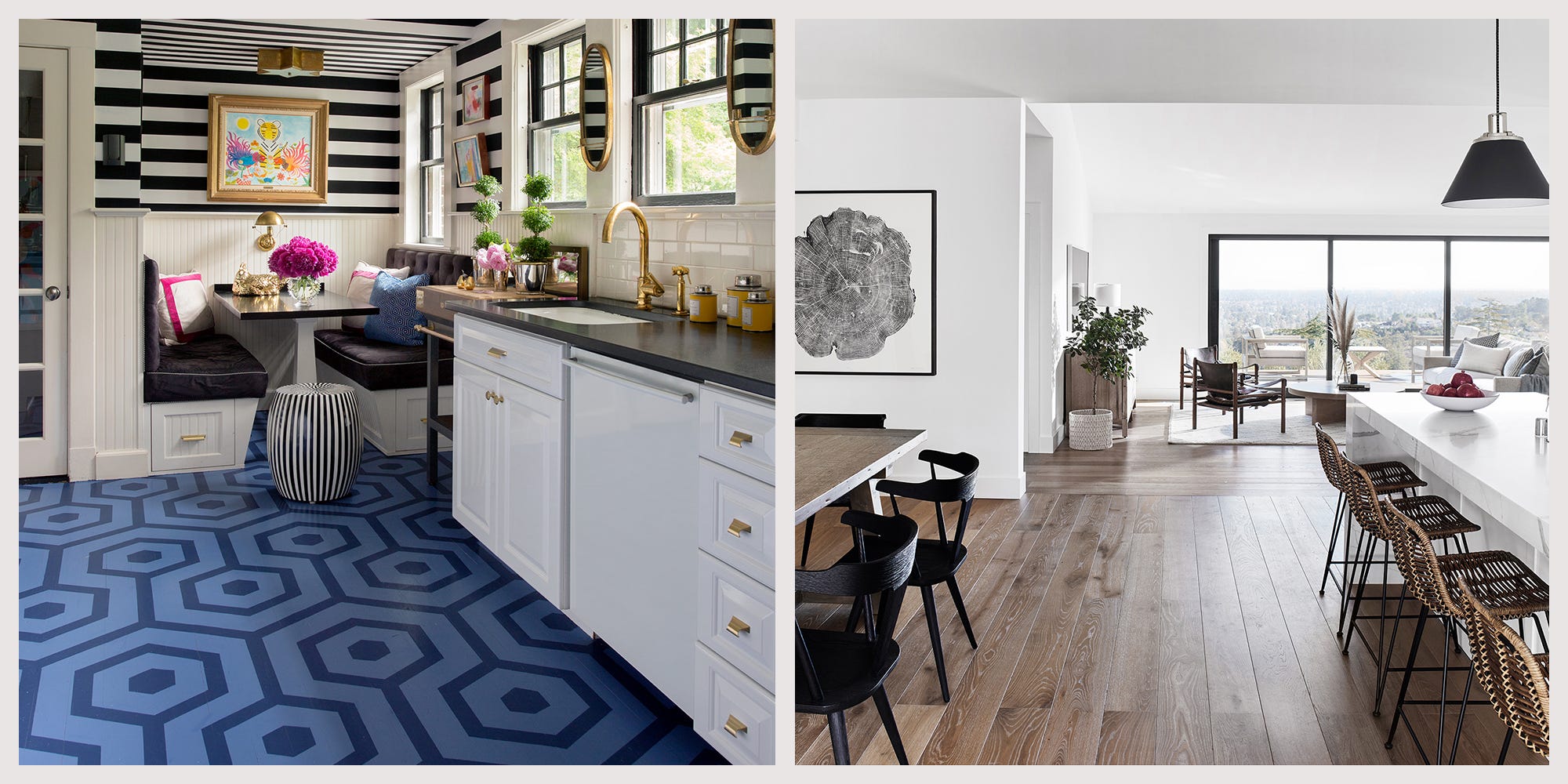
Yes, mixing hardwood floor colors can work beautifully in open-plan spaces, but it requires careful planning. I recommend choosing colors that coordinate well and have similar undertones. Using transitions or borders can help define different zones while maintaining a cohesive look. Consulting with a flooring specialist can ensure the result feels intentional and harmonious.
How do I maintain the color and appearance of my hardwood kitchen floor?
Regular sweeping or vacuuming helps remove dirt and debris that can scratch the surface. Clean up spills promptly to prevent stains or water damage. Use protective mats in high-traffic areas and opt for a quality finish to shield the wood. Periodically, hardwood floors can be refinished to restore their original color and luster, keeping your kitchen looking beautiful for years to come.

Related Posts: