When I first started planning my home renovation, I knew hardwood floors were non-negotiable. There’s something about the warmth, texture, and timeless appeal of wood underfoot that makes a space feel instantly inviting. I’d lived with laminate before, and while it was fine, it never gave me that same sense of character or depth. Hardwood has a way of grounding a room, making it feel more permanent and thoughtfully designed. Choosing the right hardwood floor design became one of the most exciting parts of the process, and I quickly learned that the style, pattern, and finish can completely change the mood of a room. From the moment I started looking at samples, I realized this wasn’t just about picking a color; it was about deciding how I wanted each space in my home to feel every single day.
Classic Straight Plank Layout
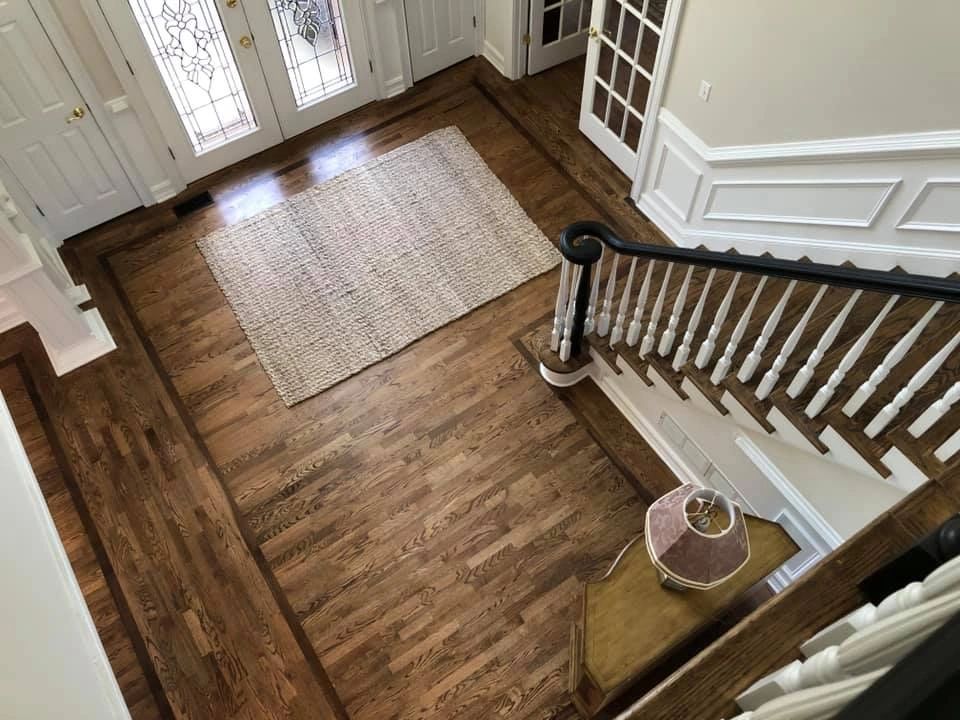
The straight plank layout was my starting point when I began exploring designs. It’s the most traditional style, with boards laid parallel to each other, and it works beautifully in almost any room, from a cozy bedroom to a large open-plan living area. I loved how it created a clean, uninterrupted flow, making my living room feel more open and cohesive without drawing too much attention to itself. It’s also one of the easiest patterns to install, which kept my budget in check and allowed me to invest more in the quality of the wood itself.
What I appreciated most about this design was its versatility. I could choose wider planks for a more modern, airy look or narrower ones for a classic, traditional feel. The grain of the wood became the star, and I found myself drawn to oak for its subtle variation, durability, and ability to work with almost any décor style. The straight plank layout let the natural beauty of the wood shine without distraction, and it felt like a safe yet stylish choice that would age gracefully.
Another benefit is how forgiving it is over time. If a board gets scratched or damaged, it’s relatively easy to replace without disrupting the entire floor. That gave me peace of mind, especially knowing that life with pets, guests, and the occasional dropped object means the occasional mishap is inevitable. It’s a design that doesn’t just look good on day one; it continues to perform and look beautiful for years.
Herringbone Pattern for a Statement Look
When I saw my first herringbone floor in person, I was hooked. The zigzag pattern instantly adds sophistication, and it works equally well in modern lofts and traditional homes. I decided to use it in my entryway to make a bold first impression, and it completely transformed the space. The way the light catches the angled boards creates a subtle movement that draws you in, almost like the floor is guiding you deeper into the home.
Installing herringbone is more labor-intensive, which meant a higher cost, but for me, it was worth every penny. The pattern breaks up large areas visually, so it’s perfect for rooms that might otherwise feel too plain or boxy. I paired it with a matte finish to keep it from feeling overly formal, and the result was a warm yet refined look that felt intentional without being intimidating.
One thing I learned is that herringbone works best with consistent board lengths and colors. Too much variation can make it look busy or chaotic. I went with a mid-tone walnut, which gave me enough contrast to highlight the pattern without overwhelming the room. It’s a design choice that still makes me smile every time I walk through the door.

Chevron for a Sleek, Modern Edge
Chevron is often confused with herringbone, but the difference is in the cut. Chevron boards are angled at the ends to create a continuous V shape, giving the floor a more streamlined, directional feel. I chose this design for my home office because it adds energy and focus to the space, almost like the pattern is pointing me toward productivity.
The precision required for chevron installation means it’s best left to professionals. I worked closely with my installer to ensure the pattern aligned perfectly from wall to wall, and we spent extra time planning the layout so the points would meet exactly in the center of the room. The result was a floor that feels almost like a piece of art, guiding your eye across the space in a way that’s both dynamic and calming.
I paired the chevron pattern with a light ash wood to keep the space bright and airy. The combination of the pale tone and the sharp pattern gave the room a contemporary feel without losing the warmth of natural wood. It’s a design that feels fresh and modern but still timeless enough to last for years.

Mixed-Width Planks for a Rustic Touch
When I wanted my dining room to feel more relaxed and inviting, I went with mixed-width planks. This design uses boards of varying widths, which adds a handcrafted, old-world charm that feels instantly welcoming. It’s a great choice if you love a farmhouse or cottage aesthetic, and it works beautifully with both rustic and eclectic décor.
I chose reclaimed oak for this space, which brought in knots, color variation, and a sense of history. The irregular widths made the floor feel less formal, and it paired beautifully with my rustic dining table, vintage chairs, and open shelving. Every board told its own story, and together they created a floor that felt like it had been there for generations.
The best part is that mixed-width planks are forgiving when it comes to wear and tear. The variation in size and tone hides small scratches, dents, and scuffs, making it a practical choice for high-traffic areas where people gather. It’s a floor that looks better with age, which is exactly what I wanted for a space meant for shared meals and memories.

Parquet for a Touch of Luxury
Parquet flooring has a reputation for elegance, and I can see why. The geometric patterns, from simple squares to intricate mosaics, bring a sense of craftsmanship that’s hard to match. I used parquet in my formal sitting room, and it instantly transformed the space into something special, almost like stepping into a boutique hotel.
I went with a classic basketweave pattern in a rich cherry wood. The deep color and intricate layout made the room feel warm, inviting, and undeniably sophisticated. Parquet does require more maintenance to keep the pattern looking sharp, but for me, the visual impact is worth the extra effort.
One tip I learned is to keep the rest of the room’s design simple when using parquet. The floor is already a focal point, so I chose neutral walls, understated furniture, and minimal accessories to let the craftsmanship shine. It’s a design that commands attention without shouting for it.

Stained and Finished for Personality
Beyond the layout, the stain and finish you choose can completely change the mood of your hardwood floors. In my bedroom, I opted for a deep espresso stain to create a cozy, intimate atmosphere. The darker tone made the space feel grounded and calm, perfect for winding down at the end of the day with a book or a cup of tea.
In contrast, I used a natural finish in my kitchen to keep it bright and welcoming. The lighter tone reflects more light, making the space feel larger and more open. It also hides dust and crumbs better than darker floors, which is a bonus in a busy household where cooking and entertaining happen often.
I’ve also experimented with matte versus glossy finishes. Matte hides imperfections and feels more casual, while glossy adds formality and reflects light beautifully. Choosing the right combination of stain and finish is just as important as the pattern itself, and it’s a step that can make your floors feel truly personal.

How do hardwood floors hold up in homes with kids and pets?
In my experience, hardwood floors can handle kids and pets well if you choose a durable species like oak or maple and use a strong protective finish. I keep nails trimmed, use rugs in high-traffic areas, and clean up spills quickly to prevent damage. Over time, small scratches just add to the character.
Are certain hardwood patterns more expensive than others?
Yes, patterns like herringbone, chevron, and parquet require more labor and precision, which increases cost. Straight plank and mixed-width designs are generally more budget-friendly while still offering style. I found that balancing pattern choice with wood quality gave me the best value.
Can hardwood floors work in kitchens?
Absolutely. I have hardwood in my kitchen, and it’s held up well with proper sealing. I just make sure to wipe up spills quickly and use mats near the sink and stove to protect against moisture. The warmth of wood makes the kitchen feel more inviting.
How long do hardwood floors last?
With proper care, hardwood floors can last decades. I’ve seen floors over 50 years old that still look beautiful after refinishing. Regular cleaning, avoiding excessive moisture, and occasional sanding keep them in great shape for generations.

What’s the best finish for low-maintenance hardwood floors?
For me, a matte or satin finish hides scratches and dust better than high-gloss. I also recommend a durable polyurethane coating for added protection against daily wear. It’s a finish that keeps the floor looking fresh without constant upkeep.
Can I install hardwood floors myself?
It depends on the pattern and your skill level. A straight plank is more DIY-friendly, but intricate patterns like chevron or parquet are best left to professionals to ensure perfect alignment. I’ve done simpler installs myself, but I always hire out the complex ones.
Flooring Repair Webster, NY Generalu0027s Hardwood Flooring
Hardwood Floor Installation

Lacey Floors – Hardwood Flooring, Flooring, Stairs
Related Posts: