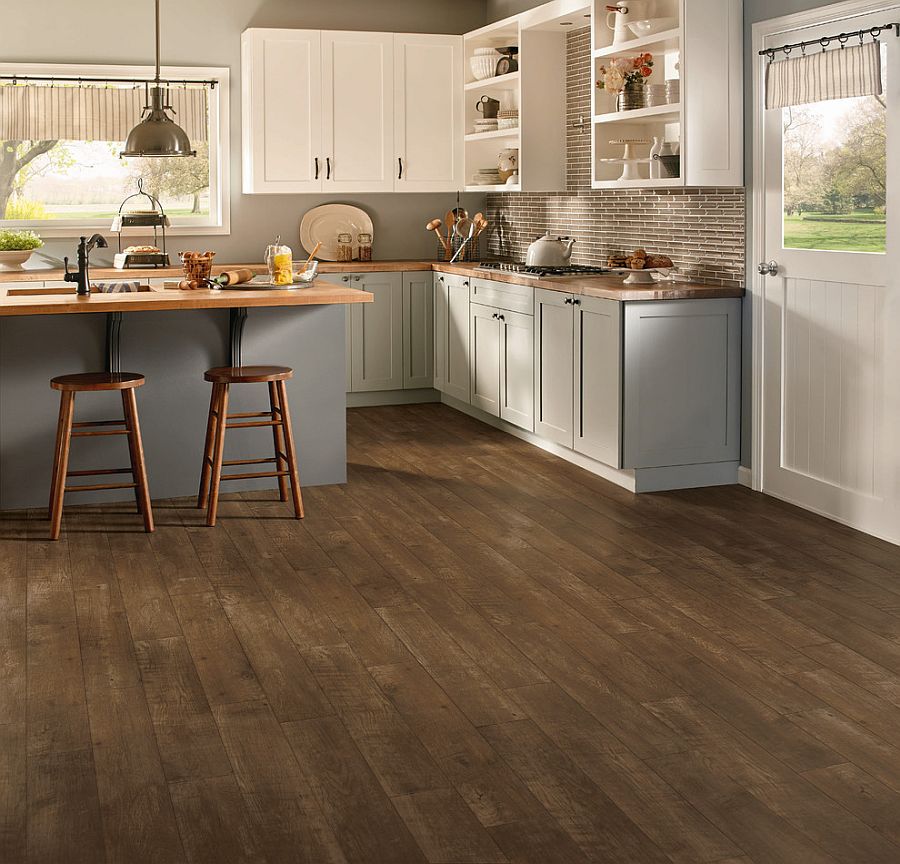
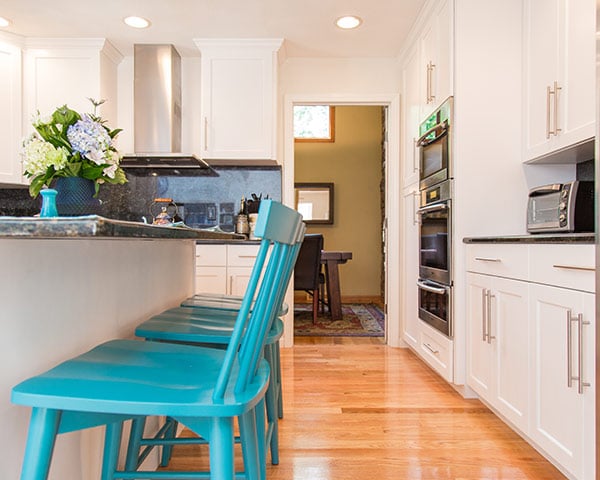
Four years ago, I made what many considered a risky decision to install hardwood floors throughout my kitchen renovation. Friends warned me about water damage, scratches, and maintenance nightmares, but I couldn’t shake the vision of warm wood tones complementing my white cabinets and marble countertops. The journey taught me that hardwood in kitchens requires careful planning, smart material choices, and realistic expectations about maintenance. While challenges exist, the stunning results and everyday comfort have validated my choice, though I wish I’d known then what I know now about wood species selection and protective strategies.
Choosing the Right Wood Species
My research into wood species revealed that not all hardwoods perform equally in kitchen environments, where moisture and temperature changes are constant challenges. I initially favored oak for its classic appearance, but learned that its open grain structure makes it more susceptible to moisture absorption and staining. After consulting with flooring experts, I discovered that tighter-grained species like maple and cherry offer better moisture resistance.
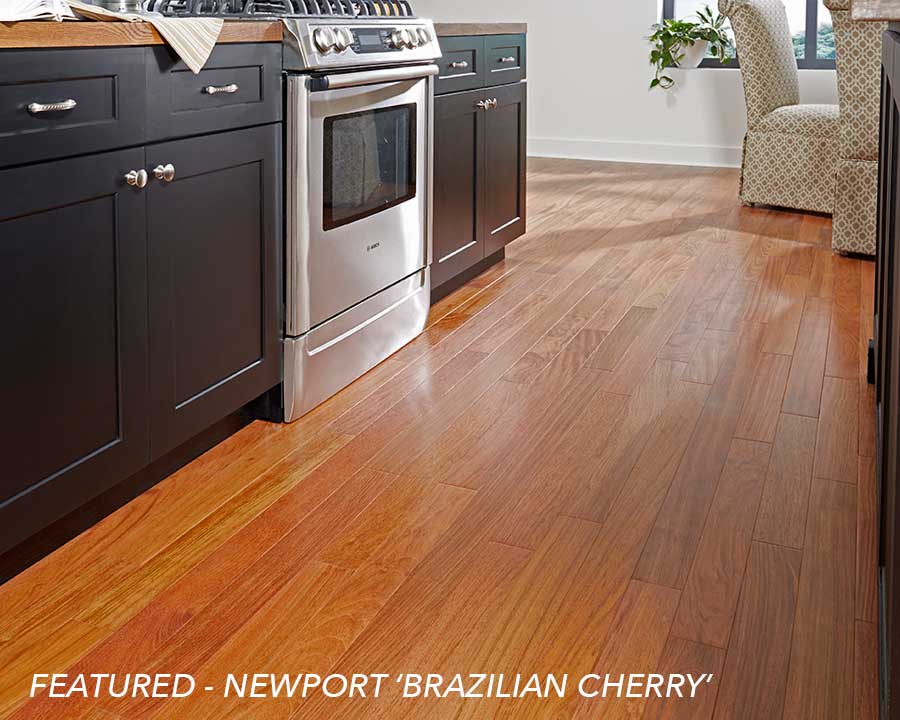
The hardness rating became my obsession once I understood how kitchen activities impact flooring durability over time. I measured hardness using the Janka scale and found that hickory, maple, and Brazilian cherry ranked highest for withstanding dropped utensils, chair scraping, and heavy foot traffic. My final choice of maple provided excellent hardness while maintaining the light, clean appearance I wanted for my design scheme.
Engineered versus solid wood presented another crucial decision that significantly impacts long-term performance in kitchen environments. I chose engineered hardwood because its layered construction provides better stability against moisture and temperature fluctuations than solid wood. The top veneer layer still offers authentic wood beauty and can be refinished, while the plywood base resists warping and cupping that plague solid wood installations in kitchens.
Installation Considerations and Challenges
The subfloor preparation in my kitchen required extra attention because cooking areas experience more moisture exposure than typical living spaces. I installed a premium moisture barrier and ensured proper ventilation underneath the flooring to prevent trapped humidity. My contractor emphasized that kitchen installations need more expansion gaps around appliances and cabinets to accommodate wood movement from temperature and humidity changes.
Timing the installation around my kitchen renovation created logistical challenges I hadn’t anticipated during the planning phase. The flooring needed to be installed after plumbing and electrical work but before final appliance installation, creating a narrow window for completion. I learned that protecting newly installed floors during the remainder of construction requires serious planning and high-quality protective materials.
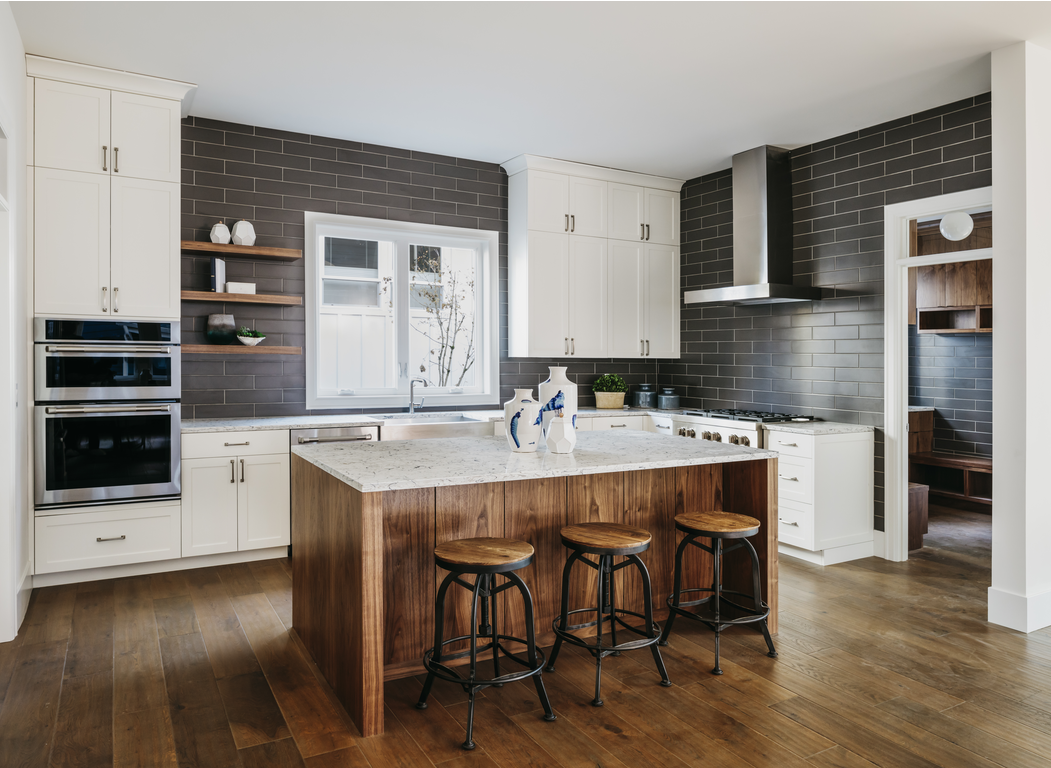
Working around kitchen islands and complex cabinet configurations demanded precise measuring and cutting techniques that increased both time and labor costs. The intricate cuts around my island’s electrical outlets and plumbing connections required expert craftsmanship to maintain the flooring’s visual flow. I’m grateful I invested in professional installation rather than attempting this complex project myself, despite the additional expense involved.
Daily Maintenance and Protection Strategies
My daily maintenance routine evolved through trial and error during the first months of living with hardwood kitchen floors. I learned that immediate cleanup of spills prevents staining and water damage, making paper towels and microfiber cloths essential kitchen tools. Regular sweeping removes grit and debris that can scratch the finish, while weekly damp mopping with wood-specific cleaners maintains appearance without causing damage.
Strategic placement of rugs and mats provides protection in high-traffic and high-risk areas without compromising the flooring’s visual appeal. I use washable runners in front of the sink, stove, and dishwasher where spills and splashes occur most frequently. These protective barriers catch most moisture and debris while being easily removable for cleaning or when entertaining guests who might prefer the full hardwood aesthetic.
The learning curve for proper cleaning products and techniques taught me that many common household cleaners can damage wood finishes over time. I avoid vinegar-based solutions, harsh chemicals, and excessive water that can penetrate the wood and cause swelling or discoloration. Instead, I use pH-neutral cleaners specifically formulated for hardwood floors, applied sparingly with well-wrung mops to prevent oversaturation.
Dealing with Moisture and Spills
Water management became my primary concern after experiencing minor cupping issues during my first humid summer with the new floors. I installed better ventilation fans and use dehumidifiers during extremely humid periods to maintain stable indoor conditions. Quick response to any plumbing leaks or appliance malfunctions prevents the standing water that causes serious damage to hardwood flooring systems.
My spill response protocol was developed after a few close calls with red wine and cooking oil that could have caused permanent staining. I keep absorbent materials readily available and clean spills immediately, working from the outside toward the center to prevent spreading. For stubborn stains, I use wood-specific stain removers rather than harsh chemicals that might damage the protective finish coating.
The dishwasher leak incident six months after installation taught me valuable lessons about moisture detection and rapid response techniques. I now check around appliances regularly for signs of leaks and have learned to identify early warning signs like loose boards or finish discoloration. Professional assessment and prompt repairs prevent minor moisture issues from becoming major flooring disasters requiring extensive replacement.

Refinishing and Long-term Care
My floors required their first professional refinishing after three years of heavy kitchen use, which aligned with typical expectations for high-traffic hardwood installations. The process involved light sanding to remove surface scratches and wear patterns, followed by new finish application that restored the original luster. I scheduled refinishing during a kitchen deep clean when I could stay elsewhere for a few days during curing.
Understanding when refinishing becomes necessary helped me budget for this maintenance expense and plan accordingly with my contractor. I learned to recognize signs like widespread scratching, dull finish, or worn areas around the sink and stove that indicate refinishing time has arrived. Regular professional assessment helps determine whether spot repairs or full refinishing provides the best value for maintaining the floors’ appearance and protection.
The refinishing process revealed minor damage I hadn’t noticed during daily use, including small dents from dropped items and slight discoloration from prolonged exposure to cooking moisture. Professional refinishing addressed these issues completely, making the floors look new again. I now understand that periodic refinishing is an investment in maintaining both beauty and property value rather than just an expense.
Cost Analysis and Value Considerations
The initial investment in hardwood kitchen flooring significantly exceeded alternatives like luxury vinyl or ceramic tile, but I considered long-term value and aesthetic appeal in my decision-making process. Quality engineered hardwood with professional installation costs approximately $12 per square foot, compared to $6 for premium vinyl alternatives. However, the authentic wood beauty and potential for refinishing justified the premium for my specific situation and preferences.
Maintenance costs over four years have been reasonable, but require budgeting for periodic professional services beyond daily cleaning supplies. Annual deep cleaning, occasional repair work, and refinishing every few years add ongoing expenses that tile or vinyl floors wouldn’t require. I estimate maintenance costs at roughly $200 annually for my 200-square-foot kitchen, which seems reasonable for the aesthetic and comfort benefits received.
The resale value impact of hardwood kitchen floors appears positive based on real estate agent feedback and comparable home sales in my neighborhood. Potential buyers consistently comment favorably on the hardwood throughout the main living areas, including the kitchen integration. While quantifying exact value is difficult, the flooring choice seems to enhance overall home appeal and marketability compared to more utilitarian kitchen flooring options available.
Is hardwood flooring practical for busy family kitchens with children?
Hardwood can work in family kitchens with proper planning and realistic expectations about maintenance requirements. I’ve found that teaching children to clean spills immediately and using protective mats in high-activity areas helps significantly. The key is choosing harder wood species like maple or hickory that resist denting from dropped toys and utensils. While maintenance increases compared to vinyl or tile, the comfort and beauty make it worthwhile for families committed to proper care routines.
What’s the biggest mistake people make when installing hardwood in kitchens?
The biggest mistake I see is inadequate moisture protection during installation and insufficient expansion gaps around appliances. Many people also choose inappropriate wood species without considering kitchen-specific challenges like humidity and spills. Skipping professional installation to save money often leads to problems with warping and gaps. I’ve learned that investing in proper installation and moisture barriers prevents expensive repairs later and ensures long-term satisfaction with the flooring choice.
How does hardwood compare to luxury vinyl in kitchen applications?
Hardwood offers authentic beauty and refinishing potential that luxury vinyl cannot match, but requires significantly more maintenance and care. Vinyl provides better moisture resistance and easier maintenance, making it more practical for some households. I chose hardwood for aesthetic reasons despite higher maintenance requirements. The decision depends on your priorities: choose vinyl for low maintenance and hardwood for authentic beauty and long-term value, understanding the trade-offs involved.
Can hardwood kitchen floors handle appliance installations and removals?
Hardwood floors can handle appliance installations with proper protection and planning, though extra care is required compared to other flooring types. I use furniture pads under appliances and protective boards when moving heavy items to prevent scratches and dents. Professional appliance installation services understand how to protect hardwood floors during installation. The key is communicating flooring concerns to installers and ensuring they have appropriate protective materials before beginning work.

What are the warning signs that hardwood kitchen floors need professional attention?
I watch for cupping or warping boards, gaps between planks, loose or squeaky sections, and finish wear that exposes raw wood. Persistent moisture issues, visible water damage, or boards that feel soft underfoot require immediate professional assessment. Dull finish or widespread scratching indicates refinishing time has arrived. Early detection and prompt professional repairs prevent minor issues from becoming major problems requiring extensive flooring replacement throughout the kitchen area.
How do I maintain hardwood floors around kitchen islands and high-traffic areas?
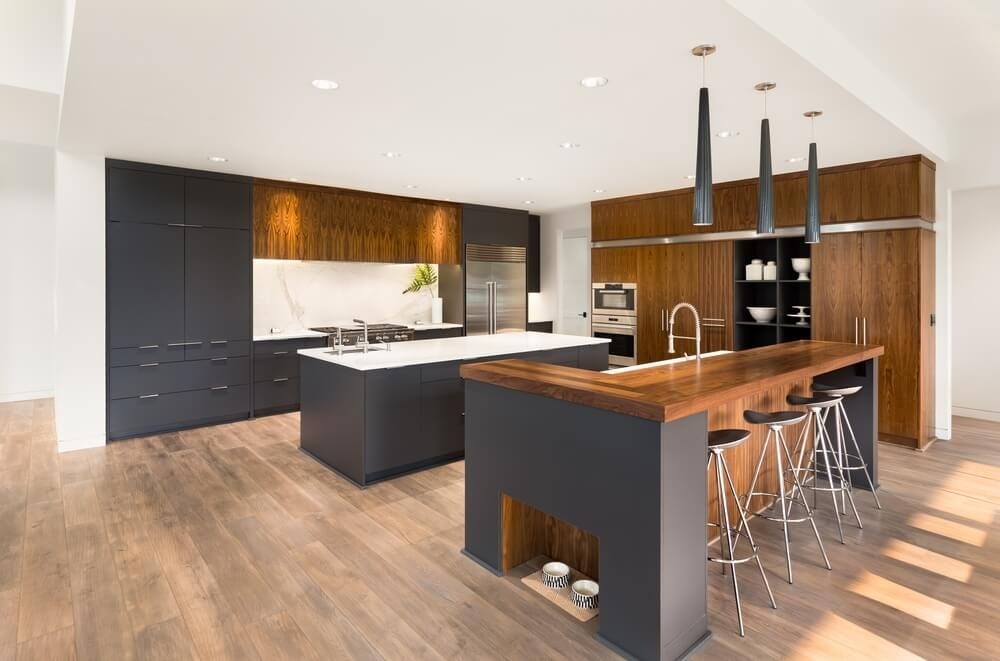
High-traffic areas around kitchen islands require more frequent cleaning and protective measures to maintain their appearance over time. I use washable runners during meal preparation and clean these areas daily to prevent the buildup of cooking residue and foot traffic wear. Strategic furniture placement and protective pads help distribute weight and prevent concentrated wear patterns. Regular professional assessment helps identify high-wear areas that might need spot refinishing before full floor refinishing becomes necessary.

How Hard Can It Be to Choose a Hardwood Floor?

Hardwood Kitchen Floor Ideas
THE BEST KITCHEN FLOOR: TILE VS HARDWOOD

What is the Best Hardwood Flooring for Kitchens and Why
Related Posts: