When I decided to upgrade my garage floor, I thought I’d just slap on a coat of gray epoxy and call it a day. But the moment I walked into the flooring supply store, I was hit with a wall of color samples, each one more vibrant than the last. That’s when I realized this wasn’t just about protection, it was about personality. My garage wasn’t just a parking spot; it was a workshop, a storage hub, and sometimes even a hangout space. I wanted a floor that reflected that energy. After weeks of research, testing samples, and finally hiring a pro to do the job, I learned that choosing the right epoxy color isn’t just about taste, it’s about function, lighting, and long-term satisfaction. Let me tell you how I navigated the rainbow of options and found the perfect hue for my space.
Why Color Matters More Than You Think
I used to think garage floors were meant to be boring, a neutral backdrop for cars and tools. But once I started looking closely, I noticed how much color affects mood and perception. A dark, dingy floor made the whole space feel cramped and neglected, while bright, clean finishes opened it up. When I painted the walls white, I realized the floor would either clash or complement that brightness. That’s when it hit me, the floor isn’t just underfoot, it’s part of the room’s identity.
Lighting played a bigger role than I expected. My garage has a single overhead bulb and a bit of natural light from the door. I tested a deep navy sample, and it looked rich in daylight but turned almost black at night. On the other hand, a light silver-gray stayed visible and reflective no matter the time. I wanted something that looked good in all conditions, not just under showroom lights. The color had to work with my real-life lighting, not an idealized version.
Then there’s the psychology of color. I wanted my garage to feel energetic and motivating, not cold or industrial. Reds and oranges felt too intense, like a race pit, while pastels looked out of place. I landed on a balance, a warm medium gray with subtle blue undertones. It felt modern, clean, and calm, without being sterile. Choosing the right color wasn’t just cosmetic; it changed how I felt every time I walked in, turning a chore zone into a space I enjoy.
Popular Epoxy Colors and What They Say About You
Solid gray is by far the most common choice, and I can see why. It’s professional, hides dust well, and pairs easily with any car color. When I first started, I assumed I’d go gray, and I still think it’s a smart default. But as I looked at more installations, I noticed how flat some gray floors looked, especially in poorly lit garages. A true charcoal can absorb light, making the space feel smaller. I learned that adding a metallic flake or a slight tint could give it depth without going wild.
Then there’s white, which I’ll admit I was drawn to for its bright, clean look. Some high-end garages use pure white epoxy to create a sterile, showroom feel. But I quickly realized it’s high maintenance. Tire marks, oil spots, and everyday grime would show instantly. Unless you’re obsessive about cleanliness, white might not be practical. I saw one friend’s white floor after six months, and it looked dingy despite regular cleaning. It’s beautiful in theory, less so in real life.
Red and black combinations are popular for man caves or performance shops. I tried a sample of deep crimson with black flakes, and it gave off a race-car vibe that was fun but overwhelming. It felt more like a theme than a functional space. I liked the boldness, but not the commitment. In the end, I realized the best color isn’t the flashiest, it’s the one that feels right every day, not just on Instagram.

How Lighting and Space Affect Your Color Choice
My garage is long and narrow, with the door at one end and a single window on the side. When I applied a cool blue-gray sample near the back, it looked dull and shadowy. But the same color near the door sparkled in the sunlight. That taught me a crucial lesson: the same epoxy can look completely different depending on where it is in the room. Natural light brings out undertones, while artificial light can distort them. I ended up testing every sample in multiple spots and at different times of day.
LED lighting changed the game. I installed bright, daylight-balanced bulbs before the final decision, and suddenly my top contenders looked different. A warm gray that seemed cozy under incandescent light turned yellowish under LED. A cooler tone balanced it perfectly. I also added under-cabinet lighting, which bounced off the floor and highlighted the texture. The right lighting doesn’t just illuminate, it enhances the color, making even simple finishes feel dynamic.
Ceiling height and wall color matter too. I painted my walls a soft off-white, which reflected more light and made the floor appear brighter. If I’d gone with dark walls, even a light floor would have felt closed in. The color of your floor doesn’t exist in isolation; it interacts with everything around it. Taking the time to consider these factors saved me from a costly mistake and helped me choose a shade that felt balanced and intentional.
Custom Blends and Flake Options for a Unique Look
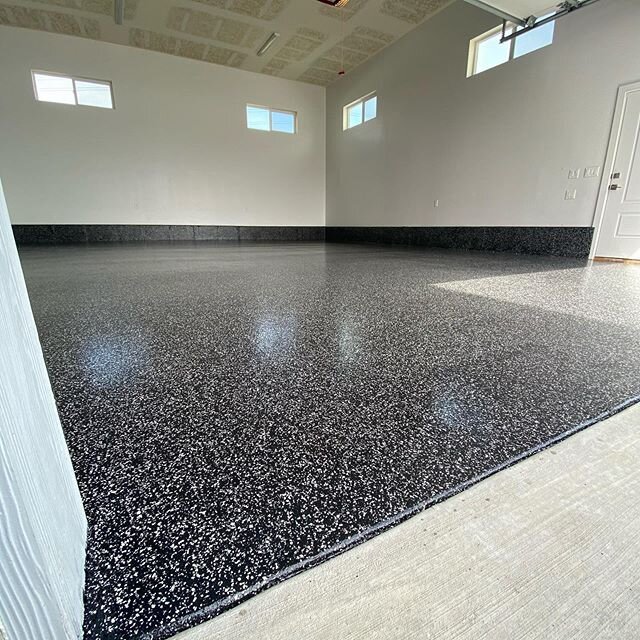
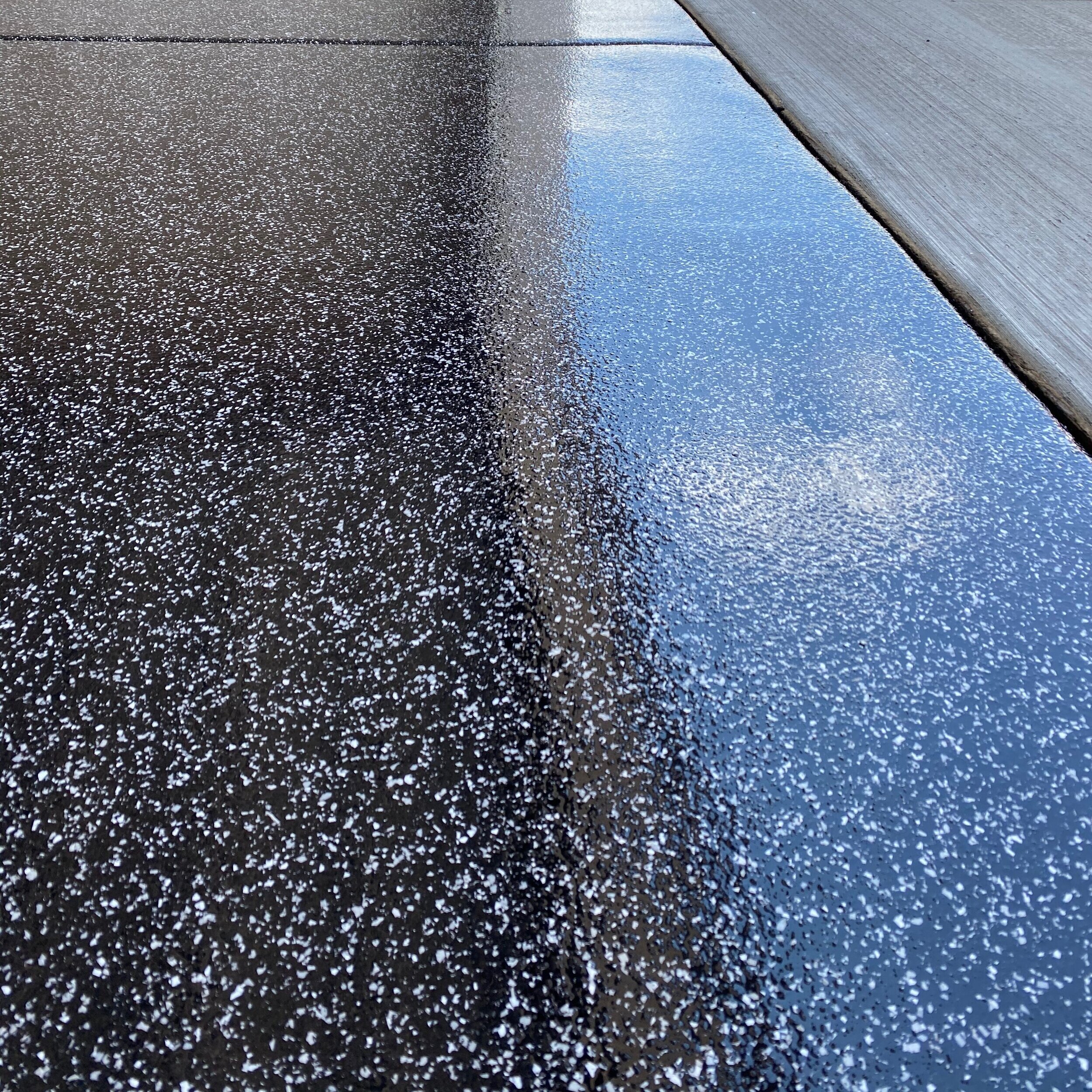
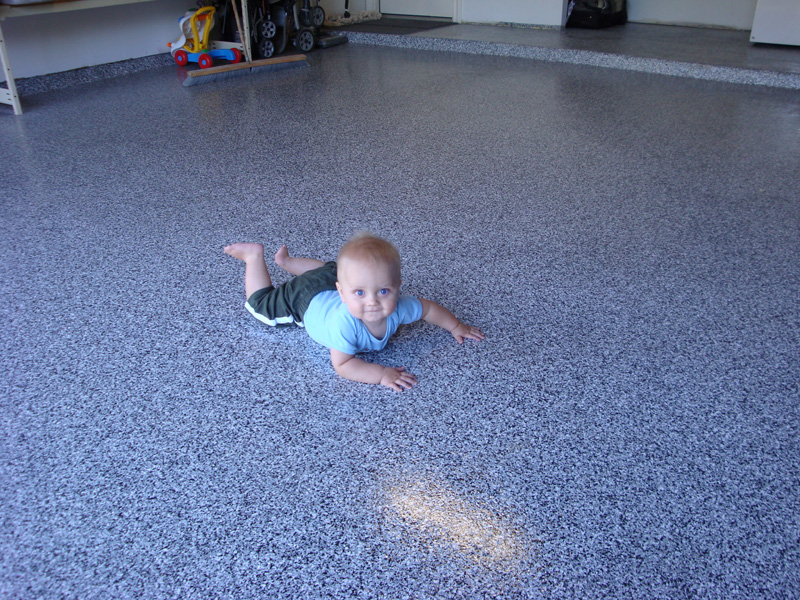
After ruling out solid colors, I explored flake systems. These involve broadcasting colored chips into wet epoxy, creating a speckled, granite-like finish. I was skeptical at first, thinking it might look busy or cheap. But when I saw a sample with silver, charcoal, and ice blue flakes in a gray base, I was hooked. It had depth, texture, and a custom feel that solid colors lacked. Plus, the flakes helped hide minor scuffs and tire marks, which was a practical bonus.
I spent an afternoon at the supplier’s mixing station, combining different flake ratios. Too many dark flakes made it look muddy, while too many bright ones felt chaotic. I settled on a 70-30 split, mostly medium gray with accents of silver and deep blue. The installer spread the base coat, then evenly scattered the flakes before rolling them in. After vacuuming the excess, he applied a clear topcoat. The result was a floor that looked handcrafted, not mass-produced.
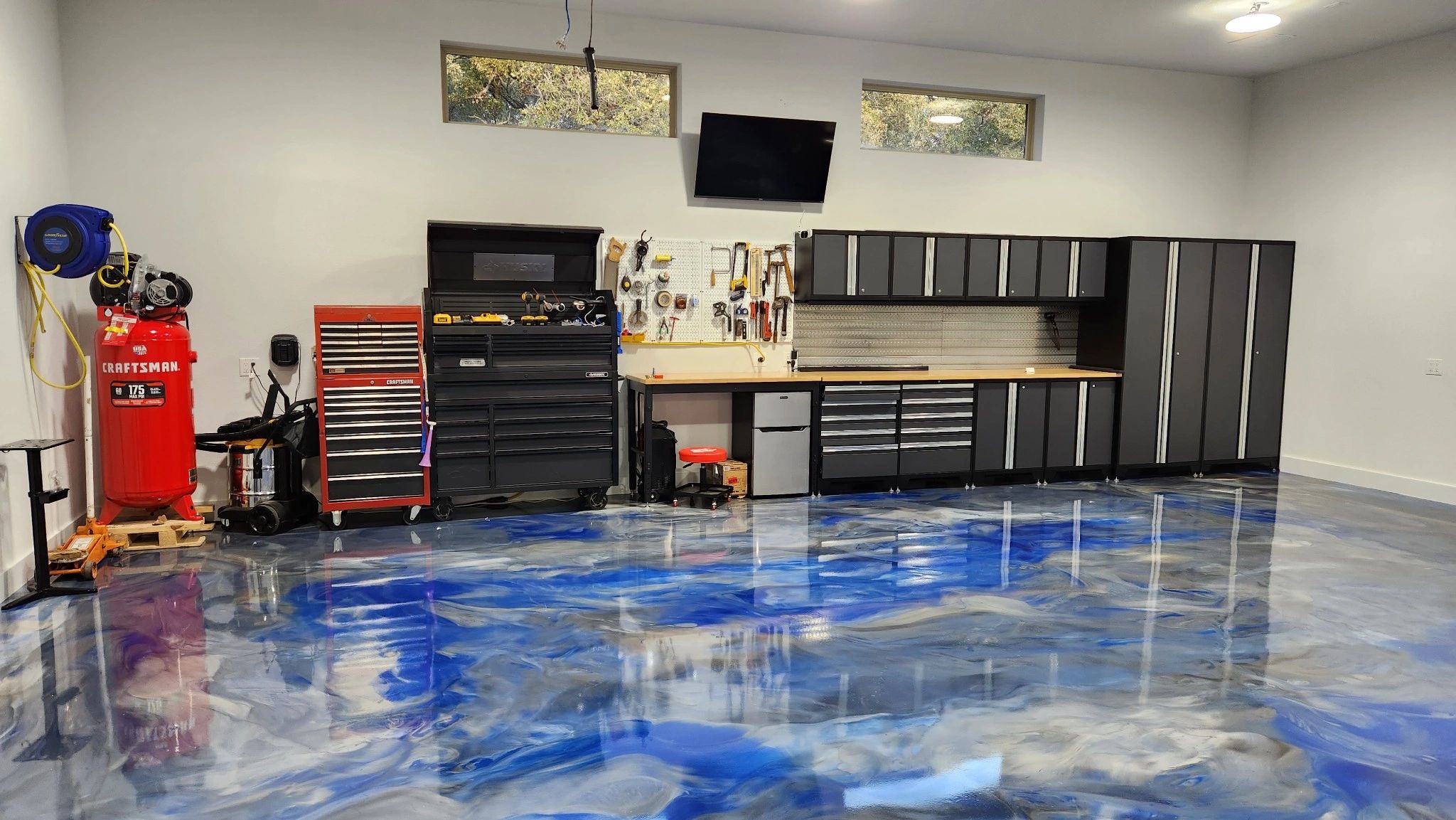
Metallic epoxy was another option, but it was pricier and required more skill to apply. It uses liquid pigments that swirl and shift, creating a liquid-metal effect. I loved the look, but it was too bold for my taste. Still, it’s worth considering if you want something truly unique. Whether you go with flakes, solids, or metallics, the key is to request physical samples and test them in your actual space before committing.
Maintenance and Long-Term Appearance of Colored Epoxy
One of my biggest worries was fading. I’d seen older epoxy floors that looked chalky or yellowed, especially in sun-exposed areas. Most quality epoxy systems include UV stabilizers, but not all. I made sure my installer used a topcoat with polyaspartic resin, which resists yellowing better than standard polyurethane. Two years later, my floor still looks fresh, with no noticeable fade, even near the door where sunlight hits.
Stains were another concern. I tested the cured floor with motor oil, coolant, and coffee. All of them beaded up and were wiped away with a damp cloth. The non-porous surface prevents absorption, which is a huge advantage over painted concrete. I clean it every few weeks with a microfiber mop and a mild cleaner. No scrubbing, no harsh chemicals, just a quick pass and it’s done. The color stays vibrant because dirt and grime don’t soak in.
Scratches are inevitable with heavy use, but they’re usually superficial. I’ve dragged toolboxes and dropped wrenches, leaving fine marks. But because the color goes all the way through the epoxy layer, light scratches don’t reveal a different shade underneath. Deep gouges would need repair, but normal wear blends in over time. The flake system I chose also helps camouflage small damage, making the floor more forgiving than a solid finish.

Choosing the Right Pro and Avoiding Costly Mistakes
I almost tried to do this myself. After watching a few YouTube videos, I thought it looked simple. But then I talked to a professional installer who walked me through the prep work, moisture testing, and precise mixing ratios. One wrong step, and the whole job could fail. I decided to hire help, and it was one of the best decisions I made. The difference between a DIY disaster and a flawless finish is often expertise, not just materials.
I got three quotes and asked each contractor for references and photos of past jobs. One used cheap epoxy and skipped the primer, which scared me. Another offered a full warranty and showed me garages he’d done five years ago that still looked perfect. I went with him, even though he wasn’t the cheapest. The warranty covered delamination and peeling, which gave me peace of mind. Never skimp on labor when it comes to epoxy.
Timing matters too. The crew scheduled the job for a dry, mild week when I could keep the garage closed. Epoxy cures best between 60 and 80 degrees with low humidity. They prepped the floor, applied the primer, then the color coat, and finished with the clear topcoat, all in two days. I stayed out for 72 hours before driving in. The result was smooth, seamless, and stunning. It’s not just a floor, it’s a transformation.

Can I change the color of my existing epoxy floor?
Yes, you can change the color of an existing epoxy floor, but it requires proper preparation. The old surface must be thoroughly cleaned, sanded, and profiled to ensure adhesion. Any contaminants, moisture, or peeling areas must be addressed first. A new primer is usually applied before adding the new color coat. While it’s possible to do this yourself, hiring a professional ensures a durable, long-lasting result. Avoid simply painting over the old epoxy, as it will likely peel.
Do epoxy floor colors fade over time?
High-quality epoxy floor colors resist fading, especially when installed with a UV-stable topcoat like polyaspartic. Standard polyurethane can yellow in direct sunlight, so it’s important to choose the right finish for your space. Indoor garages with minimal sun exposure hold their color well for years. Regular cleaning and avoiding harsh chemicals also help maintain vibrancy. With proper care, most epoxy floors retain their appearance for over a decade.

What is the most durable epoxy color for a garage?
Durability isn’t determined by color but by the quality of the epoxy system and installation. That said, darker shades like charcoal or deep gray tend to hide scuffs, tire marks, and dust better than lighter colors. Adding color flakes increases surface resilience and helps camouflage wear. A multi-layer system with a strong topcoat provides the best protection. Focus on product quality and proper prep rather than hue when prioritizing longevity.
How do I choose the right flake color for my epoxy?
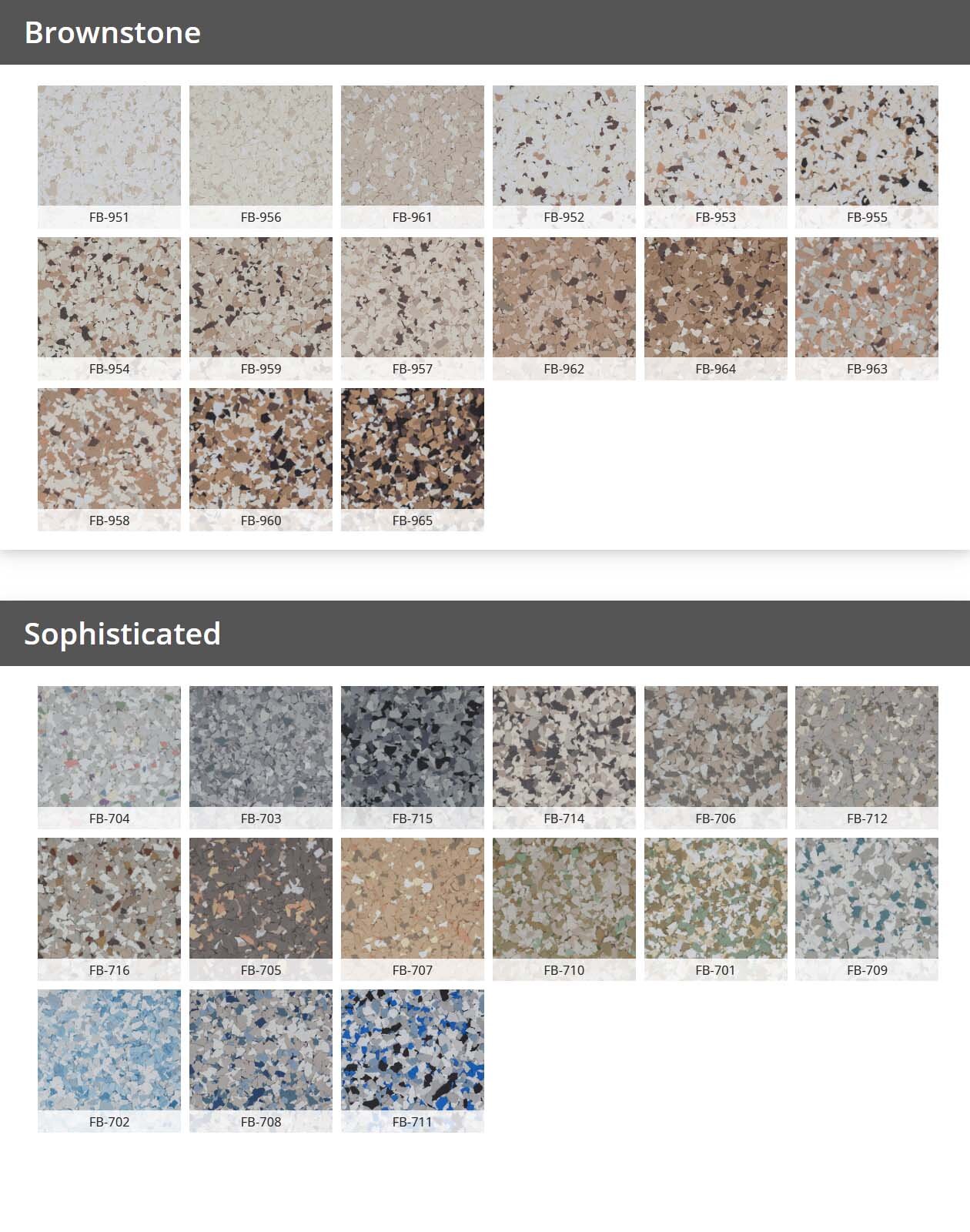
Choose flake colors that complement your base coat and overall garage aesthetic. For a gray base, consider silver, blue, black, or white flakes for contrast. Test combinations on a sample board and view them in your garage lighting. A 60-40 or 70-30 ratio of base to flake usually works best. Avoid too many bright colors, which can look chaotic. Let the flakes enhance the floor, not overpower it.

Will my epoxy floor look exactly like the sample?
Your epoxy floor may not look exactly like the sample due to differences in lighting, application technique, and floor texture. Samples are small and often viewed under ideal conditions. Full-scale applications can vary in sheen, flake distribution, and color depth. To minimize surprises, request a test patch in your garage and view it at different times of day. Discuss expectations with your installer and understand that some variation is normal.
Can I mix different epoxy colors for a custom look?
Yes, you can mix epoxy colors to create a custom finish, but it requires precision. Epoxy resins and pigments must be measured and blended according to manufacturer guidelines to ensure proper curing. Custom mixing is best done by professionals who understand chemical compatibility and application methods. DIY color mixing can lead to uneven results or failure if ratios are off. For unique looks, work with a supplier who offers custom tinting services.
Garage Floor Epoxy Colors, Charts, Datasheets u0026 Directions
Moon Decorative Concrete Epoxy Floor Coatings – Moon Decorative
Epoxy Dallas/Fort Worth Industrial Garage, Seamless Epoxy Coating

Related Posts: